#budget-trade-offs
#budget-trade-offs
[ follow ]
#personal-finance #fiscal-policy #budgeting #california-budget #financial-planning #financial-advice
Retirement
fromLondon Business News | Londonlovesbusiness.com
1 day agoEvery time you borrow from a bank, you're paying more than you think - London Business News | Londonlovesbusiness.com
Opportunity cost in loans includes lost potential earnings from repayment dollars, not just the interest rate paid.
#financial-security
Psychology
fromSilicon Canals
3 weeks agoBehavioral economists found that people with substantial savings who live modestly aren't being frugal - they've discovered that the security of untouched wealth provides more psychological satisfaction than any material display ever could - Silicon Canals
Financial security from modest spending and consistent saving provides greater psychological satisfaction than wealth displays or increased consumption.
#financial-scarcity

fromSilicon Canals
2 weeks agoMental health
I grew up lower middle class and the thing nobody understands is that we didn't budget because we were disciplined. We budgeted because we'd already done the math on what happens when the car breaks down in the same month the insurance is due, and that math never leaves your body even after the numbers change. - Silicon Canals
Psychology
fromSilicon Canals
1 week agoThe most expensive thing about growing up poor isn't what you couldn't afford. It's the decision-making architecture it installs, where every choice runs through a scarcity filter that adds cost to options other people experience as free. - Silicon Canals
Financial scarcity significantly impacts cognitive performance, altering decision-making processes and creating a lasting influence on individuals' choices beyond material deprivation.
Mental health
fromSilicon Canals
2 weeks agoI grew up lower middle class and the thing nobody understands is that we didn't budget because we were disciplined. We budgeted because we'd already done the math on what happens when the car breaks down in the same month the insurance is due, and that math never leaves your body even after the numbers change. - Silicon Canals
Financial scarcity rewires the body and mind, creating lasting effects on budgeting and spending behaviors rooted in stress and dread.

Mental health
fromSilicon Canals
2 weeks agoThere's a specific kind of financial anxiety that has nothing to do with how much money you have. It belongs to people who finally became comfortable but never updated the internal math that was written during scarcity, so every purchase still runs through a threat calculator from 1997. - Silicon Canals
Financial anxiety often stems from past experiences rather than current financial realities, affecting decision-making even in improved circumstances.
Business
fromFortune
2 weeks agoA 'debt spiral,' before a fiscal crisis: interest on the national debt will be growing faster than GDP in just 5 years, think tank warns | Fortune
By 2031, U.S. federal debt interest rates will exceed economic growth rates, triggering a self-reinforcing debt spiral where deficits cause debt to grow indefinitely.
Miscellaneous
from24/7 Wall St.
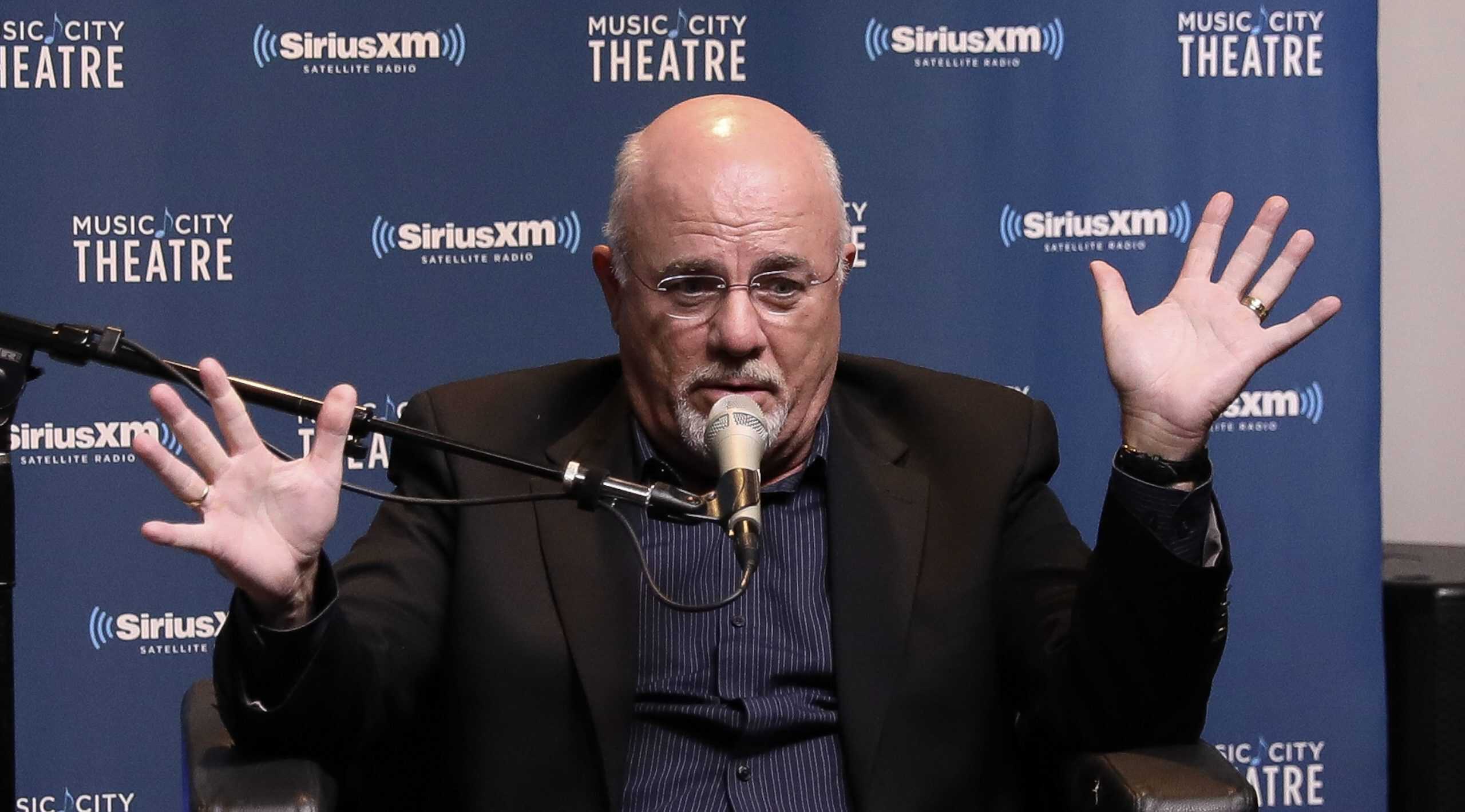
3 weeks agoData Shows Dave Ramsey Is Dead Wrong About This - But He Nailed One Thing
Dave Ramsey emphasizes behavioral change over mathematical optimization in debt repayment, advocating the debt snowball method despite its mathematical inefficiency compared to paying highest-interest debt first.
SF politics
fromLos Angeles Times
2 weeks agoEliminating a corporate tax break is pitched as a way to make up for federal healthcare cuts
California lawmakers propose repealing a tax break allowing multinational corporations to exclude foreign subsidiary income from state taxation, potentially generating billions in annual revenue.
New York City
fromwww.amny.com
2 weeks agoEditorial | NYC spends too much money. It's time to get things under control. | amNewYork
New York City faces a $7.3 billion budget deficit over two fiscal years due to chronic overspending relative to revenue, with structural imbalances threatening municipal bond ratings.

#personal-finance
Retirement
fromSlate Magazine
1 week agoI Feel Like I'm Missing a Trick to Be Financially Comfortable. What Is It?
Building wealth requires time and consistent saving, not shortcuts or tricks.


Retirement
fromSilicon Canals
1 month agoIf you do these 7 things to save money, you have a level of financial discipline most people lack - Silicon Canals
Financial discipline requires tracking expenses, automating savings, and choosing sustainable habits that prioritize long-term goals over small, recurring conveniences.


fromTheregister
4 weeks agoUK Treasury unsure about joining 1.7B program it is funding
In principle, all the departments are supportive of the Shared Services Strategy. However, HM Treasury and the Department for Education (DfE), who currently have modern ERPs and are both in the Matrix cluster, have indicated they would welcome more information through the business case about likely costs for them before they assess that onboarding is feasible and value for money.
UK politics

fromMedium
1 month agoThe justification tax
Kantar's codebase was legacy old. The kind of technical debt that isn't a line item on a sprint board but a structural reality that shapes every decision the company makes. Rebuilding the architecture to support what I'd designed would have cost more than the organization was willing to invest, regardless of the Barilla deal sitting on the table.
UX design
#uk-fiscal-policy


UK politics
fromLondon Business News | Londonlovesbusiness.com
1 month agoFiscal drag caused by the freezing of personal allowances impacting people's finances - London Business News | Londonlovesbusiness.com
Chancellor Rachel Reeves' policies raise concerns about cost of living impacts despite claims of £1,000 annual improvement, with frozen tax thresholds until 2030 potentially offsetting gains.
fromwww.aljazeera.com
1 month agoWhen money is scarce, every choice counts: Bank, cash, or credit?
I have not touched a paper note for months. I don't even have money to pay for a taxi. Now we walk a lot, for long distances. Palestinians in Gaza use the Israeli currency, the shekel, in their daily transactions, and depend on Israel to supply banks with new banknotes and coins.
World news
#retirement-planning
Retirement
from24/7 Wall St.
2 weeks ago$1 Million in Savings Sounds Like Freedom. The Monthly Budget Tells a Different Story.
A $1 million retirement portfolio generates approximately $58,000 annual net income when combined with Social Security, providing a comfortable but not lavish lifestyle in a mid-cost city with modest discretionary spending.

fromwww.theguardian.com
1 month agoBoring or bust: Reeves aims to project calm competence in spring budget
Like [Keir] Starmer, the chancellor is also fighting for her political life whether because the prime minister himself falls, or chooses to move his chancellor in a reset reshuffle. Against that backdrop, Reeves hopes to project calm and competence next week, after a tumultuous 18 months.
UK politics
from48 hills
1 month agoThe real story behind Muni's budget deficit - 48 hills
Despite some idealistic intentions, that framework is in fact what put Muni in the financial hole in the first place. Working from a scarcity mindset, namely trying to preserve an already pilfered service, is a losing battle. To guarantee the service that citizens and workers expect from a city like San Francisco requires a committed vision of the future, one that centers Muni as the public good that it is.
SF politics
fromBusiness Insider
1 month agoI needed to save money, so I challenged myself to a 30-day spending freeze. I learned a lot about my financial habits.
My goal was to only pay bills. I didn't want to buy anything extra, but I knew things always come up, like my son needing something for school. I told myself ahead of time that I could "break the freeze" for absolute necessities only. Over the 30 days, copays for doctor's appointments and prescription costs were the only unexpected purchases I made.
Mindfulness



US politics
fromFortune
1 month agoThe 'alternative scenario' of an even bigger national debt disaster is in play after the Supreme Court ruled Trump's tariffs illegal | Fortune
Supreme Court invalidated major Trump tariffs, removing tariff revenues and potentially raising federal deficits and national debt toward 131% of GDP by 2036.



fromDefector
2 months agoIt's Nice To Have A Process, But It's Better To Have Money | Defector
This is not an argument against continuing to line things up just so, of course. It just means that the very orderly person will over time become a very familiar face to the people at The Container Store, to the point where they might remark to each other during their breaks about having seen him, again, purchasing more of those stackable, breakable containers that he's always getting.
New York Mets
fromSlate Magazine
1 month agoMy Wife's Spending Problem Has Always Been a Mystery. I Think I Uncovered the Cause.
We have a shared account for bills and separate personal accounts, but when she has spent the money in her personal account she will just switch over to the shared account. I end up using my personal account for bills frequently. We've talked about this endlessly, we've looked at how much money we're spending, we've done budgets, but she just doesn't stick to it, and my personality does not lend itself to enforcement.
Relationships


fromwww.cbc.ca
1 month agoToronto city council will debate Chow's proposed budget today. Here's what's on the table | CBC News
The total proposed 2026 operating budget amounts to $18.9 billion, with 31 per cent being covered by property taxes and 24 per cent made up of federal and provincial funding. The rest is made up of smaller measures, including rate programs (12 per cent), transit fares (six per cent), and reserves (nine per cent). Chow submitted her budget proposal on Feb. 1, based on a city staff proposal put forward on Jan. 8.
Canada news
from24/7 Wall St.
1 month agoThree Expensive Lessons I Learned Too Late About Money
Looking back, it's easy to spot the moments where things could have gone differently. At the time, each financial decision felt justified, and sometimes even smart! Whether it was driven by optimism, pressure, or a belief that I could "figure it out later," I made choices that seemed reasonable in the moment but were costly over time. What surprised me most wasn't just the money lost, but how similar the underlying mistakes were.
Real estate
from24/7 Wall St.
2 months agoDave Ramsey: "Creative Financing Just Means 'I'm Going to Do Stupid'"
Trina, a 38-year-old Florida resident, was drowning in $44,000 of debt on a $60,000 annual income. Her financial obligations spanned car loans, credit cards, and her son's private school tuition-a complex web of commitments that became more concerning when she revealed filing Chapter 7 bankruptcy just two years earlier. This recent bankruptcy suggested her struggles weren't isolated incidents but part of a recurring pattern of financial instability.
Real estate
fromThe Motley Fool
1 month agoThis Potentially Lucrative Tax Break May Be Off the Table for You This Year | The Motley Fool
Most of us would like to pay the IRS as little money as possible each year. And that's where tax credits and deductions come in. A tax credit is a dollar-for-dollar reduction of your tax liability, while a tax deduction allows you to exempt a portion of your income from taxes. If you're in a high tax bracket, claiming the right deductions could result in a huge amount of savings.
Business
US politics
fromSan Jose Spotlight
1 month agoSan Jose faces tough choices to balance budget shortfall - San Jose Spotlight
San Jose faces a projected $65 million shortfall requiring tough service reductions while prioritizing public safety, libraries, youth programs, parks, and immigrant legal defense funding.
UK politics
fromLondon Business News | Londonlovesbusiness.com
2 months agoPre-Budget policy leakers must be held to account for damage to the economy - London Business News | Londonlovesbusiness.com
Pre-Budget leaks have caused tangible harm to businesses, individuals and the UK economy and warrant formal investigation and appropriate sanctions.
fromwww.bbc.com
1 month agoCounty council facing 'effective bankruptcy'
"If we don't get what we need [in terms of extra government help] then a Section 114 Notice will come in, which is effective bankruptcy. We'd then get administrators come in, in effect - they'd then make a plan for where the money gets spent in Worcestershire. It would be a catastrophe. We're going to have to halt projects that were put into the budget by the previous administration, things that maybe were 'nice to have', but we can't afford them."
UK politics
[ Load more ]