#california-gdp
#california-gdp
[ follow ]
#california #california-politics #gavin-newsom #silicon-valley #housing-affordability #california-budget
#california

:max_bytes(150000):strip_icc()/TAL-lead-image-MODESTOCA0426-e02a928d6e4d49aaac30abe6c8efadd4.jpg)
Silicon Valley food
fromTravel + Leisure
21 hours agoI've Lived in California for 50 Years and This Is the Best City to Visit in Spring-With Farms, Vineyards, and Flowers
California's Central Valley offers stunning small towns and agricultural experiences, highlighted by the Almond Blossom Cruise and local farms.
fromCalifornia Post
5 days agoMass exodus from Los Angeles revealed in shocking new figures
Los Angeles County's population has now dipped to just under 9.7 million, marking a continuation of a steady slide for the nation's most populous county. The raw number of departures is eye-catching, but experts say the broader trend may be even more concerning: fewer people are coming in to replace those who leave.
Los Angeles
#silicon-valley
Silicon Valley
fromFortune
1 day agoI helped build Uber and Discord and now my tools help fuel billion-dollar unicorns. But Silicon Valley is losing the AI race to itself | Fortune
Silicon Valley is falling behind in innovation due to slow adaptation to social demands and a focus on preserving existing business models.





fromSan Jose Spotlight
4 days agoSilicon Valley's tech world takes center stage in state politics - San Jose Spotlight
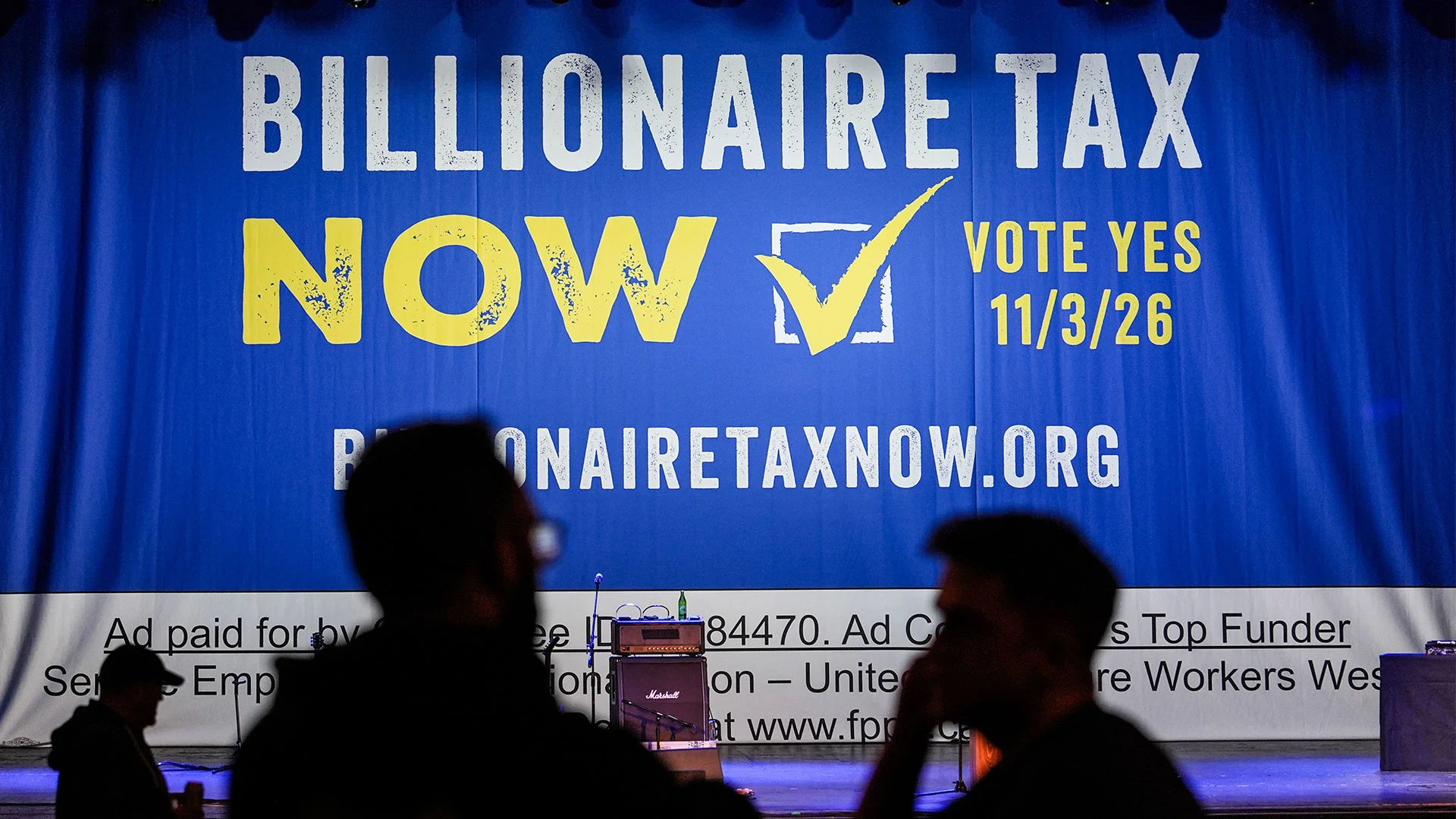
In the 17th Congressional District, incumbent Rep. Ro Khanna is facing a challenge from tech founder Ethan Agarwal, a fellow Democrat. Agarwal is an opponent of the ballot initiative to levy a one-time, 5% wealth tax on Californians with more than $1 billion in assets.
Silicon Valley
US politics
fromThe Mercury News
1 month agoKounalakis: Trump's attacks on California condemn America to dependency on China
Rare earth elements control modern technology supply chains; China dominates 80% of global production, creating critical U.S. security vulnerability that requires domestic solutions rather than foreign policy coercion.
fromwww.mediaite.com
1 week agoSHOCK POLL: California Democrats at Risk of Being Shut Out of Governor's Race
A new poll, commissioned by the California Democratic Party and conducted by Evitarus, found that of 2,000 likely voters, Republicans Steve Hilton and Chad Bianco lead the pack with 16% and 14% of the vote respectively.
US Elections
#california-gas-prices
SF politics
fromKqed
2 weeks agoCA Democrats Splintered on Blame Over Gas Prices | KQED
California gas prices spike to $5.50 per gallon following Iran war, triggering political disputes over responsibility between Trump administration and Governor Newsom regarding oil production policies and climate regulations.
California
fromwww.mercurynews.com
4 weeks agoOpinion: How to bring down gas prices in California (Hint: Pumping oil won't help)
California's high gas prices stem from uncompetitive refining markets dominated by four companies controlling 90% of capacity, requiring supply-side reforms alongside demand reduction strategies.
fromFortune
2 weeks agoOnly 6 billionaires left California over its proposed wealth tax - but they took $27 billion in potential revenue with them | Fortune
Six of California's 214 billionaires have been widely reported to have left the state in time to avoid a proposed 5% wealth tax - but that small cohort would have collectively generated $27 billion in tax revenue, roughly a fourth of the initiative's projected $100 billion haul.
California


fromwww.mercurynews.com
1 month agoWalters: Could taxing multinational corporations erase California's budget deficits? Not likely
The state budget's chronic gaps between income and outgo $125 billion over the last few years, according to the Legislature's fiscal advisor have left Gov. Gavin Newsom and legislators scrambling for ways to clean up the state's finances. Newsom has so far shunned new taxes to close the gap, even trying to sidetrack a tax on the assets of billionaires that may appear on the November ballot.
California
California
fromFortune
2 months ago'You are really playing with fire with this one': California billionaires tax ignites, pitting labor unions and voters against tech execs | Fortune
A proposed one-time 5% tax on California billionaires' assets has triggered political conflict, relocation threats from tech leaders, and heavy campaign spending.
fromwww.mercurynews.com
2 months agoLetters: One-time wealth tax won't provide a long-term fix
The proposed Billionaire Tax Act, imposing a one-time 5% tax on the total wealth of Californians whose net worth is $1 billion or more, needs reconsideration. Certainly, anyone with $1 billion (or more) has more than enough to live very comfortably, but there is an approach that would be less onerous to the billionaires and more helpful to the state.
California
California
fromStreetsblog
2 months agoCA Closes Door on Getting Feds to Live Up to High-Speed Rail Promises. Opens Arms to Private Investors. - Streetsblog California
California High-Speed Rail seeks private investment and abandons its federal grant lawsuit as funding and politics reshape the project's path forward.
fromThe Mercury News
1 month agoCalifornia's 4.5% economic growth was middling in third quarter
California's economic growth hit its fastest pace in a little more than two years - but on a national scale, it was just a middle-of-the-pack performance. My trusty spreadsheet reviewed the third quarter report from the Bureau of Economic Analysis on state gross domestic product - a broad yardstick of business output. It's an inflation-adjusted measurement of the value of goods and services produced. Annual growth rates are a benchmark for comparing the progress of various economies.
California
California
fromStreetsblog
2 months agoExcerpts on Transportation and Livability from Governor Newsom's State of the State - Streetsblog California
California extended Cap-and-Invest for two decades, pursued regional energy market and resilience measures, stabilized homeowner insurance, and advanced high-speed rail construction.
[ Load more ]