#cameroonian-music
#cameroonian-music
[ follow ]
#africa-cup-of-nations #morocco #senegal #cameroon #afcon-2025 #senegal-national-team #sadio-mane #football #mali #caf

France politics
fromwww.aljazeera.com
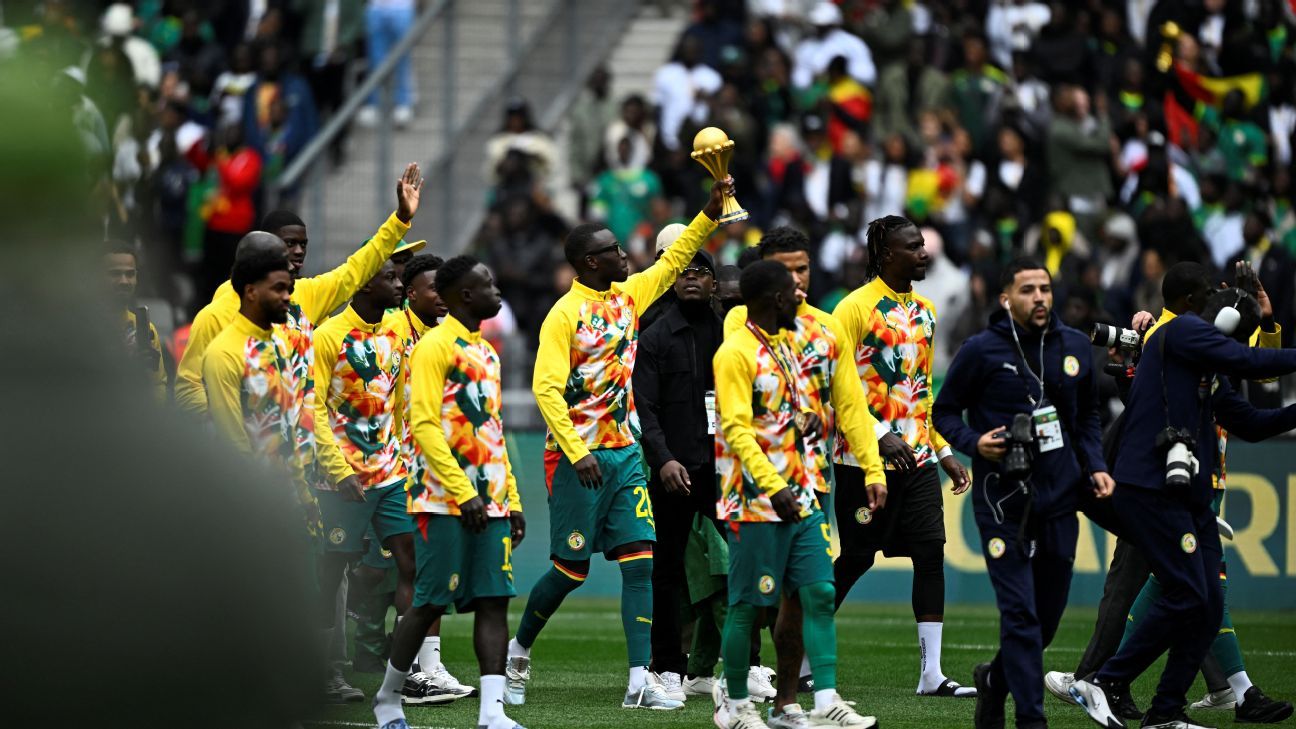
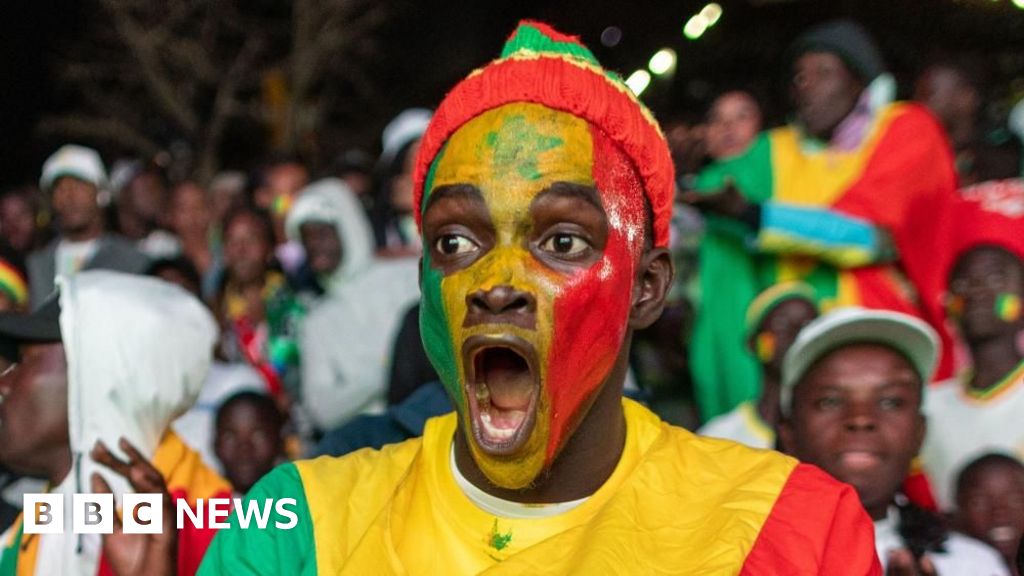
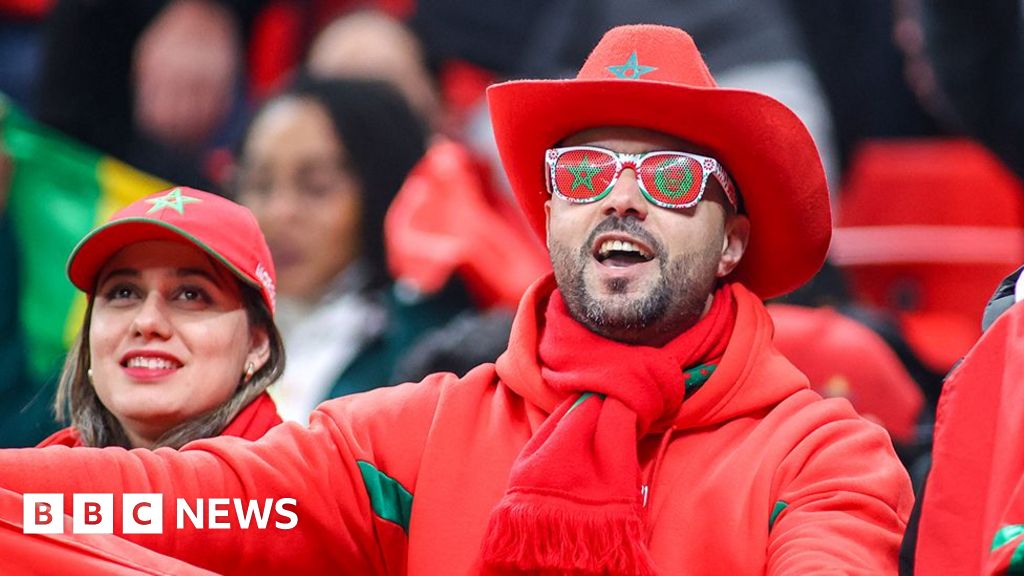
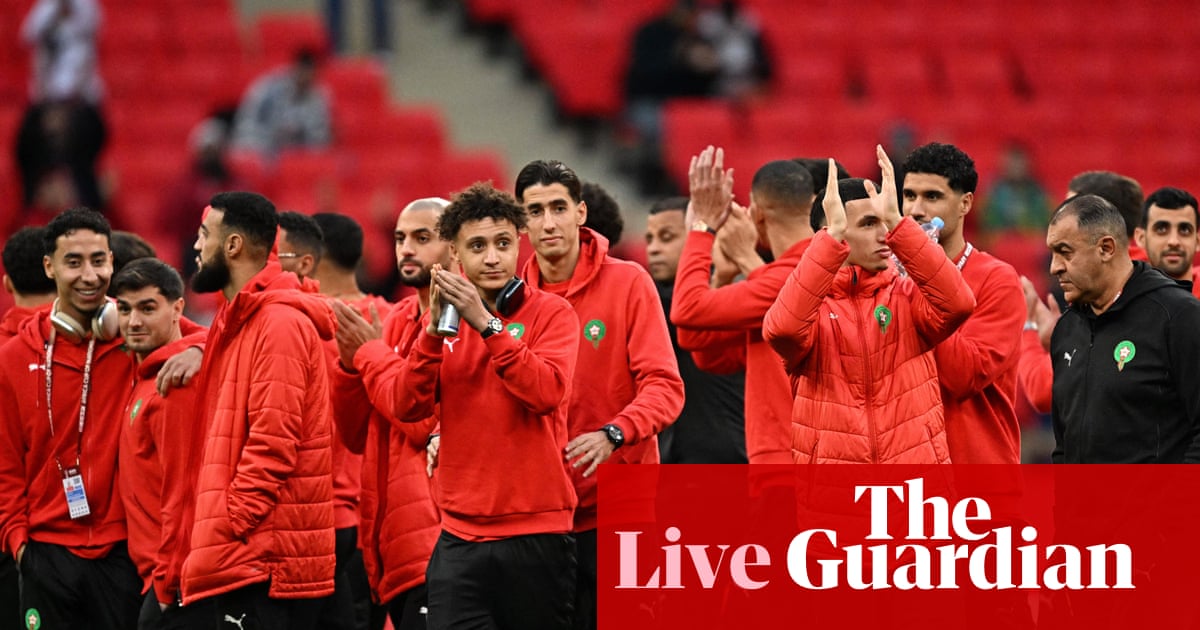
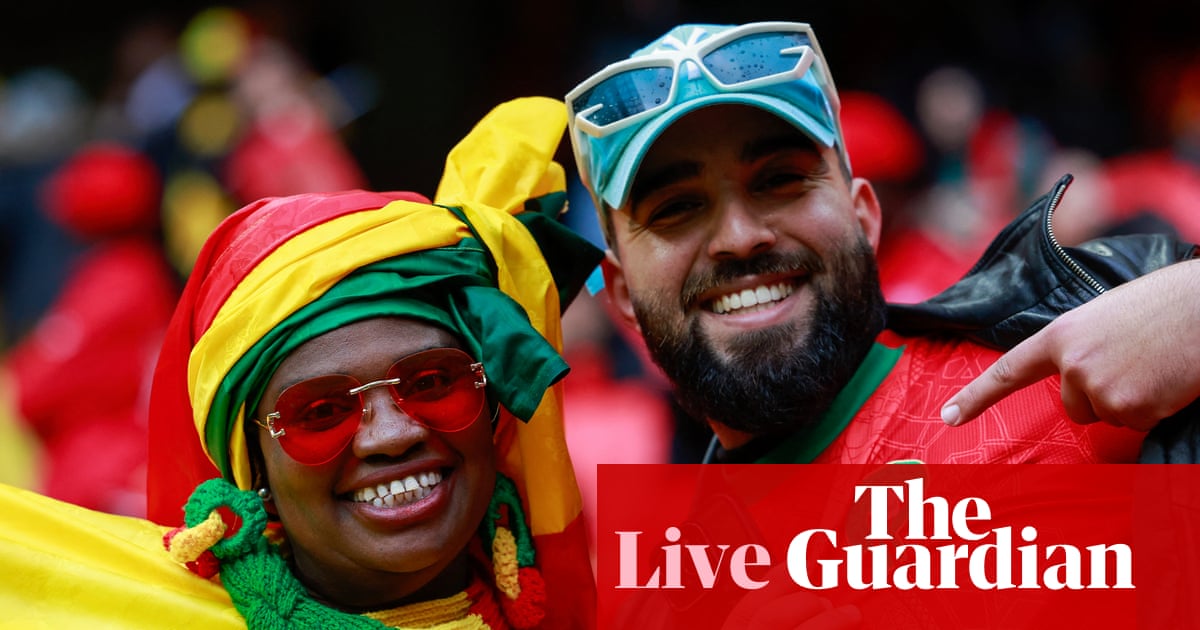
2 weeks agoSenegal and Morocco tied by religion and trade but divided by AFCON fallout
CAF awarded Morocco the AFCON title over Senegal's on-field victory, citing forfeiture for leaving the field, sparking legal action and diplomatic tensions between the neighboring nations.
Music
fromwww.theguardian.com
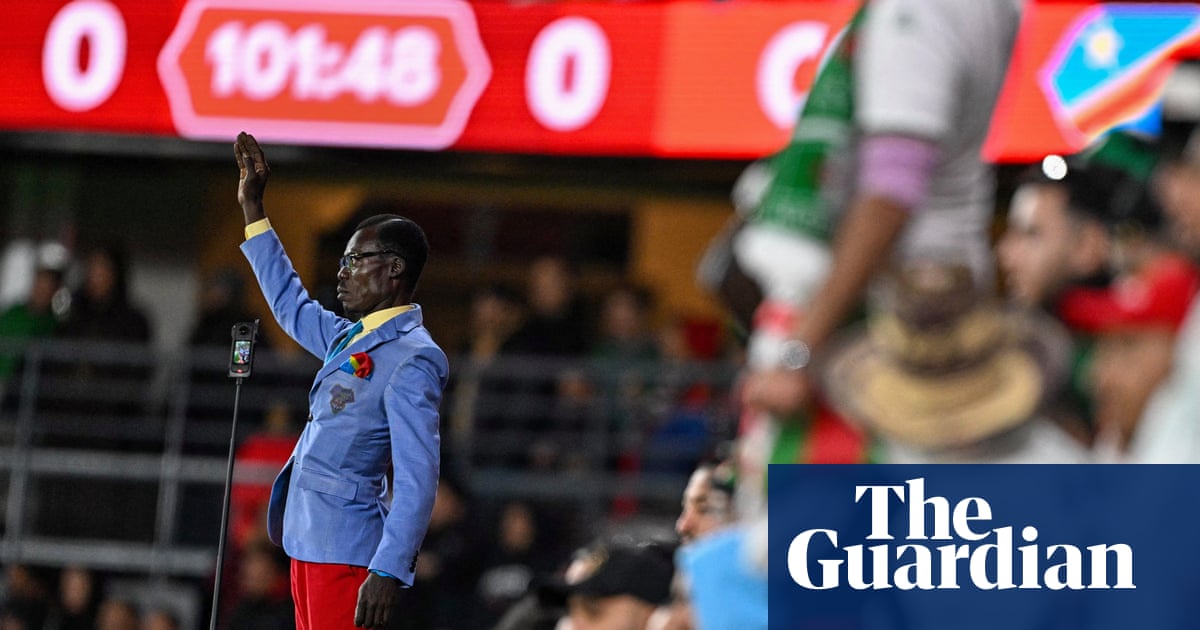
3 weeks agoVillages are burned, animals slaughtered. We have to let the world know what's happening': Tinariwen and Imarhan fight for Tuareg music
Tinariwen's new album Hoggar documents the violent displacement of Tuareg people in Mali caused by military clashes, Wagner mercenaries, and militant groups, using desert blues music to raise global awareness of atrocities ignored by politicians and journalists.
Paris food
fromFrenchly
3 weeks ago10 Cities Outside France Where You Can Practice Your French - Frenchly
Over 320 million people speak French across five continents, with colonial history establishing French as an official language in many countries, making immersive French learning possible in diverse cities worldwide.
Music
fromwww.theguardian.com
3 weeks agoUruguay's candombe brings streets to life as the once-banned musical tradition roars back
Candombe, Uruguay's Afro-descendant music once banned and marginalized, is now experiencing peak popularity after spreading from Black neighborhoods throughout the country.
fromwww.theguardian.com
3 weeks agoFrance returns sacred talking drum looted from Cote d'Ivoire over 100 years ago
After a long stay away from this land, it is returning to its own people and it is an honour for us and a relief to welcome it. This is the missing piece of the puzzle that is returning today. Receiving this sacred instrument is a relief, but it is also another form of connection with our ancestors who were very close to this instrument.
France politics
fromThe Washington Post
1 month ago4 journalists detained in Cameroon reporting on Trump's deportations
About 15 migrants who are not from Cameroon have been sent to the country by the United States since January, according to Alma David, one of the attorneys advocating for the deportees. The deportations to Cameroon come amid broader efforts by the Trump administration to pressure foreign nations into signing onto secretive third-country deportation agreements, which allow the federal government to remove migrants from the U.S. and send them to places other than their country of origin.
World news
fromFrenchly
1 month ago10 Black Francophone Historical Figures You Didn't Learn About in School - Frenchly
History is full of Black Francophone figures who have shaped politics, culture, science, and resistance across continents. Yet too often, they remain invisible in school textbooks. These individuals challenged colonial power, redefined identity, confronted racial hierarchies, and transformed intellectual and political life in the Francophone world and beyond. From West Africa to the Caribbean, in scientific research and political activism, they forged new paths in the face of oppression and erasure, leaving legacies that continue to inspire freedom, dignity, and solidarity.
History
Manchester United
from101GREATGOALS.COM
2 months agoBryan Mbeumo: AFCON 2025 fixtures, schedule for Cameroon and Manchester United forward at Africa Cup of Nations
Bryan Mbeumo leads Cameroon at AFCON 2025 and may be unavailable for Manchester United until at least January 9 depending on Cameroon's progress.
fromwww.aljazeera.com
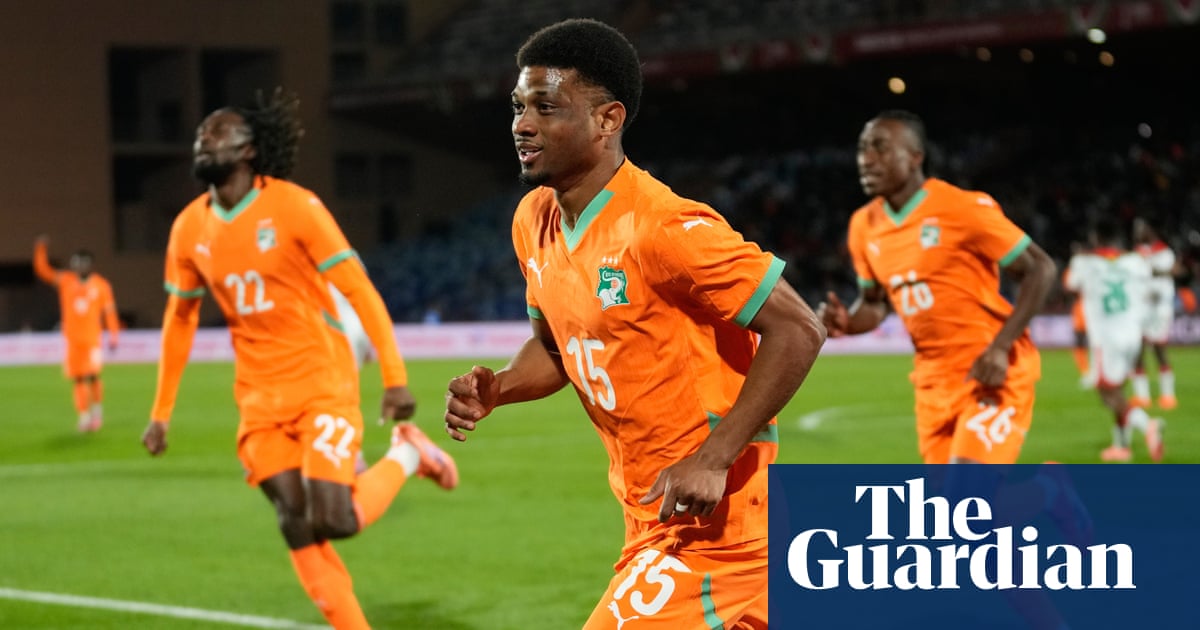
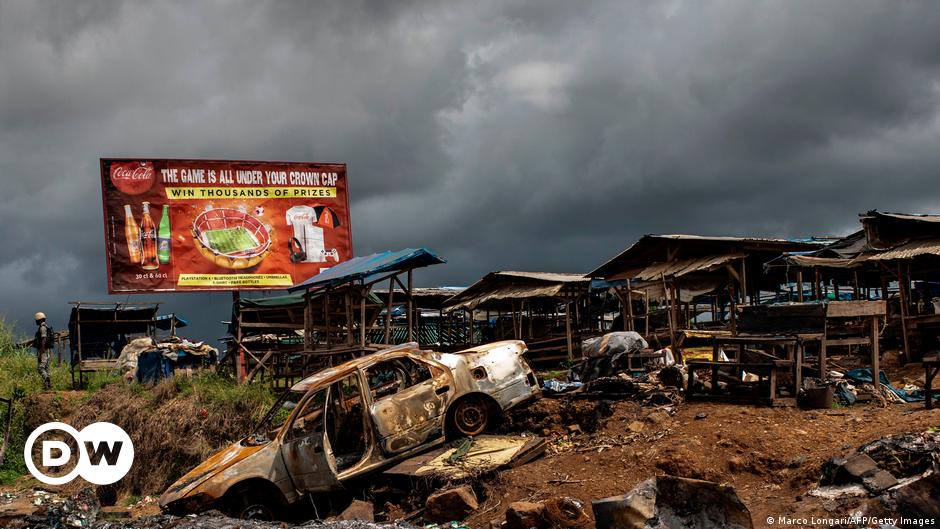
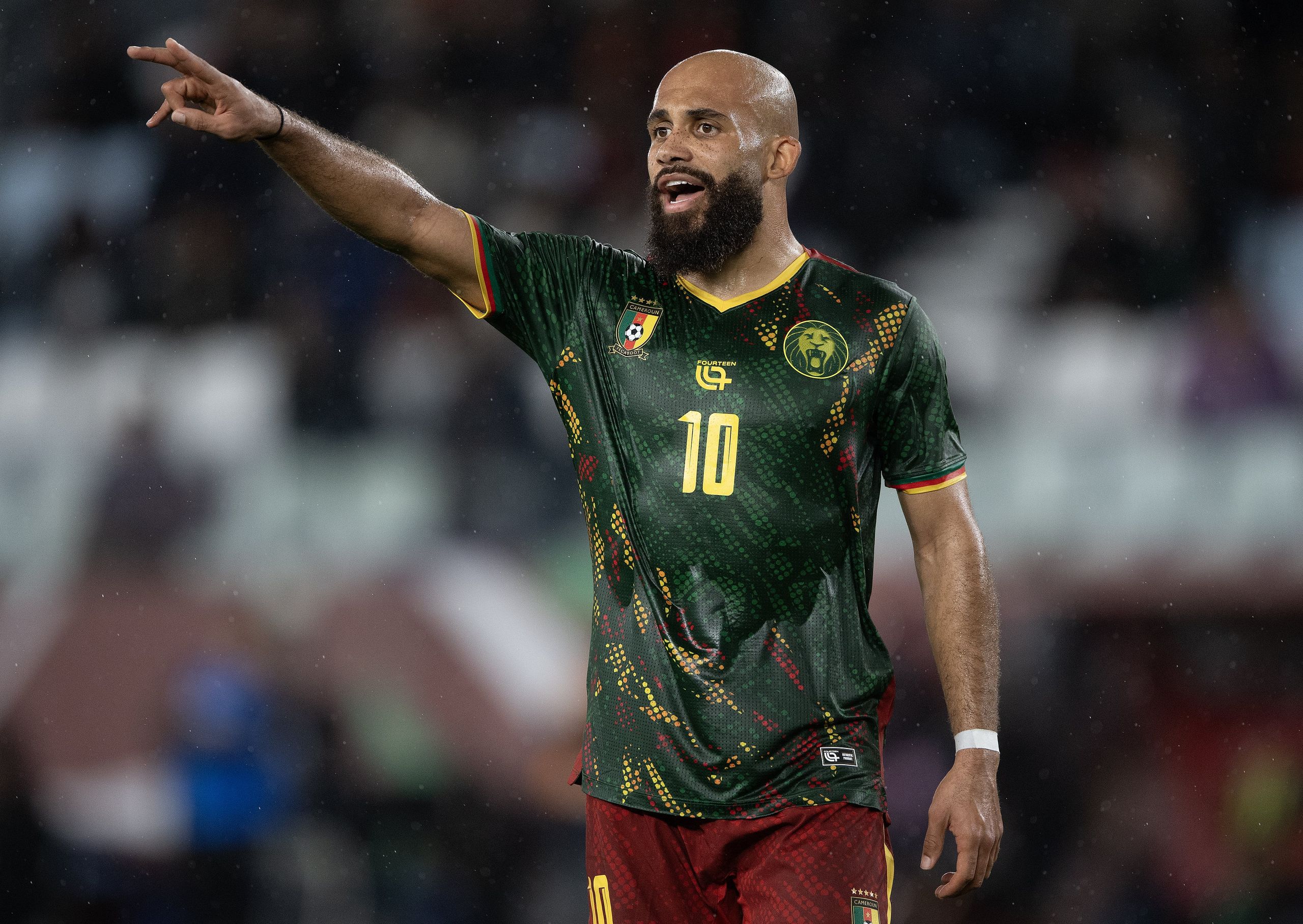
2 months agoCameroon edge South Africa 2-1 to book AFCON quarterfinal with Morocco
Goals either side of half-time by Junior Tchamadeu and Christian Kofane took Cameroon through to the Africa Cup of Nations quarterfinals at South Africa's expense, as the Indomitable Lions edged their last-16 clash 2-1. Tchamadeu opened the scoring in the 34th minute at Al Medina Stadium in Rabat on Sunday, and teenage Bayer Leverkusen forward Kofane headed in the crucial second goal two minutes after half-time.
Soccer (FIFA)
Cooking
fromwww.theguardian.com
2 months agoWest African sunshine dishes: Toyo Odetunde's chicken yassa pot pie and stuffed plantain boats recipes
A Senegalese yassa–inspired chicken pie and Nigerian ewa riro–filled plantain boats combine West African flavours with flaky pastry and convenient tinned beans.
fromConde Nast Traveler
2 months agoDespite All Odds, Beirut's Jazz Scene Persists
I noticed the swelling of the double bass first, quickly followed by the fluttering of brushed cymbals. A saxophone pushing against the edges of a melody swiftly married the notes together, chords drifting haphazardly before reaching a slow, pulsing groove. The jazz quartet performed in front of a liquor cabinet lined with whisky bottles; low-hanging lights teetered overhead, throwing shapes on the monochromatic marble-tiled floor. Outside, a leafy veranda was filled with diners, the music drifting through flung-open doors and windows.
Music
fromwww.bbc.com
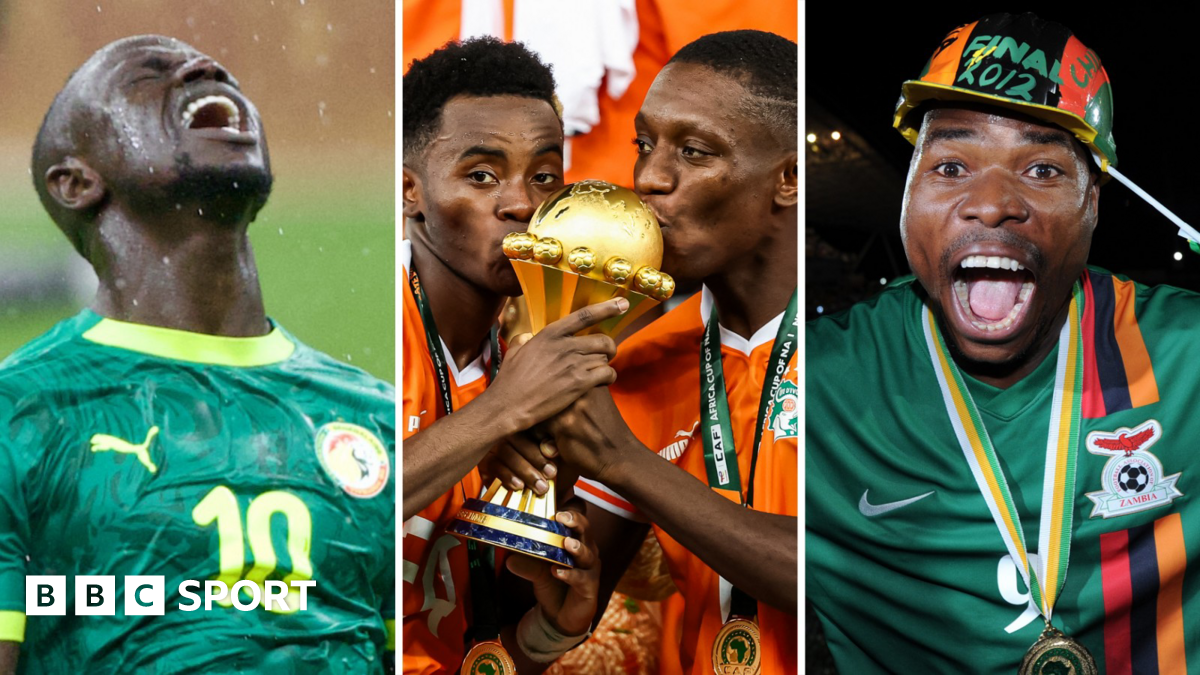
2 months agoWhat we learned from Afcon 2025
The 2025 Africa Cup of Nations (Afcon) will long be remembered for the way it finished. There were chaotic scenes at the end of regulation time in the final, when the award of a penalty to Morocco sparked a walk-off from Senegal and led to a delay of over 16 minutes before Brahim Diaz had his Panenka attempt saved. Atlas Lions boss Walid Regragui decried the incident as "shameful", and the Confederation of African Football (Caf) is yet to announce the sanctions.
World news
fromFrenchly
2 months agoThe Rise of Francophone Female Rappers - Frenchly
Rap music has long been framed as a genre of excess: too loud, too violent, too vulgar. From its beginnings, it has been associated with anger, confrontation, and a form of hypermasculinity that leaves little room for alternative expressions. In France especially, rap has often been perceived as the voice of male youth from working-class neighborhoods, carrying narratives of struggle, rivalry, and domination.
Music
fromConde Nast Traveler
1 month agoHow the Global Rise of Latin American Music Is Shaping Travel
In the just-named Grammy Album of the Year, DeBÍ TiRAR MáS FOToS-which Bad Bunny has declared his " most Puerto Rican album " to date-the supernova reggaetonero painted an evocative portrait of the Caribbean island, while declaring to a whopping 8.6 million listeners: "VOY A LLeVARTE PA PR" (I'm going to bring you to Puerto Rico). And he did. Last year, a record-breaking number of tourists-7,486,000 to be exact-visited Puerto Rico's tropical shores.
Music
fromwww.aljazeera.com
2 months agoSenegal hope Morocco final will not be Mane's AFCON farewell
Senegal coach Pape Thiaw says he hoped the Africa Cup of Nations final against Morocco would not be Sadio Mane's last game at the tournament, insisting the former Liverpool forward could reconsider walking away from the team. His decision is no longer up to him. There is a whole people behind him, too, and they would like to see him continue, Thiaw told reporters in Rabat on the eve of the final against the host nation.
Soccer (FIFA)


from101GREATGOALS.COM
2 months agoCameroon v Morocco: Line-ups, stats and preview
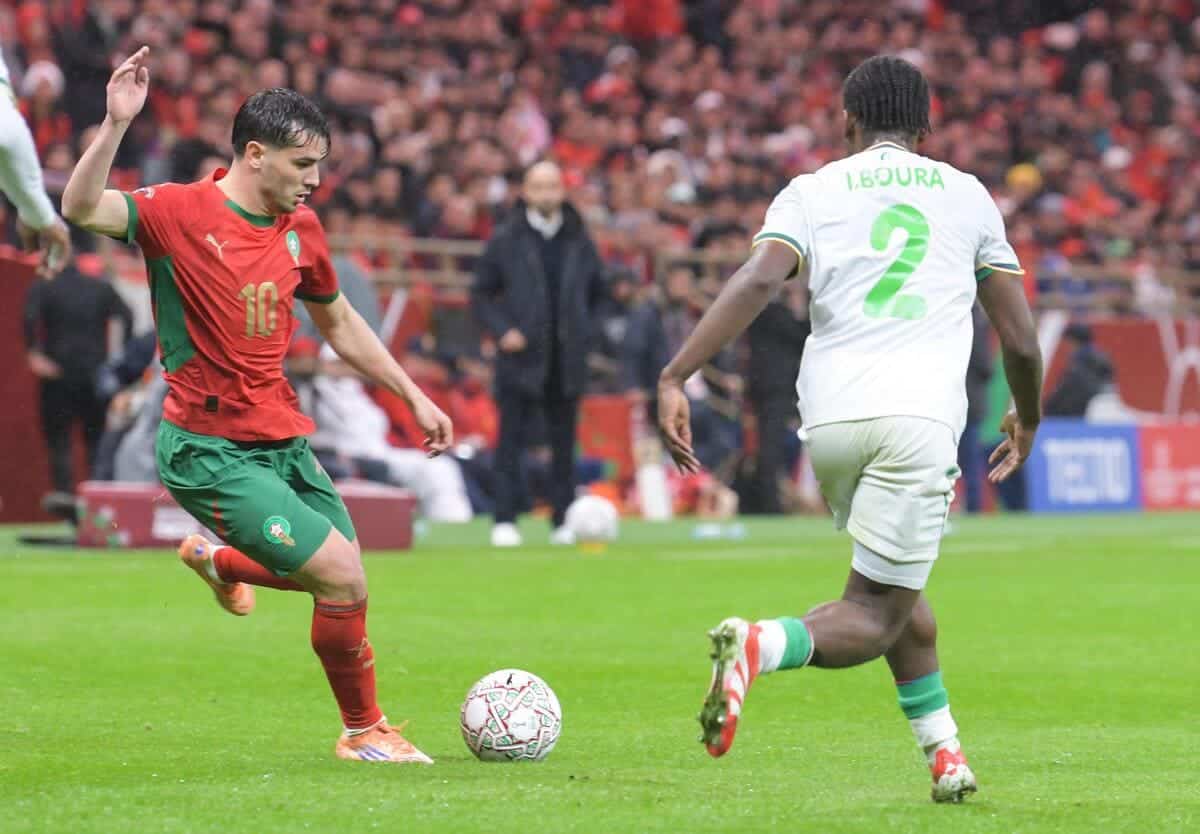
Cameroon knocked us out in the 1988 semifinal, but the past is the past. Today we are a new Morocco. We also have something to lose. We are organising the event at home, and in four months we play the World Cup. There is a big challenge ahead. This is the Cup of Africa for humility. If we play with modesty, we will achieve a good result. The decision will be made on the pitch.
Soccer (FIFA)
[ Load more ]