#campus-privacy
#campus-privacy
[ follow ]
#cybersecurity #higher-education #data-breach #data-privacy #privacy #surveillance #ai-in-education #social-media


fromInside Higher Ed | Higher Education News, Events and Jobs
56 minutes agoJudge Blocks Trump's Demand for Admissions Data in 17 States
The ruling found that while the Trump administration has 'the basic authority' to collect and analyze admissions data disaggregated by race and gender, they do not possess the authority to do so under the circumstances presented here, given the arbitrary and capricious nature in which the ACTS was promulgated.
US politics
Social media marketing
fromwww.theguardian.com
4 hours agoIt started with a tip-off': how a Guardian investigation exposed child sex trafficking on Facebook and Instagram
Child sexual abuse trafficking surged during the pandemic, with platforms like Facebook and Instagram being exploited for these crimes.

#higher-education

Higher education
fromInside Higher Ed | Higher Education News, Events and Jobs
5 days agoHigher Ed Denounces GSA's Proposed Federal Funding Strings
The Trump administration's proposed pledge for colleges on diversity and inclusion is seen as vague and burdensome, risking federal funding for non-compliance.
Higher education
fromInside Higher Ed | Higher Education News, Events and Jobs
5 days agoHigher Ed Denounces GSA's Proposed Federal Funding Strings
The Trump administration's proposed pledge for colleges on diversity and inclusion is seen as vague and burdensome, risking federal funding for non-compliance.

#data-breach


Privacy professionals
fromSilicon Canals
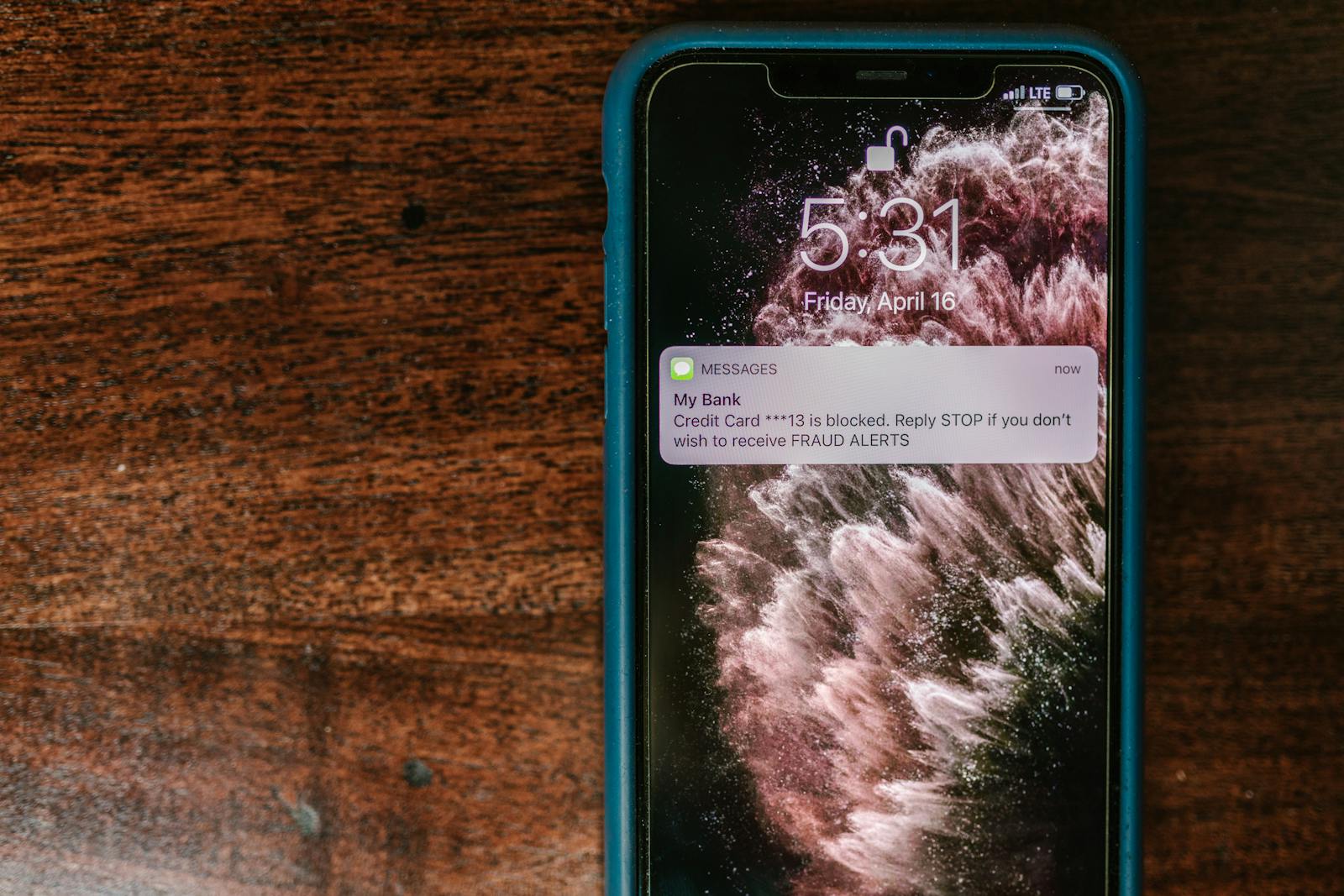
2 days agoA fintech app asked users for their passports - then left 360,000 files unprotected for five years - Silicon Canals
A money transfer app exposed over 360,000 sensitive files on a public server for nearly five years, including unencrypted personal documents.
fromTheregister
2 days agoNHS staff resist using Palantir software
One official reportedly described Palantir as 'ethically bankrupt' in justifying his refusal to use the software, and noted that he knows of coworkers who deliberately slow their work pace when forced to use the system.
EU data protection
fromInside Higher Ed | Higher Education News, Events and Jobs
56 minutes agoPenn's Unprincipled Attack on Open Expression
The goal of suppressing all protests is apparent in these principles: 'Actions taken beyond making one's thoughts heard or read... do not constitute speech and expression protected by these Principles.'
Higher education

fromComputerworld
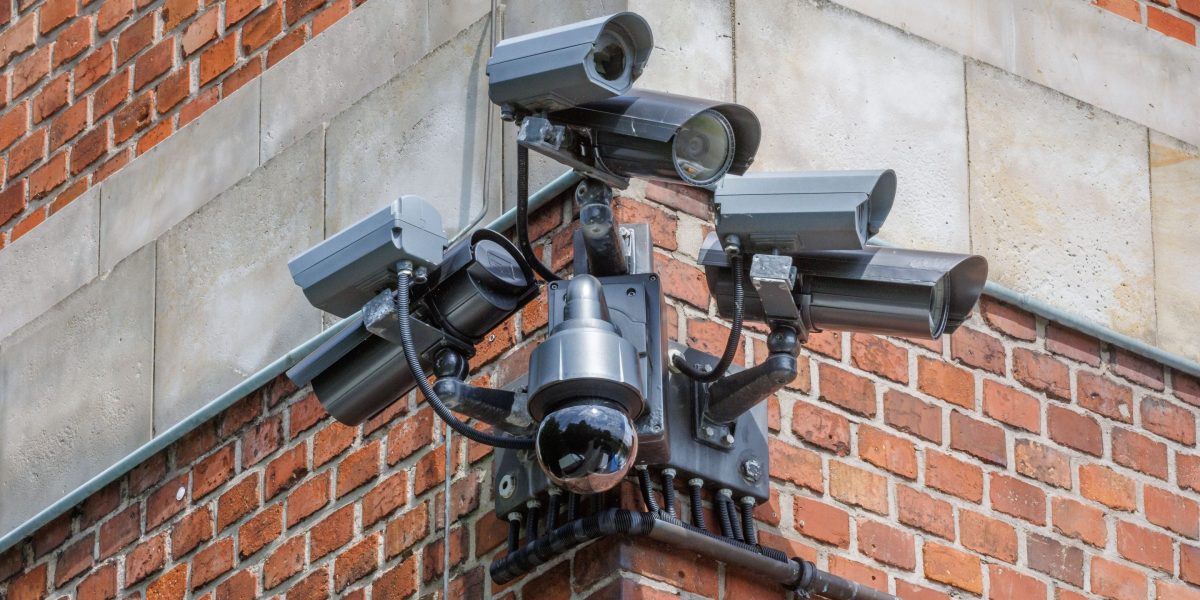
2 days agoA core infrastructure engineer pleads guilty to federal charges in insider attack
Rhyne's attack involved unauthorized remote desktop sessions, deletion of network administrator accounts, and changing of passwords, showcasing significant security vulnerabilities.
Information security


fromWIRED
3 days agoCBP Facility Codes Sure Seem to Have Leaked Via Online Flashcards
The public Quizlet set contained information about alleged codes for specific facility entrances. 'Checkpoint doors code?' asked one card, with a specific four-digit combination listed in response.
Privacy professionals
Privacy professionals
fromSilicon Canals
3 days agoA money-transfer app stored customer passports on an unencrypted, publicly accessible server for nearly five years - Silicon Canals
Fintech companies face regulatory pressure to collect identity documents but lack enforceable obligations to protect them, leading to data breaches.
fromInside Higher Ed | Higher Education News, Events and Jobs
5 days agoLouisiana May Broaden University Public Records Exemptions
Supporters of the legislation argue that it is designed to protect prospective applicants for executive positions at universities by keeping private all application records until finalists are named. This confidentiality is crucial for individuals who wish to apply without alerting their current employers.
Higher education
fromwww.bbc.com
1 week agoTeacher barred over secret email plan for pupils
By asking pupils to conceal their identities through the use of fake names and/or fake email addresses, and by instructing them not to tell the school, Rai acted in a way that lacked the integrity expected of a teaching professional.
Education
Privacy professionals
fromMedCity News
2 weeks agoThe Evolving Landscape of Privacy and Cybersecurity: Essential Strategies for Legal and Compliance Professionals - MedCity News
Organizations must combine strong controls with comprehensive employee training and accountability culture to effectively protect sensitive data and comply with evolving privacy laws.
Privacy professionals
fromwww.mercurynews.com
1 month agoTo attend prom or a football game, California students first had to surrender their data
California fined PlayOn $1.1 million for violating state privacy law by collecting student data through ticketing platforms without providing opt-out options and selling that data to advertisers.
fromInside Higher Ed | Higher Education News, Events and Jobs
1 month agoEd Department Weaponizes FERPA to Restrict Voting (opinion)
Earlier this month, the U.S. Department of Education sent a letter to every college and university president with the goal of continuing its efforts to curb voting among college students. This latest letter threatens colleges and universities if they participate in or use the data from the National Study of Learning, Voting and Engagement, claiming that if they do so, they "could be at risk of being found in violation of FERPA."
Higher education
fromCoindesk
2 months agoPrivacy
This Privacy Notice applies to all personal information processed by CoinDesk, including its affiliates and subsidiaries (" CoinDesk," " we," " us," or " our "). It covers the information CoinDesk collects through the websites, mobile applications, electronic devices, all other products and services we provide, any other services that display this Privacy Notice, all of the associated content, functionalities, and advertising, and when you communicate with us by phone, email, or otherwise (collectively, the " Services ").
Privacy professionals
Privacy professionals
fromeLearning Industry
2 months agoKids Learning Under Surveillance: The Human Rights Cost Of AI In Schools
Widespread AI and EdTech use in schools creates surveillance that collects excessive student data, threatening children’s privacy and human rights without adequate safeguards.
[ Load more ]