#campylobacter
#campylobacter
[ follow ]
#food-safety


fromTasting Table
1 month agoBerlin food
The One Container You Should Never Use For Raw Meat, According To A Food Scientist - Tasting Table
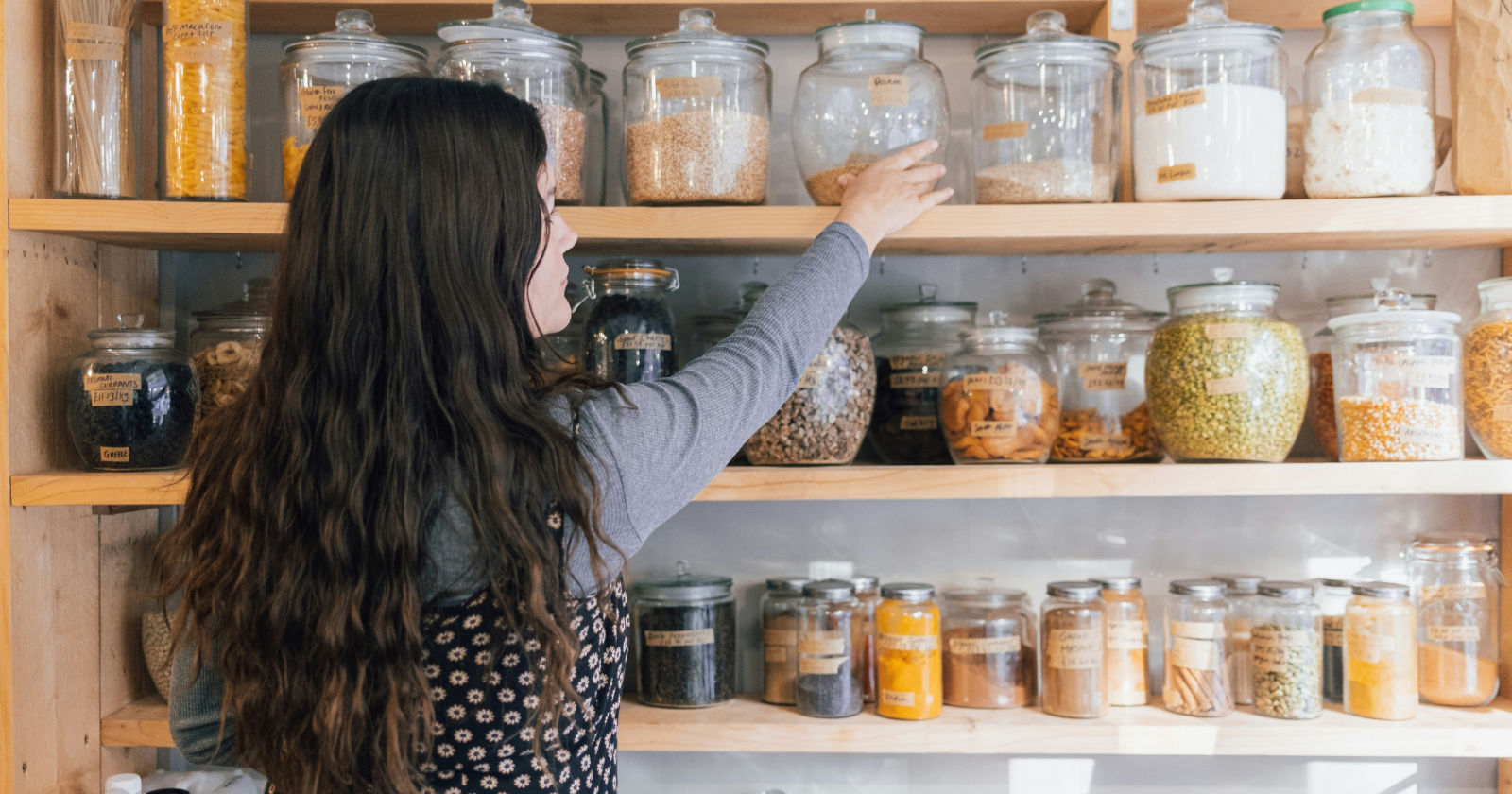
Plastic food storage containers are porous and harbor bacteria more readily than glass or stainless steel, making them less safe for storing raw meat and other foods.
Berlin food
fromTasting Table
1 month agoThe One Container You Should Never Use For Raw Meat, According To A Food Scientist - Tasting Table
Plastic food storage containers are porous and harbor bacteria more readily than glass or stainless steel, making them less safe for storing raw meat and other foods.
fromwww.scientificamerican.com
3 weeks agoFirst-of-its-kind vaccine protects children from deadly intestinal infections
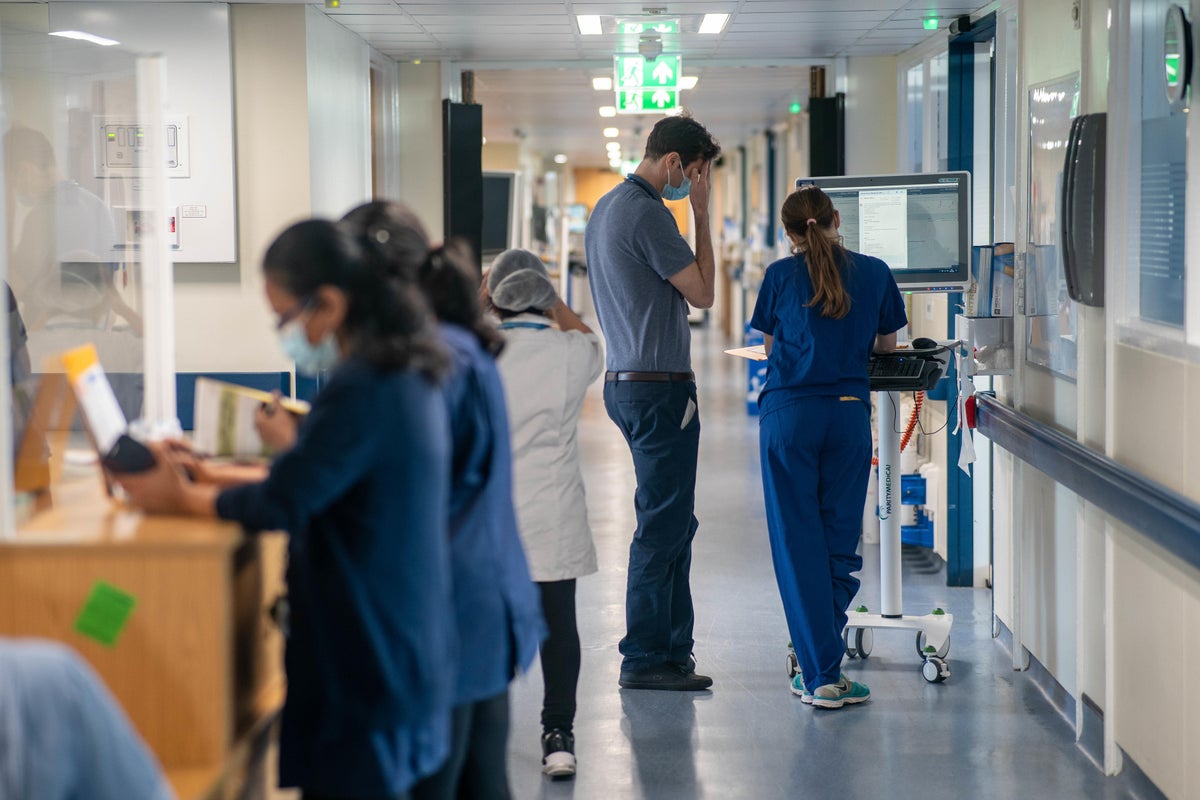
In children below the age of five, whose immune systems are still developing, the infections can lead to malnourishment; they cause up to 42,000 deaths annually. Soon there may be a vaccine to protect against these infections. In the Lancet Infectious Diseases last month, scientists shared the results of the first study to evaluate the safety and efficacy of an ETEC-controlling vaccine in a large pediatric population in Gambia.
Public health
fromTasting Table
1 month agoThese 3 Foods Are Most Commonly Linked To E. Coli - Tasting Table
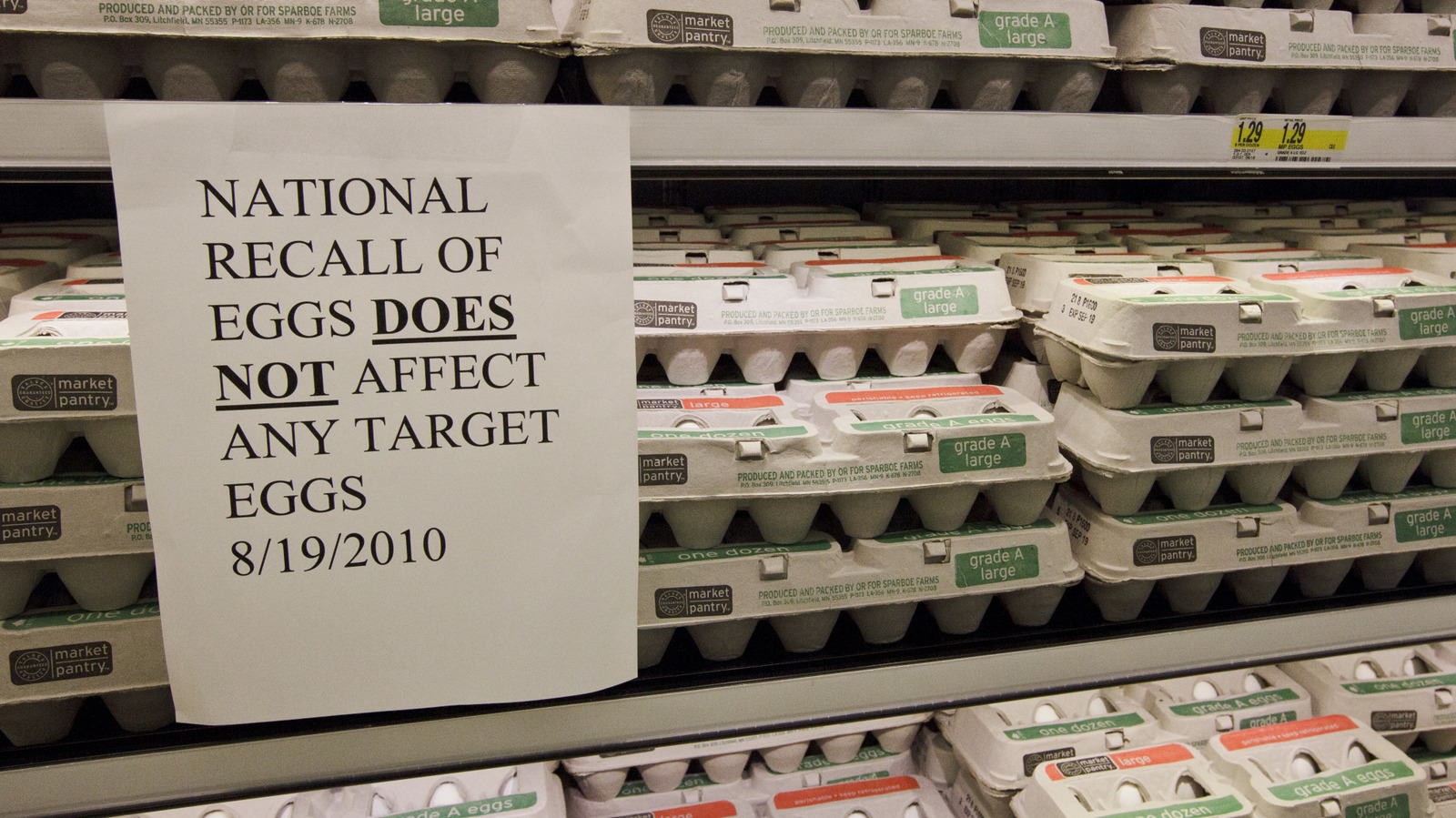
E. coli - you don't want it. You really, really don't. Properly known as Escherichia coli, E. coli are bacteria found in the intestines of humans and animals. While many of them are harmless, some kinds can cause severe gastrointestinal illness, with the most dangerous pathogenic types - such as Shiga toxin-producing E. coli (STEC) - potentially leading to kidney failure and death, particularly among vulnerable groups such as children, the elderly, and those with compromised immune systems.
Public health
fromwww.aljazeera.com
1 month agoIs our food making us sick?
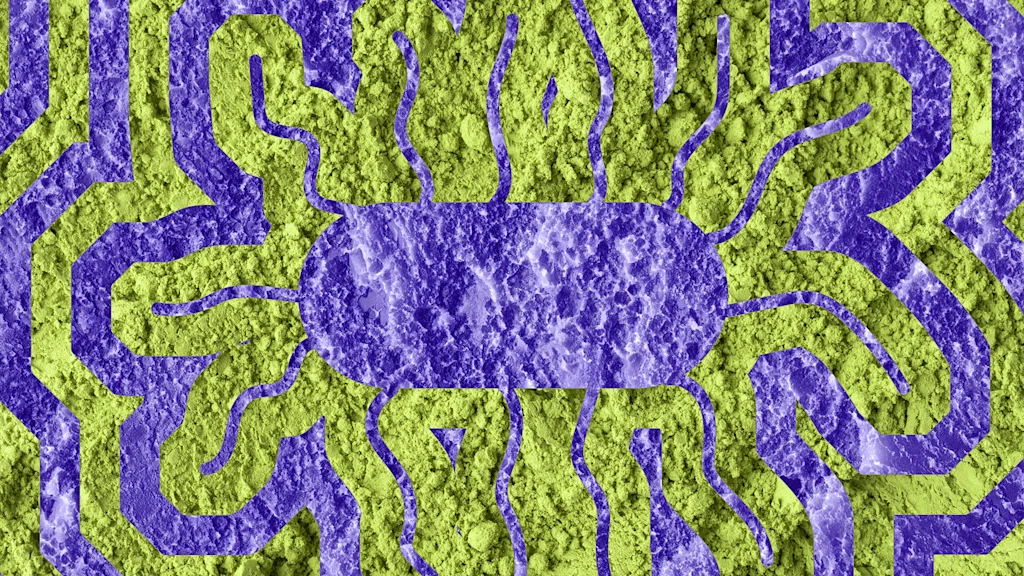
From ultra-processed foods to hidden chemicals, we ask whether what's on our plates is making us ill. From ultra-processed foods to chemicals linked to cancer and chronic disease, this episode unpacks what's really inside everyday supermarket products. We examine how mass production and convenience culture reshaped our diets, why some ingredients are banned in parts of the world but legal elsewhere, and what FDA-approved actually means.
Food & drink
fromABC7 Los Angeles
2 months agoCA seeing surge in norovirus cases. The unexpected way it can spread through your household
"If you are actively sick with diarrhea or some kind of a GI-related condition, go ahead and separate those clothes from other healthy people in the household," said Emergency Medicine specialist Dr. Ali Jamehdor with Dignity Health St. Mary's Hospital in Long Beach. Some people let clothes sit in the hamper for weeks. He said that diarrhea-causing E. coli and salmonella can live that long in your laundry bin.
Public health
[ Load more ]