Agriculture
fromEarth911
2 days agoBiochar Was a Billion-Ton Dream, the Reality Is More Complicated
Biochar can store carbon and improve soil health, but recent analysis warns against overhyping its potential.
At a young age, I learned quickly how oil wealth and power could burn the land while people struggled. I saw heat rise off the streets, the Nile strained, and the air thickened with injustice. In my teenage years, through Aotearoa, being on the edge of the Pacific, I felt the ocean breathing heavy, swallowing the shores of islands that have done the least to cause this harm.
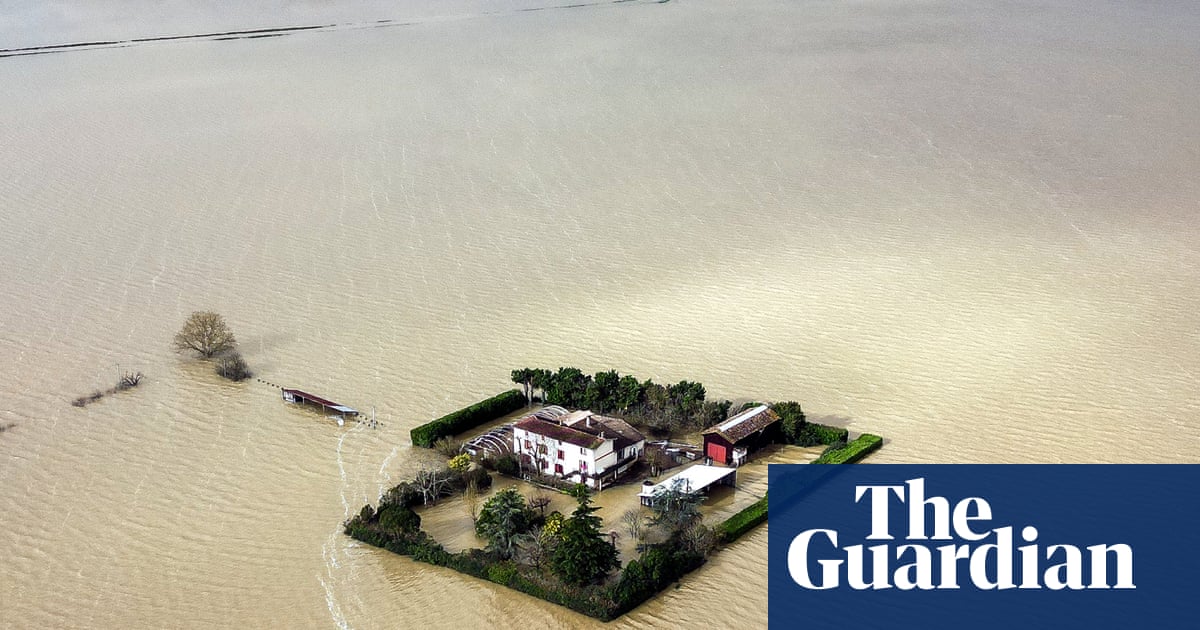
as the EU's climate advisory board urges countries to prepare for a catastrophic 3C of global heating. Maarten van Aalst, a member of the European Scientific Advisory Board on Climate Change (ESABCC), said the continent was already paying a price for its lack of preparation but that adapting to a hotter future was in part common-sense and low-hanging fruit. It is a daunting task, but at the same time
Tech companies are conflating traditional artificial intelligence with generative AI when claiming the energy-hungry technology could help avert climate breakdown, according to a report. Most claims that AI can help avert climate breakdown refer to machine learning and not the energy-hungry chatbots and image generation tools driving the sector's explosive growth of gas-guzzling datacentres, the analysis of 154 statements found.
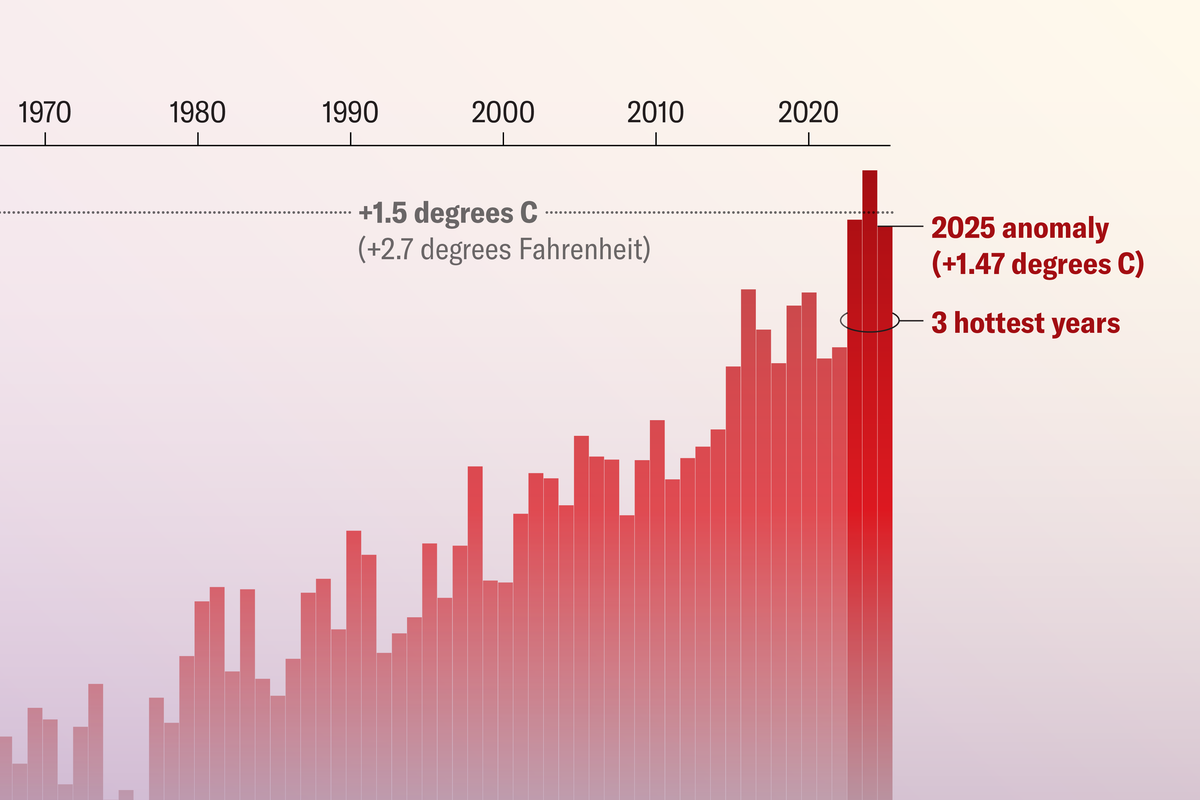
Because the past three years have shattered temperature records, researchers have been exploring whether global warming is accelerating, and if so, why. Many scientists agree that the rate at which it is increasing has picked up. This is mainly because of a reduction in air pollution following the introduction of fuel regulations for international shipping (which has resulted in fewer pollutant particles that reflect sunlight into space and seed insulating clouds).
The company's agreement with TerraPower will fund the development of two new reactors capable of delivering up to 690 megawatts of power as early as 2032. The deal also gives Meta rights to energy from six other reactors that could deliver an additional 2.1 gigawatts by 2035. All this power would come from TerraPower's "Natrium" reactors, which use sodium instead of water as a coolant.
The UN-run market allows companies and countries to offset their excess emissions by financing projects that cut greenhouse gases in other nations. The new initiative involves a clean cooking project in Myanmar, which distributes efficient cookstoves that reduce pressure on local forests. Implemented in partnership with a South Korean company, the project will generate credits that will count towards the climate targets of South Korea and Myanmar.
Most Americans now accept the basic physics of climate change-that manmade greenhouse-gas emissions are raising global temperatures. Yet the public discussion of climate change is still remarkably broken in the United States. Leaders of one political party frame climate change as an existential emergency that threatens human life and prosperity. Leaders of the other dismiss it as a distraction from economic growth and energy security. Economists like me, trained to think about trade-offs,
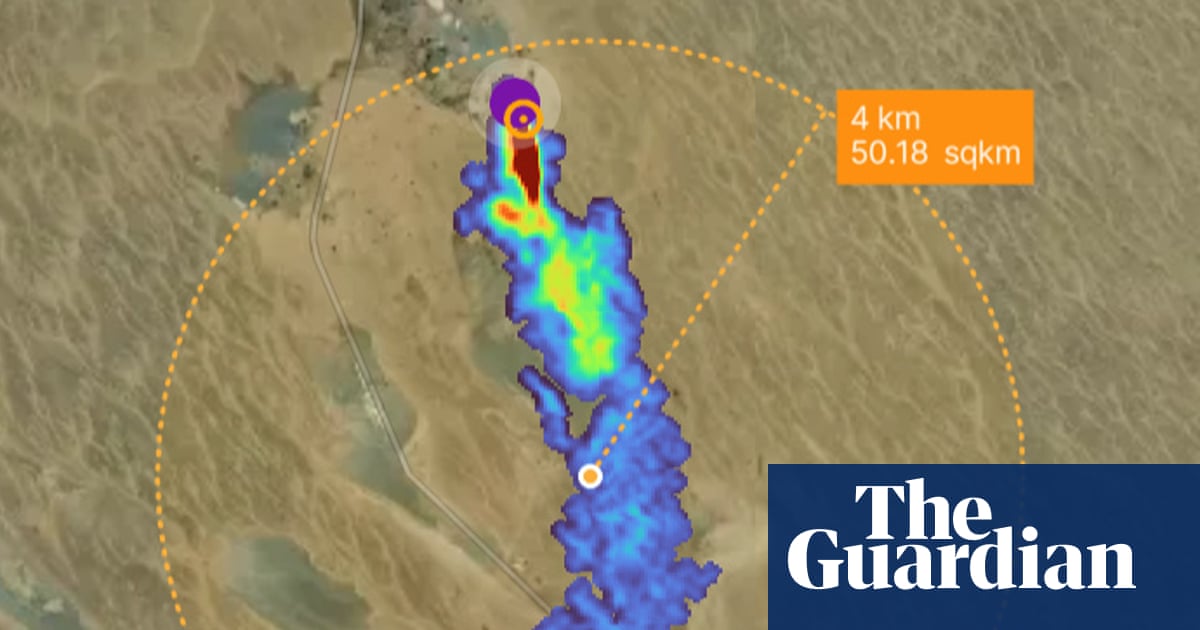
The remaining question, though, was where all this methane was coming from in the first place. Throughout the pandemic, there was speculation that the surge might be caused by super-emitter events in the oil and gas sector, or perhaps a lack of maintenance on leaky infrastructure during lockdowns. But the new research suggests that the source of these emissions was not what many expected. The microbial surge
Last year, the nonprofit Climate Central launched an online database to track the most costly weather- and climate-related disasters across the country. The effort was led by the same lead scientist who tracked those costs for the National Oceanic and Atmospheric Administration-until the Trump administration axed the project in May. In 2025, the US experienced 23 such disasters with costs totaling at least $1 billion, for a total of $115 billion, Climate Central concluded.
When the category-5 storm Hurricane Melissa struck Jamaica in October, its path crossed communities that had varying levels of preparedness. Many with maintained coastal protections, upgraded drainage and reliable early-warning systems had power and water restored in days. Others were immobilized for weeks.
US plans to exploit Venezuela's oil reserves could by 2050 consume more than a tenth of the world's remaining carbon budget to limit global heating to 1.5C, according to an exclusive analysis. The calculation highlights how any moves to further exploit the South American nation's oil reserves the largest in the world, at least on paper would put increasing pressure on climate goals, and risk plunging the Earth further into climate catastrophe.
The US is leading a huge global surge in new gas-fired power generation that will cause a major leap in planet-heating emissions, with this record boom driven by the expansion of energy-hungry datacenters to service artificial intelligence, according to a new forecast. This year is set to shatter the annual record for new gas power additions around the world, with planned and under-construction projects earmarked for 2026 set to nearly triple the amount of existing gas capacity, a report by Global Energy Monitor (GEM) found.