#carbon-removal-credits
#carbon-removal-credits
[ follow ]
#climate-change #climate-policy #fossil-fuels #carbon-removal #greenhouse-gas-emissions #biochar #carbon-markets



Environment
fromLondon Business News | Londonlovesbusiness.com
1 week agoWhat decarbonisation means for the unseen machinery of trade - London Business News | Londonlovesbusiness.com
Decarbonisation in shipping relies on improving existing vessels' efficiency through retrofits, maintenance, and performance data rather than solely on new technologies.
#carbon-markets

European startups
fromTNW | Startups-Technology
2 weeks agoHomaio raises 3.6M to bring carbon allowance investing to retail
Homaio democratized Europe's carbon permit market by enabling retail investors to buy EU Allowances through a digital platform, raising €3.6 million in seed funding to expand into energy and electrification markets.
fromExchangewire
2 weeks agoSBTi Approves Adform's Near-Term Science-Based Emissions Reduction Target - ExchangeWire.com
Meaningful climate action cannot happen in a silo. It requires a concerted effort across the entire value chain. By working closely with our partners, we ensure our shared commitment to sustainable ad tech translates into real, measurable impact. This SBTi validation is a testament to that collaboration and perfectly aligns with our core guiding principles: absolute accountability and transparency.
Marketing tech
fromwww.kaltblut-magazine.com
3 weeks agoThe Climate Crisis
At a young age, I learned quickly how oil wealth and power could burn the land while people struggled. I saw heat rise off the streets, the Nile strained, and the air thickened with injustice. In my teenage years, through Aotearoa, being on the edge of the Pacific, I felt the ocean breathing heavy, swallowing the shores of islands that have done the least to cause this harm.
Photography
Marketing tech
fromThedrum
2 weeks agoBlis announces SBTi's approval for its near-term target for carbon reduction to help drive sustainability across the industry
Blis' carbon reduction target of 42% by 2030 has been validated by the Science Based Targets initiative, and the company integrated Scope3 emissions data to enable media buyers to measure and optimize campaigns for sustainability.
fromArs Technica
2 weeks agoEmerging legislation would shield polluters from liability for climate change
Dozens of local communities, states, and individuals are suing major oil and gas companies and their trade associations over rising climate costs and for allegedly lying to consumers about climate change risks and solutions. At the same time, some states are enacting or considering laws modeled after the federal Superfund program that would impose retroactive liability on large fossil fuel producers and levy a one-time charge on them to help fund climate adaptation and resiliency measures.
Environment
fromThe Nation
3 weeks agoA World on Fire Needs More Climate Reporting-Not Less
Covering Climate Now was formed in 2019 in response to the climate silence that then prevailed in much of the press, especially in the United States. Over the years that followed, hundreds of newsrooms joined our effort, and press coverage of the story began to reflect the scale of the crisis. Newsrooms beefed up their climate reporting teams; they confronted misinformation that sought to play down the problem; they thought creatively about how to find the climate connection on every beat.
Environment
fromNature
1 month agoThe world is getting hotter faster - its pace nearly doubled in the past decade
Because the past three years have shattered temperature records, researchers have been exploring whether global warming is accelerating, and if so, why. Many scientists agree that the rate at which it is increasing has picked up. This is mainly because of a reduction in air pollution following the introduction of fuel regulations for international shipping (which has resulted in fewer pollutant particles that reflect sunlight into space and seed insulating clouds).
Environment
Environment
fromMail Online
4 weeks agoGlobal warming has accelerated significantly since 2015, study reveals
Global warming has accelerated to 0.35°C per decade over the past 10 years, double the 1970-2015 rate, threatening to exceed the 1.5°C Paris Agreement limit before 2030 without urgent CO2 emission reductions.
fromwww.theguardian.com
1 month agoClaims that AI can help fix climate dismissed as greenwashing
Tech companies are conflating traditional artificial intelligence with generative AI when claiming the energy-hungry technology could help avert climate breakdown, according to a report. Most claims that AI can help avert climate breakdown refer to machine learning and not the energy-hungry chatbots and image generation tools driving the sector's explosive growth of gas-guzzling datacentres, the analysis of 154 statements found.
Artificial intelligence
fromwww.theguardian.com
1 month agoDaunting but doable': Europe urged to prepare for 3C of global heating
as the EU's climate advisory board urges countries to prepare for a catastrophic 3C of global heating. Maarten van Aalst, a member of the European Scientific Advisory Board on Climate Change (ESABCC), said the continent was already paying a price for its lack of preparation but that adapting to a hotter future was in part common-sense and low-hanging fruit. It is a daunting task, but at the same time
Europe politics
fromFast Company
1 month agoThis venture capital firm believes investing in climate is 'Obvious'-and just raised another $360 million to prove it
When Obvious Ventures launched 12 years ago with a focus on "world positive" companies, the idea was a contrarian bet: that startups tackling climate, health, and economic resilience could deliver big returns, not just feel-good impact. Founded by Twitter cofounder Ev Williams and others, the firm backed companies like Beyond Meat, the AI drug discovery company Recursion Pharmaceuticals, and Diamond Foundry, which makes sustainable lab-grown diamonds.
Venture
fromwww.aljazeera.com
1 month agoUN approves first carbon credits under Paris Agreement market mechanism
The UN-run market allows companies and countries to offset their excess emissions by financing projects that cut greenhouse gases in other nations. The new initiative involves a clean cooking project in Myanmar, which distributes efficient cookstoves that reduce pressure on local forests. Implemented in partnership with a South Korean company, the project will generate credits that will count towards the climate targets of South Korea and Myanmar.
Environment
Environment
fromLondon Business News | Londonlovesbusiness.com
1 month agoHow to reduce carbon emissions from business heating - London Business News | Londonlovesbusiness.com
Choosing efficient heating, improving insulation, monitoring energy use, and switching to low-carbon technologies reduces costs and carbon without disrupting operations.



fromArs Technica
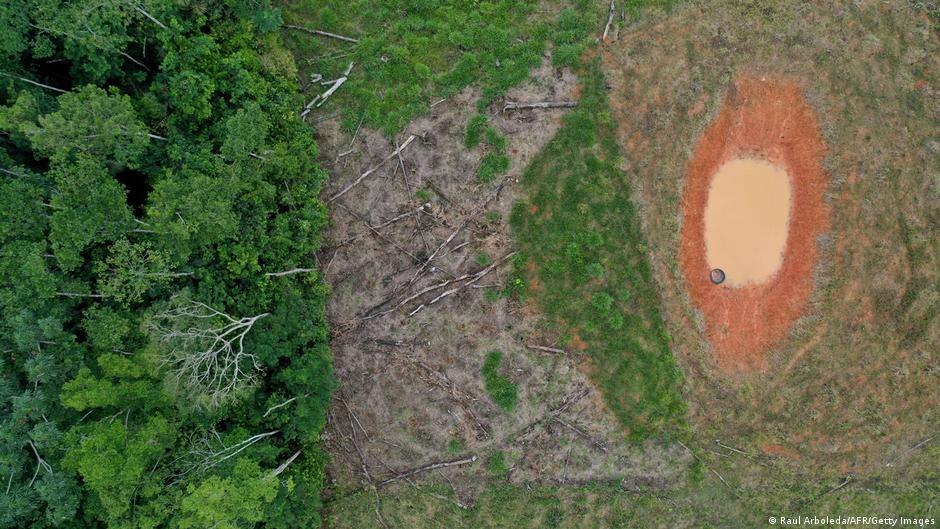
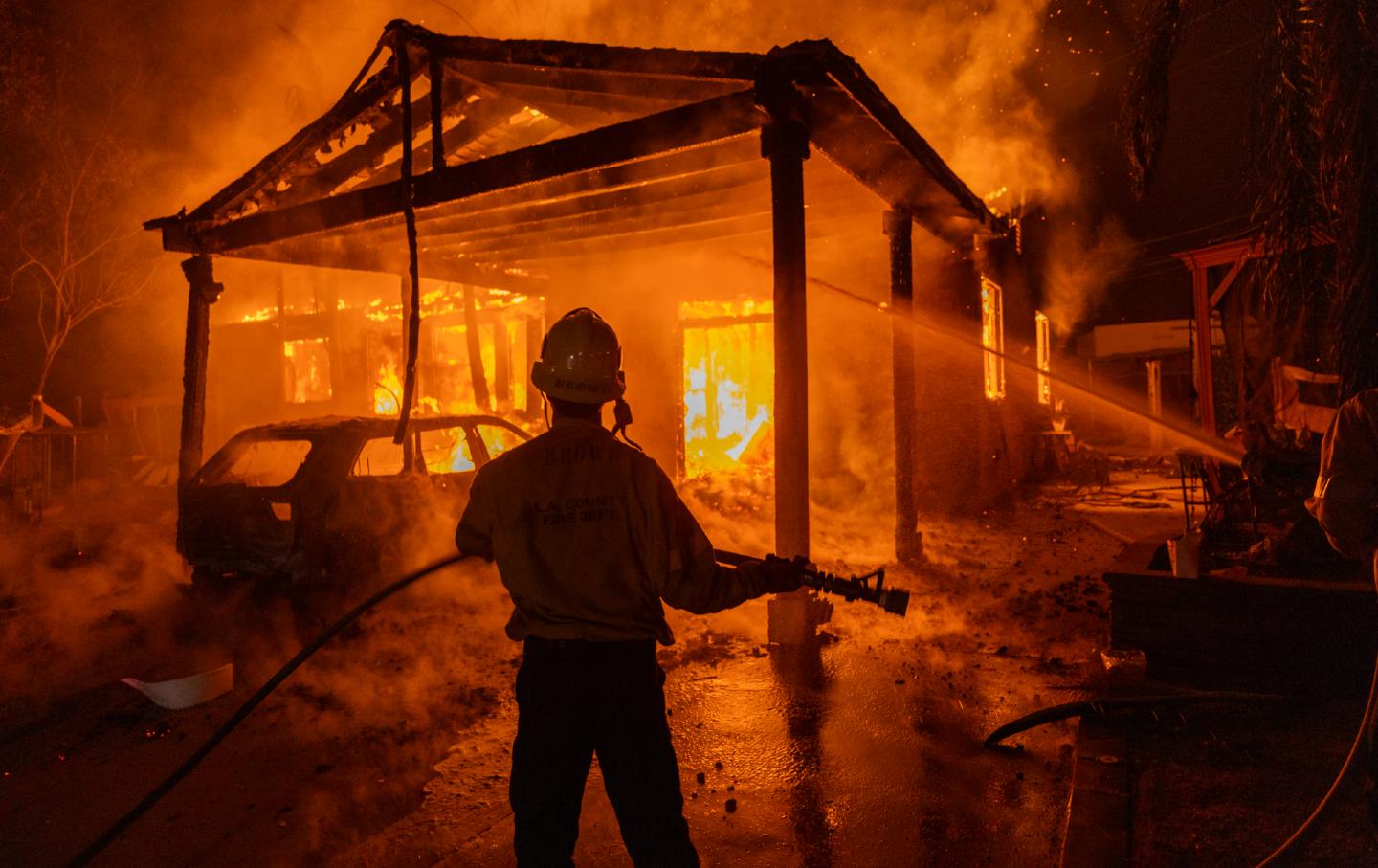
2 months agoStates want to tax fossil fuel companies to create climate change superfunds
Last year, the nonprofit Climate Central launched an online database to track the most costly weather- and climate-related disasters across the country. The effort was led by the same lead scientist who tracked those costs for the National Oceanic and Atmospheric Administration-until the Trump administration axed the project in May. In 2025, the US experienced 23 such disasters with costs totaling at least $1 billion, for a total of $115 billion, Climate Central concluded.
Environment
fromNature
2 months agoTo improve resilience to climate change, track what endures
When the category-5 storm Hurricane Melissa struck Jamaica in October, its path crossed communities that had varying levels of preparedness. Many with maintained coastal protections, upgraded drainage and reliable early-warning systems had power and water restored in days. Others were immobilized for weeks.
Environment
Environment
fromEarth911
2 months agoGuest Idea: Climate Risk Has Become A Defining Economic Issue
Climate-driven financial risks threaten housing and public budgets while large-scale clean-energy and durable carbon-removal investments (geothermal, biochar, novel hydrogen) accelerate to build resilience.

fromwww.dw.com
2 months agoHow clean energy could save us trillions DW 01/07/2026
In the rolling hills of southeast Queensland, Australia, farmer and businessman Brent Finlay stands beneath turbines so tall they rival skyscrapers. "There's a lift inside that takes about 12 minutes to go from the bottom to the top," he said, pointing skyward. Forty-five of the giant turbines that now dot his property are part of the massive MacIntyre Wind Farm which will soon generate enough electricity to power 700,000 homes.
Environment
Environment
fromGlobal IP & Technology Law Blog
1 month agoGreenhushing: The Indirect Consequence of the Crackdown on Greenwashing?
Regulators increasingly enforce against vague or unsubstantiated environmental claims; advertisers must provide clear, high-level substantiation for "green" or "sustainable" statements.
Environment
fromwww.theguardian.com
2 months agoGermany's dying forests are losing their ability to absorb CO2. Can a new way of planting save them?
Bark beetle outbreaks, fueled by drought and heat, have devastated spruce monocultures in the Harz, prompting mixed-species replanting to increase forest resilience.
[ Load more ]