#carbon-sinks
#carbon-sinks
[ follow ]
#climate-change #global-warming #biodiversity #greenhouse-gases #temperature-records #sustainability







Environment
fromwww.theguardian.com
2 days agoIf they pollute our rivers, what will become of us?': the town divided between hope and fear in Brazil's Amazon oil rush
Oiapoque, Brazil, is poised for development through oil production, raising concerns about environmental impacts and Indigenous rights amid a global energy transition.
fromFast Company
3 days agoSee it: Air temperatures and pollution around the world are captured in real time in these animated weather maps
We created Earth in Action to provide a lens into what's happening on our planet, as it happens. Whether it's something typical, like the current air temperature, or an extreme event like a major dust storm, we wanted to provide an opportunity for people to see them.
OMG science
fromwww.kaltblut-magazine.com
3 weeks agoThe Climate Crisis
At a young age, I learned quickly how oil wealth and power could burn the land while people struggled. I saw heat rise off the streets, the Nile strained, and the air thickened with injustice. In my teenage years, through Aotearoa, being on the edge of the Pacific, I felt the ocean breathing heavy, swallowing the shores of islands that have done the least to cause this harm.
Photography
fromwww.theguardian.com
4 weeks agoHow UK cuts to climate finance could bankrupt ecosystems at home and abroad
Last year the JIC produced a hard-hitting report which found the collapse of globally important ecosystems around the world including the potential shift of the Amazon from rainforest to savannah, the demise of coral reefs, and the loss of glaciers would threaten the UK's national security, through food shortages at home and the potential for conflict overseas.
UK news
fromMail Online
4 days agoBritain has just 20 years to save its wildlife, experts warn
'Our results show that the next 20 years are critical,' lead author Dr Rob Cooke told the Daily Mail. 'By around 2050, we reach a point where the choices we make on emissions and land use will largely determine whether Britain moves towards a much more degraded or a much more nature‑positive future.'
Environment
fromwww.theguardian.com
1 month agoExtreme heat lab: enduring the climate of the future
"So whenever people think about hot weather, they always talk about the temperature," he says. "There's two issues with that. First of all, most people don't realise that the temperature is measured in the shade. So if you're in direct solar radiation, the amount of heat stress you're exposed to is much greater as it will stress your body out a lot more."
Public health
Environment
fromwww.theguardian.com
2 weeks agoRevealed: the world's worst mega-leaks of methane driving global heating
Satellite analysis reveals dozens of massive methane leaks from oil, gas, and landfill facilities worldwide in 2025, primarily in Turkmenistan, with most leaks preventable through simple maintenance or fixable at no cost since captured methane can be sold.
fromThe Atlantic
1 month agoThe Blind Spot at the Top of the World
He had flown in from Mar-a-Lago and, he told me, was there to observe. The next day, he watched as Åsa Rennermalm, a Rutgers University professor who studies polar regions, sat onstage with European foreign ministers and spoke out against cuts to U.S. science funding. "A leading US Arctic scientist is on stage absolutely ripping her country to the delight of the audience," Dans wrote on X. "Embarassing." He punctuated his post with an American-flag emoji.
US politics
fromThe Nation
3 weeks agoA World on Fire Needs More Climate Reporting-Not Less
Covering Climate Now was formed in 2019 in response to the climate silence that then prevailed in much of the press, especially in the United States. Over the years that followed, hundreds of newsrooms joined our effort, and press coverage of the story began to reflect the scale of the crisis. Newsrooms beefed up their climate reporting teams; they confronted misinformation that sought to play down the problem; they thought creatively about how to find the climate connection on every beat.
Environment
Environment
fromState of the Planet
3 weeks agoAntarctica Undergoes 'Greenlandification' As Ice Melt Accelerates
Antarctica's ice sheet is undergoing rapid destabilization similar to Greenland's, with accelerating surface melt, ice shelf collapse, and grounding line retreat driven by oceanic and atmospheric warming.
fromState of the Planet
2 months agoSea Levels Are Rising-But in Greenland, They Will Fall
That seemingly paradoxical dynamic results from several factors. Foremost among them is the rebound of land beneath the Greenland Ice Sheet, a mile-thick body of glacial ice that covers 80 percent of the island and is being lost to melting at a rate of roughly 200 billion tons each year. As the ice sheet loses mass, the land beneath rises.
Science
Environment
fromMail Online
4 weeks agoGlobal warming has accelerated significantly since 2015, study reveals
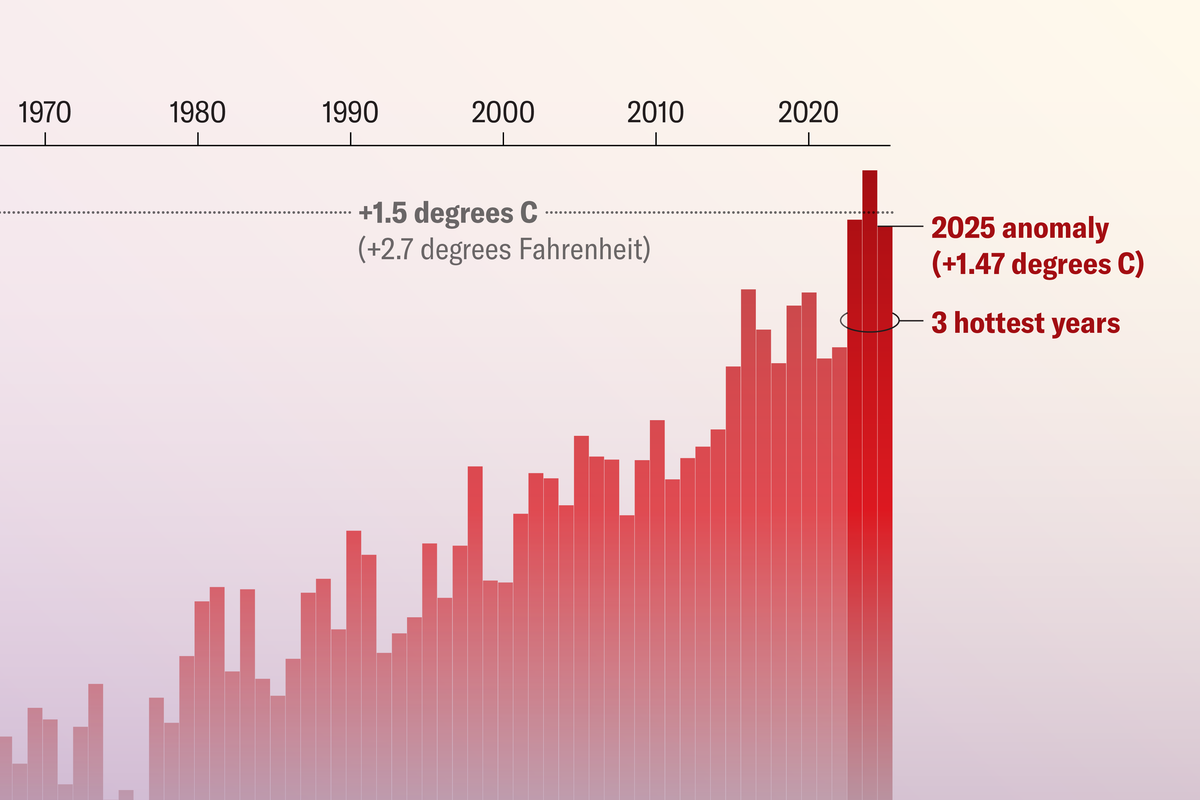
Global warming has accelerated to 0.35°C per decade over the past 10 years, double the 1970-2015 rate, threatening to exceed the 1.5°C Paris Agreement limit before 2030 without urgent CO2 emission reductions.
fromwww.aljazeera.com
1 month agoUN approves first carbon credits under Paris Agreement market mechanism
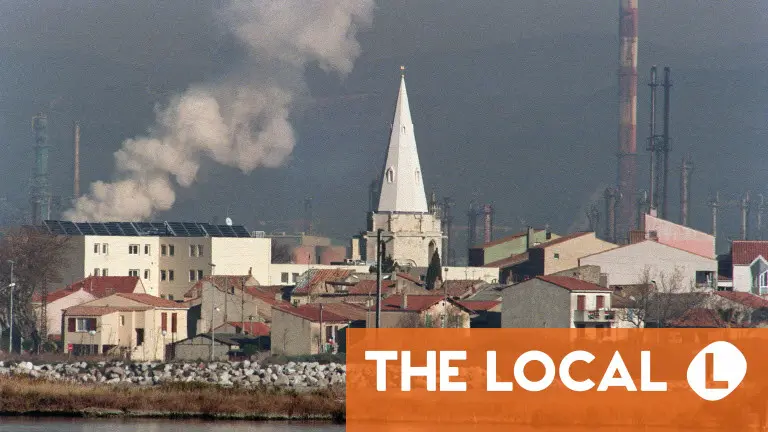
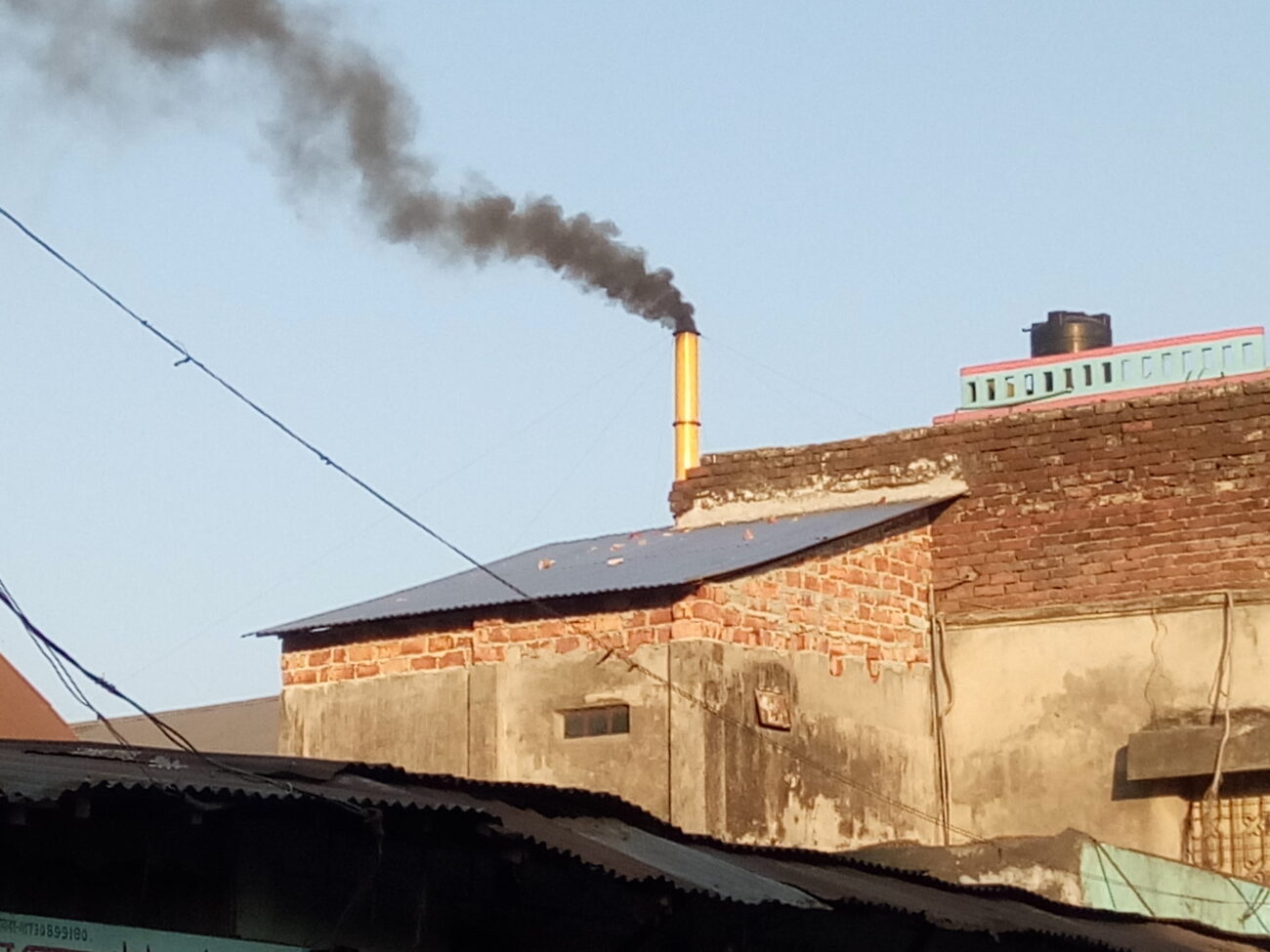
The UN-run market allows companies and countries to offset their excess emissions by financing projects that cut greenhouse gases in other nations. The new initiative involves a clean cooking project in Myanmar, which distributes efficient cookstoves that reduce pressure on local forests. Implemented in partnership with a South Korean company, the project will generate credits that will count towards the climate targets of South Korea and Myanmar.
Environment
Environment
fromLondon Business News | Londonlovesbusiness.com
1 month agoHow to reduce carbon emissions from business heating - London Business News | Londonlovesbusiness.com
Choosing efficient heating, improving insulation, monitoring energy use, and switching to low-carbon technologies reduces costs and carbon without disrupting operations.
fromEarth911
2 months agoBest of Sustainability In Your Ear: Carbonfuture is Building the Trust Infrastructure for Carbon Removal
But as this nascent field grapples with questions of legitimacy, scalability, and accountability, a critical challenge remains: How do we build the infrastructure needed to track, verify, and certify that carbon has actually been removed and stays removed? Meet Hannes Junginger-Gestrich, CEO of Carbonfuture, a company helping define the monitoring, reporting, and verification (MRV) infrastructure that could transform carbon removal from scattered efforts into a functioning ecosystem.
Environment
fromNature
2 months agoTo improve resilience to climate change, track what endures
When the category-5 storm Hurricane Melissa struck Jamaica in October, its path crossed communities that had varying levels of preparedness. Many with maintained coastal protections, upgraded drainage and reliable early-warning systems had power and water restored in days. Others were immobilized for weeks.
Environment



fromwww.dw.com
2 months agoThe business of saving nature
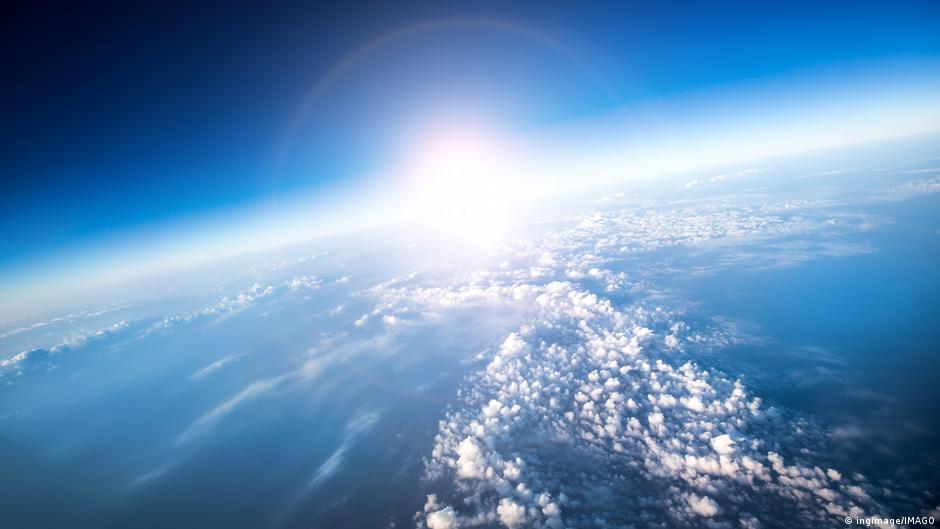
The world spends 30 times more money destroying nature than protecting it. That's according to a new report from the United Nations Environment Programme (UNEP) that exposes a massive gulf between so-called "harmful investments" and financing that promotes nature preservation. The global environment agency's latest "State of Finance for Nature" (SNF) report is calling to phase out the US$7.3 trillion (6.2 trillion) in global investments that damage nature including into high-emissions energy infrastructure and manufacturing, for example.
Environment
fromwww.theguardian.com
2 months agoSome want to ban geoengineering research. This would be a catastrophic mistake for our planet | Craig Segall and Baroness Bryony Worthington
A few months ago, Marjorie Taylor Greene, then a Georgia representative, held a hearing on her bill to ban research on geoengineering, which refers to technological climate interventions, such as using reflective particles to reflect away sunlight. The hearing represented something of a first a Republican raising alarm bells about human activity altering the health of the planet. Of course, for centuries, people have burned fossil fuels to power and feed society, emitting greenhouse gases that now overheat the planet.
Environment
fromThe Atlantic
2 months agoThe Climate Question That Economists Cannot Answer
Most Americans now accept the basic physics of climate change-that manmade greenhouse-gas emissions are raising global temperatures. Yet the public discussion of climate change is still remarkably broken in the United States. Leaders of one political party frame climate change as an existential emergency that threatens human life and prosperity. Leaders of the other dismiss it as a distraction from economic growth and energy security. Economists like me, trained to think about trade-offs,
Environment
fromFuturism
2 months agoScientists Scramble to Set Up Outpost on Rapidly Melting Glacier
During a rare break in the weather, the NYT says helicopters airlifted the researchers and their equipment 19 miles to their planned outpost site on top of the glacier. The two helicopters involved flew a dozen total loads of cargo from the icebreaker ship to the camp site, while glacial scientists and engineers erected a small tent city, complete with bathrooms, generators, and a mess hall.
Environment
[ Load more ]