#carcinogenic-emissions
#carcinogenic-emissions
[ follow ]
#air-pollution #public-health #air-quality #pm25 #epa #environmental-justice #pollution #health-risks




fromFast Company
4 days agoSee it: Air temperatures and pollution around the world are captured in real time in these animated weather maps
We created Earth in Action to provide a lens into what's happening on our planet, as it happens. Whether it's something typical, like the current air temperature, or an extreme event like a major dust storm, we wanted to provide an opportunity for people to see them.
OMG science

NYC politics
fromwww.amny.com
6 days agoA moral injury': City sued over not releasing information on Lower Manhattan air quality danger after 9/11 attack | amNewYork
Advocates are suing New York City for transparency regarding air quality information post-9/11 to seek accountability and answers, not compensation.

fromTODAY.com
3 days agoThese Are the 2 Most Dangerous Home Cleaning Products to Have Around Kids, New Research Shows
"What surprised me is we are still seeing so many visits to emergency departments associated with very common household cleaning products," Lara McKenzie, Ph.D., stated, emphasizing the ongoing issue despite safety advancements.
Public health
#microplastics

OMG science
fromFuturism
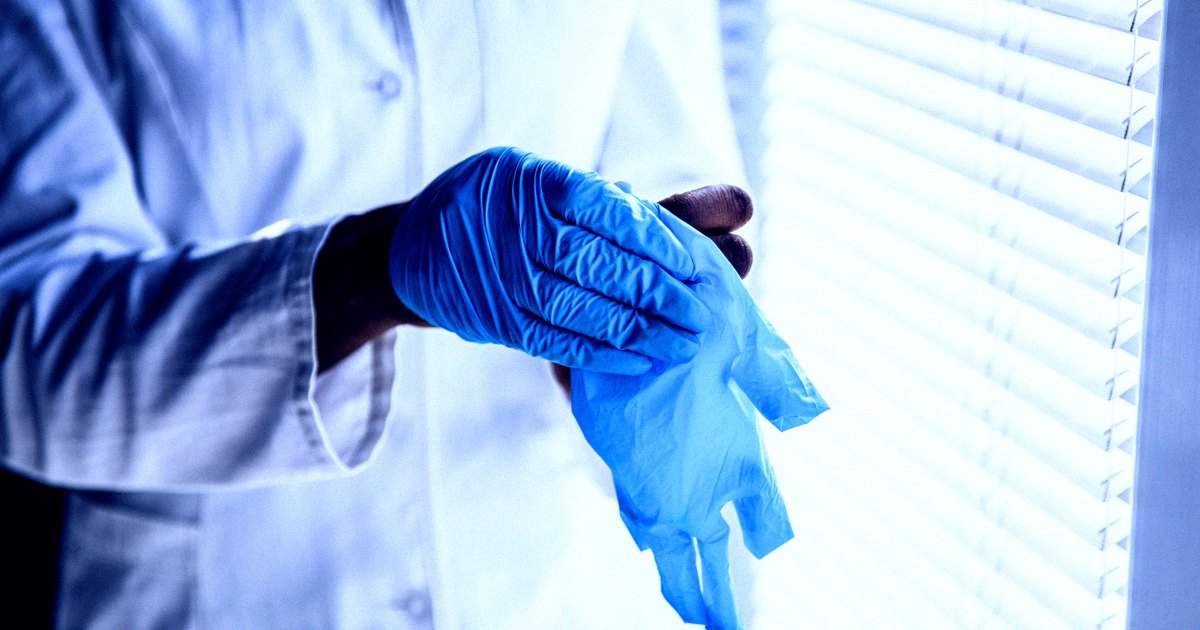
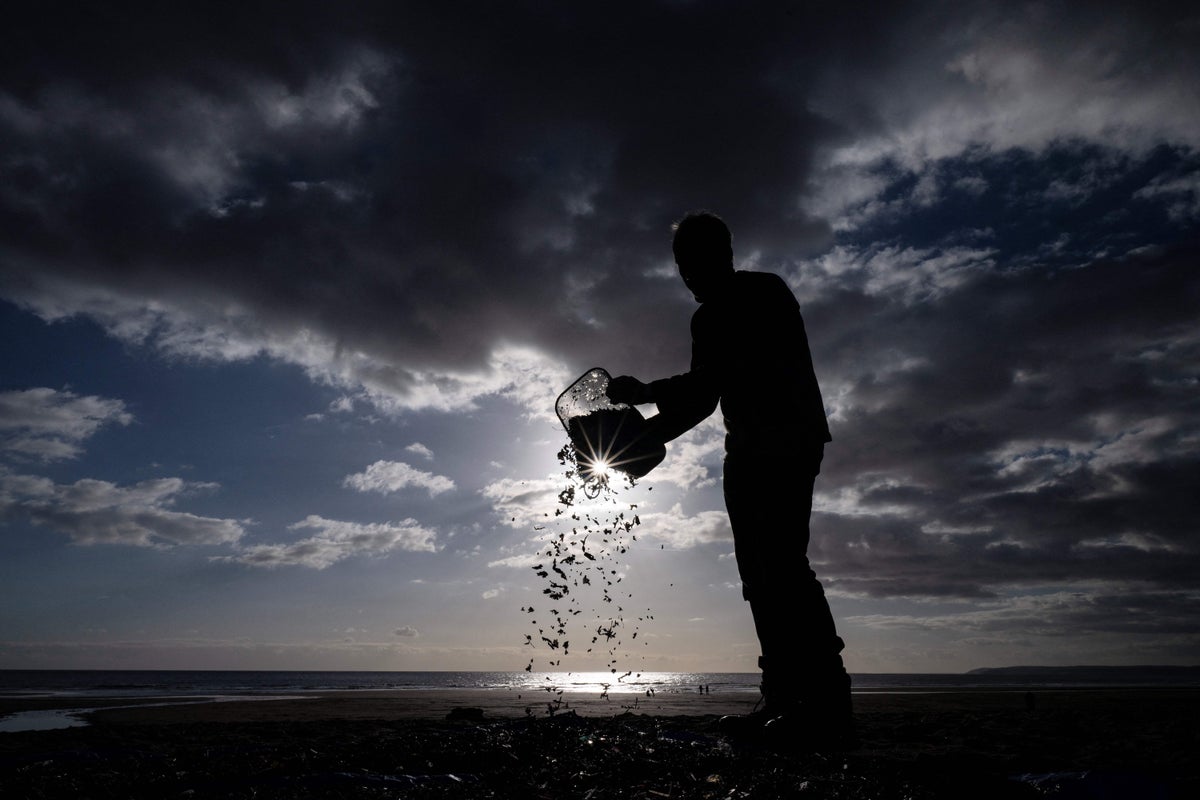
5 days agoYou Know How Scientists Keep Finding Microplastics Literally Everywhere? Well, You'd Never Guess What Their Lab Gloves Are Coated in Straight Out of the Packaging
Skepticism grows in the scientific community regarding microplastics research due to potential methodological errors and contamination issues.
fromwww.theguardian.com
3 days agoThe dark side of the balloon boom is it time they were banned?
In 2019, scientists found that balloons eaten by seabirds are more likely to kill them than other kinds of plastic yet they do not seem to have been earmarked in the same way as, for example, plastic straws.
Public health
Health
fromwww.theguardian.com
2 weeks agoReduced physical activity due to global heating will lead to rise in health issues, study says
Rising temperatures reduce physical activity globally, with each month above 27.8°C increasing inactivity by 1.5 percentage points, projecting half a million additional premature deaths annually by 2050.
Boston real estate
fromCity Limits
3 weeks agoNYCHA Residents Say Nearby Industrial Site is Covering Their Homes in Dust
A construction debris recycling facility in Far Rockaway creates dust pollution affecting nearby public housing residents, who invoke a 2023 state environmental justice law to oppose the facility's permit renewal.
Environment
fromJezebel
3 weeks agoImagine If the Trump EPA Cared Enough to REDUCE Our Daily Exposure to Carcinogens
The EPA has shifted from environmental protection to facilitating increased carcinogen emissions, including weakening ethylene oxide regulations despite evidence of severe health risks to children.
Environment
fromNature
3 weeks ago'Black rain' in Tehran - what are the health effects?
Missile strikes on Iranian oil facilities released toxic chemicals into the atmosphere, creating black acid rain containing harmful hydrocarbons, sulfur oxides, and nitrogen compounds that pose serious health risks.
Public health
fromMetro Silicon Valley | Silicon Valley's Leading Weekly
2 weeks agoSilicosis Epidemic in California Leads to New Worker Safety Law
Engineered stone fabrication workers face a silicosis epidemic in California, with 29 deaths and hundreds sickened, prompting the state's first-in-nation protective law effective January 1.
Environment
fromTruthout
4 weeks agoHouse Bill Could Weaken EPA Oversight of Hazardous Chemicals
House conservatives propose rolling back 2016 reforms to the Toxic Substances Control Act, weakening EPA authority to regulate hazardous chemicals despite ongoing groundwater contamination cases like Jones Road.
Public health
fromLos Angeles Times
3 weeks agoTrump EPA moves to roll back recent limits on ethyene oxide, a carcinogen
The EPA proposes rolling back Biden-era ethylene oxide emission limits, citing $630 million in cost savings for medical sterilization facilities while environmental groups warn of increased cancer risks to nearby communities.
Public health
fromwww.theguardian.com
3 weeks agoTrump policies set to increase rates of lung disease and death, study finds
Trump administration policies across healthcare, environment, workplace, and vaccines are projected to significantly increase lung disease rates and premature deaths among Americans.


Environment
fromwww.theguardian.com
1 month agoThousands of pollution incidents in England downgraded without site visit, data suggests
Environment Agency staff downgraded 98% of 2,778 serious water pollution incidents reported in 2024 without site visits, representing a 1,500% increase in downgrades since 2021.
fromSilicon Canals
2 months agoWhy your house is dustier than your neighbor's and the airflow mistake causing it - Silicon Canals
I was that person who only changed their HVAC filter when it looked like it had grown its own ecosystem. Richie Drew, Vice President of Operations at One Hour Heating & Air Conditioning, puts it bluntly: "Dirty filters can reduce airflow, increase dust in your home and strain your heating system." Think about it this way: your HVAC filter is like the bouncer at an exclusive club, except instead of keeping out people without the right shoes, it's blocking dust particles from circulating through your home.
Remodel
fromMail Online
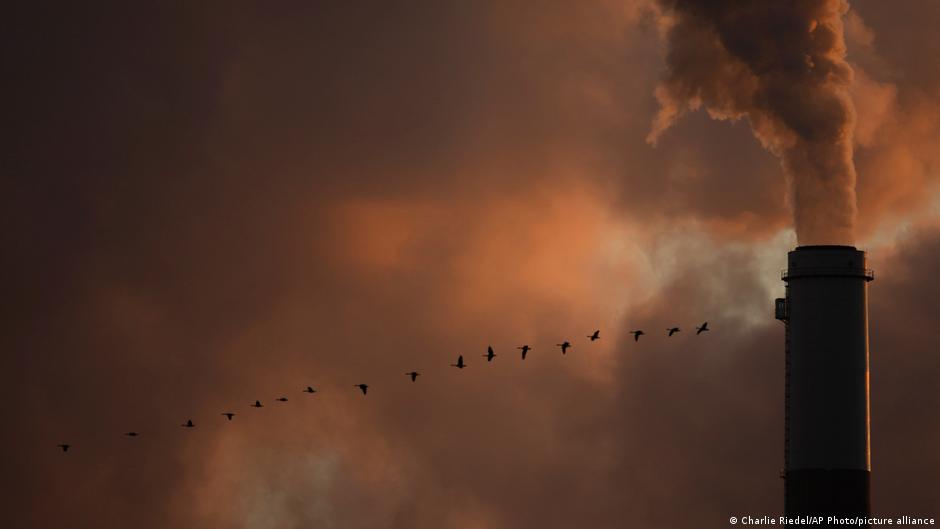
1 month agoUrgent warning to middle-aged MEN over toxic 'forever chemicals'
Midlife is a sensitive biological window where the body becomes more susceptible to age-related stressors, which may explain why this group responds more strongly to chemical exposure. We suspect that men may be at higher risk because the aging markers we analysed are heavily influenced by lifestyle factors such as smoking, which can compound the damaging effects of these pollutants.
Public health

Public health
fromwww.theguardian.com
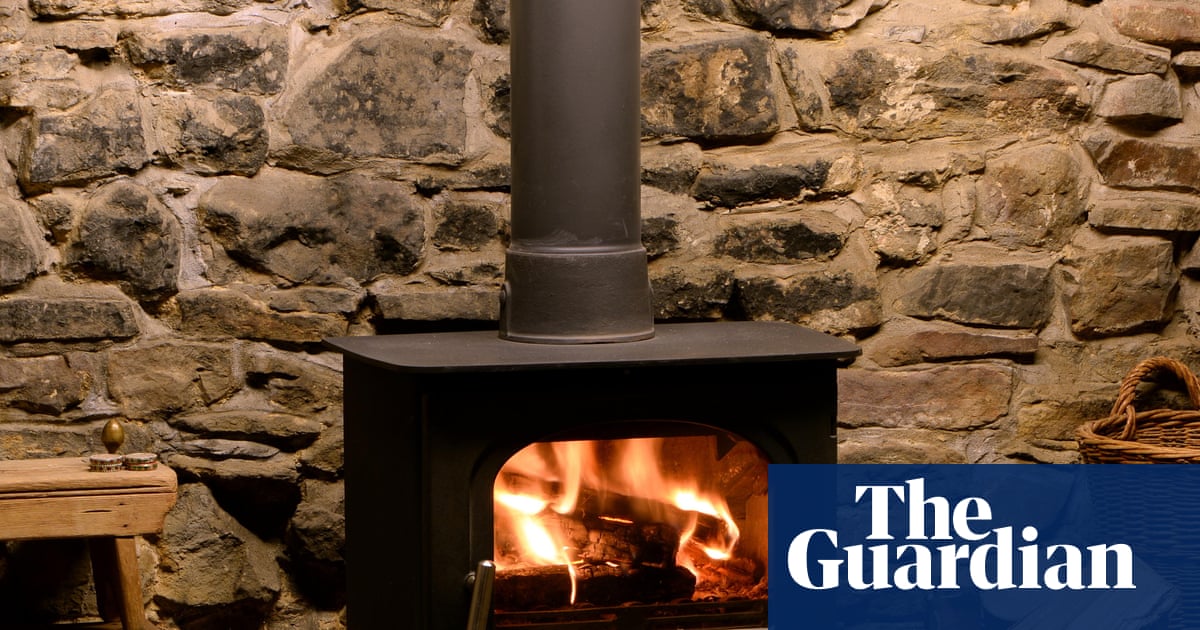
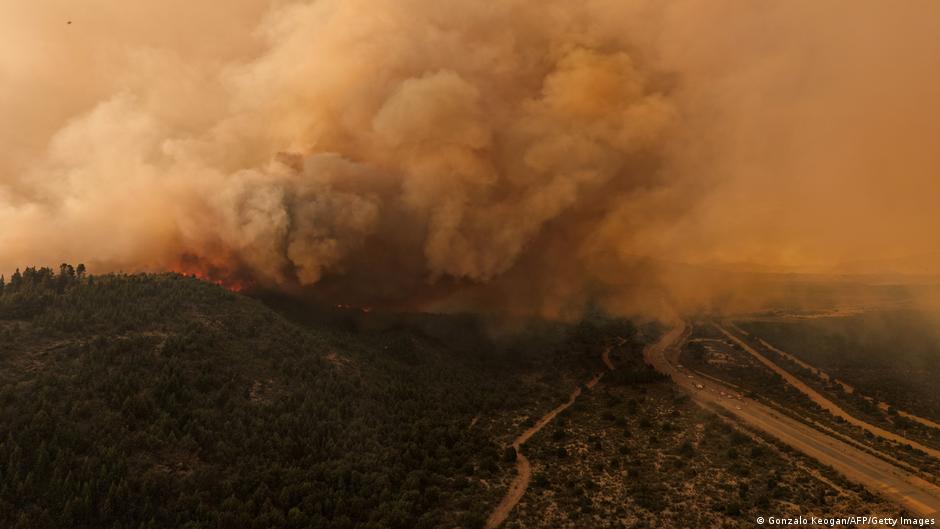
1 month agoWood burning pollution leads to 8,600 premature US deaths a year, study finds
Residential wood burning causes an estimated 8,600 premature US deaths annually and contributes about 21% of wintertime particulate pollution despite only 10% of homes burning wood.
fromwww.dw.com
1 month agoHow mercury from coal plants can cost lives
A potent neurotoxin capable of causing lifelong damage to the lungs, brain, skin and other organs, mercury is strictly regulated worldwide. Children, in particular, can suffer severe developmental impairment when exposed. A trace element that occurs naturally in rocks such as limestone, as well as in coal and crude oil, mercury remains locked underground for millions of years, largely entering the ecological cycle through human activity.
Public health
fromNature
2 months agoMicroplastic levels in the air have been overestimated, but are still a big concern
Many human activities - from improper disposal of waste to the degradation of car tyres - release small plastic particles, which have infiltrated the atmosphere, oceans and other ecosystems. These include nanoplastics - particles measuring less than 1 micrometre across - and microplastics, which range from 1 micrometre to around 5 millimetres. They've entered our bodies and brains, and scientists are still working to understand their effects on people's health.
Environment
fromwww.theguardian.com
2 months agoHousehold burning of plastic waste in developing world is hidden health threat, study shows
The household burning of plastic for heating and cooking is widespread in developing countries, suggests a global study that raises concerns about its health and environmental impacts. The research, published in the journal Nature Communications, surveyed more than 1,000 respondents across 26 countries. One in three people reported being aware of households burning plastic, while 16% said they had burned plastic themselves.
Environment


fromNature
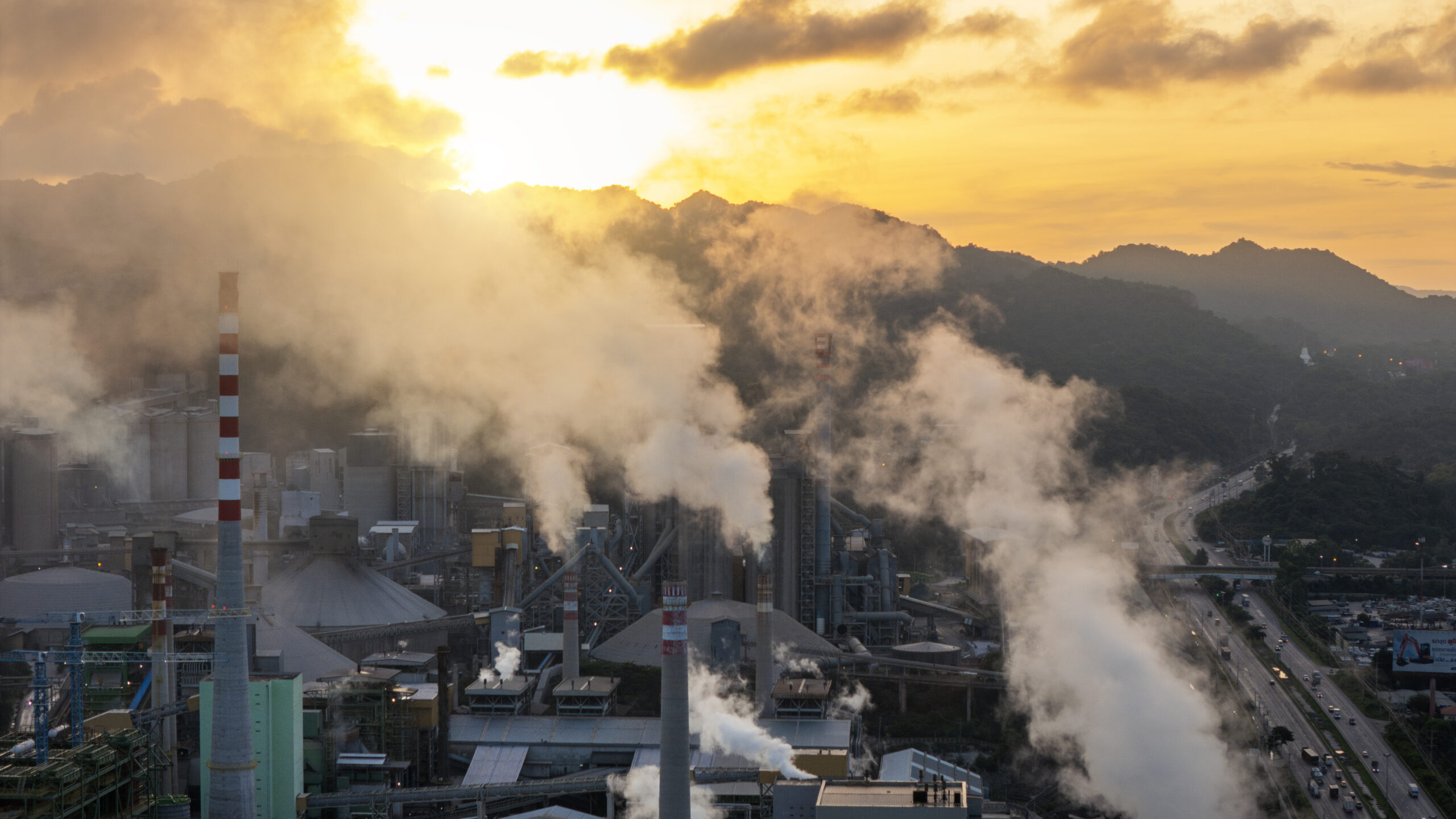
2 months agoExposome studies can improve lung health
The conventional approach to evaluating the impact of air pollution is to focus on a single exposure during a fixed period of time. But evidence suggests that contaminants work together, magnifying the damage to people's lungs. Conventional studies fail to probe synergistic effects. They also ignore the cumulative effects of lifelong exposures to pollutants, known as the exposome. Researchers need to shift away from single-pollutant studies and towards those involving a broad range of exposures.
Public health
fromwww.theguardian.com
1 month agoWood burners may treble children's exposure to pollution in homes, study finds
One thing that stood out was the home environment. This was the largest contributor to children's daily particle pollution exposure more than school or commuting. This was mainly due to indoor sources such as wood burning and indoor smoking. Short peaks in particle pollution were linked to home cooking and secondhand tobacco smoke. Home heating with a fire or stove was linked to longer exposures. In some cases, these persisted overnight in children's bedrooms as fires remained lit or smouldering with poor ventilation.
Public health
Public health
fromwww.standard.co.uk
1 month agoLondon firefighters exposed to toxic chemicals face higher risk of cancer, report warns
London firefighters exposed to toxic substances face higher cancer incidence and abnormal tumour markers than the general population, indicating occupational health risks.
Public health
fromNonprofit Quarterly | Civic News. Empowering Nonprofits. Advancing Justice.
2 months agoThe Polluters Down the Street-EPA Changes Put Lives at Risk | Nonprofit Quarterly | Civic News. Empowering Nonprofits. Advancing Justice.
Air quality monitoring and Clean Air Act regulations have reduced PM2.5, prevented hundreds of thousands of early deaths, and improved average life expectancy.
[ Load more ]