#cattle-welfare
#cattle-welfare
[ follow ]
#livestock-traceability


Canada news
fromRealagriculture
5 days agoCanadian Cattle Association no longer backs traceability changes; will convene task force on disease preparedness
The Canadian Cattle Association opposes proposed amendments to livestock traceability regulations, advocating for a risk-based, industry-led approach instead.
fromDaily Coffee News by Roast Magazine
1 week agoStudy: Social Enterprises Beat Corporate Sustainability in Farmer Well-Being
The study frames each of the models as 'emerging strategies' that can either complement or serve as alternatives to well-known sustainability certification schemes such as Organic, Fairtrade or Rainforest Alliance.
Online Community Development
UK news
fromwww.independent.co.uk
2 weeks agoDog owners now face unlimited fines under new laws aimed at protecting farm animals
The UK implemented stricter livestock protection laws increasing penalties for dog owners from £1,000 to unlimited fines, with police authority to detain dogs suspected of attacking farm animals.
fromRealagriculture
1 week agoGovernment planning to extend tax deferral period for livestock producers affected by bovine tuberculosis events
The proposed amendments would allow affected livestock producers to defer this compensation over a prescribed schedule from 2026 to 2030, providing them with greater flexibility to manage their incomes and sustain their operations as they rebuild their herds.
Agriculture
Arts
fromThe Art Newspaper - International art news and events
3 weeks agoComment | Cow in MSCHF project survives, but should the project have happened at all?
MSCHF's Our Cow Angus project successfully saved a cow from slaughter by selling tokens representing meat and leather products, but failed to generate meaningful discourse on animal rights and consumer ethics.
Food & drink
fromApartment Therapy
3 weeks agoMove Over, Ribeye: The "Incredibly Tender" Beef Cut This Rancher Says to Buy Instead (It's Affordable!)
Sirloin is an underrated, budget-friendly beef cut offering robust flavor and tenderness when cooked properly, typically costing $5-$10 less per pound than premium steaks.
fromMail Online
3 weeks agoWildlife experts urge Brits to keep their distance from HIGHLAND COWS
Please do enjoy walking around the site, but just give them some space. We're asking people to remember that these are not pets - they are conservation grazers doing an important job. Jessica Allam, Senior Wilder Grazing Ranger at Kent Wildlife Trust, emphasizes the need for visitors to respect the animals' boundaries and understand their conservation role.
Environment
fromwww.theguardian.com
1 week agoThe Guardian view on vets: there is nothing cuddly about this under-regulated market | Editorial
The Competition and Markets Authority found that consumers have overpaid roughly £1 billion in veterinary fees over five years, highlighting a significant issue in the market.
Pets
fromwww.archdaily.com
1 month agoGaughar Animal Husbandry / Compartment S4
Set within a 350-acre fruit orchard in Dahanu, Maharashtra, the 'Gaughar' occupies nearly 14 acres of a larger rural campus that includes a tribal school for 600 children and a skill development centre. More than an isolated structure, the gaushala forms part of a living landscape, one shaped by agriculture, learning, and care.
Renovation
Agriculture
fromRealagriculture
2 weeks agoDucks Unlimited contributing 467 acres to Manitoba beef and forage research farm
Ducks Unlimited Canada contributes 467 acres to Manitoba Beef and Forage Initiatives, expanding the Brookdale Research Farm by 42 percent to advance beef production and grassland management research.
Agriculture
fromRealagriculture
2 weeks agoFrom pasture to policy: CYL recognizes mentors shaping next generation of cattle leaders
The Canadian Cattle Young Leaders program pairs 16 annual participants aged 18-35 with industry mentors for nine-month mentorships across diverse beef sector expertise areas.
fromThe Washington Post
1 month agoMeet Fancy, 37, the world's oldest horse - and her lifelong caretaker
She had this very motherly energy, which is weird to say about a horse. I just always felt like she was going to take care of me. The two even had the same birthday, April 1, though Blumer was 8 and the horse - whom she called "Fancy" - was 12.
US news
fromNature
1 month agoThe age of animal experiments is waning. Where will science go next?
Last November, the UK government announced a bold plan to phase out animal testing in some areas of research. Animal tests for skin irritation are scheduled for elimination this year, and some studies on dogs should be slashed by 2030. The long-term vision is 'a world where the use of animals in science is eliminated in all but exceptional circumstances'.
Science
fromRealagriculture
3 weeks agoRuminating with RealAg, Ep 39: Ranch economics, record-keeping, and real-world decisions
Profitability in the cattle business often hinges on understanding the real cost of production, something that can be difficult to pin down when labour, land, and opportunity costs aren't always clearly accounted for.
Agriculture
fromLos Angeles Times
3 weeks agoCommentary: China-backed Big Pork wants to override 63% of California voters. Even conservatives are mad
Swine life on Staples' sustainable family farm is a jarring contrast to the existence of a pig on one of America's "intensive" corporate-owned mega-farms, where some sows are confined to cages so small they literally can't turn around or take more than a step or two in any direction.
Agriculture
fromwww.dw.com
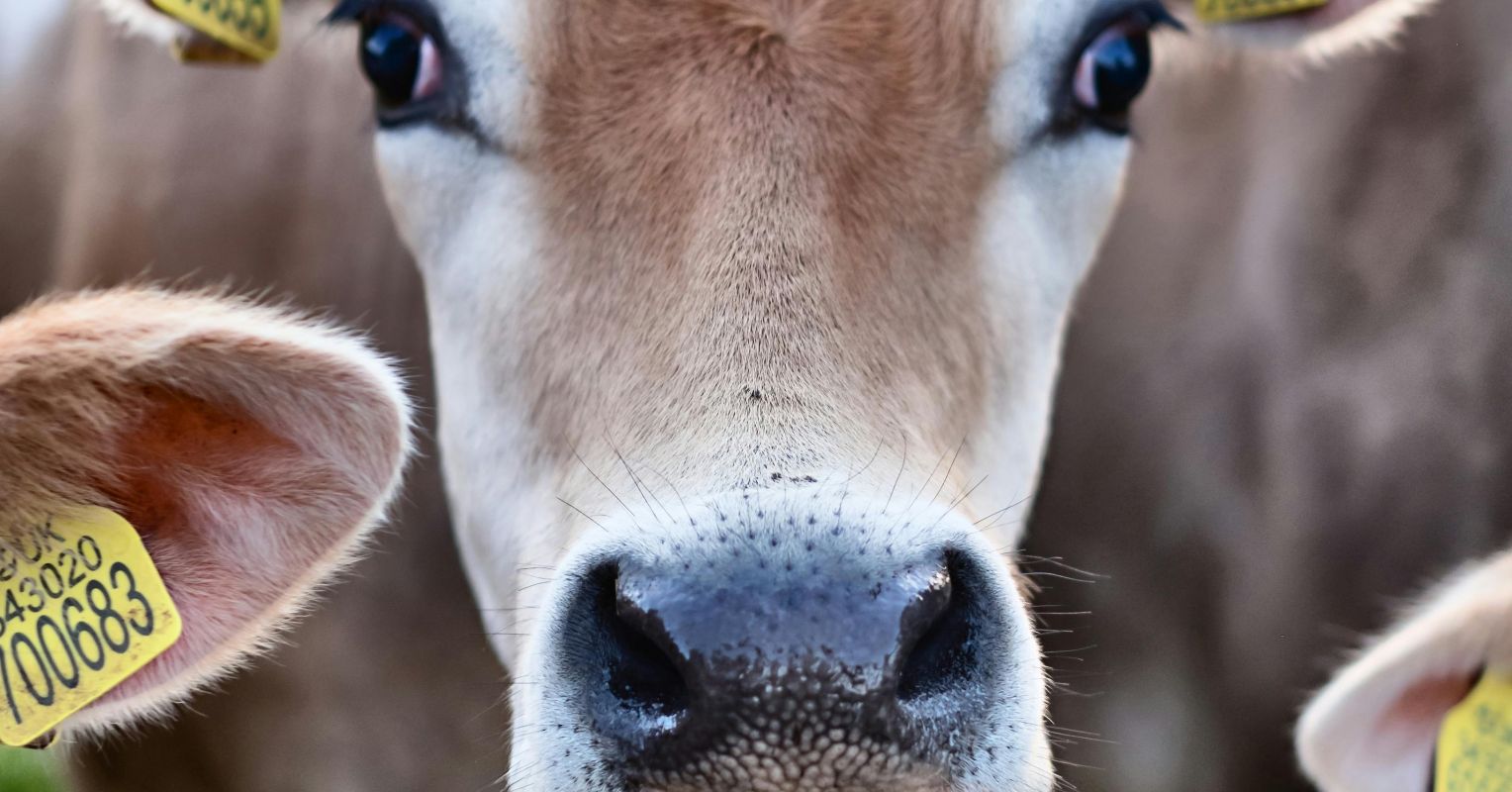
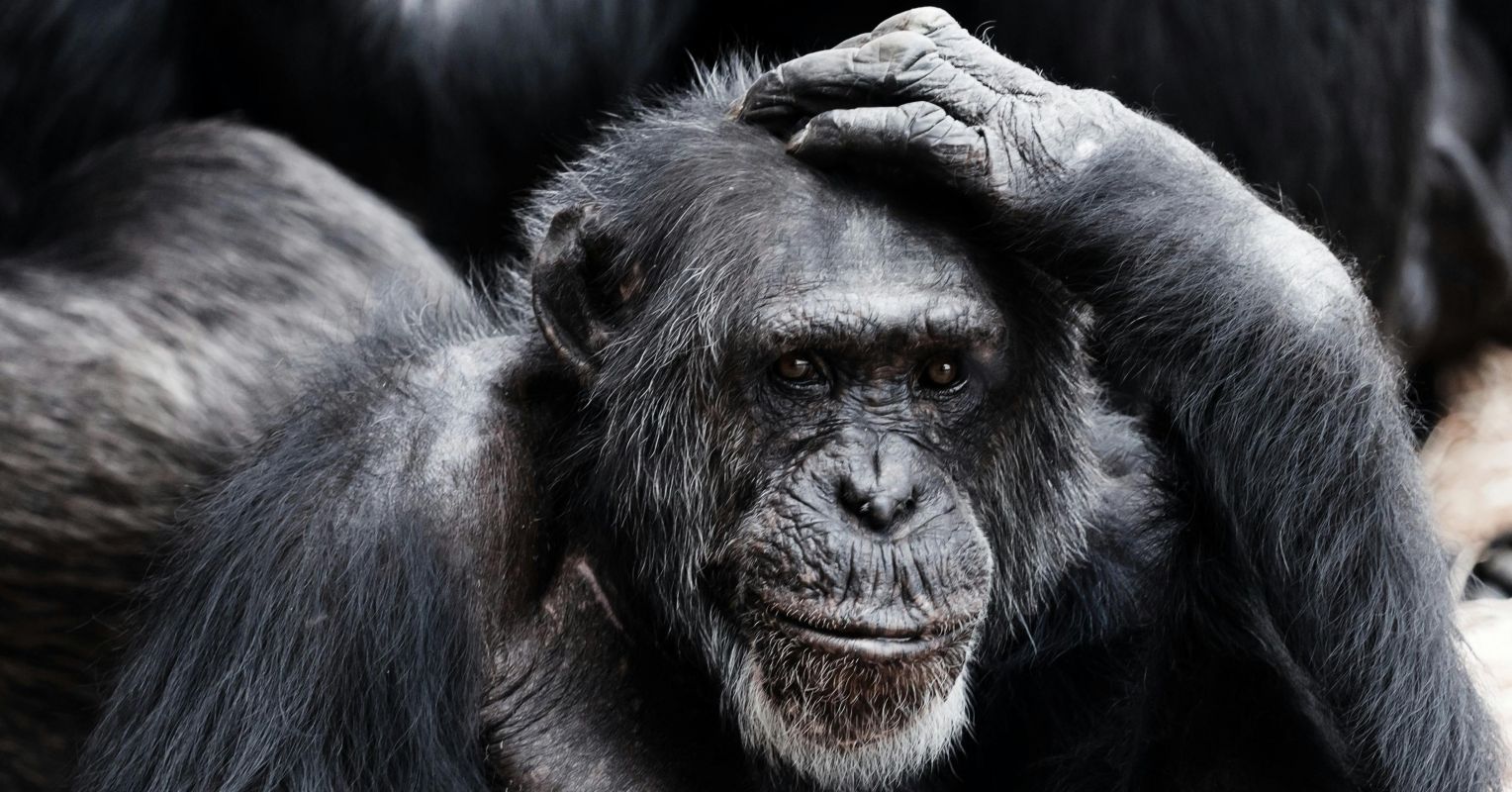
2 months agoHoly cow! Cattle may be a lot smarter than we thought
The 13-year-old Swiss Brown cow lives in the village of Notsch at the foot of the Carinthia mountains in southern Austria. She's kept as a pet by a local farmer, and can roam her meadow to her heart's delight. Like many other pets, she likes to have her back scratched. If no friendly humans are around to do the job, that's not a problem Veronika uses a brush or stick to do it herself.
Science
fromPsychology Today
1 month agoWhat Is Meat? It's Probably Not What You Thought
I'm thrilled I did, and my learning curve was vertical in this page-turning work that "offers a hopeful and rigorously researched exploration of how science, policy, and industry can work together to satisfy the world's soaring demand for meat, while building a healthier and more sustainable world." There is nothing "radical" about what likely will become a classic, one that is already endorsed by experts in global hunger, global health, climate change, and food security.
Food & drink
Arts
fromThe Art Newspaper - International art news and events
2 months agoThe final cow-tdown: buyers of MSCHF's controversial bovine project will decide animal's fate
MSCHF presells a calf as 1,200 burgers and four leather bags, letting buyers cancel to spare the animal and spotlight meat industry impacts.
fromRealagriculture
1 month agoCRSB introduces new producer incentive for certified operations
The CRSB Certified Producer Incentive will provide a $400 payment in 2026 to eligible beef producers who maintain active certification by June 30, 2026, or who were certified at any point between January 1, 2025, and June 30, 2026. Producers must hold a valid certificate from a CRSB-approved certification body and meet all qualifying cattle requirements to receive the payment.
Canada news
fromPsychology Today
1 month agoThe Hidden Lives of Lab Animals and the Need for Reform
Countless millions of nonhuman animals (animals) of all sorts are used in a diverse array of laboratory research. Their treatment varies from being unspeakably inhumanely abused to being treated with kindness, depending on the questions at hand and the values and attitudes of the researchers themselves. The lives of these animals truly are hidden, and most people are incredulous when they learn that laboratory rats and mice still are not considered "animals" under the current federal Animal Welfare Act.
Science
fromwww.theguardian.com
2 months agoHumanity's favourite food': how to end the livestock industry but keep eating meat
For someone aiming to end the global livestock industry, Bruce Friedrich begins his new book called Meat in disarming fashion: I'm not here to tell anyone what to eat. You won't find vegetarian or vegan recipes in this book, and you won't find a single sentence attempting to convince you to eat differently. This book isn't about policing your plate.
Environment
fromGrub Street
2 months agoWhat Really Happened to Horses
The money, they said, might not be there to continue operation. Payroll was in question, following months of uncertainty, and to make matters worse, they'd discovered two tax liens filed by the state of California against the restaurant for a total of $530,000, related to loans against the business taken out by the owner and principal investor, Stephen Light. A collections notice had arrived in December.
Food & drink
fromwww.theguardian.com
2 months agoThe rise of beef days': why even meat lovers are cutting back
John did not want to give up beef entirely, but he feared the impact of the beef industry on the Paris agreement's limit of 1.5C of post-industrial global heating and the devastating effects of beef farming on deforestation. He compared the overconsumption of beef to the coolness of tobacco back in the day: Norms feel permanent, but norms can change and when they do it can be powerful, he said.
Environment
fromRealagriculture
1 month agoRuminating with RealAg, Ep 38: Setting the stage for healthy calves and high weaning weights
Central to this window is the delivery of colostrum, which provides essential antibodies and energy. To ensure success, she recommends following a "two by four" rule. "...getting colostrum in within those first four hours is really critical to getting the best absorption," says Fowler, specifying that calves should receive two litres by four hours of age and an additional two litres by 12 hours. She points out that failure of passive transfer can lead to a 10-kilogram decrease in weaning weight.
Agriculture
fromInsideHook
2 months agoAn Essential Part of Farming Has Two Wings and a Beak
When you think of farming, what ingredients do you generally associate with a successful harvest? The basics certainly come to mind: fertile soil, plenty of sunlight and lots of water. But there are other variables that can also mean the difference between a crop of healthy fruits and vegetables and a large heap of organic waste. And it turns out that one of those variables is a very small hawk.
Agriculture
fromwww.mercurynews.com
2 months agoDeadline nears for closure of Point Reyes National Seashore ranches and dairies
A group of ranches and dairies in the Point Reyes National Seashore has about two months left to close down under an agreement with the Nature Conservancy. The federal park announced on Jan. 8, 2025, that six dairies and six beef ranches operating there would cease operations within 15 months following a confidential legal settlement with environmental organizations that had long sought to ban agricultural uses of the park.
Environment
fromwww.theguardian.com
2 months agoInventor says robo-vaccination machine could be used to combat bovine TB
So Tony Cholerton, a zookeeper who had been a motorcycle engineer for many years, invented Robovacc a machine to quickly administer vital jabs without the presence of people. The result, a clever contraption he controlled from an adjacent room with a handset taken from remote-control toy aeroplanes, successfully administered vaccinations to Cinta in a feeding area. The tiger sat up briefly, mid-meal, as the needle penetrated her rear end, then calmly continued eating.
Science
fromRealagriculture
1 month agoMarket Day Report: CattleCon '26 focused on momentum, trade, and tight supply
There's strong momentum in the cattle industry right now with tight supply and high demand driving well-earned profitability across North America, though concerns remain about long-term supply without cowherd expansion. Trade is a central theme of this year's conference, with tri-national cooperation among the U.S., Canada, and Mexico and the upcoming USMCA review seen as critical to maintaining a "do no harm" approach for beef markets.
Agriculture
[ Load more ]