#caucasus-fighters
#caucasus-fighters
[ follow ]
#iran #middle-east-conflict #iraq #us-iran-tensions #geopolitics #regional-escalation #trump #economic-impact




fromwww.theguardian.com
2 weeks agoFighting intensifies between Israel and Hezbollah in southern Lebanon
Much of the fighting was concentrated around the strategic hilltop city of Khiam, with the Israel Defense Forces carrying out an air and artillery campaign against Hezbollah fighters dug into the city. Fighting escalated there after days of clashes, with a Hezbollah spokesperson acknowledging there were heightened clashes on the eastern and northern outskirts of the city.
France politics
Mental health
fromwww.dw.com
3 weeks agoWar, oppression and fear: In Iran, traumas are accumulating
Chronic exposure to violence, political repression, and economic hardship in Iran significantly increases rates of mental illness, PTSD, anxiety, and depression while eroding social relationships that provide resilience.
Right-wing politics
fromwww.theguardian.com
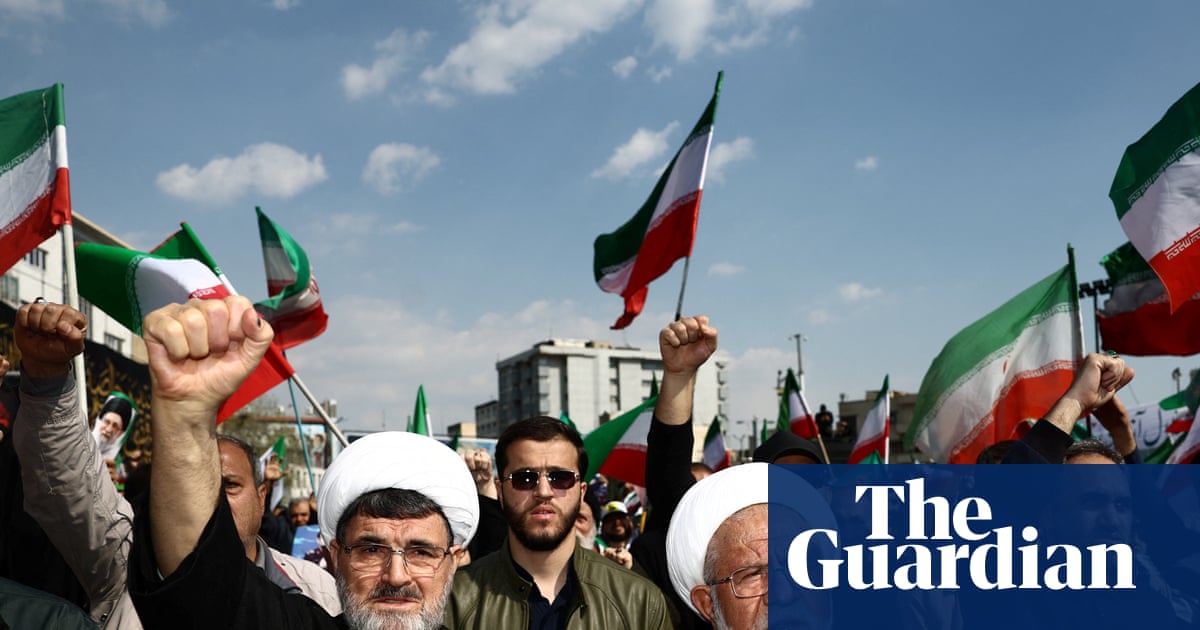
3 weeks agoHow the US war on Iran may provoke a terrorist attack and how that may be the point
Escalating US-Israeli military actions against Iran increase the risk of Iranian-inspired attacks on American soil to levels not seen since 9/11, with recent incidents suggesting heightened domestic terrorism threats.
fromThe Atlantic
1 week agoThe Kurdish Ground Force Preparing to Fight in Iran
We are on the trigger finger. After 22 years in the movement, we have never been this busy. The American-Israeli effort to bring down the Iranian regime is not likely to succeed without the help of PJAK and other Kurdish armed groups.
World news

fromwww.dw.com
2 weeks agoIran war overlaps with Afghanistan-Pakistan conflict
Taliban rulers in Afghanistan on Tuesday accused Pakistan of carrying out an airstrike that killed at least 400 people at a drug treatment hospital in Kabul late Monday. Afghan officials said the strike hit the 2,000-bed rehabilitation facility at around 9 p.m. local time (1630 GMT), causing extensive damage and leaving hundreds wounded, in a major escalation of the weekslong cross-border fighting between the neighbors.
World politics
World news
fromenglish.elpais.com
1 week agoThe dilemma of Iraqi Kurds in the face of their Western allies' offensive against Iran: It's not our war'
Iraqi Kurdistan faces danger from ongoing U.S.-Israeli operations against Iran, with increased missile attacks and a tense atmosphere during Nowruz celebrations.
World news
fromenglish.elpais.com
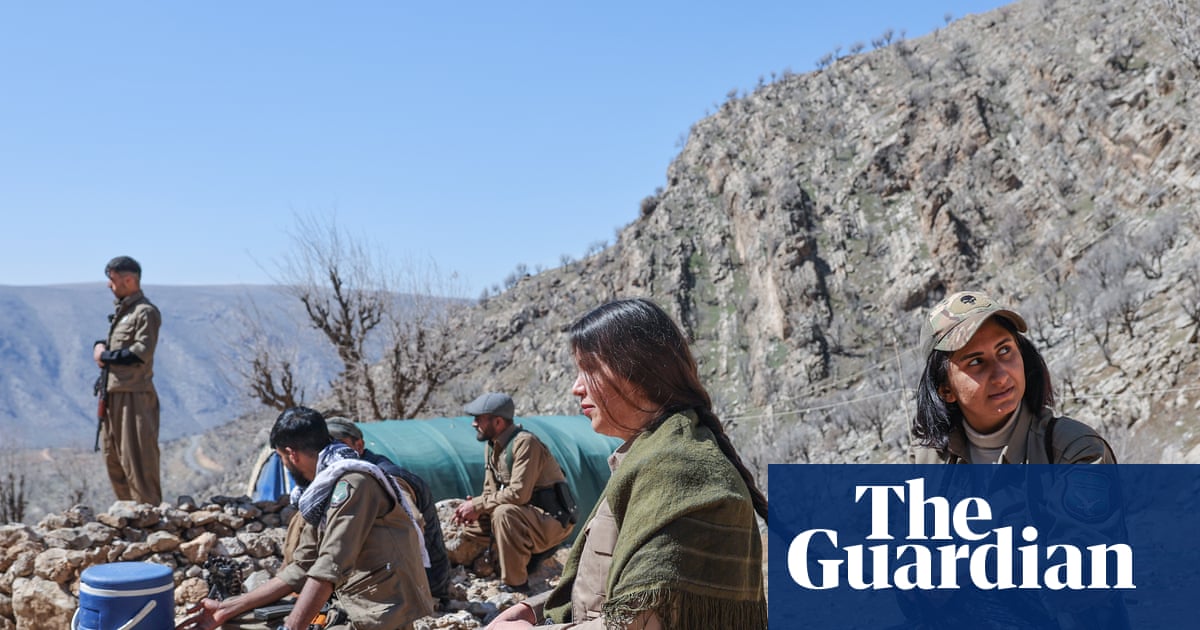
2 weeks agoIran's Kurdish militias are waiting for the regime to weaken before making their move
Iranian Kurdish groups remain prepared to intervene against Iran's regime if it weakens, drawing inspiration from the failed 1946 Republic of Mahabad while facing uncertain U.S. military support under Trump's unpredictable leadership.
#middle-east-conflict
World news
fromwww.aljazeera.com
4 weeks agoTens of thousands in scramble for flights out of Middle East amid Iran war
Tens of thousands of stranded travelers are paying up to $200,000 for private charter flights as regional airspace closures and conflict disrupt commercial aviation across the Middle East.
World news
fromwww.aljazeera.com
4 weeks agoTens of thousands in scramble for flights out of Middle East amid Iran war
Tens of thousands of stranded travelers are paying up to $200,000 for private charter flights as regional airspace closures and conflict disrupt commercial aviation across the Middle East.
World news
fromwww.aljazeera.com
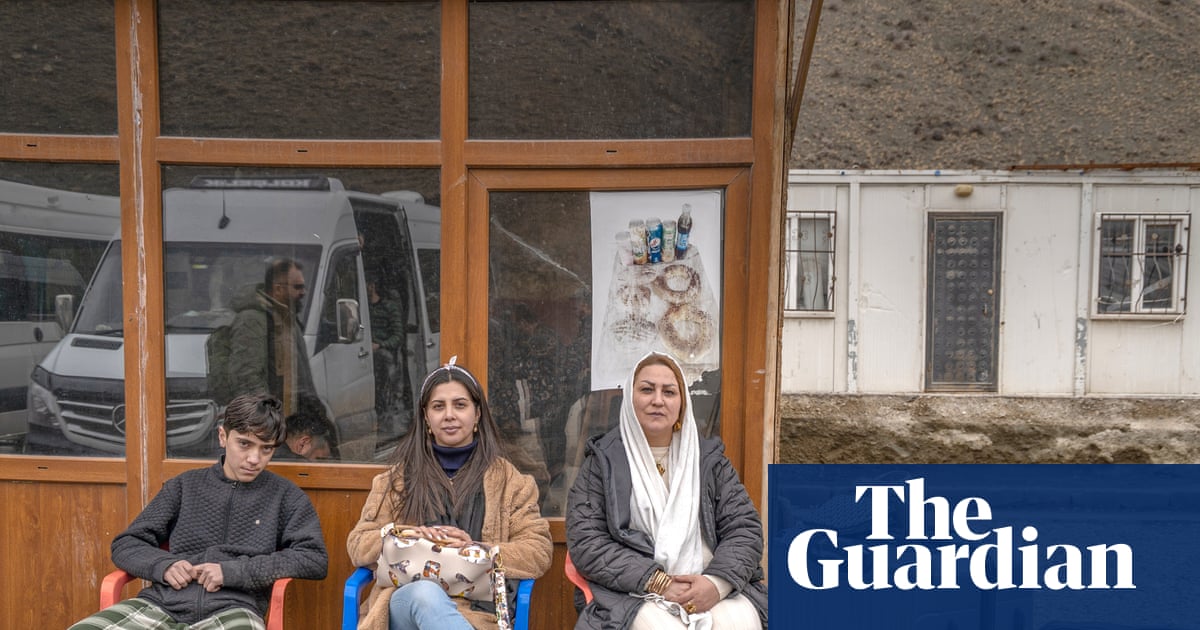
2 weeks agoIran's neighbours brace for fallout as war threatens new refugee crisis
Iran's seven neighboring countries prepare for potential mass refugee exodus following US-Israeli military strikes that have killed over 1,400 people and displaced 3.2 million internally.
World politics
fromThe Cipher Brief
1 month agoA Quiet Peace in the Caucasus Could Change the Balance of Power
A U.S.-brokered peace deal between Armenia and Azerbaijan could end decades of conflict, establish new trade routes bypassing Russia, and reshape South Caucasus geopolitics and regional stability.
#iran-azerbaijan-tensions
World news
fromRadioFreeEurope/RadioLiberty
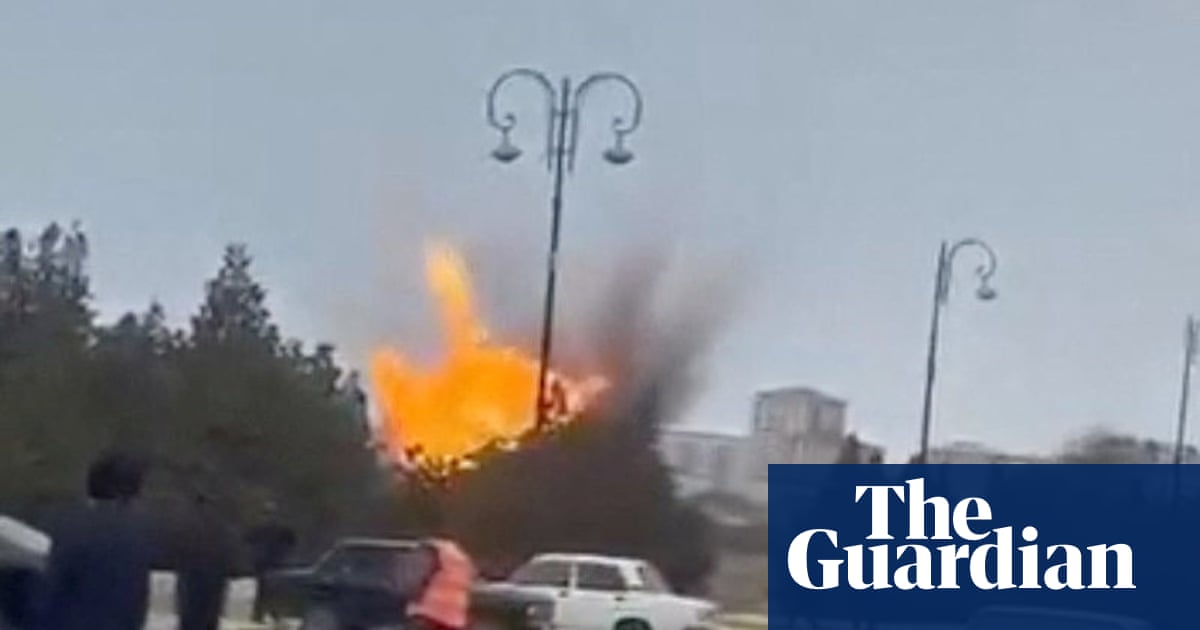
4 weeks agoAzerbaijan Accuses Iran Of Plotting Attack On Major Pipeline, Jewish Sites
Azerbaijan claims Iranian IRGC operatives planned terrorist attacks on critical infrastructure including the BTC pipeline, Israeli Embassy, and Jewish sites to destabilize the region.
World news
fromRadioFreeEurope/RadioLiberty
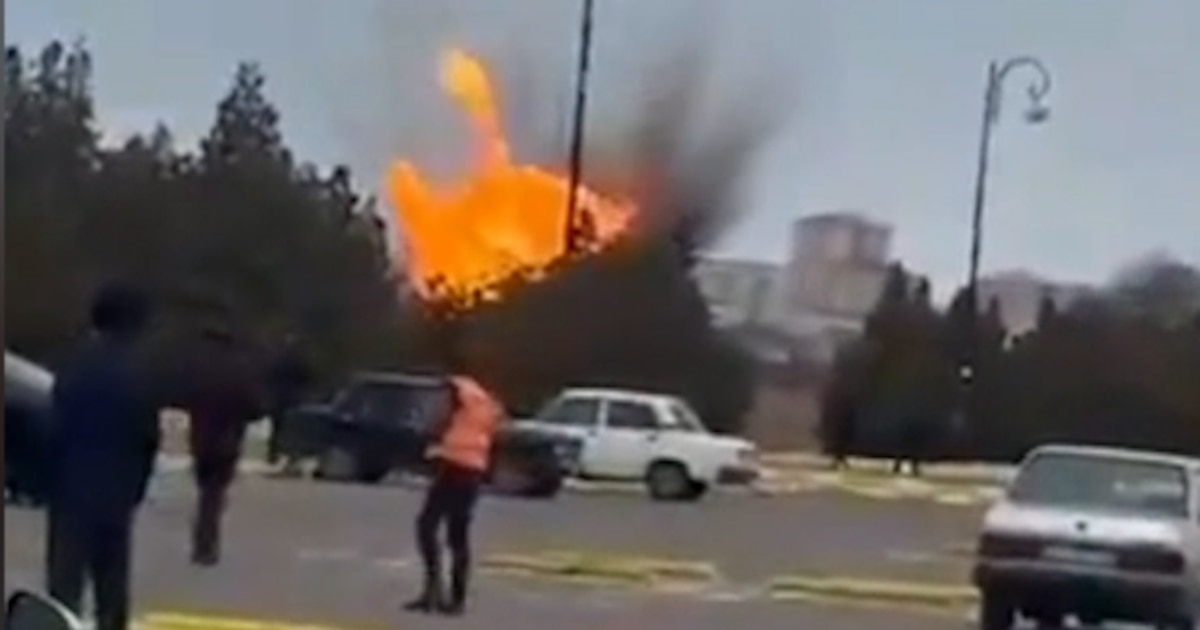
4 weeks agoAzerbaijan Accuses Iran Of Plotting Attack On Major Pipeline, Jewish Sites
Azerbaijan claims Iranian IRGC operatives planned terrorist attacks on critical infrastructure including the BTC pipeline, Israeli Embassy, and Jewish sites to destabilize the region.
World news
fromwww.aljazeera.com
3 weeks agoThe war of signals: How Russia and China help Iran see the battlefield
Russia is providing Iran with precise US military location intelligence, fundamentally shifting the electromagnetic warfare balance in the Gulf and eroding decades of American-Israeli dominance.
fromwww.aljazeera.com
1 month agoHezbollah's risky return to the battlefield
The ongoing United States-Israel attack on Iran, triggered by the assassination of Iran's supreme leader last Saturday, has rekindled military and political action between Lebanon and Israel, as Hezbollah again takes centre stage while facing the most existential crisis in its history. Every aspect of Hezbollah's political position in Lebanon, its military capabilities, and its war plans against Israel is now under intense scrutiny from regional and domestic actors.
World politics
fromwww.aljazeera.com
3 weeks agoAttacks from all sides: Why Iraq was dragged into US-Israel war on Iran
Within hours of the United States-Israeli attacks on Iran, US assets in Iraq's Kurdistan region came under retaliatory attacks from Tehran-backed groups, dragging the country into the conflict that has since expanded across the Middle East and beyond. Since then, US assets located in Iraq have come under multiple attacks from pro-Iran groups and Iran's powerful Revolutionary Guard Corps (IGRC).
World news
World politics
fromwww.aljazeera.com
1 month agoWhile US encourages Kurds to attack Iran, history serves darker warning
The US is reportedly encouraging Iranian Kurdish militias to challenge Iran's government while repeating historical patterns of abandoning Kurdish allies after geopolitical objectives shift.
World politics
fromThe Washington Post
1 month agoAttack on Iran shows Russia losing sway in the Middle East and globally
Russia's diminished global influence is exposed as three allied leaders fall in Syria, Venezuela, and Iran, while Moscow prioritizes its Ukraine war over maintaining international partnerships.
World news
fromwww.aljazeera.com
4 weeks agoIranian Kurd leader in Iraq says ground operation into Iran highly likely'
Iranian Kurdish nationalist groups based in Iraq are considering cross-border ground operations into Iran, with US contact reported, while Iran's IRGC strikes separatist targets in Iraqi Kurdistan.
World news
fromwww.aljazeera.com
4 weeks agoIran to halt strikes on neighbours unless attacks from there: Pezeshkian
Iran's president pledges to halt strikes on neighboring Gulf states unless attacks originate from their territory, as regional conflict escalates with severe global energy market consequences.
#iran-kurdish-conflict
World news
fromSilicon Canals
1 month agoWashington wants Kurdish fighters to join the war on Iran. They say it would be suicidal without air support. - Silicon Canals
Iran attacked Iranian Kurdish opposition group headquarters in northern Iraq, killing at least one fighter, as these groups form a coalition and consider joining military action against Tehran, exposing gaps between U.S. strategic goals and available resources for proxy partners.
World news
fromwww.aljazeera.com
1 month agoIran targets Kurdish groups in Iraq, begins wave of attacks on Israel
Iran launched military operations against Kurdish armed groups in Iraq's semi-autonomous region while conducting its 19th wave of missile and drone attacks against Israel and US assets during an escalating regional conflict.
World news
fromwww.aljazeera.com
1 month agoIranian drones hit airport in Azerbaijan's exclave as US-Israel war widens
Iran launched drone attacks on Azerbaijan's Nakhchivan exclave, injuring two civilians and damaging airport infrastructure, prompting Azerbaijan to reserve the right for appropriate response measures.
#kurdish-militias
World news
fromAxios
1 month agoKurds backed by Mossad, CIA could lead next phase of war in Iran
Five Kurdish Iranian dissident groups formed a coalition backed by Mossad and CIA to conduct ground operations against Iran from Iraqi territory, with Israeli officials promising political support for Kurdish autonomy if the regime collapses.
World news
fromwww.mediaite.com
1 month agoFox News Reports Thousands of Iraqi Kurds Have Launched a Ground Offensive Into Iran'
Iraqi Kurds launched a ground offensive into Iran, reportedly coordinated by the Trump administration to destabilize the Iranian regime, though concerns exist about supporting designated terrorist organizations.
World news
fromwww.theguardian.com
1 month agoAirstrikes hit Iran-Iraq border as US and Israeli plan to mobilise Kurds gathers pace
US and Israeli airstrikes target Iranian military positions along Iraq border while supporting Kurdish and Baloch militant groups for potential cross-border operations against Iran.
World news
fromwww.theguardian.com
1 month agoChaos signals Iran struggling to function as war turns into fight for survival
US airstrikes on Iran killed over 800 people and targeted key government institutions including the Assembly of Experts, destabilizing Iran's leadership succession and government function during an existential conflict.
World news
fromThe Washington Post
1 month agoThreat from Iran conflict spreads across Middle East in 72 hours
A coordinated U.S.-Israeli strike on Iran triggered rapid regional escalation affecting over 300 million civilians across more than a dozen nations within 72 hours, spreading far beyond original military targets.
World news
fromwww.theguardian.com
1 month agoMiddle East in flames': what the papers say about the war on Iran
US and Israeli attacks on Iran and Ayatollah Ali Khamenei's death dominated global media with divided international reactions ranging from criticism of recklessness to support for bold action.
World news
fromenglish.elpais.com
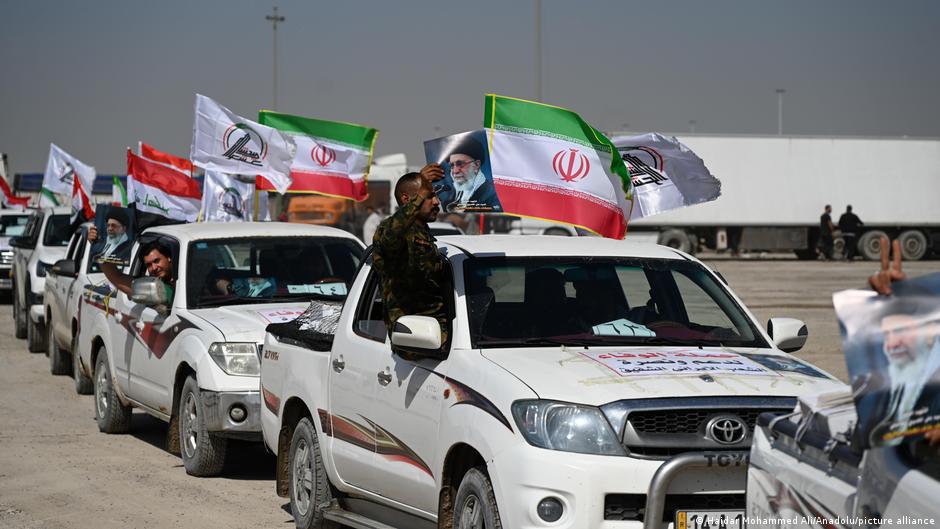
1 month agoThe network of Shiite militias that Iran can activate against the US and Israel
The U.S. and Israel launched major combat operations against Iran, risking regional war through escalating attacks and reprisals, with Tehran considering strikes on U.S. bases, Israel, Gulf allies, or Strait of Hormuz disruption.
fromwww.dw.com
2 months agoKurds in the Middle East: Struggle for a homeland
Syrian transitional government troops and Kurdish-led Syrian Democratic Forces (SDF) had been fighting for weeks in northern Syria. On Tuesday evening, the announcement of a four-day ceasefire restored a measure of calm. SDF fighters were close allies of the international coalition battling the extremist "Islamic State,", or IS, group in Syria and managed to take control of strategically important areas in Syria during 14 years of civil war. Recent clashes with Syrian government troops has pushed them out of these areas.
World news
fromwww.aljazeera.com
2 months agoLast Kurdish-led SDF fighters leave Syria's Aleppo after days of clashes
The last fighters from the Kurdish-led Syrian Democratic Forces (SDF) have left the city of Aleppo, according to officials, following a ceasefire deal that allowed evacuations after days of deadly clashes. Aleppo Governor Azzam al-Gharib told Al Jazeera early on Sunday that Aleppo has become empty of SDF fighters after government forces coordinated their withdrawal on buses out of the city overnight.
World news
World news
fromThe Cipher Brief
1 month agoRussia's Foreign Fighter Pipeline: How Moscow Exploits Global Poverty to Feed Ukraine's Frontlines
Russia relies on foreign recruitment and coercive human-trafficking tactics to fill battlefield ranks, exploiting migrants and offering cash, citizenship, and coercion.
fromenglish.elpais.com
1 month agoFrom Havana to Damascus: The story of rebel commander Bachar Alkaderi
Among the rebels who, on December 8, entered Damascus and put an end to almost 14 years of conflict and the Assad family regime one of the cruellest and longest-lasting in the Middle East was one who spoke Spanish with a slight Caribbean accent. Dr. Bachar Alkaderi, a graduate of the University of Medical Sciences of Havana, specializing in general and thoracic surgery, became, through the twists of fate and history, a revolutionary commander.
World news
[ Load more ]