Non-profit organizations
fromwww.npr.org
7 hours agoCongress gave money for global HIV work. The Trump administration isn't spending it
U.S. funding delays threaten vital HIV/AIDS programs in Africa, undermining efforts to combat the epidemic.
I am open-minded; I believe in integrative practices, and I agree that the medical establishment can be arrogant and unduly influenced by the pharmaceutical industry, which now funds so much of medical research. But I fully understand Scherer's frustration with his interminable discussions with Kennedy about scientific articles.
The U.S. is no longer part of the World Health Organization. After the Trump administration declared its intention to pull the country out of the global public health agency one year ago, on Thursday it formally followed through, ending its commitment to the organization after 78 years. Withdrawing the U.S. from the WHO was one of Trump's day one priorities. Now, after the required one year notice period, the deed is done.
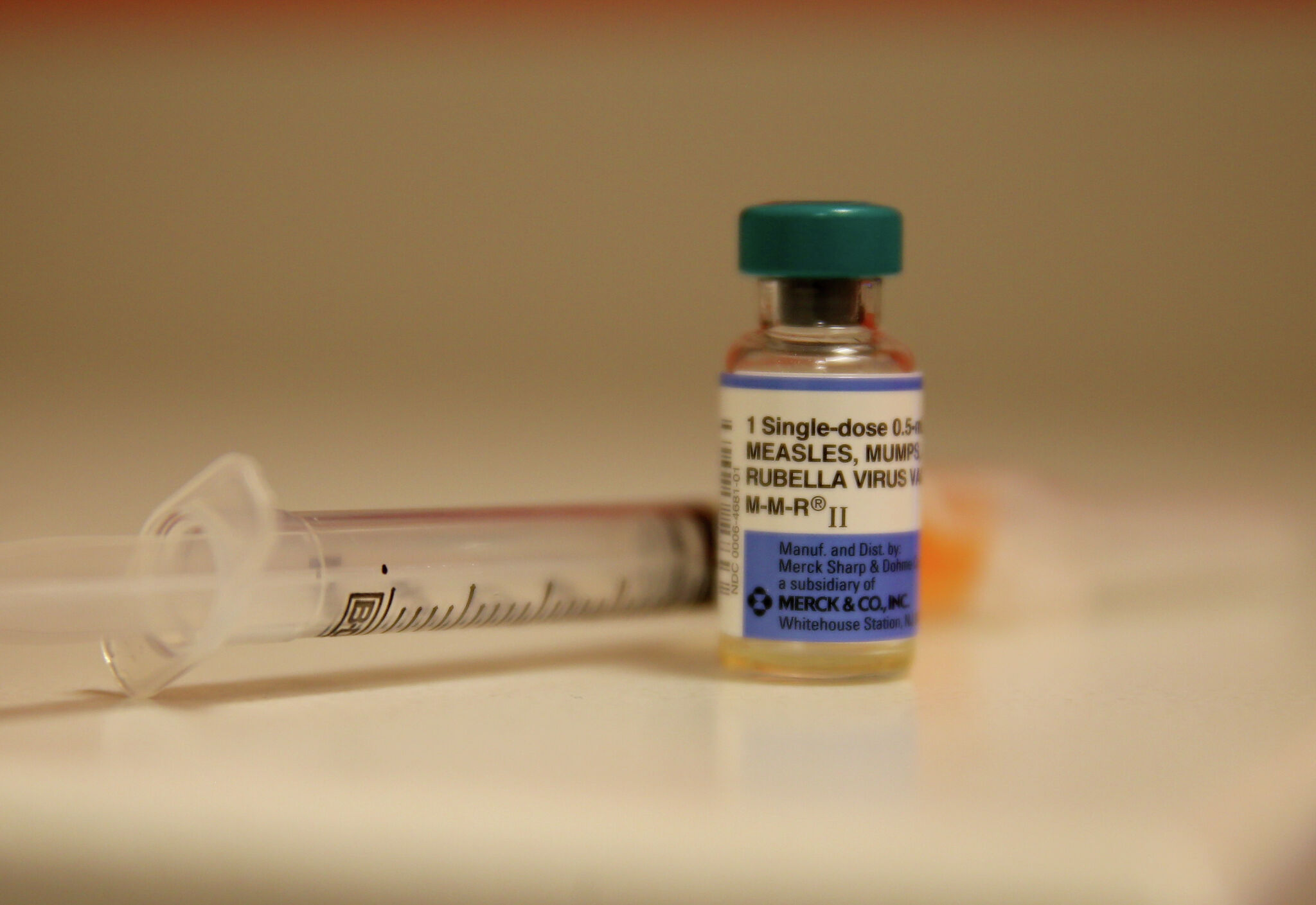
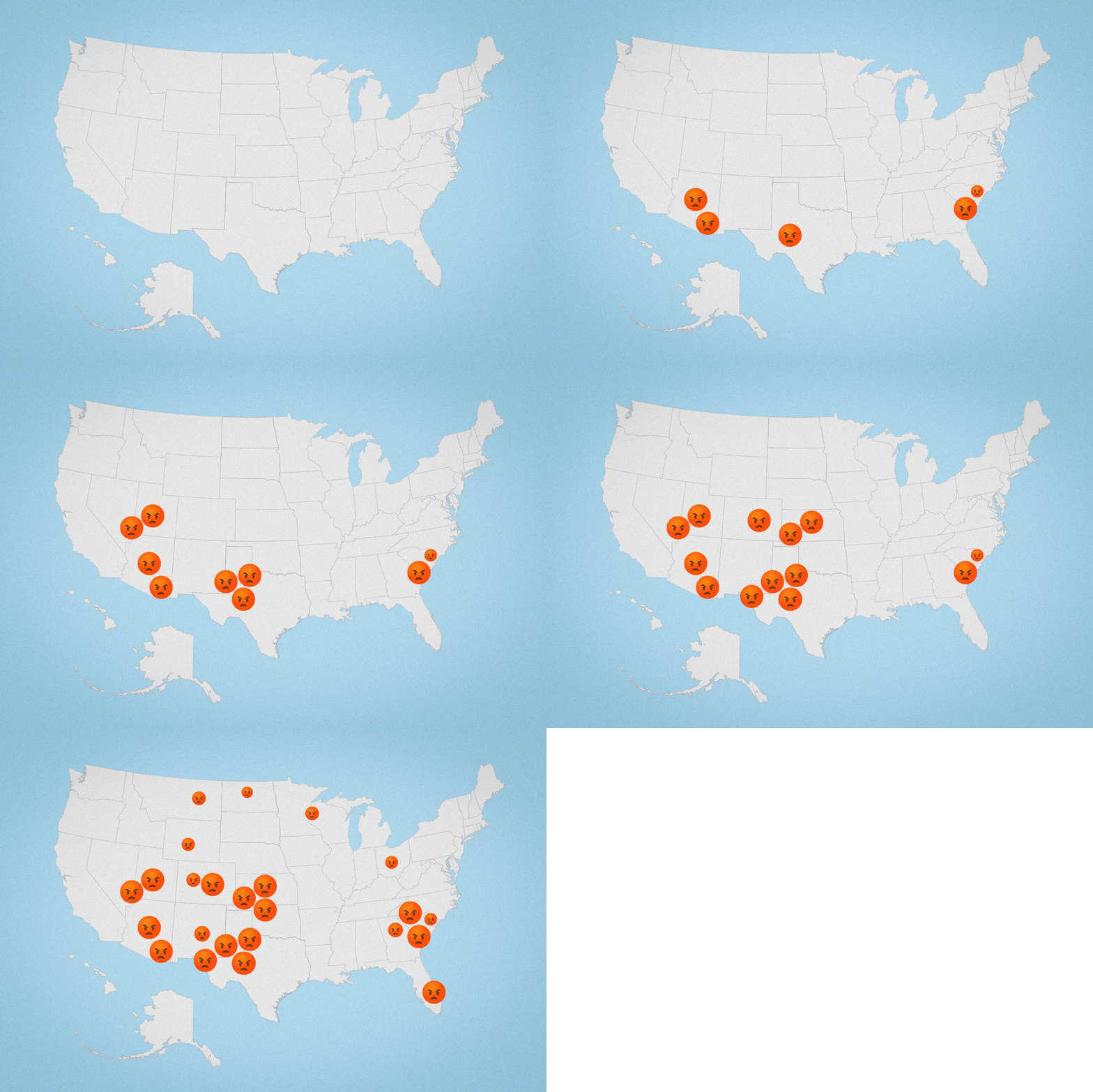
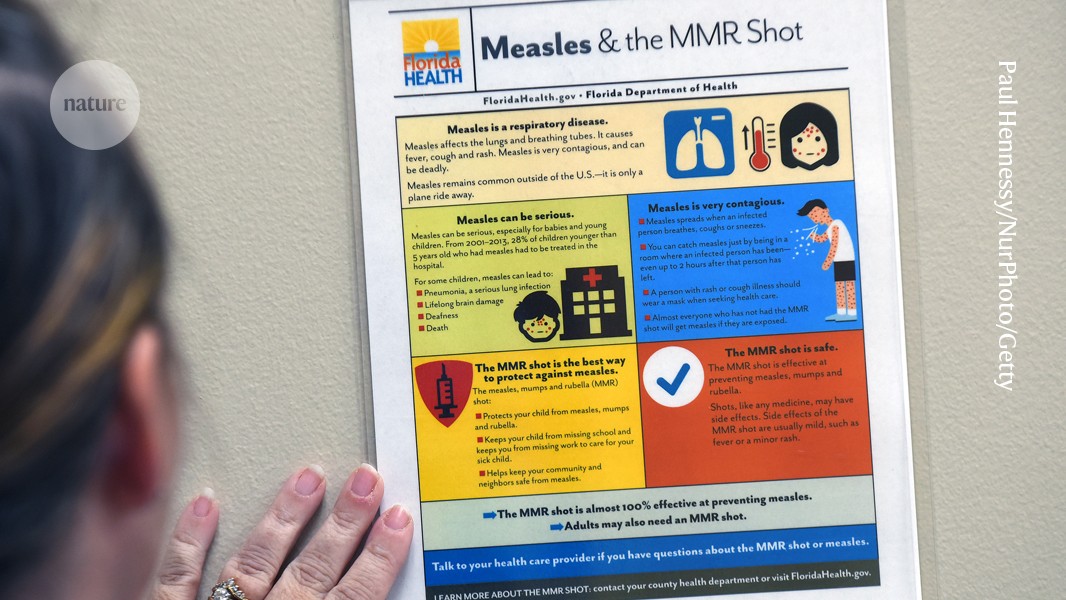
We now have our first confirmed measles case of 2026 in the Bay Area and the first of 2026 in California as an unvaccinated international traveler apparently brought some back home to San Mateo County. Though first of 2026 may not be that distinct of a deal, considering we saw another new measles case in Contra Costa County when there was still two more days in 2025. [KQED]
Each day, they pore over reams of data about how the virus is evolving worldwide, how well last year's shot performed, and which strains might be easiest to mass produce for a vaccine. The meeting, convened by the World Health Organization twice a year, is a critical moment for the WHO's Global Influenza Surveillance and Response System.
If you're based in the United States, you've probably gotten used to government bodies issuing nationwide alerts - including ones that relate to public health. These have, historically, been good ways for health-conscious people to know what to look out for and for regional public health experts to develop strategies to help keep potential outbreaks contained.Unfortunately, now both individuals and institutions are reckoning with a big question: what to do when those warnings are much smaller in number?
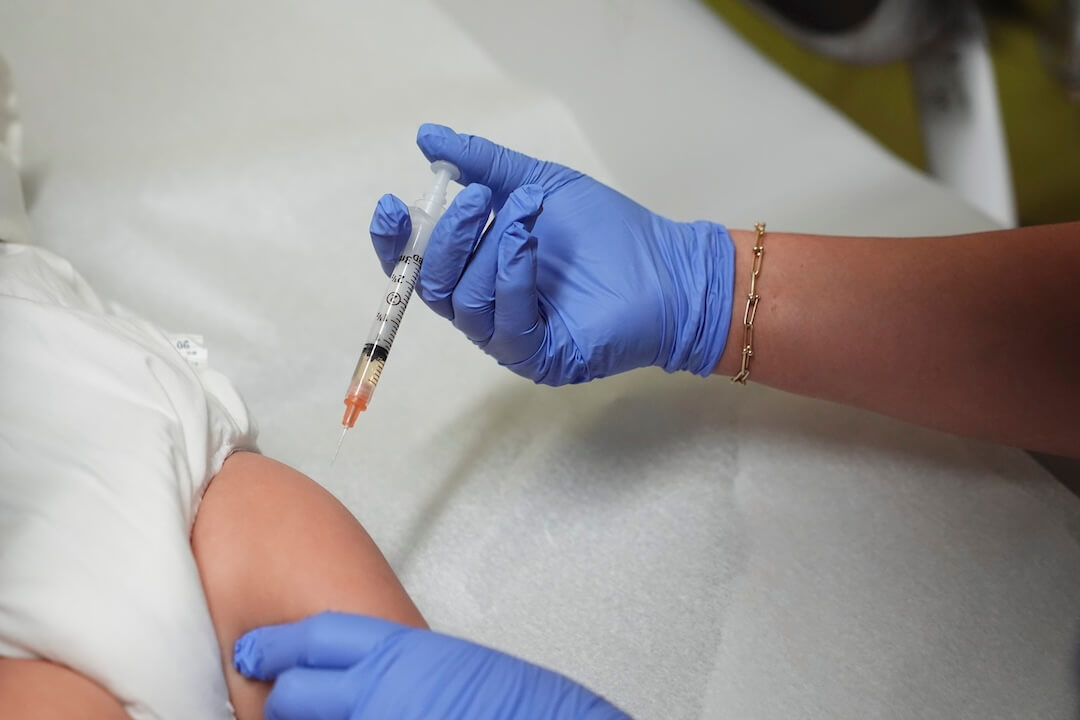
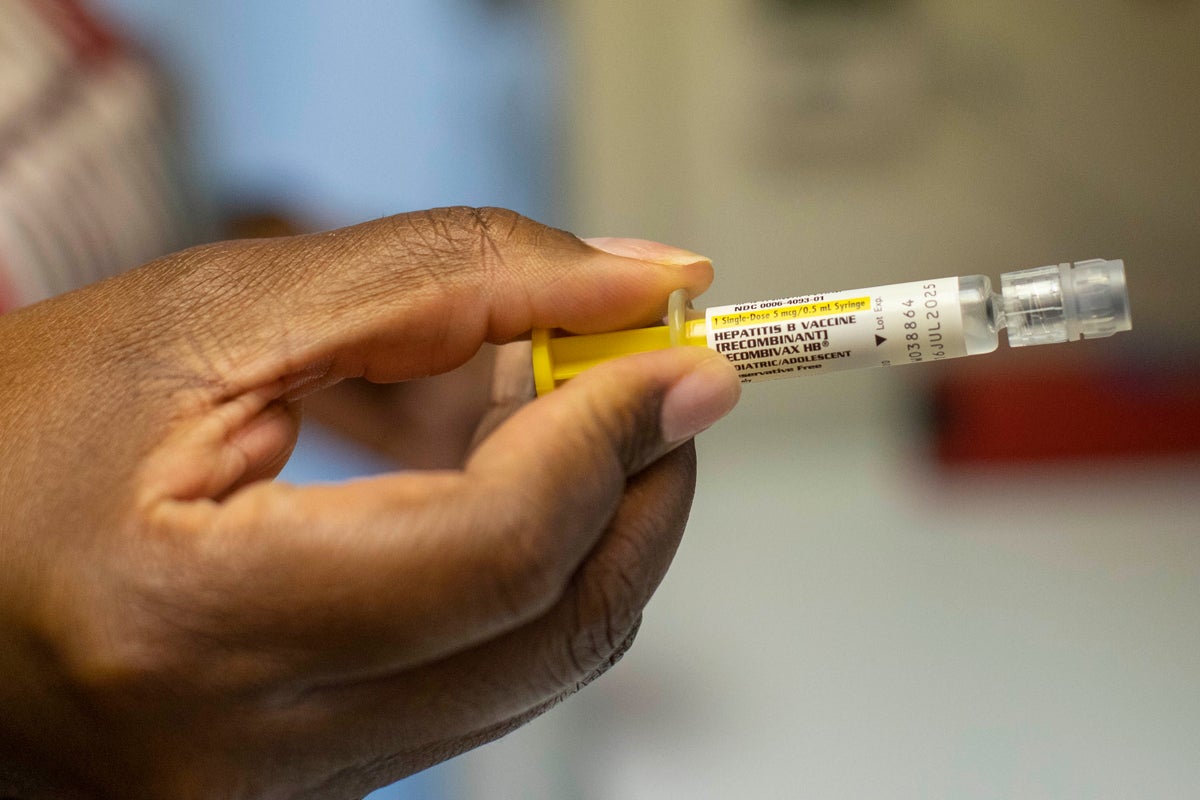
The Centers for Disease Control (CDC) has updated its vaccine recommendations, and it's quite different from the existing vaccination schedule. The biggest change is that fewer vaccines are now recommended for all children. The routine list went from 17 down to 11. Psst Check Out 3 New Health Care Laws: Here's What's Covered for New Yorkers The other vaccines aren't completely gone. Some will be recommended for kids who are at higher risk, and some will also be available to all kids
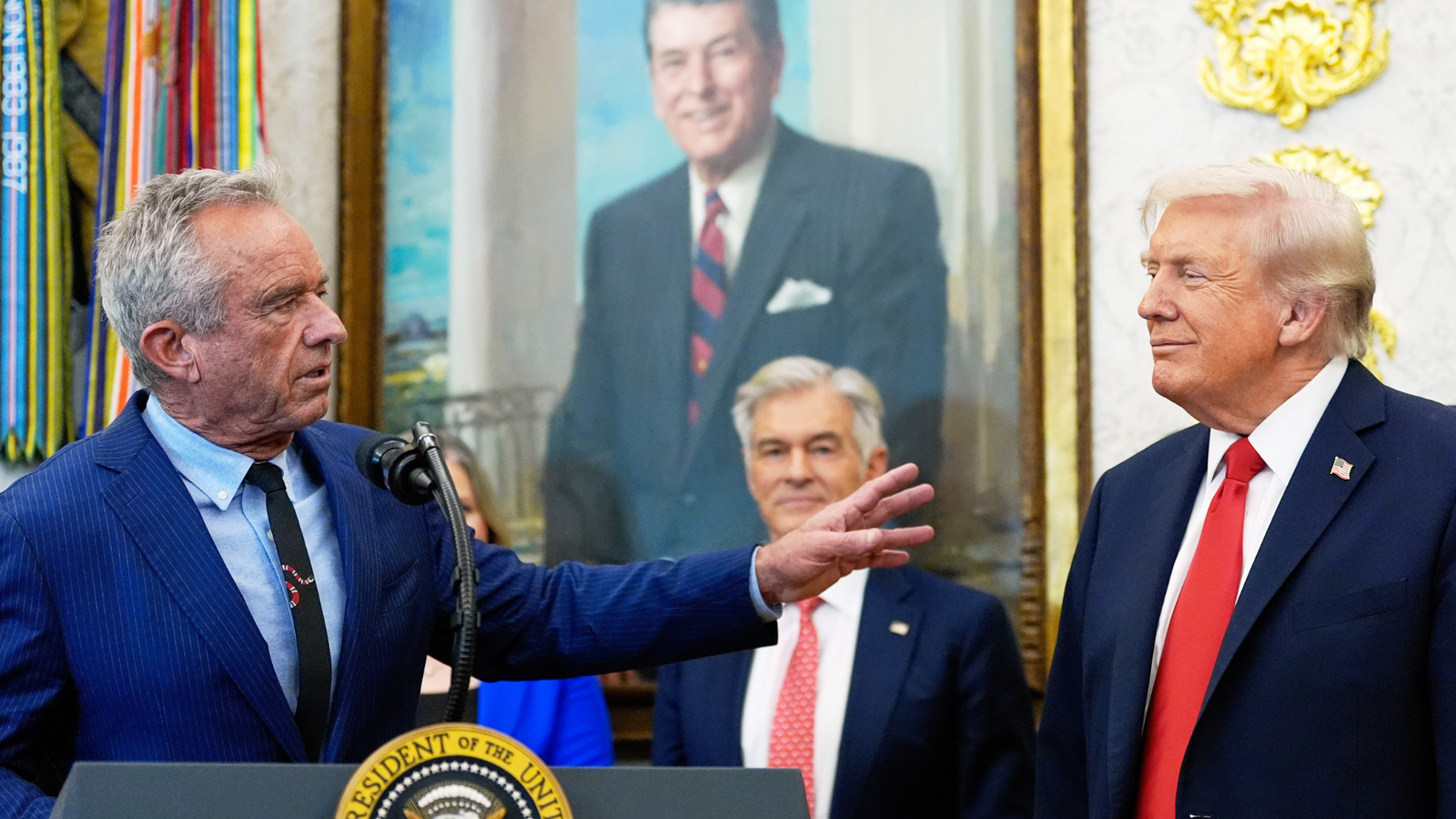
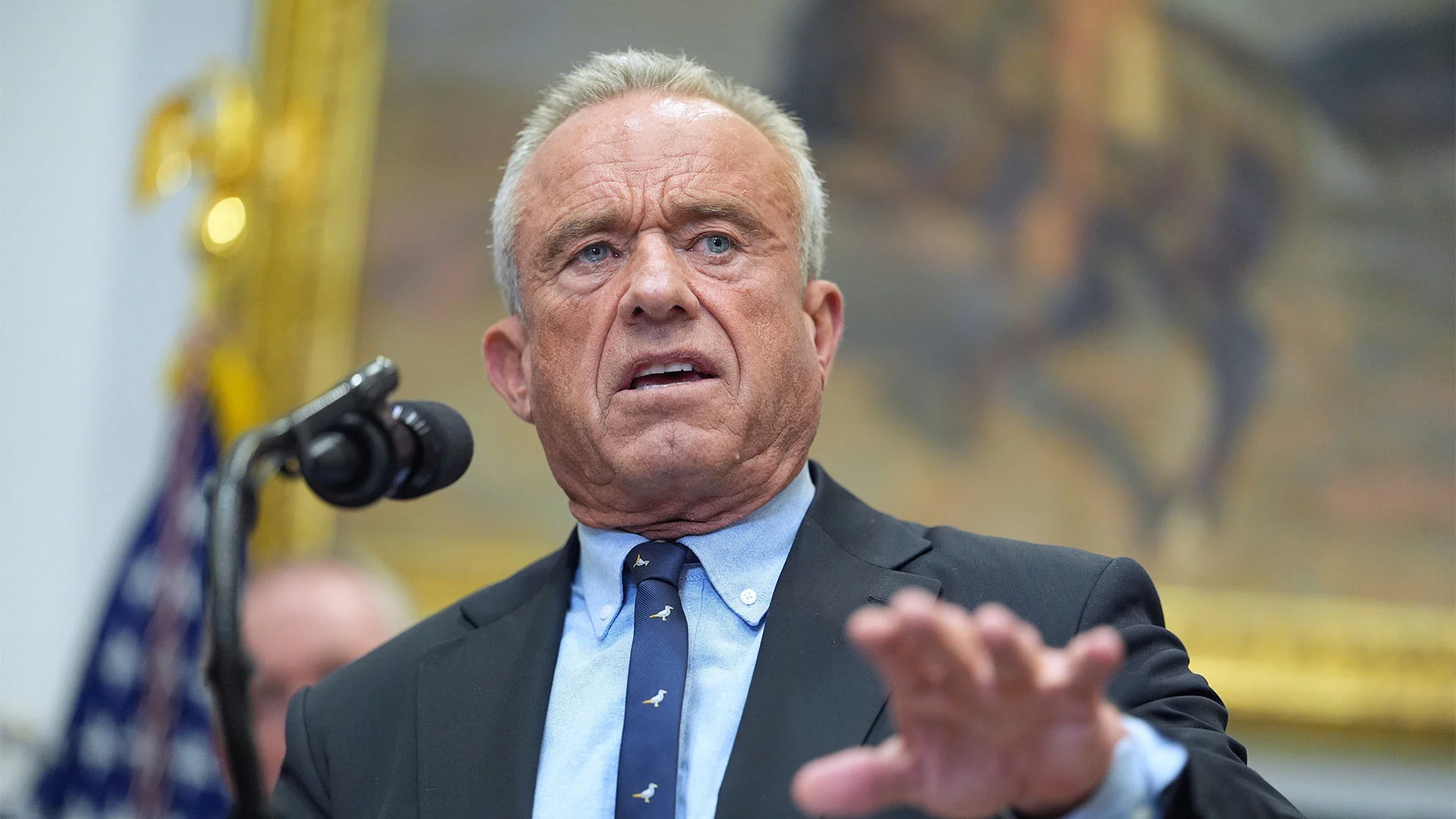
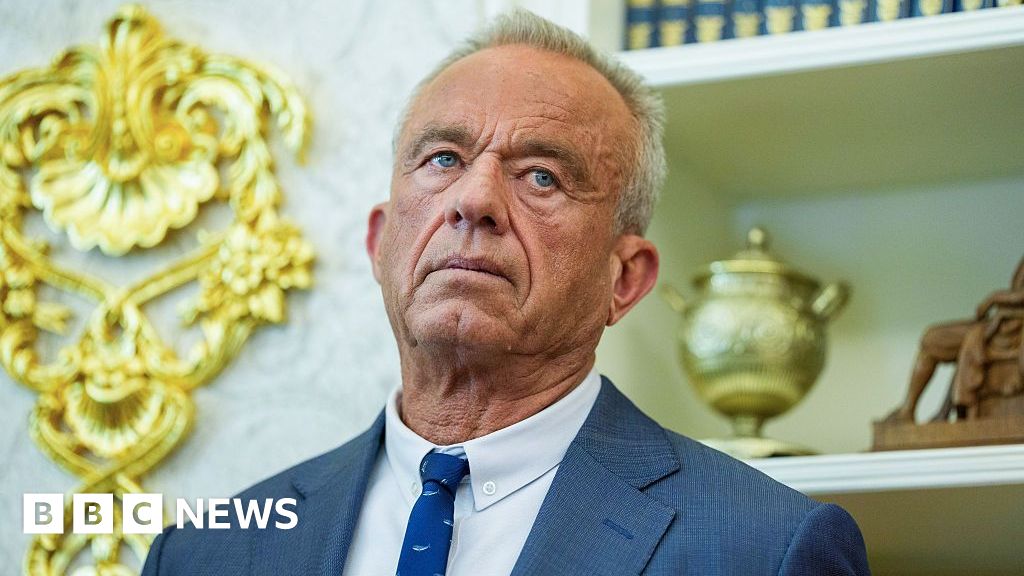
Monday's sweeping decision, which advances the agenda of Trump-appointed Secretary of Health Robert F Kennedy Jr, removes the recommendation for rotavirus, influenza, meningococcal disease and hepatitis A vaccines for children. list of 3 itemsend of list It comes as US vaccination rates have been slipping, and the rates of diseases that can be protected against with vaccines, such as measles and whooping cough, are rising across the country, according to government data.
The Centers for Disease Control and Prevention (CDC) announced on Monday that it is reducing the number of vaccinations it is recommending for young children, immediately dropping the number of diseases and ailments covered by the vaccine regimen from 17 to 11. States are technically the authority on what vaccines children should or are required to get when they are born and in the years beyond. But the CDC recommendation is very influential in what vaccines officials end up choosing.
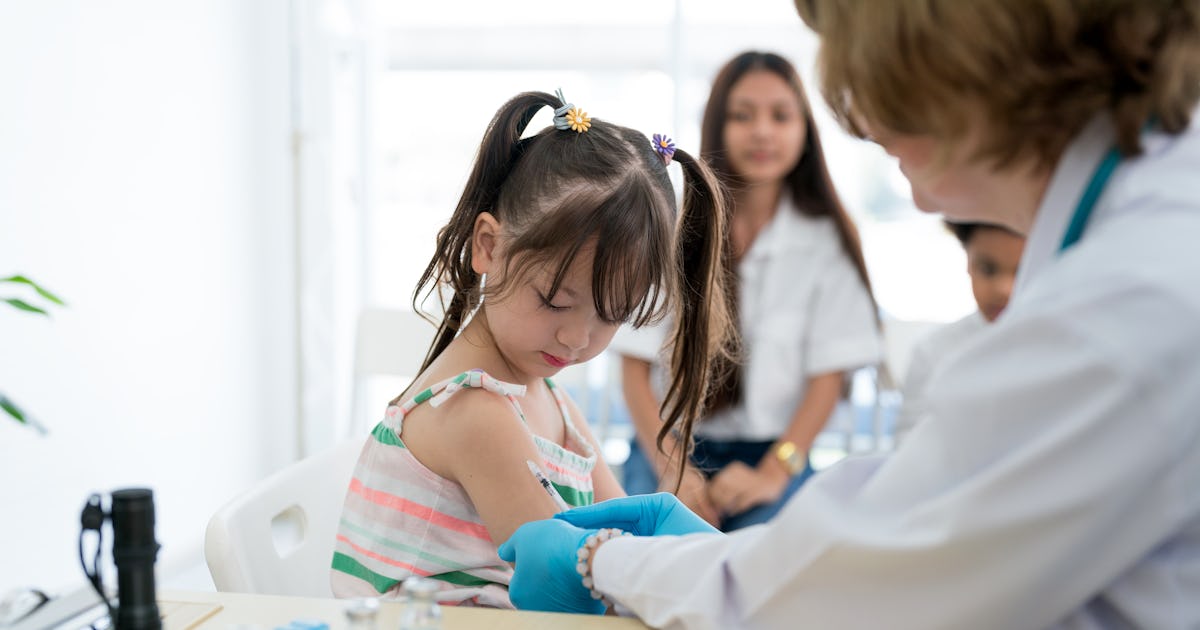
Under the new guidelines, the U.S. still recommends that all children be vaccinated against measles, mumps, rubella, polio, pertussis, tetanus, diphtheria, Haemophilus influenzae type B (Hib), pneumococcal disease, human papillomavirus (HPV) and varicella, better known as chickenpox. Vaccines for all other diseases will now fall into one of two categories: recommended only for specific high-risk groups, or available through "shared clinical decision-making" - the administration's preferred term for "optional."