Germany politics
fromwww.dw.com
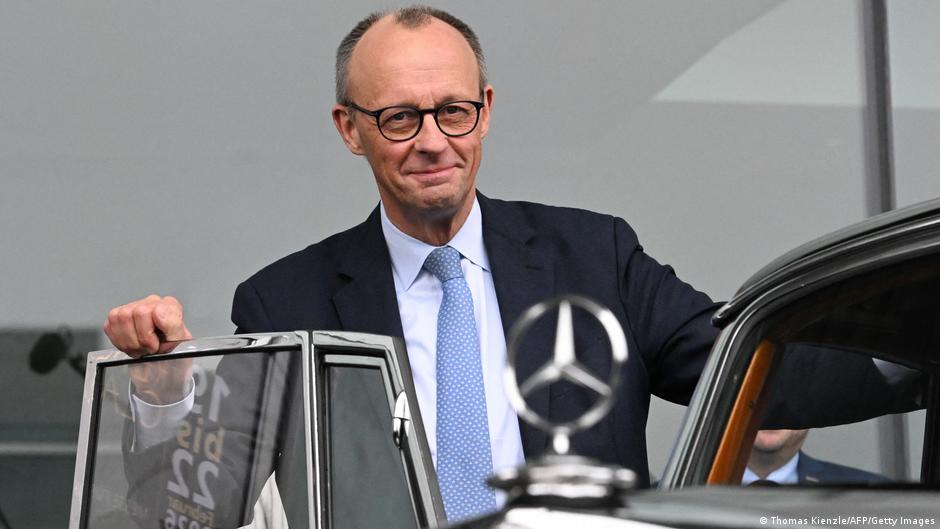
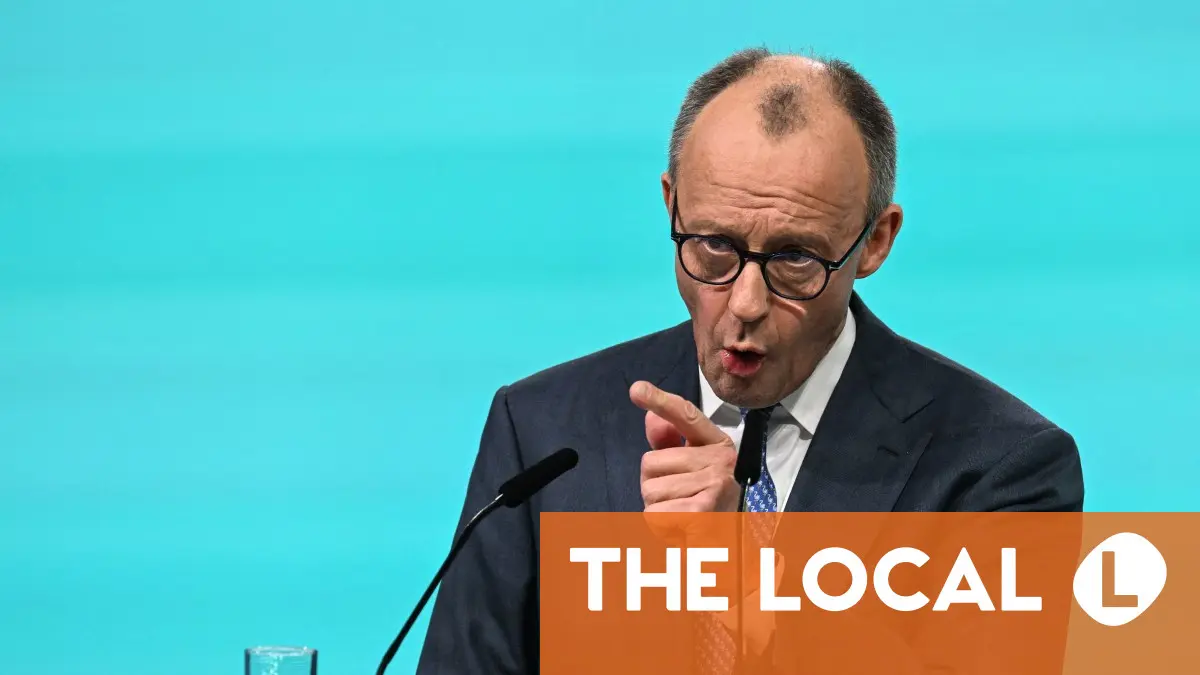
3 days agoGerman Chancellor Merz has never been more unpopular
Germany's coalition government faces record dissatisfaction, with 84% of voters unhappy and leaders' approval ratings plummeting.
Newsom has already urged Europeans to realise that grovelling to Trump's needs makes them look pathetic on the world stage, telling reporters at the World Economic Forum in Davos last month he should have brought a bunch of knee pads.
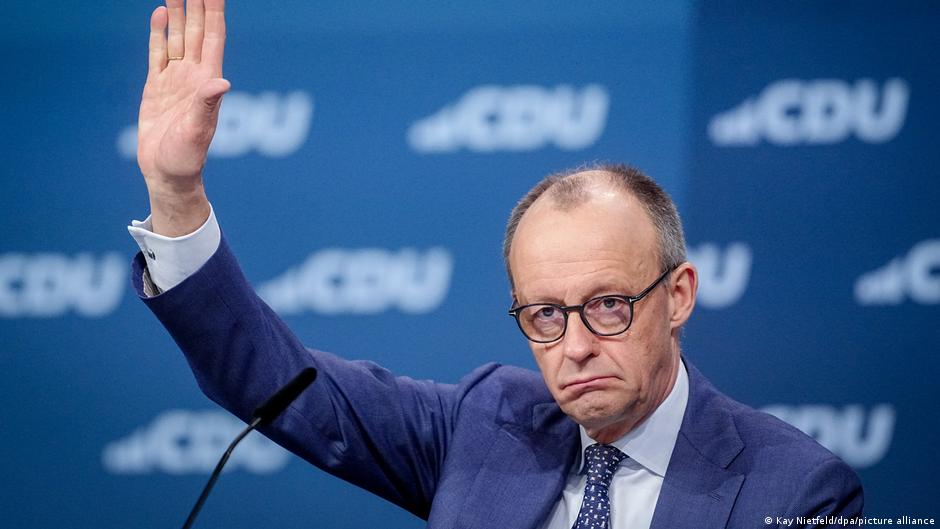
Merz has been under pressure following the US intervention in Venezuela. His reaction to the capture of former Venezuelan leader Nicolas Maduro by the US military, was somewhat restrained and vague. The German chancellor described it as a "complex situation," also from a legal perspective, which the German government would now carefully examine. That was all. The words "breach of international law" did not pass the lips of the chancellor or his spokespeople.
Germany and the European Union must fundamentally rethink their relationship with the United States, the center-left Social Democratic Party (SPD) advocates, as President Donald Trump's approach to international affairs raises doubts about the US's reliability as a partner and ally. The SPD, the junior coalition member in Chancellor Friedrich Merz's conservative-led government, argues in a policy paper set to be adopted by the party executive board that Germany must carry out a realistic reassessment of the trans-Atlantic relationship.
From reproductive rights to climate change to Big Tech, The Independent is on the ground when the story is developing. Whether it's investigating the financials of Elon Musk's pro-Trump PAC or producing our latest documentary, 'The A Word', which shines a light on the American women fighting for reproductive rights, we know how important it is to parse out the facts from the messaging. At such a critical moment in US history, we need reporters on the ground. Your donation allows us to keep sending journalists to speak to both sides of the story.
The ruling coalition in Germany's eastern state of Brandenburg lost its majority on Tuesday, sparking calls from the far-right Alternative for Germany (AfD) for new elections. Centre-left SPD state premier Dietmar Woidke said he would run a minority government for now and seek talks on a new alliance with the centre-right Christian Democrats (CDU) of Chancellor Friedrich Merz. The crisis was sparked when Woidke ended a year-old coalition with the BSW, a far-left Moscow-friendly party, citing "constant disagreements" within the junior coalition partner.