#celebration-etiquette
#celebration-etiquette
[ follow ]
#easter #gift-giving #family-dynamics #etiquette #birthdays #parenting #communication #relationships #holidays
#birthdays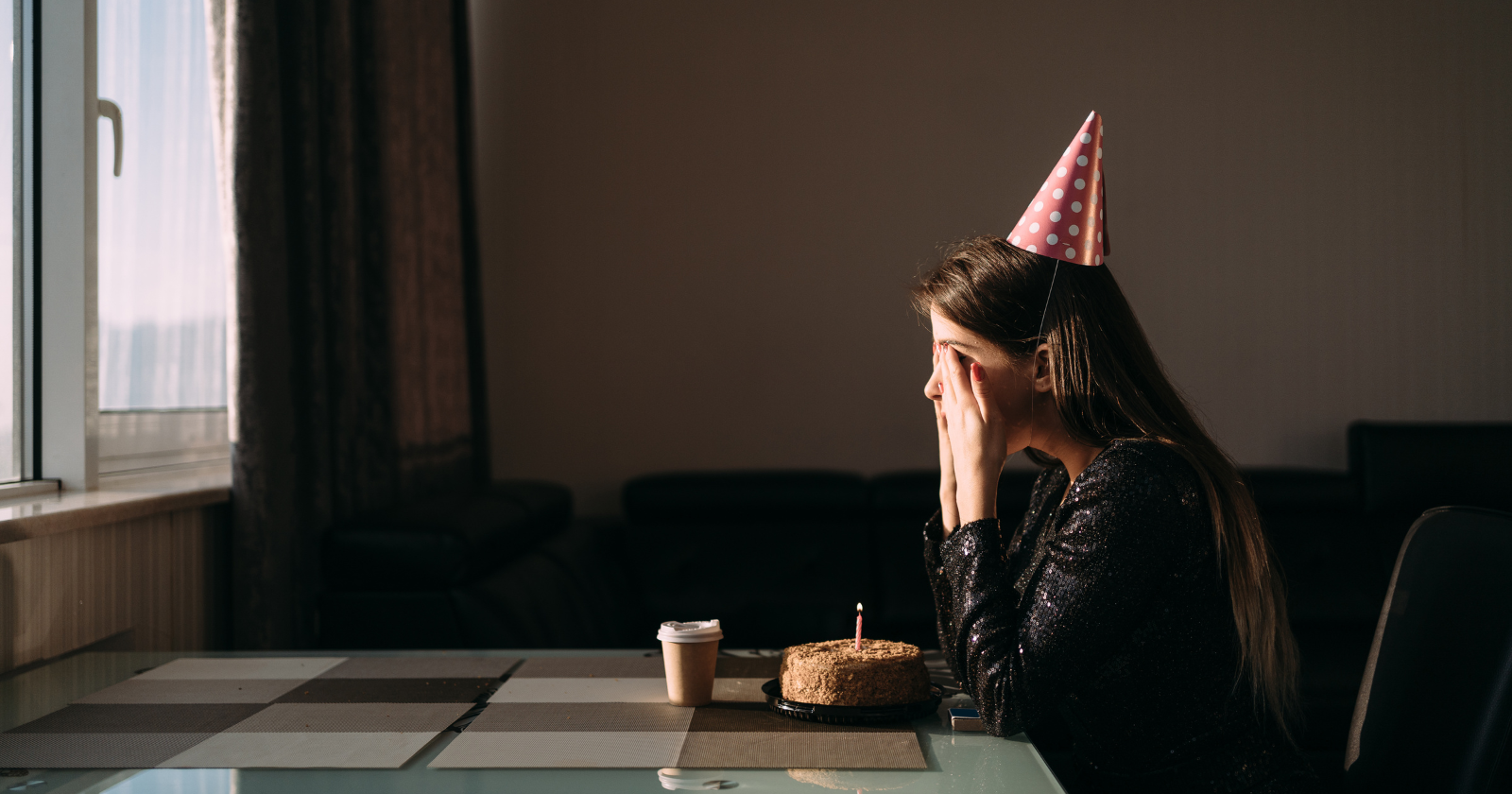
fromSilicon Canals
2 days agoPsychology
Psychology suggests people who downplay their birthday don't want less - they want the specific thing most birthdays have never delivered, which is the felt sense of being genuinely celebrated rather than obligatorily acknowledged, and they stopped asking for it because stopping felt better than hoping and being let down again - Silicon Canals

Psychology
fromSilicon Canals
2 days agoPsychology suggests people who downplay their birthday don't want less - they want the specific thing most birthdays have never delivered, which is the felt sense of being genuinely celebrated rather than obligatorily acknowledged, and they stopped asking for it because stopping felt better than hoping and being let down again - Silicon Canals
Some people avoid celebrating birthdays due to feelings of disconnection from superficial acknowledgments.
Cooking
fromSilicon Canals
3 weeks agoEvery Thanksgiving table in America has a chair that belongs to the person who did the most and gets thanked the least - and that chair has belonged to the same person for so long that if she didn't sit in it nobody would remember to set a place for her there either - Silicon Canals
Holiday meal preparation involves significant invisible emotional labor, disproportionately performed by women, encompassing memory management, dietary coordination, and logistical planning beyond cooking.
Miscellaneous
fromSilicon Canals
1 month agoI hosted Christmas for 28 years and the moment I loved most was never the meal or the gifts - it was 11 PM when the last car pulled away and I stood in the kitchen alone with the mess and finally exhaled for the first time in 12 hours - Silicon Canals
Holiday hosting demands invisible emotional and physical labor that extends far beyond meal preparation, requiring hosts to manage logistics, social dynamics, and performance anxiety simultaneously while rarely receiving acknowledgment for this effort.
Psychology
fromSilicon Canals
4 weeks agoPeople who always offer the last piece of food to someone else before taking it themselves display these 7 deeply ingrained character traits - Silicon Canals
People who offer the last slice of pizza demonstrate genuine empathy and mindful awareness, revealing character traits that influence how they interact with others and navigate social situations.
Relationships
fromSlate Magazine
1 month agoMy Fiancee's Bizarre Belief About Wedding Gifts Has Me Asking, Who Is This Person?
A groom discovers his fiancée expects wedding cash gifts to repay her parents for wedding expenses, creating conflict over gift ownership and financial boundaries in their new marriage.
fromSlate Magazine
1 month agoHelp! I Just Found Out I Did Something Awful at My Friend's Wedding. I'm Mortified.
My former life as a lawyer required accounting for time in six-minute increments, sometimes confronting the fact that I'd derailed and taken way too long to research something that turned out to be the wrong question. Something similar happened here when I looked up and realized I'd lost 30 minutes scouring wedding related message boards to figure out how one would obtain a suit in his exact size without paying for it.
Relationships
Careers
fromSlate Magazine
2 months agoMy Co-Workers Have Made an Absurd Birthday Tradition the Norm at Our Office. Why Do We Keep Doing This?
Politely exit obligatory workplace gift-giving by leading by example, asking for no gifts, enlisting allies, suggesting scaled-back customs, and offering low-cost alternatives.
fromThe Atlantic
2 months agoAgainst Goody Bags
The worst offenders, though, are the goody bags. This year, my kids received them at Valentine's Day, Ramadan, Easter, Halloween, and many birthday parties. Every time they bring one home, they dump its contents on the living-room floor and pick through their treasures with glee. But soon enough, the tiny fire truck has lost its wheels and a fight has broken out over whose Care Bears keychain is cooler, though neither of my children has ever owned a key.
Environment
fromPsychology Today
1 month agoSunday's Sacred Ritual
Part of the answer lies in the visceral nature of the game. Unlike chess, football is physical to the point of absurdity. Grown adults in body armor crash into each other over what is essentially a leather egg. There's drama in every play. You don't need a PhD in physics to appreciate a one-handed catch while somersaulting over a defender like a caffeinated acrobat.
National Football League
fromwww.mercurynews.com
2 months agoAsking Eric: Like it or not, this is the future of Thanksgiving dinner
I'd gently suggest that you're not helpless against the changing tide. You've noticed a pattern that seems to be in conflict with your hopes and expectations for the holiday. So, for next year, you have the opportunity to talk about it with your daughters in advance and find a solution that makes everyone happy. Every holiday meal is, of course, about the food, but its primary purpose is togetherness as a family.
Food & drink
fromSilicon Canals
1 month agoPsychology says people who can't start eating until everyone at the table has their food display these 7 highly desirable traits - Silicon Canals
I used to think it was just good manners drilled in by strict parents, but after interviewing behavioral researchers for a recent piece on social dynamics, I've discovered there's something much deeper at play here. This seemingly small gesture-waiting for others before diving into your meal-actually reveals a fascinating cluster of personality traits that psychologists link to both personal and professional success. The research suggests these patient diners aren't just being polite; they're demonstrating qualities that make them exceptionally good friends, partners, and colleagues.
Psychology
fromPsychology Today
2 months agoShould You Include Former In-Laws in Family Celebrations?
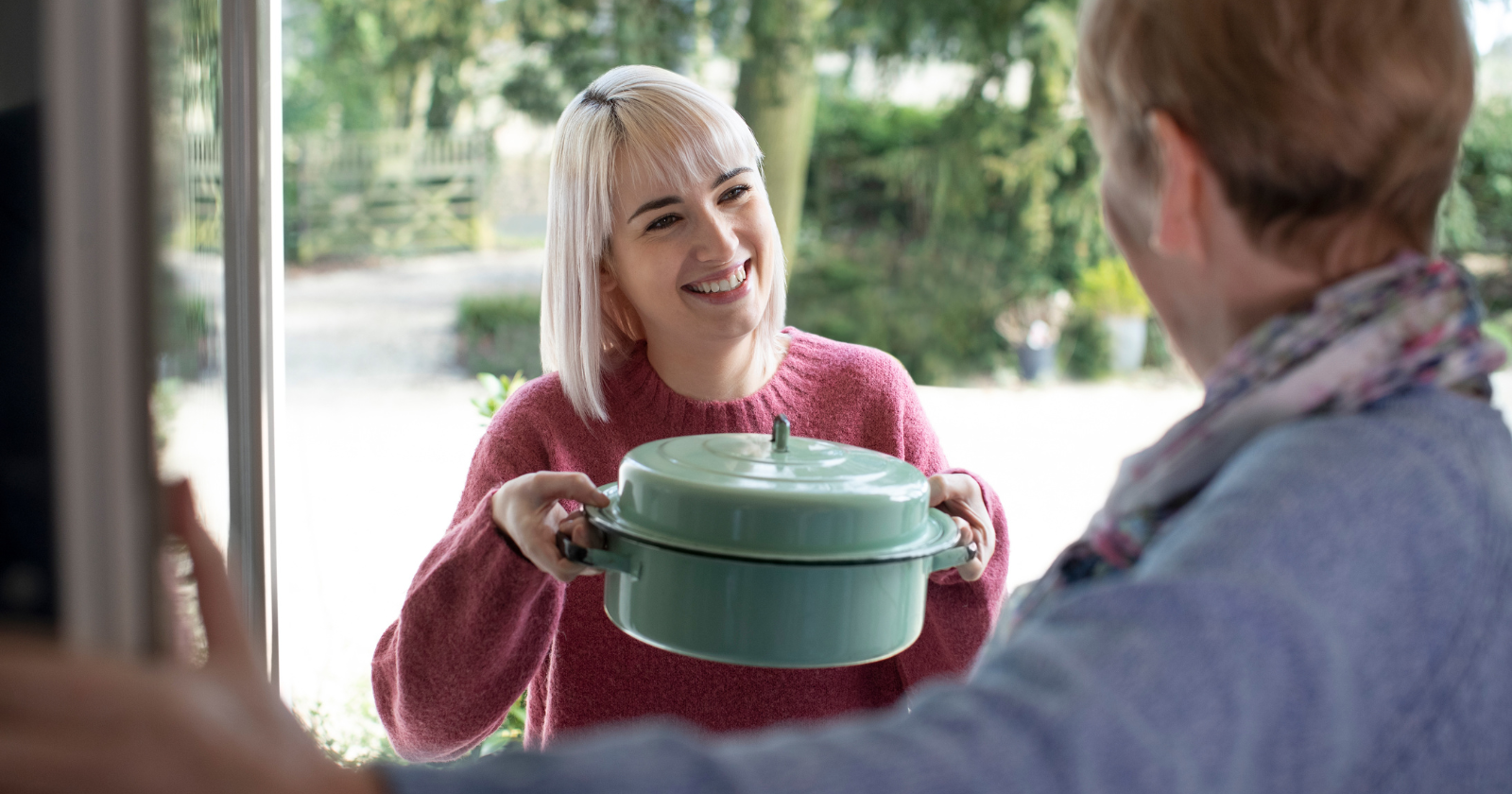
You didn't just lose a husband-you also folded yourself into his family's grief and stood beside them through their darkest moments. Those ties don't simply disappear because life moves forward. Knowing that firsthand, I want to acknowledge the very human dilemma you are facing. You're balancing loyalty to someone who has been family for a long time with the commitment you are now making to a new partner. These are not simple emotional shifts. They require courage, clarity, empathy, and a whole lot of heart.
Relationships
fromwww.theguardian.com
1 month agoThe hill I will die on: Britons love saying thank you I think we should ban the phrase | Sangeeta Pillai
You get a coffee. The barista tells you how much you need to pay. You say thank you. They take your card for payment. They say thank you. They give you the coffee. You say thank you. They say thank you for your thank you. Then you say thank you for their thank you. By this point, the words thank you have lost all meaning, and both parties are exhausted by the pointless stream of politeness.
Relationships
[ Load more ]