#celtic-sea-salt
#celtic-sea-salt
[ follow ]
#seafood #salmon #welsh-cuisine #food-safety #sustainability #cornwall #lobster #culinary-traditions #cooking
London music
fromCN Traveller
2 weeks agoA seaside town without any sea? The charming British spot drawing in curious travellers
Parkgate, a former 18th-century port on the Dee Estuary, transformed from a bustling harbor into marshland due to centuries of natural silting that gradually replaced water with mud flats.
fromThe Mercury News
3 weeks agoRecipe: Dungeness Crab Cakes with panko and herbs from National Geographic
Nearly 40 miles of untamed coastline are protected in Redwood National and State Parks in Northern California. This means that besides viewing the massive, jaw-dropping trees, visitors can also meander the Pacific Ocean's edge, marvel at cliffs and perhaps even spot a gray whale. Of course, the sea's bounty also provides a delicious meal at the end of a drive or a hike.
LA food
Travel
fromCN Traveller
6 years ago25 of the most beautiful beaches in Cornwall: Blue Flag bliss, unspoilt sands and stunning Atlantic views
Cornwall's coastline spans hundreds of miles with diverse beaches ranging from energetic surf destinations to secluded coves, each offering distinct experiences from dramatic Atlantic cliffs to sheltered turquoise bays.


fromTasting Table
3 weeks agoThe 'Oyster Capital Of The East Coast' Isn't The State You Might Expect - Tasting Table
East Coast oysters are known and loved over the world for the clean minerality and distinctive salinity, which is reflective of the cold Atlantic waters where they come from. Although Maine and Maryland get a lot of credit, oysters are present along the continent's entire eastern coast, as far north as Canada's Prince Edward Island all the way down to South Florida.
Silicon Valley food
Health
fromwww.theguardian.com
1 month agoSea moss is everywhere on TikTok yes it's natural but that doesn't mean it's safe or beneficial for all | Antiviral
Sea moss, an algae-based supplement trending on social media, lacks sufficient human studies to support widespread health claims despite containing various nutrients and showing promise in early-stage research.
Agriculture
fromEater
1 month agoHow One Farm Raises the Rarest, Most Expensive Mollusk in America
The Cultured Abalone Farm in Santa Barbara is the primary source of commercially farmed red abalone in the U.S., supplying restaurants nationwide while supporting conservation efforts for nearly extinct wild populations.
Miscellaneous
fromTasting Table
1 month agoThis Vibrant Long Beach Restaurant Serves Some Of The City's Best Seafood - Tasting Table
Selva in Long Beach offers fresh seafood and Colombian cuisine under chef Carlos Jurado, featuring dishes like ceviche, grilled octopus, and whole fish with highly praised service and ambience.
Cooking
fromTasting Table
2 weeks agoThe Subtle Difference Between Salt Beef And Corned Beef - Tasting Table
Corned beef and salt beef are technically distinct cured beef products, with corned beef brined in salt and complex spices while salt beef uses simpler salt or saltpeter brining, though regional usage often treats them as interchangeable.
fromThe Takeout
4 weeks agoYour Guide To The Types Of East Coast Oysters - The Takeout
Generally, East Coast oysters are brinier than West Coast oysters. Eastern oysters, raised either in the Atlantic Ocean or in its estuaries, live in a much saltier environment. West Coast oysters are mostly raised in protected bays, estuaries, and tidal rivers, where there is much less salt.
Silicon Valley food
fromTasting Table
1 month agoThe Simple Trader Joe's Frozen Seafood That Needs To Be In Your Cart - Tasting Table
These scallops are wild caught in the Southwest Atlantic Ocean off the coast of Argentina, and while they are on the smaller end, they are every bit as delicious. Plus, you can feel good about buying them, as they are harvested using what is called an "otter trawl," a system that reduces bycatch and lands them among the more sustainable seafood options.
Food & drink


US politics
fromwww.independent.co.uk
2 months agoOnions and chips keep washing up on England's south coast. Here's why
Container losses during storms deposited consumer goods on UK shores, offering oceanographers a rare real-time opportunity to study currents while highlighting the global scale of containerized trade.
Miscellaneous
fromwww.theguardian.com
1 month agoIt's betrayal': Shetland's scallop fishers brace for arrival of UK's largest salmon farm
Approval of the UK's largest planned salmon farm in Shetland intensifies conflict between local scallop fishers and fish-farm operators over ecological and economic strain.
fromMail Online
1 month agoSeaweed: Why adding the iodine-rich plant can boost your health
This unassuming marine macroalgae (to give it its proper name) is packed full of vital minerals and nutrients, and can make for an unglamorous, yet functional addition to your diet. Seaweed is exactly as the name suggests - an edible marine algae that grows along coastlines and on rocks under the water. It comes in thousands of varieties, but the ones we eat most commonly fall into three groups: brown (like kelp and wakame), red (nori, dulse), and green (sea lettuce).
Food & drink
fromABC7 San Francisco
2 months agoOff-the-boat Dungeness crab sales begin at SF Fisherman's Wharf for eager buyers
SAN FRANCISCO (KGO) -- Bay Area crab lovers rejoice! After weeks of delays, fresh off the boat Dungeness crab sales started Sunday. Local crabbers are selling their catches directly to customers again this year at San Francisco's Fisherman's Wharf. The first Dungeness crab catch just arrived at Piers 45 and 47 at Fisherman's Wharf. A steady stream of Bay Area crab lovers was eager to buy.
SF food
fromTasting Table
2 months agoNew England's Unique Topping For Clam Chowder Is A Lot More Hearty Than Oyster Crackers - Tasting Table
In New England, the official dipping buddy for creamy clam chowder is called a common cracker, and it's different than any other cracker in almost every possible way. For starters, it's larger (about the size of a Ritz cracker), rougher, and looks unmistakably old-school. The common cracker's flavor is also deliberately restrained. Wheaty, crunchy, and very hearty - these unleavened crackers swell slightly in creamy New England clam chowder. This makes them take on a dumpling-like quality, and it's not accidental.
Food & drink
fromLondon On The Inside
1 month agoLearn How to Shuck and Dress Oysters at Noisy Oyster
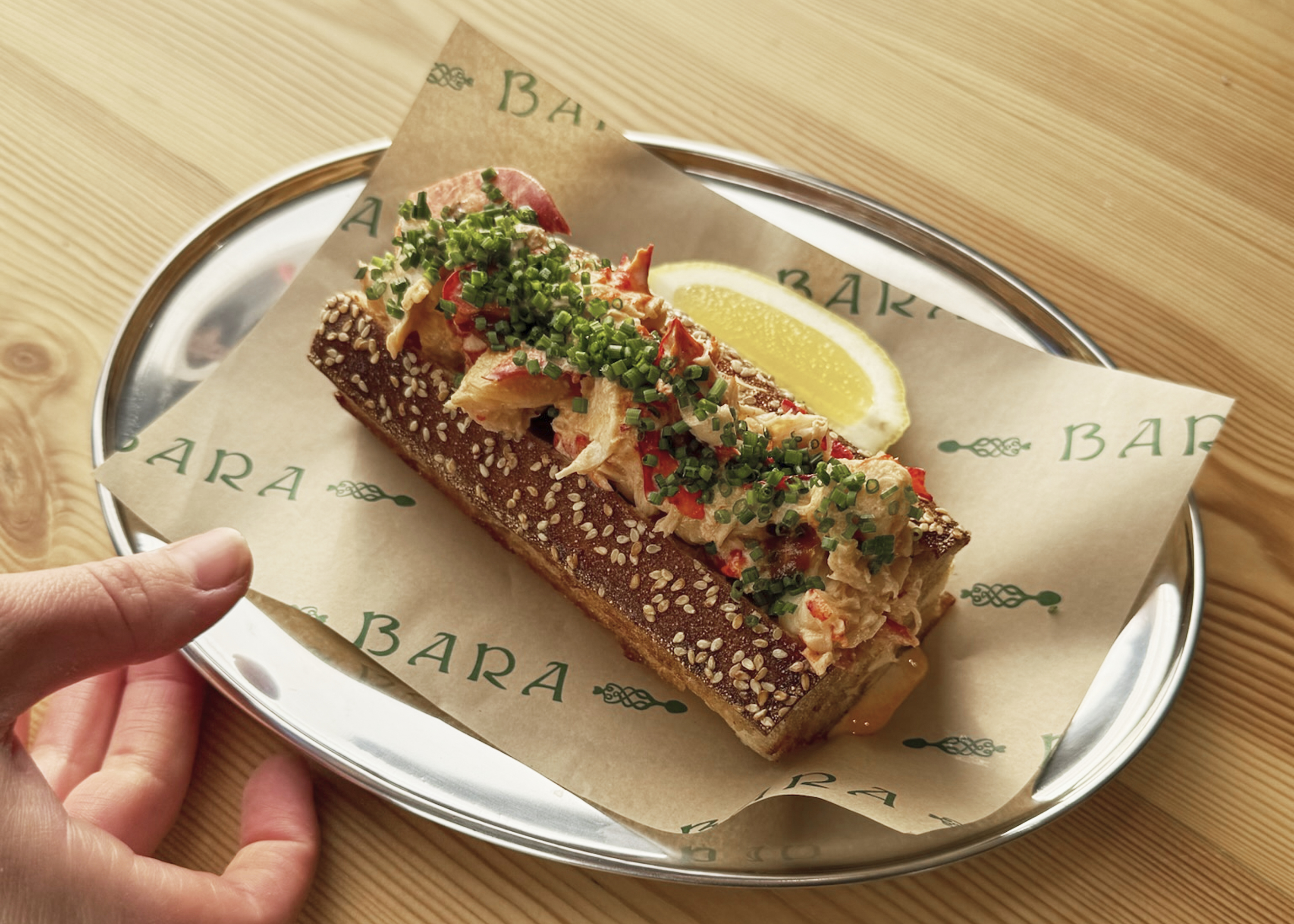
The place is a real looker - minimalist and monochromatic interiors with plenty of stainless steel and exposed features - and the menu is more than a match, showcasing the best seafood from across the UK in dishes inspired by the coastal regions Italy, Spain, Portugal and France. Given oysters are in the name, it's no surprise that Noisy Oyster has them on the menu,
Food & drink
fromTasting Table
2 months agoYou Need To Stop Throwing Out The Green Part Of Lobsters ASAP - Tasting Table
But when you pull off that tail section, you will reveal inside the cavity something that stands out against all of the pink and white flesh - a strange green paste. For many bib-clad lobster eaters, this green stuff ends up in the bin along with the scraps of cracked and empty shells, but they don't know what they are missing. That green paste is called tomalley, and despite its potentially off-putting appearance, it's a part of the lobster experience begging to be savored.
Cooking
fromTasting Table
2 months agoThe Difference Between Saltwater Vs Freshwater Shrimp - Tasting Table
When it comes to the list of the most popular seafood in the U.S., shrimp is far and away the most consumed. While we tend to think of seafood as coming from saltwater oceans, this list also includes freshwater fish, clams and shrimp. It's true that most of shrimp we eat comes from saltwater habitats, but freshwater shrimp has its place at the table. Setting aside the distinction between shrimp and prawns, there are some key differences between freshwater and saltwater shrimp that you should know.
Food & drink
Food & drink
fromTasting Table
2 months agoKeep An Eye Out For This Seafood-Label Red Flag At The Grocery Store - Tasting Table
Check seafood for off smell or color, suspicious price, unsanitary displays, additives like phosphates, mislabeling, and proper certifications to avoid poor-quality or fraudulent seafood.
Food & drink
fromTasting Table
2 months agoThis Old-Fashioned Seafood Breakfast Has All But Disappeared - But It's Not Gone For Good - Tasting Table
Poached kippers are a traditional British breakfast made from fatty, cold-smoked herring, offering rich smoky umami flavor and traditionally simmered briefly in water.
fromTasting Table
1 month agoThe Seafood Sandwich To Try If You Love Lobster Rolls - Tasting Table
Nothing screams summer in New England more than a fresh, buttery lobster roll. Whether you like yours served cold and loaded with creamy filling or you prefer a bun stacked with warm, naked claws, lobster rolls are a staple part of the Northeastern diet - and they're often enjoyed in other parts of the country too. If you're a fan, then there's another seafood sandwich you should try, especially if lobsters aren't commonly found in your area: Scallop rolls.
Cooking
fromCN Traveller
3 years agoA ranking: the best Cornish pasties in Cornwall
Its origins lie in the county's mining past, where it was devised as a complete, portable meal. The crimp acted as a handle, and some pasties were even made with different fillings at each end, offering both savoury and sweet in a single bake. Debate over the perfect pasty remains lively, but the classic combination of beef, potato, onion and swede is still the benchmark, and for many, still the one to beat.
Food & drink
[ Load more ]