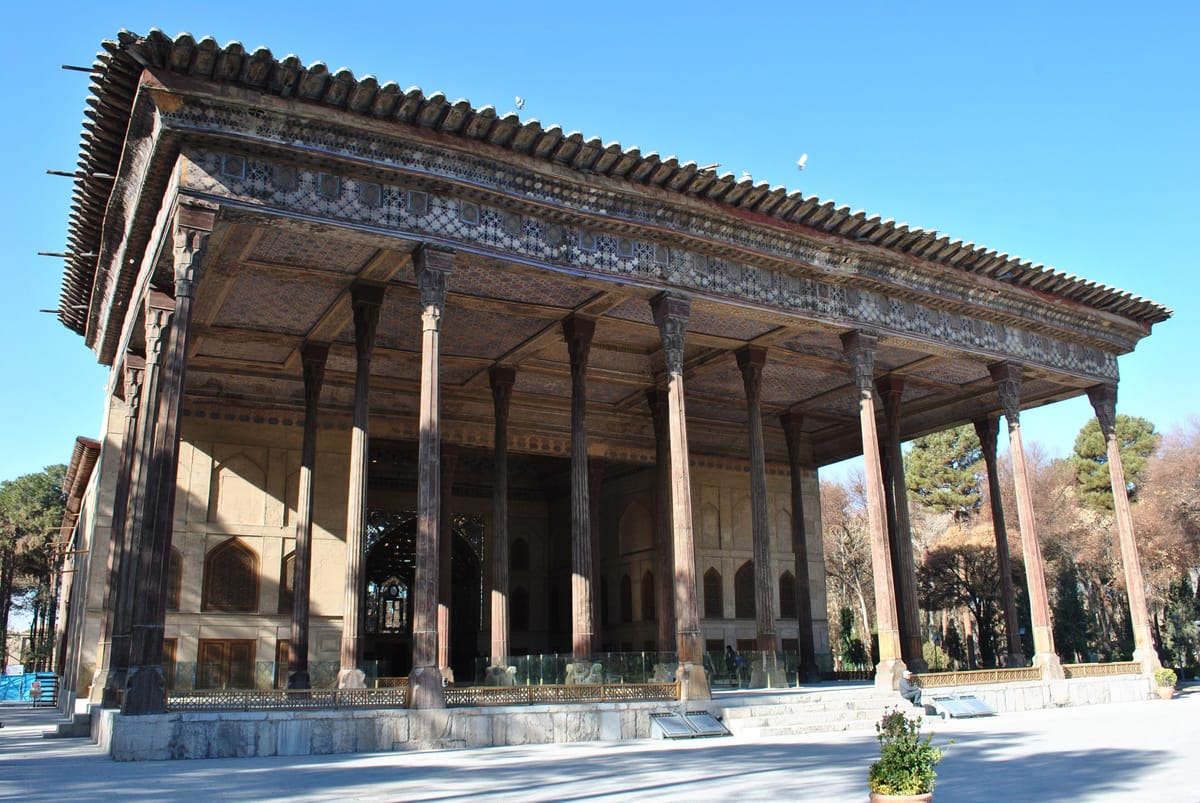
#chehel-sotoun-palace
#chehel-sotoun-palace
[ follow ]

fromArtnet News
2 weeks agoThe Cultural Heritage Sites Damaged by the U.S.-Israel War on Iran
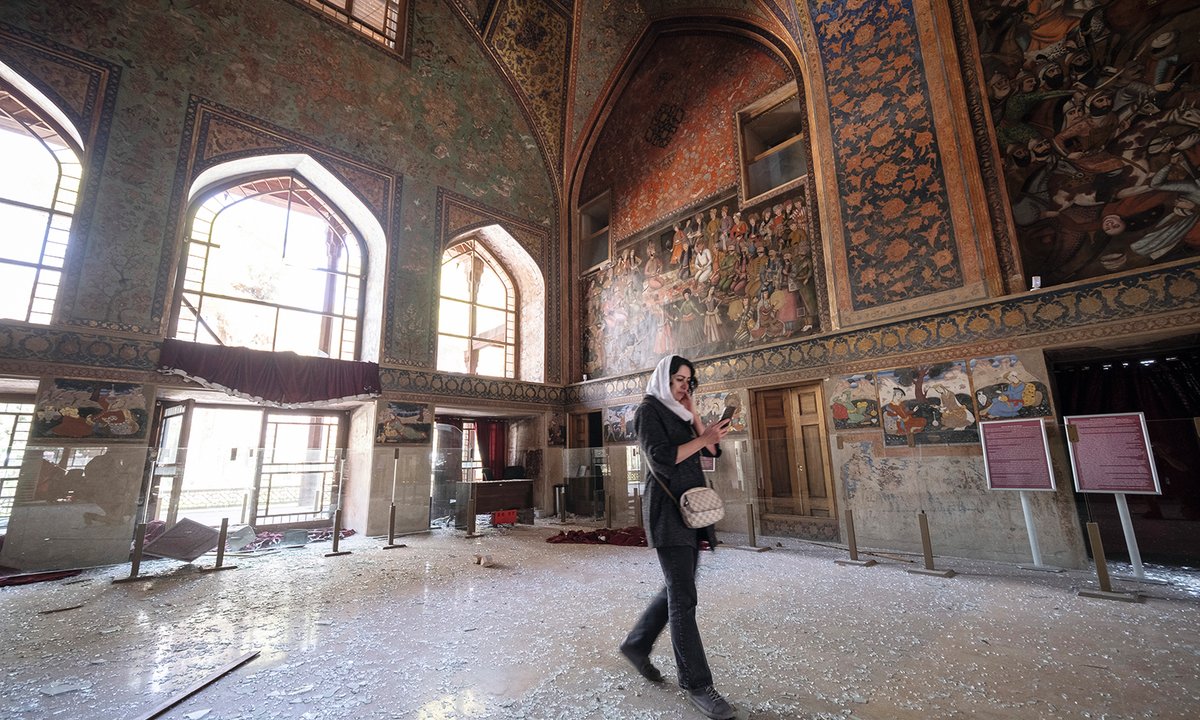
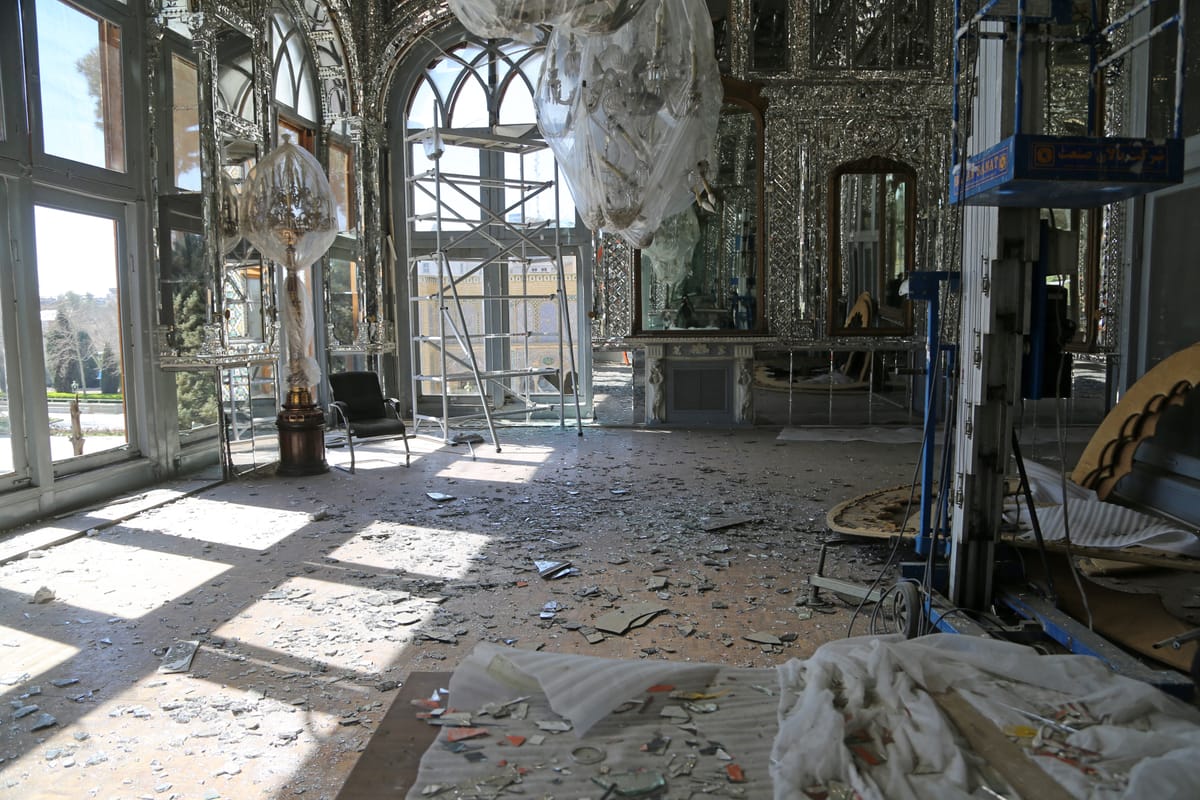
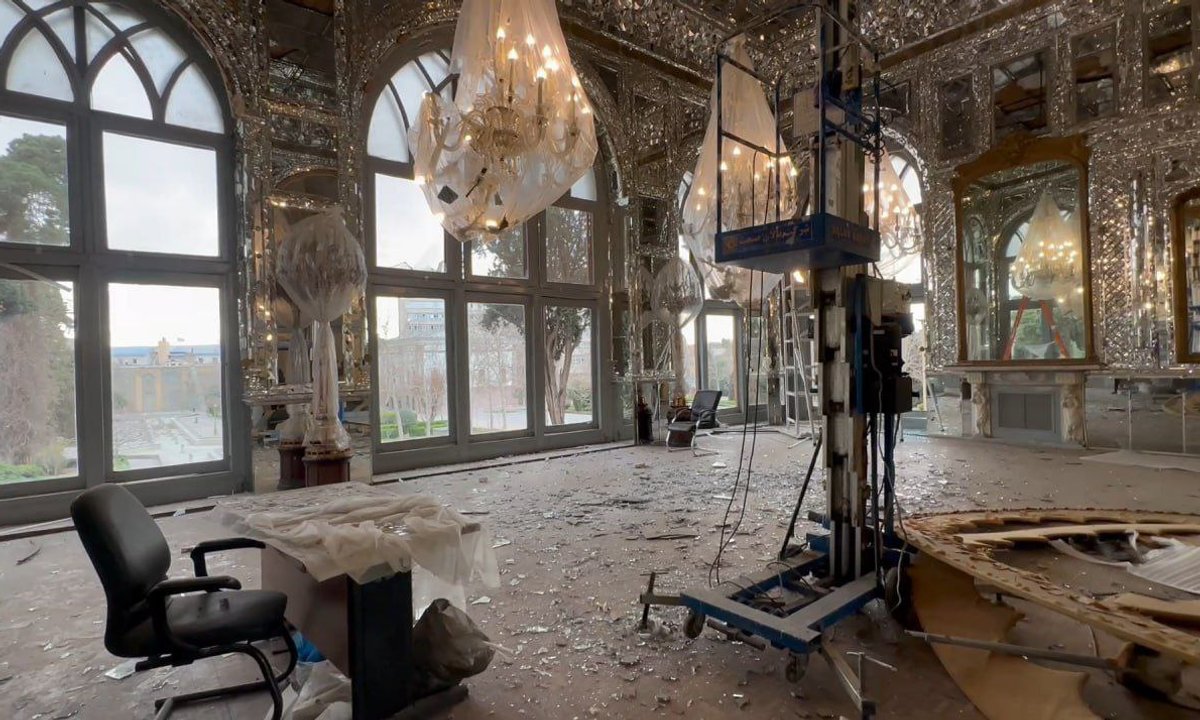
After the historical Iranian city of Isfahan was targeted by several major strikes, its governor Mehdi Jamalinejad claimed that serious damage had been inflicted even after blue shields were put on the roofs of culturally important buildings. This is an internationally recognized signal under the 1954 Hague Convention for the Protection of Cultural Property in the Event of Armed Conflict.
Arts



Arts
fromThe Art Newspaper - International art news and events
3 weeks agoUnesco sites in Iranian city of Isfahan damaged by US-Israel strikes
UNESCO World Heritage sites in Iran, including Isfahan's Safavid monuments, have sustained significant damage from US-Israeli military strikes, threatening irreplaceable cultural artifacts and architectural treasures.
fromLos Angeles Times
19 years agoIn Defense of the Persian Palace
A compleat Persian Palace--there are many minor variations and lesser imitations--is distinguished by its exaggerated moldings, numberless layers of cornices, elaborate grillework and columns galore. A Persian Palace brazenly combines motifs and wantonly disregards proportion and scale.
LA real estate
World news
fromwww.aljazeera.com
2 weeks agoInside Qeshm, Iran's underground missile fortress and geological marvel
Qeshm Island in the Strait of Hormuz has transformed from a tourist destination into a strategic military fortress hosting Iran's underground missile cities, becoming a critical flashpoint in US-Israel tensions with Iran.
Arts
fromThe Art Newspaper - International art news and events
3 weeks agoThe story behind the only Van Gogh in Iran: 'At Eternity's Gate'"
A Van Gogh lithograph titled 'At Eternity's Gate' from 1882, depicting an elderly man, remains locked in Tehran's museum vaults since the 1979 Islamic Revolution, symbolizing cultural disconnection amid Middle East tensions.
fromBusiness Insider
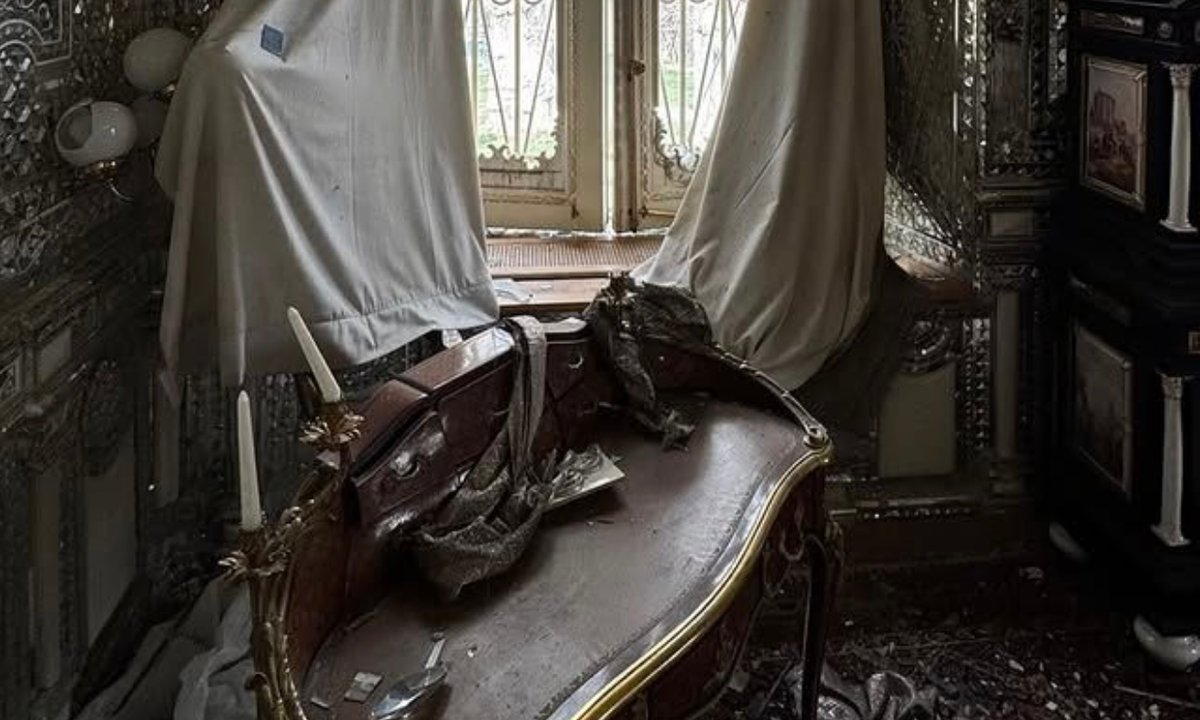
4 weeks agoThis UNESCO World Heritage Site was damaged during strikes on Iran. See what the palace looks like now.
For over 400 years, the Golestan Palace and its ornate mirror halls, lush gardens, and intricately tiled facade have stood as a testament to Persian opulence and the artistic and political heritage of Iran. The palace, originally built as part of a royal citadel in the 1500s and later renovated and expanded into a royal residence in the 18th and 19th centuries, has remained through centuries of dynastic upheavals, the 1979 Islamic Revolution, and the country's recent history.
World news
World news
fromwww.theguardian.com
1 month agoThere's no safe place any more': inside Tehran under attack photo essay
Iran faces escalating military conflict with the US and Israel, resulting in over 1,200 deaths including Supreme Leader Ali Khamenei, widespread destruction in Tehran, and retaliatory strikes across the Middle East.
Design
fromdesignboom | architecture & design magazine
2 months agocurved arches stack together for central courtyard villa by nextoffice in iran
A continuous, stacked-arch courtyard reinterprets Iranian courtyard typology, creating a porous three-dimensional central void that organizes light, movement, privacy, and climate control.
fromdesignboom | architecture & design magazine
2 months agosculptural steel staircase and wall breathes new life into iranian poet's 1970s home
The intervention centers on a second-floor wall inscribed with a handwritten poem by Shamlou addressed to his wife and muse, Aida. Rather than treating the inscription as a preserved artifact, the design extends this wall into a spatial and semi-structural element that organizes circulation throughout the building. Known as the 'Aida Wall,' the new structure rises from the to the , forming a three-dimensional promenade that connects interior programs and visually opens the house toward the surrounding city.
Remodel
Design
fromdesignboom | architecture & design magazine
2 months agovaulted palm canopy shields dry stone guesthouse cluster in southeastern iran
A community-built guesthouse uses local materials, vernacular techniques, and a central courtyard to support community-led tourism and reinforce social practices in Kahnanikash.
fromwww.thehistoryblog.com
1 month agoMosaics displayed under floor of new Istanbul museum
An intact mosaic from Late Antiquity discovered during restoration of a historic municipal building in Istanbul is now a floor again, covered in plexiglass and welcoming visitors to the new Zeytinburnu Mosaic Museum. Visitors of Turkey's newest museum move across elevated glass walkways, suspended right above the original floors themselves. The mosaics are not relocated fragments mounted on walls, but surfaces that remain exactly where they were first laid, preserving their context for all to see.
History
[ Load more ]