#child-malnutrition
#child-malnutrition
[ follow ]
#displacement #global-health #food-insecurity #humanitarian-crisis #public-health #child-development
Psychology
fromSilicon Canals
20 hours agoPsychology says people who grew up poor and became successful often can't fully enjoy it - not because they're ungrateful, but because some part of them never stopped waiting for it to disappear - Silicon Canals
Successful individuals often struggle with feelings of scarcity and anxiety about their financial stability, despite their achievements.


fromTruthout
4 days agoLow-Income Moms Struggle to Keep Their Families Afloat Amid Gas Price Increases
Luna Rosado, a single mother, has seen her gas expenses rise by $40 weekly due to a 30 percent increase in prices after the war in Iran. This has resulted in $160 less for groceries and other necessities each month, forcing her to constantly adjust her budget.
Washington DC

fromwww.theguardian.com
2 weeks agoWomen and girls bearing brunt of water shortages globally, UN warns
Women are responsible for collecting water in more than 70% of rural households that do not have access to mains water across the developing world. Women and girls collectively spend 250m hours a day collecting water globally. The climate crisis is exacerbating the problem, according to a new report from the UN.
Women
Berlin food
fromwww.aljazeera.com
2 weeks agoUN warns of record hunger, 45 million more at risk, if Iran war continues
Continued Middle East conflict through June could push 45 million additional people into acute hunger, reaching a record 319 million globally, due to shipping cost increases and humanitarian aid route disruptions.
World politics
fromNature
3 weeks agoNational statistics are in crisis around the world - and the impacts will be severe
Official statistics face a credibility crisis due to falling survey response rates and political undermining, threatening the data infrastructure that governments, businesses, and organizations rely on for decision-making.
Public health
fromwww.independent.co.uk
2 weeks agoWomen almost 150 times more likely to die from maternal sepsis in Africa than Europe
Women in sub-Saharan Africa are 150 times more likely to die from maternal sepsis than mothers in developed nations due to inadequate water, sanitation, and hygiene infrastructure in maternity wards.
World news
fromwww.aljazeera.com
3 weeks agoHunger is looming over Yemen, urgent action is needed
Yemen faces its worst food security crisis since 2022, with 18 million people projected to face worsening food insecurity in early 2026, and famine conditions expected to emerge in four districts within two months.
US politics
fromwww.theguardian.com
1 month agoRising anger over lop-sided' and immoral' US health funding pacts with African countries
African countries are rejecting US bilateral health agreements as exploitative, with demands for biological resources, data sharing, and mineral access violating national sovereignty.
Food & drink
fromwww.theguardian.com
1 month agoWhy food justice isn't being served in America
Food justice advocates often misrepresent South Central Los Angeles as a resource-depleted food desert lacking grocery stores and knowledgeable residents, contradicting anthropological research documenting abundant food retail and community food practices.


fromThe Atlantic
1 month agoFour Conditions Make Cash Transfers Save Lives
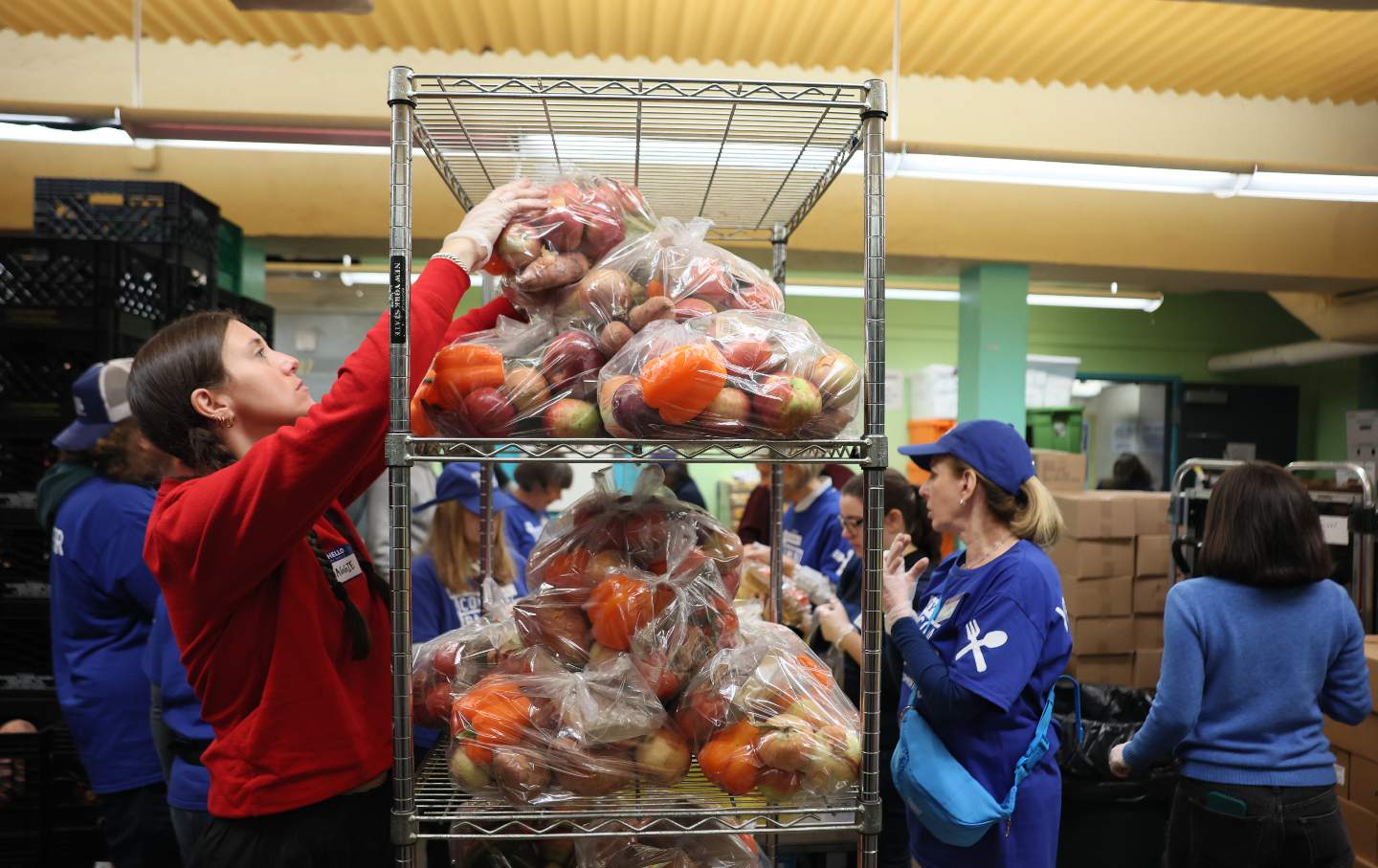
Cash transforms health when four particular conditions are met. Most U.S. cash-transfer pilots have lacked them. But one major American policy does come close: the federal food-assistance program SNAP. Its success offers a road map for what effective cash assistance can look like in this country, if we choose to build on it.
Public health
fromPsychology Today
2 months agoChildren's Mental Health in the US: An Outsider's View
The Missing Social Unit From middle school onward, American children don't belong to a "class" in any stable sense. They move continuously - subject to subject, room to room, teacher to teacher. There's extensive discourse around respect, equity, and inclusion. But there's remarkably little structured attention to the actual social life of any group. Because there isn't really a group.
Education
fromwww.independent.co.uk
2 months agoNearly 23 million extra deaths worldwide by 2030 as aid cuts bite, study says
From reproductive rights to climate change to Big Tech, The Independent is on the ground when the story is developing. Whether it's investigating the financials of Elon Musk's pro-Trump PAC or producing our latest documentary, 'The A Word', which shines a light on the American women fighting for reproductive rights, we know how important it is to parse out the facts from the messaging. At such a critical moment in US history, we need reporters on the ground.
US politics


Psychology
fromSilicon Canals
2 months agoYou know someone grew up without money when they do these 8 things at grocery stores-and they have no idea how obvious it is - Silicon Canals
Childhood financial scarcity creates lasting grocery-shopping behaviors—habitual price-checking, full-cart preference, and mental arithmetic—even after financial circumstances change.
fromwww.independent.co.uk
2 months agoLower income and single parents more wary of stigma' around free breakfast clubs
From reproductive rights to climate change to Big Tech, The Independent is on the ground when the story is developing. Whether it's investigating the financials of Elon Musk's pro-Trump PAC or producing our latest documentary, 'The A Word', which shines a light on the American women fighting for reproductive rights, we know how important it is to parse out the facts from the messaging.
US politics
fromwww.theguardian.com
1 month agoInfluencers, misinformation and aid cuts: the fight to halt polio in Malawi
The effort in Malawi, one of the world's poorest countries and badly hit by the aid cuts, has seen an astonishing 1.3 million children already vaccinated against the disease in just four days after emergency supplies were airlifted in by the World Health Organization (WHO) just over a week ago. Malawi declared the outbreak after the virus was detected in two environmental samples taken from two sewage plants in Blantyre, the country's second-largest city and where the only known victim lives.
Public health
fromFortune
2 months agoHow to fight child hunger in a time of foreign aid cuts | Fortune
Already, 2026 is proving to be a challenging year for global hunger. Last year, the global development sector faced enormous upheavals, with the United States and other donor countries slashing aid budgets even as low-income countries struggled with debt burdens. Steep aid cuts have exacerbated existing food security crises-whether from Russia's war with Ukraine disrupting international food supplies or farmers losing tens of billions of dollars due to climate change.
World news
fromNature
2 months agoDeveloping super-tortillas to address malnutrition in Latin America
The humble tortilla is an iconic food staple in Mexico. Everyone eats them, regardless of age or income. The ingredients for the tortilla I was frying in this photo have been fermented to include probiotics and prebiotics for gut health. My research focuses on developing such fermented nutraceuticals - nutritious products with pharmaceutical benefits - to help improve people's metabolic health and combat the malnutrition prevalent in some of Mexico's poorest communities.
Food & drink
fromTruthout
2 months agoIn Gaza, We're Struggling to Reintroduce Foods to Bodies Adjusted to Starvation
Since October's ceasefire, which meant Israel would allow some - but not nearly enough - aid trucks to enter our besieged Strip, people in Gaza have desperately been eating, whenever possible, what they had been deprived of previously. Yet, as a result, many have developed " refeeding syndrome," which is a serious medical condition. Refeeding syndrome occurs when food is suddenly reintroduced after a prolonged period of starvation - and Israel has subjected those of us in Gaza to such periods on multiple occasions.
World news
fromwww.theguardian.com
2 months agoThe Guardian view on food security: Britain can no longer trust markets alone | Editorial
Food policy across much of the world is changing. But not in Britain. That may be a costly mistake as the prices of essentials rise because of the climate emergency, geopolitical tensions and the fragility of just-in-time supply chains. Many capitals are now reviving their strategic food reserves. European nations such as Sweden, Finland, Norway and Germany are rebuilding stocks dismantled after the cold war.
Food & drink



fromwww.theguardian.com
2 months agoAid cuts could cause 22m avoidable deaths by 2030, study finds
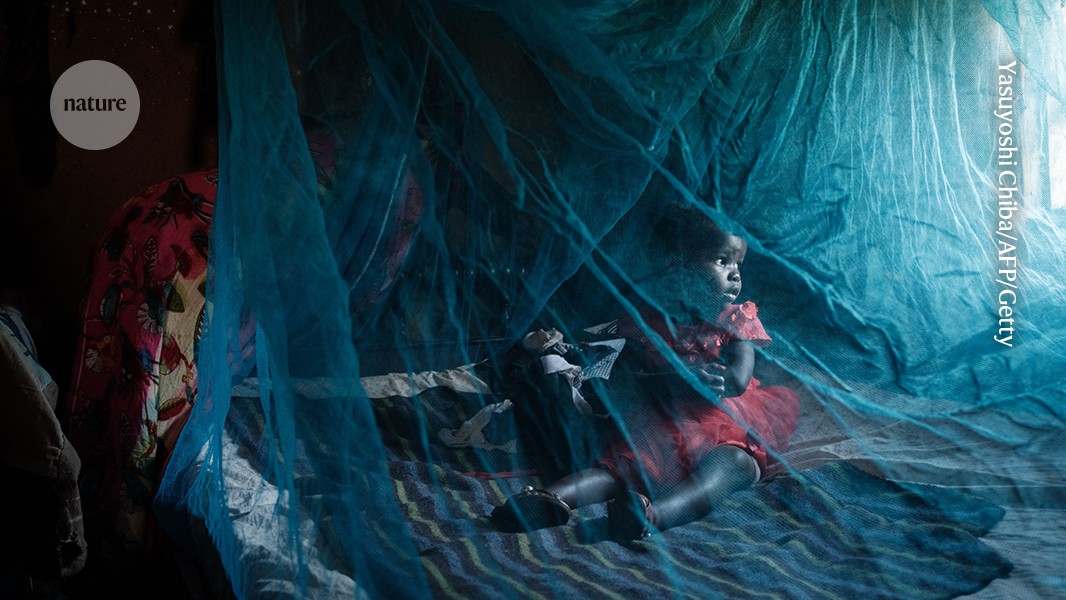
Aid cuts could lead to more than 22 million avoidable deaths by 2030, including 5.4 million children under five, according to the most comprehensive modelling to date. In the past two decades there have been dramatic falls in the number of young children dying from infectious diseases, driven by aid directed to the developing world, researchers wrote in the Lancet Global Health. But that progress was at risk of reversal because of abrupt budget cuts by donor countries, including the US and the UK.
Public health
Public health
fromwww.theguardian.com
2 months ago27-day-old baby becomes eighth to die of hypothermia in Gaza this winter
Extreme cold and collapsed maternal-newborn care in Gaza have caused hypothermia infant deaths and sharply increased maternal and neonatal mortality amid displacement and shortages.
fromwww.theguardian.com
2 months agoQuarter of developing countries poorer than in 2019, World Bank finds
A quarter of countries in the developing world are poorer than they were in 2019 before the Covid pandemic, the World Bank has found. The Washington-based organisation said a large group of low-income countries, many in sub-Saharan Africa, had suffered a negative shock in the six years to the end of last year. The bank said global growth had downshifted since the pandemic, and the pace was now insufficient to reduce extreme poverty and create jobs where they're needed most.
World news
from48 hills
2 months agoThe US fails again to fix the real causes underlying poor health - 48 hills
If you're smoking three packs of cigarettes a day, should you expect society to pay when you get sick?" He added that while Americans would always have the right to "eat donuts all day," nevertheless, "should you then expect society to care for you when you predictably get very sick at the same level as somebody who was born with a congenital illness?
Public health
fromPsychology Today
2 months agoUnderstanding and Addressing Limited Health Literacy
Adult literacy advocate Toni Cordell recounts the story of feeling comforted when her doctor told her that her medical concern could be solved with an easy surgery. She agreed to proceed without asking further questions and didn't understand the medical consent forms because she didn't read well. At a follow-up office visit a couple of weeks after the procedure, Cordell was shocked when the nurse asked, "How are you feeling since your hysterectomy?"
Public health
[ Load more ]