Design
fromPsychology Today
8 minutes agoThe Future of Brain Health Is Architecture
The built environment significantly influences mental health, mood, and performance, with neuroscience guiding design for improved well-being.
Special needs summer camps are specialized programs designed for children and young adults with a range of disabilities, including autism spectrum disorder (ASD), ADHD, Down syndrome, and other developmental or physical challenges.
"Golden Gate Fields offers a truly generational opportunity to reimagine a world-class bayside park for the Bay Area. With the East Bay Regional Park District and a wide range of public and community partners, we have the chance to expand shoreline access, restore vital ecosystems, and create a place where hundreds of thousands of residents can connect with the outdoors."
Opening this permanent location means more opportunity for kids to play soccer indoors in North Brooklyn. We're so excited to expand our offerings and be able to bring different programming to our community.
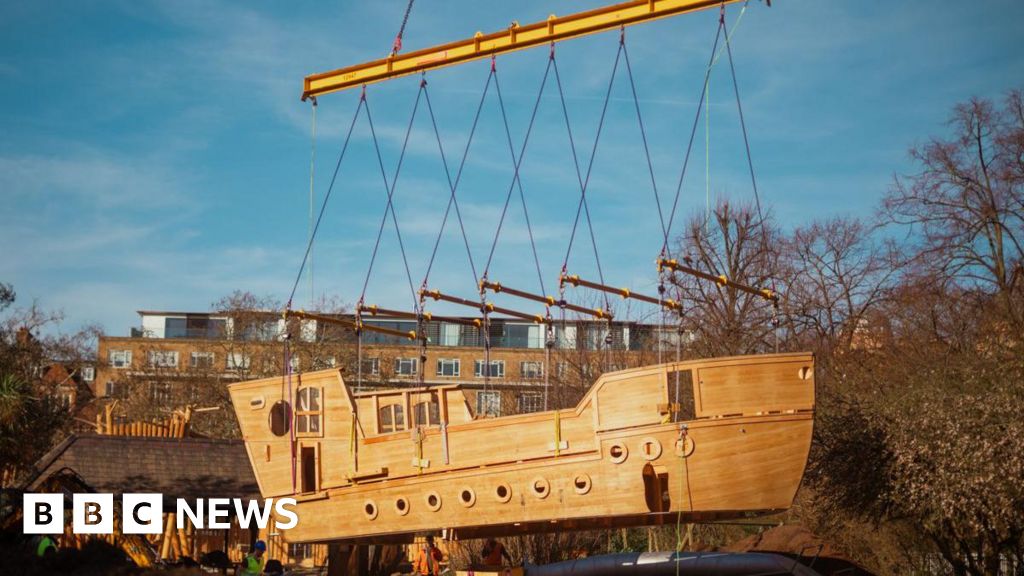
Meininger, who grew up in Germany but now lives in London, likes making things. So when he saw how much his young sons enjoyed the jungle gym and play forts at the local park, he made an indoor treehouse for them.
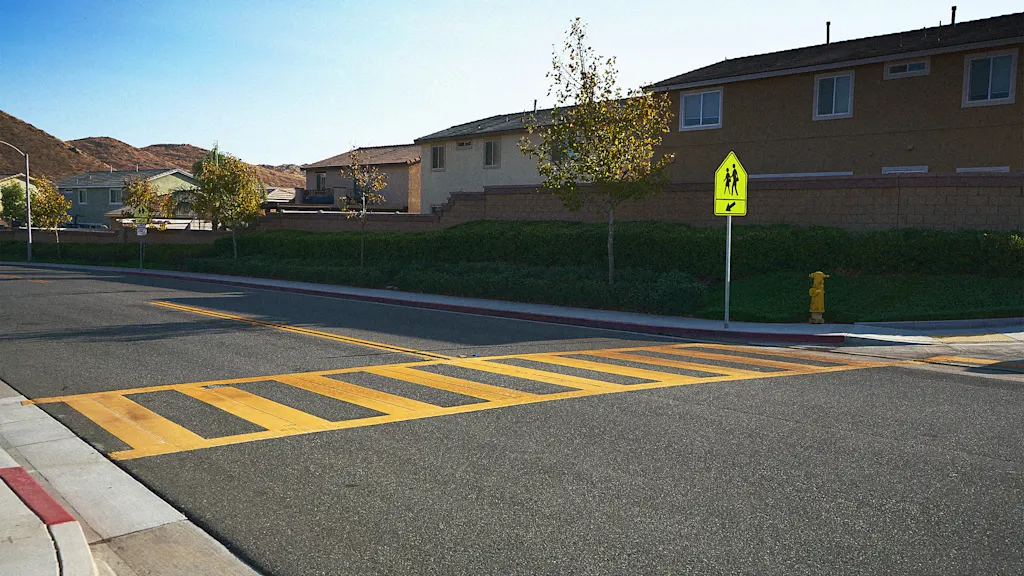
In that small 30-block zone last year, there were 486 reported crashes, injuring 76 cyclists, 108 pedestrians (one fatally) and 67 motorists, according to city stats. That's more than a crash every day, injuring more than 250 people.
The original intent of pilotis was to create a sense of lightness that would allow circulation and light to flow beneath a structure, but contemporary requirements render thin columns insufficient for large-scale civic projects.
For most of human history, night arrived as a planetary certainty. Darkness spread across landscapes, and the sky revealed thousands of stars. Today, that sky is disappearing. Artificial light spills upward from cities, scattering through the atmosphere and turning night into a permanent haze. Research mapping global sky brightness shows that more than 80 percent of humanity now lives under light-polluted skies, and the Milky Way has vanished from view for over a third of the world's population.
That someone "should get out more" is usually said as a joke, a light comment aimed at someone who seems stuck or overly absorbed in a narrow concern. It can sound dismissive or even sarcastic. Yet what if it contains serious psychological truth? We often praise people for being open-minded, creative, or flexible, as if these are stable personality traits that some individuals simply possess. We admire those who seem to think differently and assume they have access to something rare.
The petition states the playground has broken and deteriorating equipment with sharp edges, rusted metal, chipped and peeling paint, uneven concrete, rodent infestation and limited green space, all of which they feel creates a hazardous environment.
A year ago, the back lot of Normont Early Education Center was little more than a bare, heat-radiating expanse of asphalt. Outside, the Harbor City preschool reflected its industrial neighborhood: scant grass, little shade, amid a block of warehouses full of grinding machinery. To get to campus, parents must shepherd their children through a concrete labyrinth, past auto body shops and steel manufacturers. At times, the noise of grinding gears can obscure the soprano whoops and wails of the preschoolers.
Though they're individually tiny, parking spots quietly play a dominant role in shaping urban landscapes. Most US cities dedicate at least 25% of their developable land to them. Some, even more. That land usage doesn't only determine the way a city looks. It also means covering large swathes of urban areas in heat-absorbing asphalt, which contributes to making summers hotter and heightens the risk of flooding since it prevents drainage during storms and heavy rainfall.
Ruby Hill Railyard in Denver is now open to snowboarders and skiers and features 11 rails and boxes of varying configurations and skill levels. This terrain park can be found off South Platte River Drive and West Florida Avenue in the Mile High City and is free to use. "Rubyhill railyard is now OPEN!! Crazy to think we can open with the snow drought this year! The volunteers killed it! Snowmaking went incredible! Thank you."
Parents tell me this all the time, often with a mix of frustration and worry: My child just can't focus the way I could at their age. School feels harder. Emotions escalate faster. Distraction seems constant. But attention isn't a moral trait. It isn't a virtue some children have and others lack. Attention is a cognitive capacity-and it is deeply shaped by the conditions surrounding a child: sleep, stress, sensory overload, and the environment in which we're asking focus to happen.
Cities around the world share a common goal: to become healthier and greener, supported by civic infrastructure that restores ecosystems and strengthens public life. The question is how to reach this. Global climate targets, local building codes, and municipal standards increasingly guide designers and planners toward better choices. Still, many cities struggle to translate these frameworks into everyday, street-level comfort and long-term ecological protection.
Education has long been understood as a cornerstone of social development, shaping not only individual futures but also the collective capacity of societies to respond to change. Observed annually on 24 January, the International Day of Education invites reflection on the role education plays in addressing global challenges and sustaining social progress. As the world confronts overlapping challenges, from technological transformation to deepening inequalities, the question of how education is imagined, governed, and experienced has become increasingly urgent.
Jane Jacobs was also one of the voices that challenged this predominantly rationalist logic, arguing that truly vibrant streets are those capable of sustaining the diversity of everyday life, its informal exchanges, and the forms of care and natural surveillance that emerge from them. What these authors share is a fundamental insight: streets are not merely infrastructures for circulation, but social ecosystems, shaped by the relationships, uses, and encounters that take place within them.
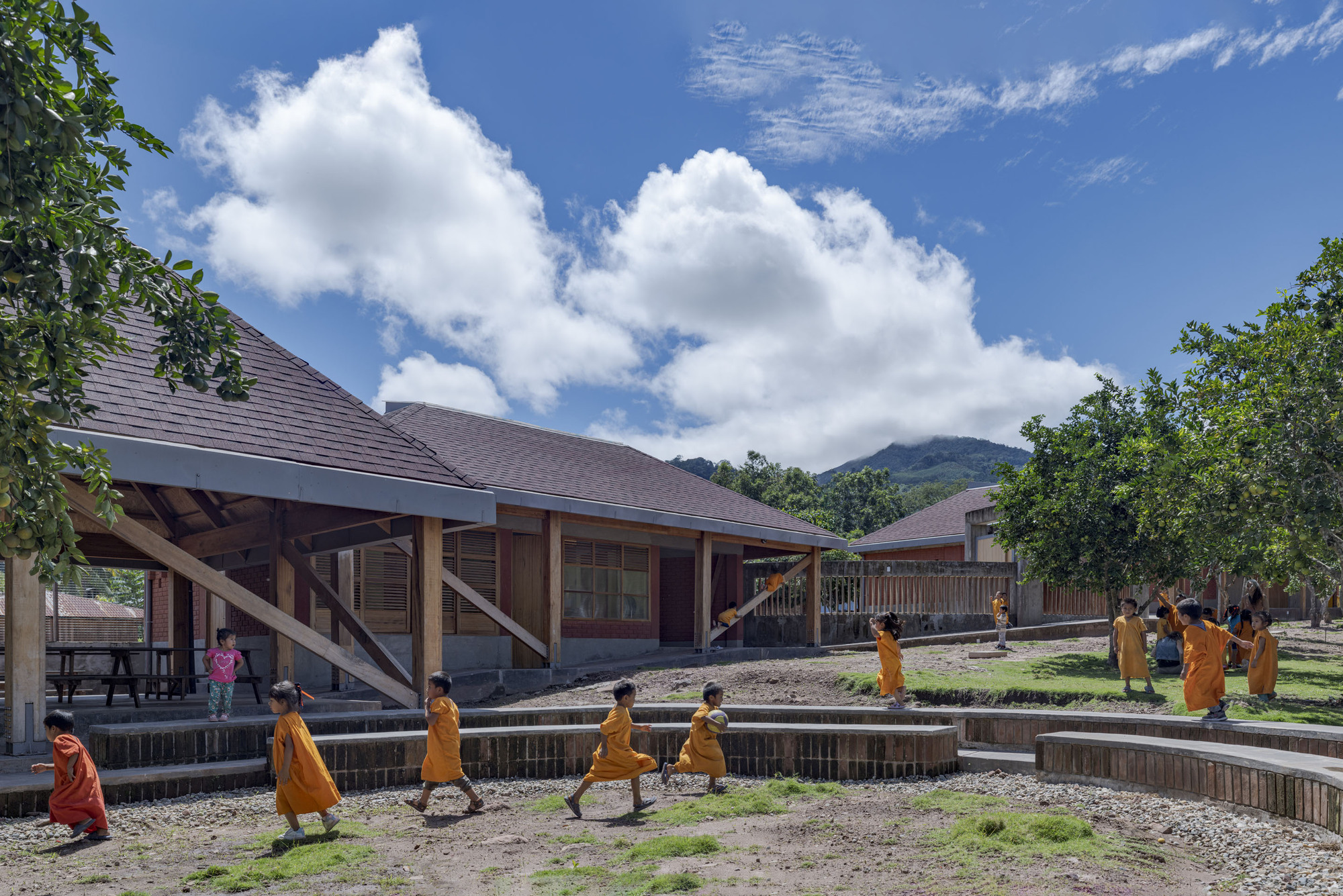
Leisure spaces are often where different generations cross paths. Without formal programs or assigned roles, they allow people to move, pause, and remain together, each engaging space in their own way. In a built environment increasingly shaped by specialization and separation, these shared spatial grounds have become less common, giving leisure-oriented architecture a renewed relevance. Discussions around public space have repeatedly pointed to the value of openness and flexibility in supporting collective life.