#china-coal-reliance
#china-coal-reliance
[ follow ]
#renewable-energy #china #energy-crisis #data-centers #environmental-impact #geopolitics #natural-gas




#ai



European startups
fromFortune
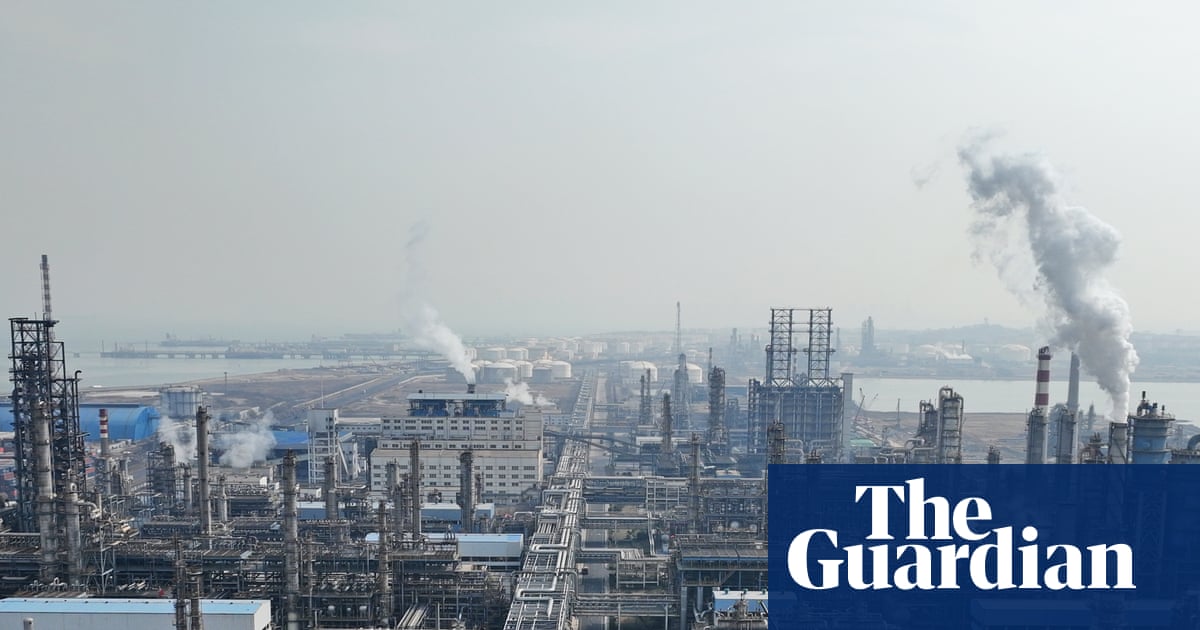
1 week agoChina could be the 'big winner' in the AI race, thanks to abundant power, cheap manufacturing, and an open-source craze | Fortune
China's AI sector is gaining momentum due to cheaper energy, increased capital spending, and a growing number of open-source developers.


fromFortune
3 days agoCountries are turning to 'structurally more resilient' energy sources as oil and gas crisis deepens, UN renewables chief says | Fortune
"A more decentralized energy system, with a growing share of renewables and more market players, is structurally more resilient. Countries that invested in the energy transition are weathering this crisis with less economic damage, as they boost energy security, resilience and competitiveness."
Environment
#coal

Environment
fromwww.theguardian.com
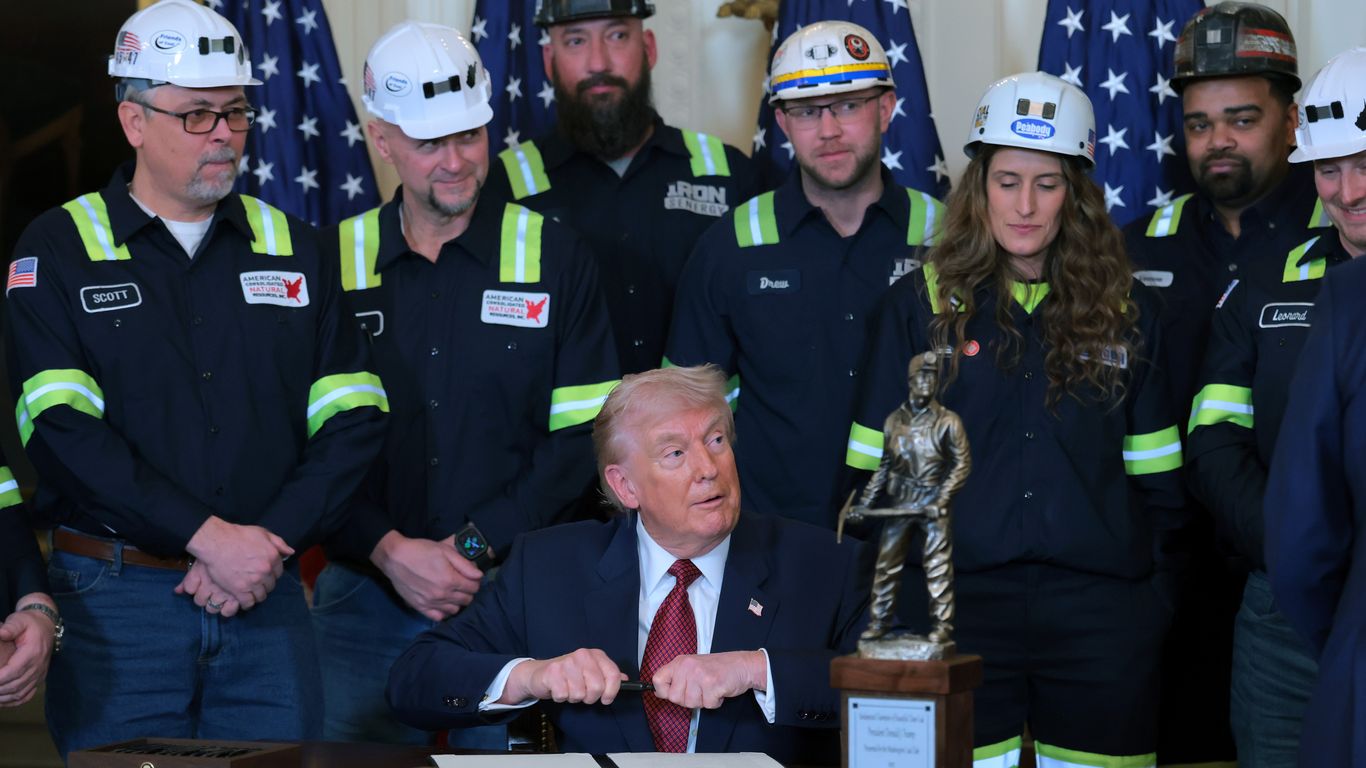
4 days agoAsia ramps up use of dirty fuels to cover energy shortfall triggered by Iran war
Asian governments are increasing coal use to address energy shortages caused by geopolitical conflicts, raising environmental concerns and calls for renewable energy investment.
Environment
fromwww.theguardian.com
4 days agoAsia ramps up use of dirty fuels to cover energy shortfall triggered by Iran war
Asian governments are increasing coal use to address energy shortages caused by geopolitical conflicts, raising environmental concerns and calls for renewable energy investment.
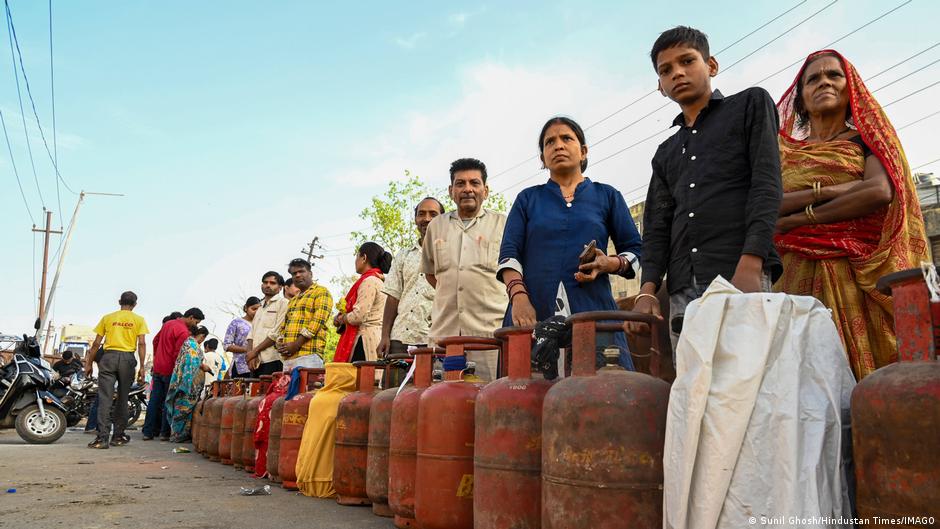
fromCN Traveller
4 days agoHow the global fuel crisis is affecting travel in Asia right now
South Korea has launched a nationwide energy-saving campaign, enforcing an odd-even vehicle restriction system for public-sector cars based on licence plate numbers. Authorities urge voluntary compliance from private vehicle owners.
Alternative transportation

Environment
fromFortune
4 days agoData centers are so hot, their 'heat island' effect is raising temperatures up to 6 miles away and impacting 343 million people worldwide, study finds | Fortune
AI infrastructure is creating a 'data heat island effect' that raises local temperatures and impacts millions of people.

#methane-emissions
Environment
fromwww.theguardian.com
2 weeks agoRevealed: the world's worst mega-leaks of methane driving global heating
Satellite analysis reveals dozens of massive methane leaks from oil, gas, and landfill facilities worldwide in 2025, primarily in Turkmenistan, with most leaks preventable through simple maintenance or fixable at no cost since captured methane can be sold.
World news
fromwww.theguardian.com
3 weeks agoAsia scrambles to confront energy crisis unleashed by Iran war with no end in sight
The closure of the Strait of Hormuz threatens global oil supplies, with Asia facing severe crude import disruptions as Middle Eastern producers reduce output and emergency reserves deplete.
US politics
fromwww.theguardian.com
1 month agoMost US coal plants could meet air pollution rules. Trump weakened them anyway
The Trump administration eliminated mercury and air toxics standards despite 88% of US coal plants already having compliance capability, exposing children to neurotoxic pollution.
fromwww.theguardian.com
1 week agoPhilippines declares national energy emergency' and boosts coal power as Iran war grinds on
The state of national energy emergency is declared in light of the ongoing conflict in the Middle East, posing an imminent danger to the availability and stability of the country's energy supply.
World politics
fromSilicon Canals
1 week agoChina now controls 92% of rare earth processing. Every Western EV and defense firm depends on a supply chain they can't replicate - Silicon Canals
China controls the overwhelming majority of global rare earth processing capacity, a figure that has remained structurally stable for nearly two decades despite sustained Western policy attention. The problem has never been geology. It's always been industrial chemistry at scale.
Environment
Environment
fromArs Technica
2 weeks agoCoal plant forced to stay open due to emergency order isn't even running
The Trump administration uses emergency orders to keep uneconomical coal plants operational despite cheaper renewable and natural gas alternatives, citing grid reliability while data shows minimal actual energy contribution.
fromSustainable Bus
1 month agoCling selects Garrett oil-free centrifugal compressor for next-generation electric bus and truck HVAC systems in China - Sustainable Bus
According to the company, the compressor integrates an ultra-high-speed electric motor exceeding 160,000 rpm combined with an oil-free foil bearing system. The architecture is designed to deliver reduced package size, lower weight and lower noise levels compared with conventional scroll compressors. Garrett states that the system is up to 50% smaller, 30% lighter and 10 dB quieter than traditional scroll-based solutions. The compressor is engineered for compatibility with 400V to 800V heat pump systems and supports low-pressure, low-GWP refrigerants.
Cars


fromwww.scientificamerican.com
1 month agoChina is reportedly testing a new airborne wind turbine
Researchers in China have reportedly tested a new, gravity-defying wind turbine system that they say could generate power from the airspace above cities. The turbine is called the S2000 Stratosphere Airborne Wind Energy System, or SAWES. Held up by what is essentially a helium blimp, the machine reportedly generated 385 kilowatts of electricity from 2,000 meters (more than 6,500 feet) above the city of Yibin in China's province of Sichuan, according to a recent Euronews report.
Science
fromwww.aljazeera.com
3 weeks agoWho wins and loses in the global energy crisis?
The war in the Middle East is exposing how dependent the world is on a handful of strategic chokepoints. The Strait of Hormuz a narrow waterway in the Gulf is closed. The longer this goes on, the faster the global energy map could be reshaped.
World politics
fromwww.theguardian.com
2 months agoOver-reliance on China could hit UK energy supply chains putting 90,00 jobs at risk'
Tens of thousands of jobs could be lost if the UK's clean energy supply chains were to suffer a shock as a result of an over-reliance on China, a left-leaning thinktank has warned. A year-long disruption to the supply of essential battery components used to manufacture electric vehicles could wipe out production of more than 580,000 electric cars and endanger 90,000 jobs, according to the Institute for Public Policy Research.
UK politics
World politics
fromTruthout
3 weeks agoWorld's Dangerous Reliance on Oil Transforms Fossil Fuels Into Weapons of War
Oil prices exceeded $100 per barrel as U.S.-Israeli military actions against Iran threaten global energy supplies, with Iranian officials blocking Middle East oil exports until bombardment ceases.
World news
fromFortune
2 months agoChina's export-led growth is looking more and more unsustainable while a real estate crash and reeling consumers fuel deflationary spiral | Fortune
China's export surge drove record $1.19 trillion trade surplus and sustained 5% GDP growth in 2025 despite weak domestic consumer demand and property slump.
fromwww.theguardian.com
2 months agoCoal power generation falls in China and India for first time since 1970s
Coal power generation fell in China and India for the first time since the 1970s last year, in a historic moment that could bring a decline in global emissions, according to analysis. The simultaneous fall in coal-powered electricity in the world's biggest coal-consuming countries had not happened since 1973, according to analysts at the Centre for Research on Energy and Clean Air, and was driven by a record roll-out of clean energy projects.
Environment


Environment
fromHarvard Gazette
1 month agoYes, China has embraced renewables - but don't call it a transition, expert says - Harvard Gazette
China is expanding renewable energy while simultaneously increasing fossil fuel capacity, driven by growing energy demand and security concerns, raising CO2 emissions.
fromFast Company
2 months agoA critical climate trend just reversed-driven by crypto and data centers
After two years of declines, United States greenhouse gas emissions increased in 2025-a change driven by increased electricity use, due in part to data centers and cryptocurrency mining, as well as cold winter temperatures that meant homes required more heating. Emissions increased 2.4% in 2025, according to preliminary data from the research firm Rhodium Group. That's higher than the country's GDP growth, which increased by a projected 1.9%.
Environment
fromwww.theguardian.com
1 month agoThe Guardian view on Donald Trump and the climate crisis: the US is in reverse while China ploughs ahead | Editorial
Devastating wildfires, flooding and winter storms were among the 23 extreme weather and climate-related disasters in the US which cost more than a billion dollars last year at an estimated total loss of $115bn. The last three years have shattered previous records for such events. Last Wednesday, scientists said that we are closer than ever to the point after which global heating cannot be stopped.
Environment
fromFast Company
1 month agoHow to meet the surging energy demand without needing as much new electricity
When Specian dug into the data, he discovered that implementing energy-efficiency measures and shifting electricity usage to lower-demand times are two of the fastest and cheapest ways of meeting growing thirst for electricity. These moves could help meet much, if not all, of the nation's projected load growth. Moreover, they would cost only half-or less-what building out new infrastructure would, while avoiding the emissions those operations would bring.
Environment
[ Load more ]