#china-energy-security
#china-energy-security
[ follow ]
#china #renewable-energy #energy-crisis #oil-prices #iran-conflict #iran #strait-of-hormuz #energy-security
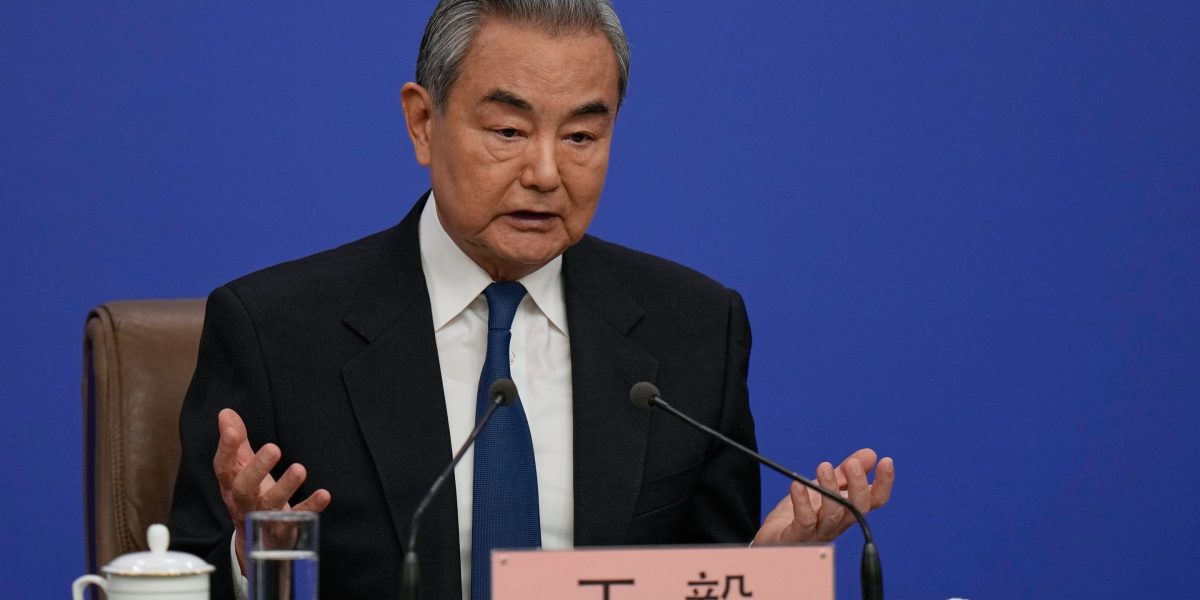




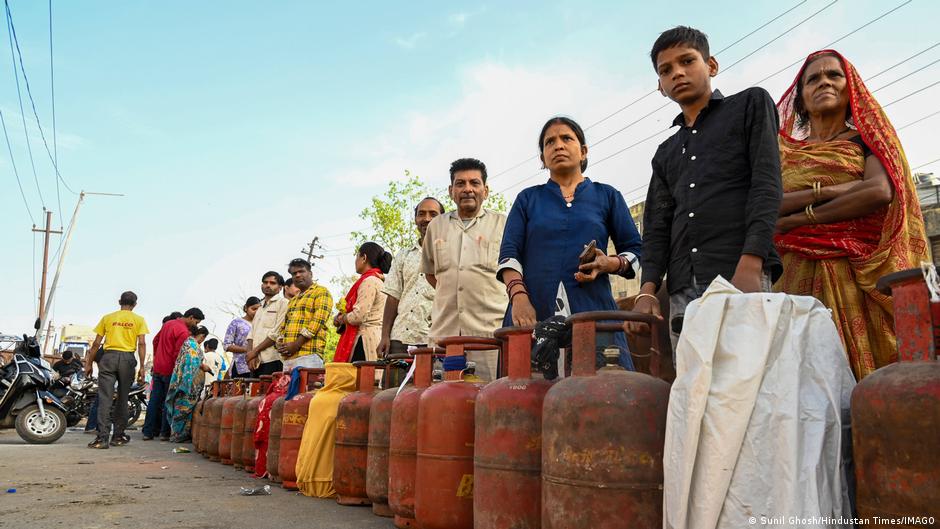

fromFortune
2 days agoCountries are turning to 'structurally more resilient' energy sources as oil and gas crisis deepens, UN renewables chief says | Fortune
"A more decentralized energy system, with a growing share of renewables and more market players, is structurally more resilient. Countries that invested in the energy transition are weathering this crisis with less economic damage, as they boost energy security, resilience and competitiveness."
Environment
from24/7 Wall St.
2 days agoWall Street Upgrades Cheniere Energy as Iran War Reshapes Global LNG Demand
Citi's upgrade reflects a broader geopolitical reality reshaping global energy markets. The Iran war is accelerating the flight of European and Asian buyers toward secure, long-term U.S. LNG supply contracts.
Business
#strait-of-hormuz
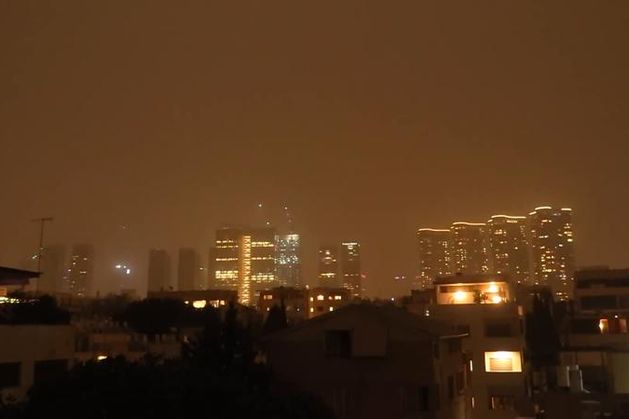

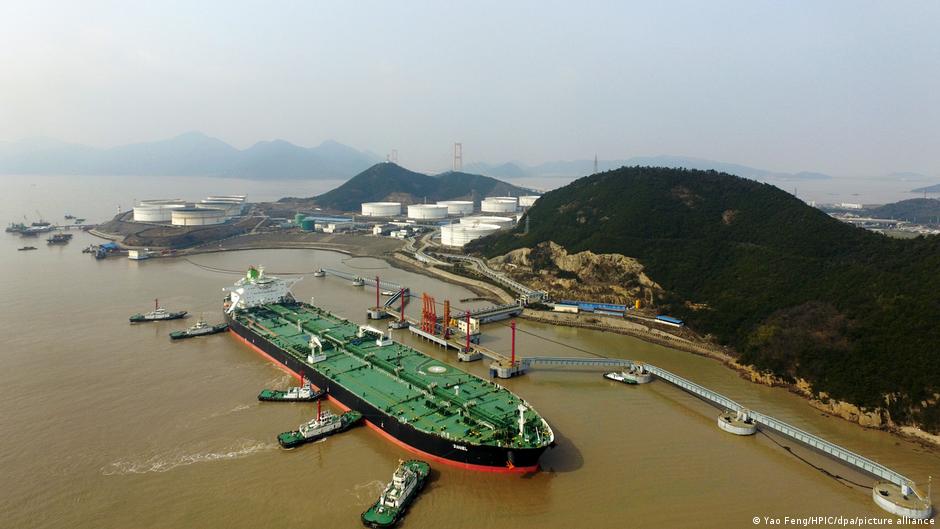
World news
fromIrish Independent
1 day agoEU warns it's 'preparing for worst scenarios' and assessing 'all possibilities' including fuel rationing as energy crisis deepens
Tehran plans to charge for passage through the Strait of Hormuz, aiming to ensure safe navigation amid rising tensions with the US.
fromCN Traveller
3 days agoHow the global fuel crisis is affecting travel in Asia right now
South Korea has launched a nationwide energy-saving campaign, enforcing an odd-even vehicle restriction system for public-sector cars based on licence plate numbers. Authorities urge voluntary compliance from private vehicle owners.
Alternative transportation
#coal

Environment
fromwww.theguardian.com
3 days agoAsia ramps up use of dirty fuels to cover energy shortfall triggered by Iran war
Asian governments are increasing coal use to address energy shortages caused by geopolitical conflicts, raising environmental concerns and calls for renewable energy investment.
Environment
fromwww.theguardian.com
3 days agoAsia ramps up use of dirty fuels to cover energy shortfall triggered by Iran war
Asian governments are increasing coal use to address energy shortages caused by geopolitical conflicts, raising environmental concerns and calls for renewable energy investment.
fromThe Cipher Brief
2 days agoTaking a Stand on Adversaries' Influence in the Western Hemisphere
The January 3rd Operation Absolute Resolve ousted Venezuelan Dictator Nicholas Maduro, marking a significant shift in US policy towards countering adversarial influence in the western hemisphere.
World politics
#ai


European startups
fromFortune
1 week agoChina could be the 'big winner' in the AI race, thanks to abundant power, cheap manufacturing, and an open-source craze | Fortune
China's AI sector is gaining momentum due to cheaper energy, increased capital spending, and a growing number of open-source developers.
fromFortune
4 days agoEnergy 'vulnerable' India seeks U.S. help to produce more oil and wean itself off Russia, Middle East reliance amid geopolitical turmoil | Fortune
India remains "vulnerable" and lacking in energy security until it can produce at least 50% of its own oil. Billionaire industrialist Anil Agarwal believes India can grow to produce enough oil to meet 30% of its domestic demand within a few years.
World news
fromwww.aljazeera.com
5 days agoG7 ready to take necessary measures' to ensure energy market stability
We stand ready to take all necessary measures in close coordination with our partners, including to preserve the stability and security of the energy market, said the G7 in a statement after a teleconference.
World news
fromAxios
5 days agoTrump threatens to "obliterate" Iran's energy and water infrastructure
"But if for any reason a deal is not shortly reached, which it probably will be, and if the Hormuz Strait is not immediately 'Open for Business' we will conclude our lovely 'stay' in Iran by blowing up and completely obliterating all of their Electric Generating Plants, Oil Wells and Kharg Island..."
World news
World news
fromwww.theguardian.com
3 weeks agoAsia scrambles to confront energy crisis unleashed by Iran war with no end in sight
The closure of the Strait of Hormuz threatens global oil supplies, with Asia facing severe crude import disruptions as Middle Eastern producers reduce output and emergency reserves deplete.
World politics
fromwww.npr.org
3 weeks agoFive key takeaways from an annual briefing by China's foreign minister
China's foreign minister Wang Yi criticized the U.S.-Israeli conflict with Iran while signaling openness to a Trump-Xi meeting and advocating for dialogue between the world's two largest economies.

Environment
fromHarvard Gazette
1 month agoYes, China has embraced renewables - but don't call it a transition, expert says - Harvard Gazette
China is expanding renewable energy while simultaneously increasing fossil fuel capacity, driven by growing energy demand and security concerns, raising CO2 emissions.
fromwww.theguardian.com
1 month agoThe Guardian view on Donald Trump and the climate crisis: the US is in reverse while China ploughs ahead | Editorial
Devastating wildfires, flooding and winter storms were among the 23 extreme weather and climate-related disasters in the US which cost more than a billion dollars last year at an estimated total loss of $115bn. The last three years have shattered previous records for such events. Last Wednesday, scientists said that we are closer than ever to the point after which global heating cannot be stopped.
Environment
fromwww.theguardian.com
2 months agoCoal power generation falls in China and India for first time since 1970s
Coal power generation fell in China and India for the first time since the 1970s last year, in a historic moment that could bring a decline in global emissions, according to analysis. The simultaneous fall in coal-powered electricity in the world's biggest coal-consuming countries had not happened since 1973, according to analysts at the Centre for Research on Energy and Clean Air, and was driven by a record roll-out of clean energy projects.
Environment
fromwww.dw.com
2 months agoChina stays resilient in first year of Trump 2.0
[The Trump administration] may have entered the office thinking that they could use their economic leverage to push China in certain policy directions," said Amanda Hsiao, a China studies director at the Eurasia Group consultancy.
World news
[ Load more ]