#china-financial-power
#china-financial-power
[ follow ]
#china #tariffs #us-china-relations #trade-surplus #china-trade-surplus #geopolitics #electric-vehicles
#china


European startups
fromFortune
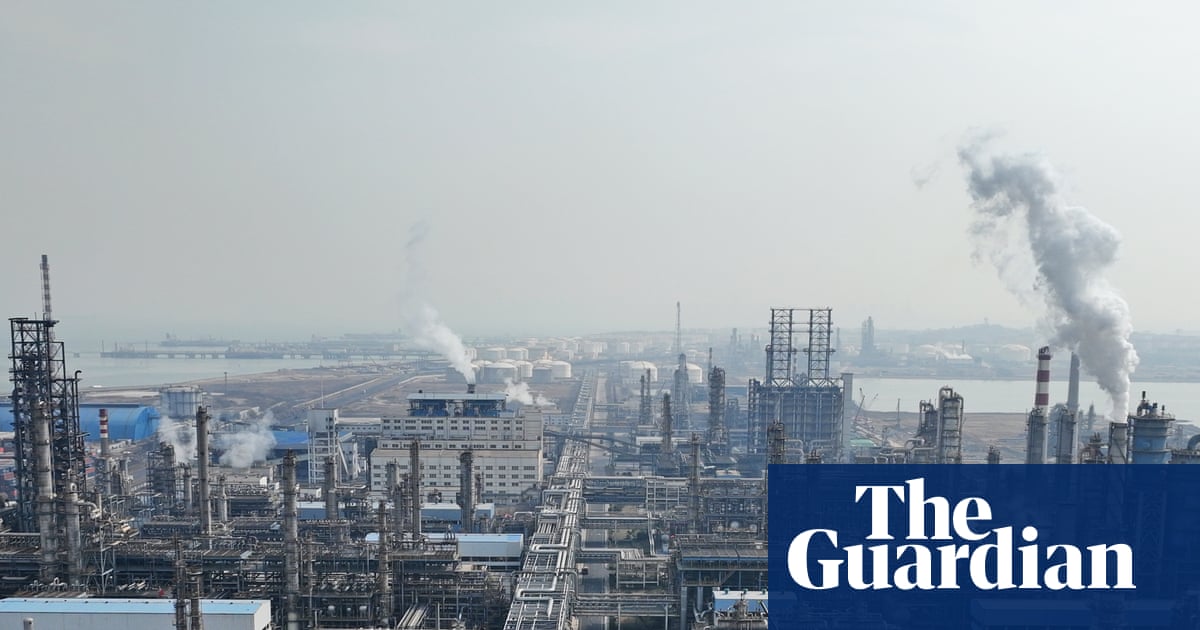
2 weeks agoChina is becoming a 'factory to the factories,' powering global manufacturing in places like Southeast Asia even as U.S. trade declines | Fortune
China is increasing exports of industrial components while consumer goods exports decline, reshaping global supply chains.
European startups
fromFortune
2 weeks agoChina is becoming a 'factory to the factories,' powering global manufacturing in places like Southeast Asia even as U.S. trade declines | Fortune
China is increasing exports of industrial components while consumer goods exports decline, reshaping global supply chains.

fromLondon Business News | Londonlovesbusiness.com
2 days agoUS dollar rose amid a rebound in geopolitical concerns - London Business News | Londonlovesbusiness.com
The US dollar returned to the upside as geopolitical fears rebounded after US President Trump's address to the nation. The rhetoric fuelled risk aversion and flows toward the dollar while oil prices surged.
US Elections
fromFast Company
3 days agoChina is moving faster on next-gen tech. The U.S. is trying to keep up
In recent weeks, China approved the world's first commercial brain-computer interface medical device and unveiled a five-ton class electric vertical takeoff and landing aircraft that has already completed a public flight.
Science
fromGSMArena.com
5 days agoHuawei Chairman promises expanded satellite connectivity across cheaper phones and watches
Richard Yu promises that Huawei will expand satellite connectivity to lower-priced devices, ensuring that it won't be confined to high-end models only. This initiative marks a new chapter in the company's journey, addressing the connectivity struggles that persist due to insufficient mobile network coverage.
Mobile UX
fromwww.npr.org
5 days agoChina's chatbot industry is fiercely competing for customers. Cue the freebies
The competitive landscape among AI apps in China is fierce. Companies have been dumping money into the market to try to win customers and show them how AI is useful in everyday life, in particular, for buying stuff.
US news
fromApaonline
2 weeks agoThe Paradox of China's Crypto Regulation and Capital Going Global (Part 1)
The meeting made clear, based on the requirements set out in the 2021 joint notice issued by ten government agencies, that stablecoins are considered a form of virtual currency. At present, they cannot adequately meet requirements for customer identification, anti-money-laundering compliance, or related regulatory standards. They also carry significant risks of being used for money laundering, fraudulent fundraising, and illegal cross-border capital transfers.
Philosophy
fromLondon Business News | Londonlovesbusiness.com
4 days agoUS dollar stable near recent highs - London Business News | Londonlovesbusiness.com
Escalating geopolitical risk continued to dominate global markets' concerns, with safe-haven demand keeping the dollar index anchored near a multi-week high.
World politics
Artificial intelligence
fromApp Developer Magazine
2 weeks agoChina is accelerating the next phase of AI
China's AI advancement, exemplified by OpenClaw, is creating a multipolar AI landscape where AI agents transition from answering questions to executing tasks, opening new investment opportunities in transaction intermediation and monetization.
World politics
fromLondon Business News | Londonlovesbusiness.com
5 days agoUS dollar stable after successive gains - London Business News | Londonlovesbusiness.com
Escalating Middle East tensions are influencing market sentiment, keeping the dollar stable and impacting US Treasury yields amid inflation concerns.
London startup
fromBusiness Matters
2 weeks agoCan the New Trade Agreement Between the UK and China Spur Business Activity in the UK: The Businesses' Perspective in 2026
UK Prime Minister Keir Starmer's January 2026 visit to China established trade agreements aimed at boosting economic growth, expanding market access, and creating investment opportunities for British companies across multiple sectors.
European startups
fromFortune
1 week agoChina could be the 'big winner' in the AI race, thanks to abundant power, cheap manufacturing, and an open-source craze | Fortune
China's AI sector is gaining momentum due to cheaper energy, increased capital spending, and a growing number of open-source developers.

Europe politics
fromwww.theguardian.com
1 month agoEuropean Commission proposes Buy EU' plan to compete against China
The European Commission proposes the Industrial Accelerator Act to prioritize EU-made and low-carbon products in public procurement, marking a shift toward protectionism to compete with China and strengthen European industrial autonomy.
Artificial intelligence
fromWIRED
3 weeks agoChina's OpenClaw Boom Is a Gold Rush for AI Companies
OpenClaw AI agent software sparked a craze in China among non-technical users seeking wealth through autonomous investment management, but many discovered it requires technical expertise and fails to deliver promised results consistently.
fromSouth China Morning Post
1 month agoWill users stick around after China's US$1 billion AI marketing battle?
In an unprecedented Chinese New Year marketing blitz, Alibaba Group Holding, Baidu, ByteDance and Tencent Holdings spent an estimated 8 billion yuan (US$1.1 billion) to turn their artificial intelligence assistants into household names, according to Morgan Stanley.
Marketing tech
fromComputerWeekly.com
1 month agoWhat Western companies misunderstand about China's AI strategy | Computer Weekly
China's approach to AI is architecturally different. Where Western tech companies have largely pursued AI as a product category - chatbots, copilots, and standalone tools that can be sold to enterprises - China has treated AI as infrastructure: a utility layer woven into the fabric of commerce, logistics, government services, and daily life.
Miscellaneous
European startups
fromNature
3 weeks agoTop brass in China reaffirm goal to be world leaders in tech, AI
China's 15th five-year plan (2026-2030) commits extraordinary measures to lead globally in AI, quantum technology, and advanced fields through increased R&D spending and technological self-sufficiency.
fromwww.npr.org
1 month agoChina sets a lower economic growth target of 4.5% to 5% for 2026 as challenges loom
While recognizing our achievements, we are also clear-eyed about the difficulties and challenges we face. The government is striving to balance two goals: reviving the flagging economy by boosting domestic spending while also furthering top leader Xi Jinping's ambitions to build China into a global power in AI, robotics and other advanced technologies and one that is not dependent on the U.S. or others for high-end semiconductors and other components.
World news
World politics
fromwww.npr.org
3 weeks agoFive key takeaways from an annual briefing by China's foreign minister
China's foreign minister Wang Yi criticized the U.S.-Israeli conflict with Iran while signaling openness to a Trump-Xi meeting and advocating for dialogue between the world's two largest economies.
fromwww.aljazeera.com
1 month agoChina economic growth target set below 5% for the first time at key meeting
The lowered growth figure reflects China's economic slowdown, triggered in part by the collapse of the country's property sector, which once accounted for between 25 and 30 percent of GDP. The growth target is quite realistic, the Economist Intelligence Unit's China economist Tianchen Xu said, noting the figure reflected China's trend towards more conservative expectations.
World news

fromFast Company
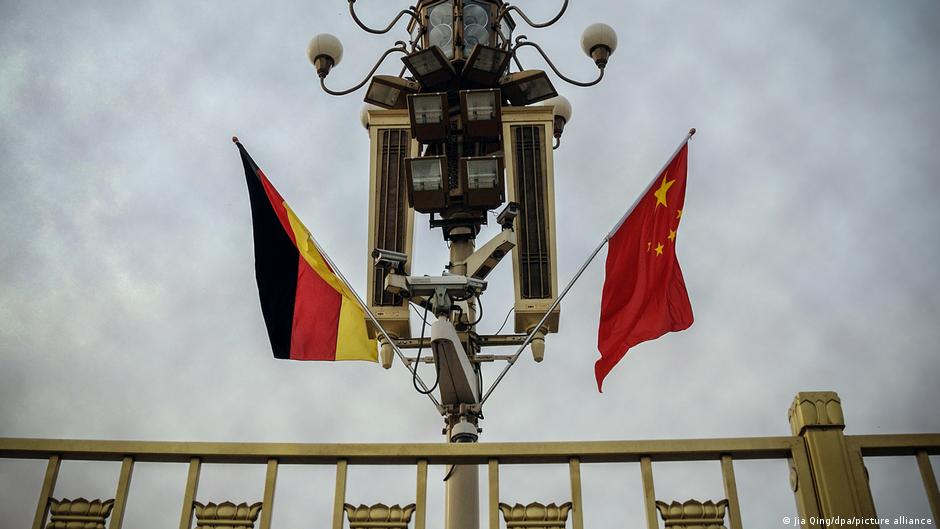
1 month agoChina's economy is losing momentum, as its national congress prepares for meetings in Beijing
What we'll see is the trade-off between whether it's going to be industry and tech, or looking after domestic demand. These are the two priorities that are juggling for Xi Jinping right now.
World news
World politics
fromwww.aljazeera.com
1 month agoChina set to release new five-year plan at National People's Congress
China will unveil its 15th Five-Year Plan for 2026-2030 at the NPC this week, with an expected GDP growth target of 4.5 to 5 percent, while addressing challenges from trade tensions and weak consumer confidence.
Social media marketing
fromThe Drum
2 months agoShe Power: Harnessing the unstoppable spending power of female Chinese consumers
Chinese women drive consumer spending, controlling three-quarters of household purchases; targeted digital social media femvertising unlocks major returns for brands in fashion, beauty, health.
World politics
fromwww.theguardian.com
1 month agoChina's Two Sessions to reveal Xi's economic and defence plans as military purge casts shadow
China's Two Sessions convene this week to set annual economic targets and launch the 15th five-year plan for 2026-2030, with the NPC serving as the formal legislative body despite the CCP holding ultimate decision-making power.
fromwww.npr.org
1 month agoAs Trump reshapes foreign policy, China moves to limit risks, reap gains
China, which the U.S. until recently saw as its "pacing threat," may feel relieved that neither of President Trump's targets were in its neighborhood. On the other hand, it may also worry that U.S. actions are aimed in part at countering China's influence, per Trump's and his officials' explanations, and that Trump's "America First" rhetoric has not reduced his appetite for what China calls "military adventurism."
US news

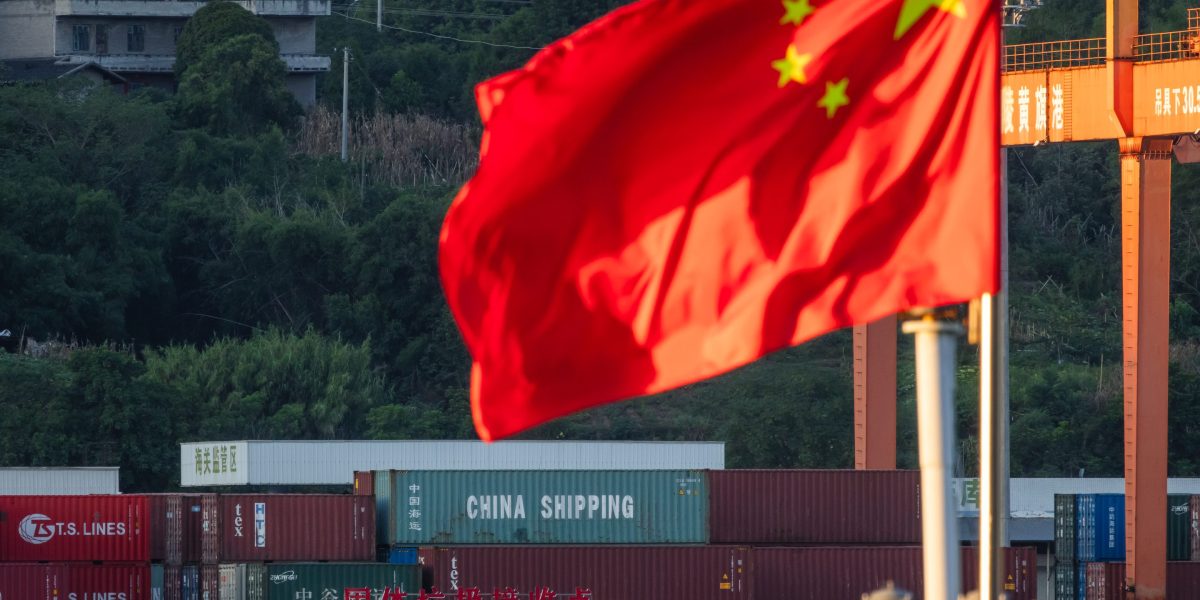


fromComputerworld
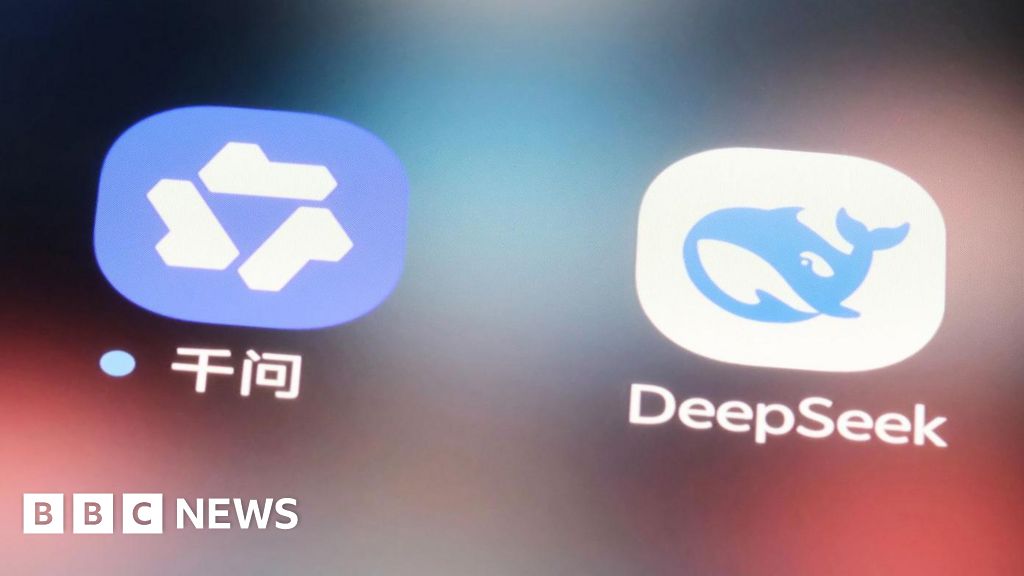
2 months agoChinese authorities scrutinize Meta's purchase of AI startup Manus
Last week, news broke that Meta is buying Chinese AI startup Manus for around $2 billion. The company is known for its AI agent that can handle everything from job interviews to stock analysis. Meta plans to integrate Manus' AI agent into its own products. Now, the Financial Times reports that China's Ministry of Commerce has decided to review the purchase to determine whether the deal violates the country's export control rules for technology.
Artificial intelligence
fromwww.aljazeera.com
1 month agoLunar New Year: Why is China pinning hope on the festival to boost economy?
About 1.4 billion people began marking the Lunar New Year on Tuesday amid fireworks as China enters the Year of the Fire Horse, one of 12 animals in the Chinese zodiac. Known as the Spring Festival in China, the new year, based on the lunar calendar, also brings about the world's largest annual human migration, called Chunyun, as millions travel across the country for family reunions.
World news
fromWIRED
2 months ago23 Ways You're Already Living in the Chinese Century
A decade ago, China's political leaders laid out an ambitious industrial plan: By 2025, they pledged, their country would be a world capital, with the goal of moving from "Chinese speed to Chinese quality, the transformation of Chinese products to Chinese brands." This is the difference, they wrote, between "Made in China" and "Created in China." At WIRED, we never take what the government (ours or anybody else's) says at face value.
World news
from24/7 Wall St.
1 month agoThe China Secret That's Making Smart Money Load Up on Estee Lauder While Everyone Else Runs for the Exit
EPS: $0.89 vs. $0.86 estimate (3.5% beat) Revenue: $4.23 billion vs. $4.34 billion estimate (in line), up 6% year-over-year Adjusted Operating Margin: 14.4%, up 290 basis points from prior year Guidance Raised: FY2026 adjusted EPS now $2.05-$2.25 (36-49% growth) Stock Reaction: Shares dropped 18.7% over the past week despite raised guidance Estée Lauder delivered a mixed quarter, beating earnings expectations while revenue met estimates.
Business
fromwww.aljazeera.com
2 months agoWhat role is China playing in global geopolitical transformations?
China's official discourse centres on the idea of peaceful rise, the commitment to non-interference in internal affairs, respect for sovereignty and territorial integrity, and economic partnerships based on mutual benefit. Beijing insists that relations with Washington should not slide into conflict, calling for a system of global governance built on cooperation rather than confrontation. Yet the geopolitical landscape reveals a wide gap between this discourse and reality. Donald Trump's return to the White House has brought back rhetorical escalation and increased geopolitical pressure.
World politics

World news
fromFortune
2 months agoBRICS could become a new pillar of global governance-if its rapid growth doesn't erode its newfound clout | Fortune
BRICS' rapid expansion risks internal incohesion and failure to reform global governance despite its vast population, resources, and strategic potential.
[ Load more ]