#china-us-tech-rivalry
#china-us-tech-rivalry
[ follow ]
#china #national-security #export-controls #iran #ai #cybersecurity #technology #nvidia #meta #semiconductors




fromFast Company
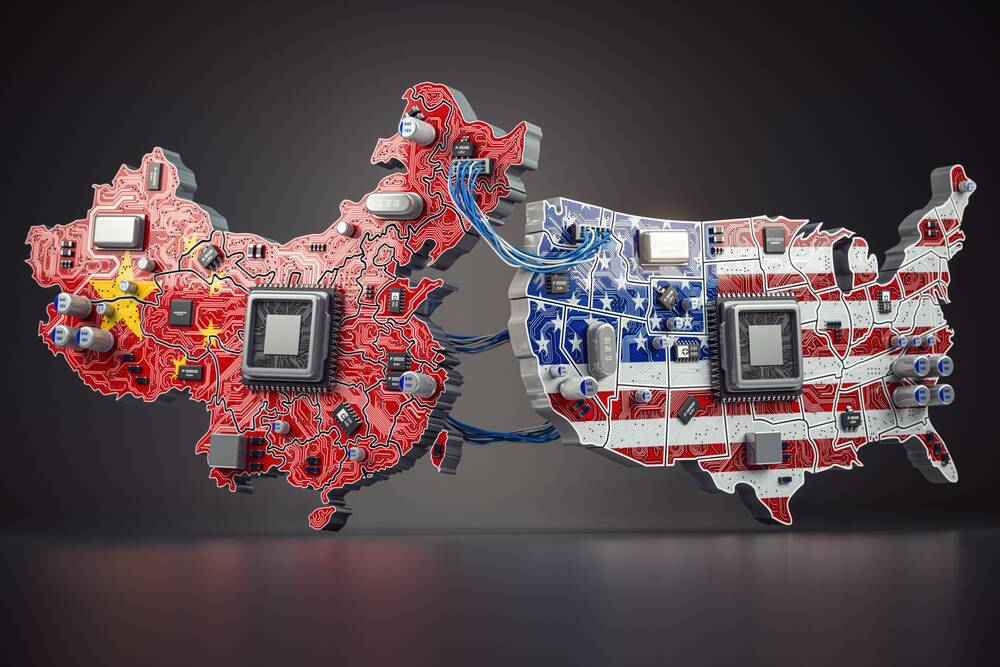
3 days agoChina is moving faster on next-gen tech. The U.S. is trying to keep up
In recent weeks, China approved the world's first commercial brain-computer interface medical device and unveiled a five-ton class electric vertical takeoff and landing aircraft that has already completed a public flight.
Science



#ai
Business
fromFortune
1 day agoLeaders push for a 'Manhattan Project' and public-private solutions around AI and labor | Fortune
AI could create a talent and job crisis, necessitating collaboration between public and private sectors to manage the transition effectively.

Artificial intelligence
fromwww.businessinsider.com
1 day agoMeta's AI push is reshaping how work gets done inside the company
Meta is prioritizing AI tools to enhance productivity and efficiency among its employees, impacting job roles and company structure.
fromFortune
1 week agoEuropean startups
China could be the 'big winner' in the AI race, thanks to abundant power, cheap manufacturing, and an open-source craze | Fortune
China's AI sector is gaining momentum due to cheaper energy, increased capital spending, and a growing number of open-source developers.
European startups
fromFortune
1 week agoChina could be the 'big winner' in the AI race, thanks to abundant power, cheap manufacturing, and an open-source craze | Fortune
China's AI sector is gaining momentum due to cheaper energy, increased capital spending, and a growing number of open-source developers.
fromTechCrunch
1 day agoAnthropic ramps up its political activities with a new PAC | TechCrunch
Anthropic's political activities have ramped up as the company continues to be enmeshed in a nasty legal battle with the Defense Department. The dispute erupted earlier this year over the government's use of Anthropic's AI models and what guidelines (if any) should exist for that usage.
Artificial intelligence
#iran
World news
fromLondon Business News | Londonlovesbusiness.com
1 day agoIran claims strike on Amazon cloud site in Bahrain as conflict escalates - London Business News | Londonlovesbusiness.com
Iran's Revolutionary Guard claims responsibility for attacking an Amazon cloud facility in Bahrain as retaliation for recent strikes on Iranian territory.
fromwww.businessinsider.com
1 day agoMeta's CTO has some advice for college students wanting to work in tech: 'Constantly be building.'
You just have to immerse yourself in it. You should just constantly be building. That's what's going to give you the best chance of having the relevant skill set that is needed to make a difference in technology.
Education
World news
fromLondon Business News | Londonlovesbusiness.com
1 day agoFootage shows US fighter jet being shot down as Iran 'put bounty on pilots' - London Business News | Londonlovesbusiness.com
The search for a downed F-15E Strike Eagle intensifies in Iran amid escalating tensions between American and Iranian forces.
Silicon Valley
fromFortune
1 day agoI helped build Uber and Discord and now my tools help fuel billion-dollar unicorns. But Silicon Valley is losing the AI race to itself | Fortune
Silicon Valley is falling behind in innovation due to slow adaptation to social demands and a focus on preserving existing business models.
Intellectual property law
fromIPWatchdog.com | Patents & Intellectual Property Law
1 day agoOther Barks & Bites for Friday, April 3: Trump EO Sets 100% Tariffs on Patent Pharmaceutical Imports; Squires Vacates TikTok IPRs Under Tianma Microelectronics; and Kallay Voices DOJ's Preference for FRAND Obligations
President Trump signed an executive order imposing 100% tariffs on imported patented pharmaceuticals and ingredients from 17 drugmakers.
fromSan Jose Spotlight
4 days agoSilicon Valley's tech world takes center stage in state politics - San Jose Spotlight
In the 17th Congressional District, incumbent Rep. Ro Khanna is facing a challenge from tech founder Ethan Agarwal, a fellow Democrat. Agarwal is an opponent of the ballot initiative to levy a one-time, 5% wealth tax on Californians with more than $1 billion in assets.
Silicon Valley


fromSilicon Canals
2 weeks agoThe AI boom's hidden weakness: how Iran's conflict exposed a helium bottleneck for chip manufacturing - Silicon Canals
Geopolitical instability in the Middle East threatens helium supply, which is critical for semiconductor manufacturing and AI infrastructure with no viable substitutes.
US politics
fromwww.mercurynews.com
1 month agoOpinion: Trump risks US innovation and security if he sells China advanced chips
China aims to displace U.S. global leadership through economic and technological means, prompting calls to restrict advanced chip exports and tighten national security reviews.
Artificial intelligence
fromComputerWeekly.com
1 month agoUS artificial intelligence developers accuse Chinese firms of stealing their data | Computer Weekly
US AI developers report Chinese competitors using distillation attacks to extract model data, while facing accusations of training models on unlicensed data themselves.
Intellectual property law
fromArs Technica
4 weeks agoTech industry is in tariff hell, even if refunds are automated
Trade groups urge courts to establish a clear tariff refund process as 300,000 US businesses await $175 billion in unlawful tariff collections, with interest accruing at $23 million daily.
fromTheregister
4 weeks agoChina's rubber-stamp advances tech independence plan
Premier Li Qiang emphasized 'the need to accelerate self-reliance in high-level science and technology' against a background of 'unilateralism and protectionism escalating abruptly,' referencing Trump administration trade policy, while highlighting China's recent advances in independent chip research and development and noting integrated circuit output rose 10.9 percent last year.
World news
#semiconductor-export-controls
European startups
fromTechCrunch
4 weeks agoUS reportedly considering sweeping new chip export controls | TechCrunch
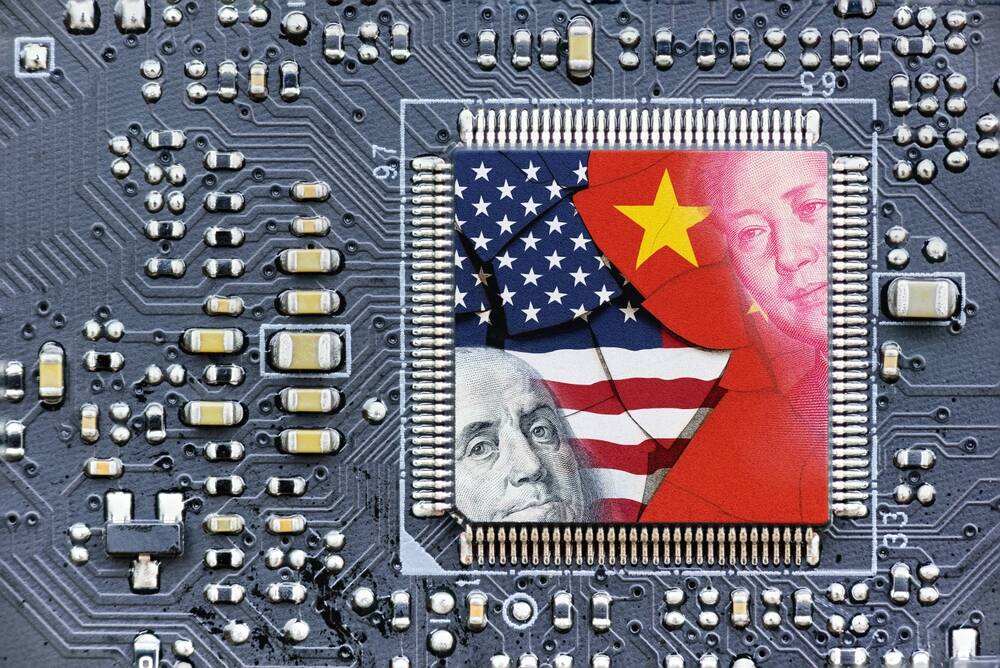
The Trump administration drafted rules requiring U.S. government approval for all AI chip exports, giving the Department of Commerce control over semiconductor sales by companies like AMD and Nvidia.
European startups
fromTechCrunch
4 weeks agoUS reportedly considering sweeping new chip export controls | TechCrunch
The Trump administration drafted rules requiring U.S. government approval for all AI chip exports, giving the Department of Commerce control over semiconductor sales by companies like AMD and Nvidia.
European startups
fromTechzine Global
4 weeks ago"AI chips will remain in America unless foreign countries invest in the US"
The US government is implementing strict export controls on AI chips, requiring foreign customers to invest in US AI infrastructure or provide security guarantees, with ongoing monitoring of chip distribution and usage.

fromTechzine Global
2 months agoUS introduces AI chip tariffs and skims revenue from Nvidia and AMD
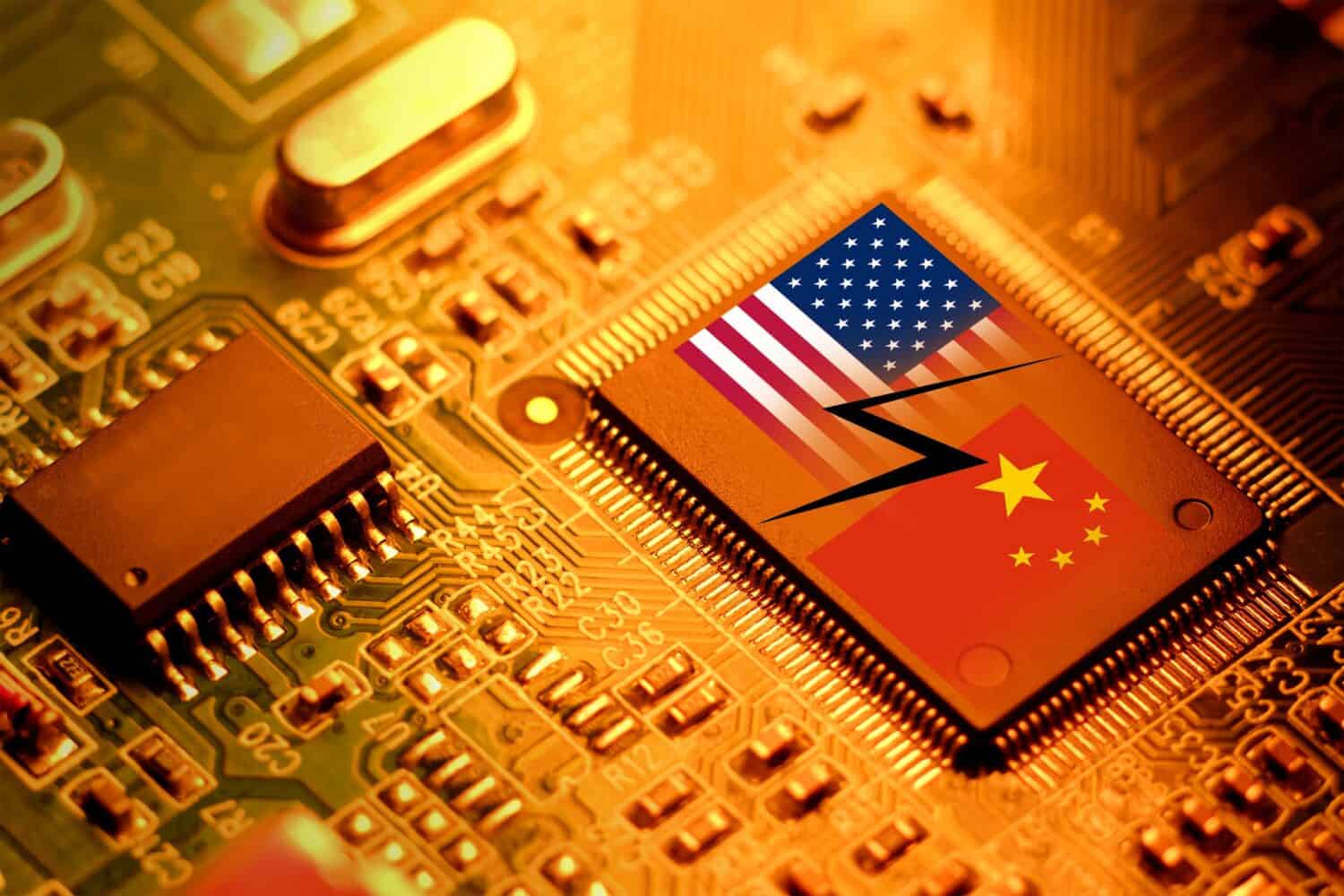
The US government has introduced new import tariffs on advanced AI chips from Nvidia and AMD, with the aim of channelling part of the proceeds from sales to China directly into the US treasury. According to the Financial Times, the measure is part of President Donald Trump's broader trade and industrial policy, which explicitly intertwines economic transactions and national security.
US politics
fromwww.dw.com
2 months agoWhere is the US-China AI 'race' heading in 2026?
One year ago this week, Silicon Valley and Wall Street were shocked by the release of China's DeepSeek mobile app, which rivaled US-based large language models like ChatGPT by showing comparable performance on key benchmarks at a fraction of the cost while using less-advanced chips. DeepSeek opened a new chapter in the US-China rivalry, with the world recognizing the competitiveness of Chinese AI models, and Beijing pouring more resources into developing its own AI ecosystem.
Artificial intelligence
fromThe Cipher Brief
2 months agoHow China Built AI Dominance on Stolen American Silicon
The operation reveals a broader strategy: if you can't build it, take it. With a blend of state-run espionage and corporate infiltration, China has turned technology acquisition into an art form. Their 'all-of-the-above' approach has allowed their AI sector to grow even as export bans tighten. By sourcing the hardware from elsewhere, Beijing has made the lack of domestic chip manufacture moot.
World news
[ Load more ]