#chinese-influence-operations
#chinese-influence-operations
[ follow ]
#china #us-china-relations #cybersecurity #malware #diplomacy #ai #international-relations #iran #pakistan #xi-jinping






#ai


European startups
fromFortune
1 week agoChina could be the 'big winner' in the AI race, thanks to abundant power, cheap manufacturing, and an open-source craze | Fortune
China's AI sector is gaining momentum due to cheaper energy, increased capital spending, and a growing number of open-source developers.
Higher education
fromInside Higher Ed | Higher Education News, Events and Jobs
1 week agoGOP Decries Chinese Higher Ed "Espionage"; Dems Focus On Other Issues
Republicans and Democrats held hearings on foreign espionage in higher education, highlighting tensions over national security and student debt issues.
#us-china-relations
World politics
fromFortune
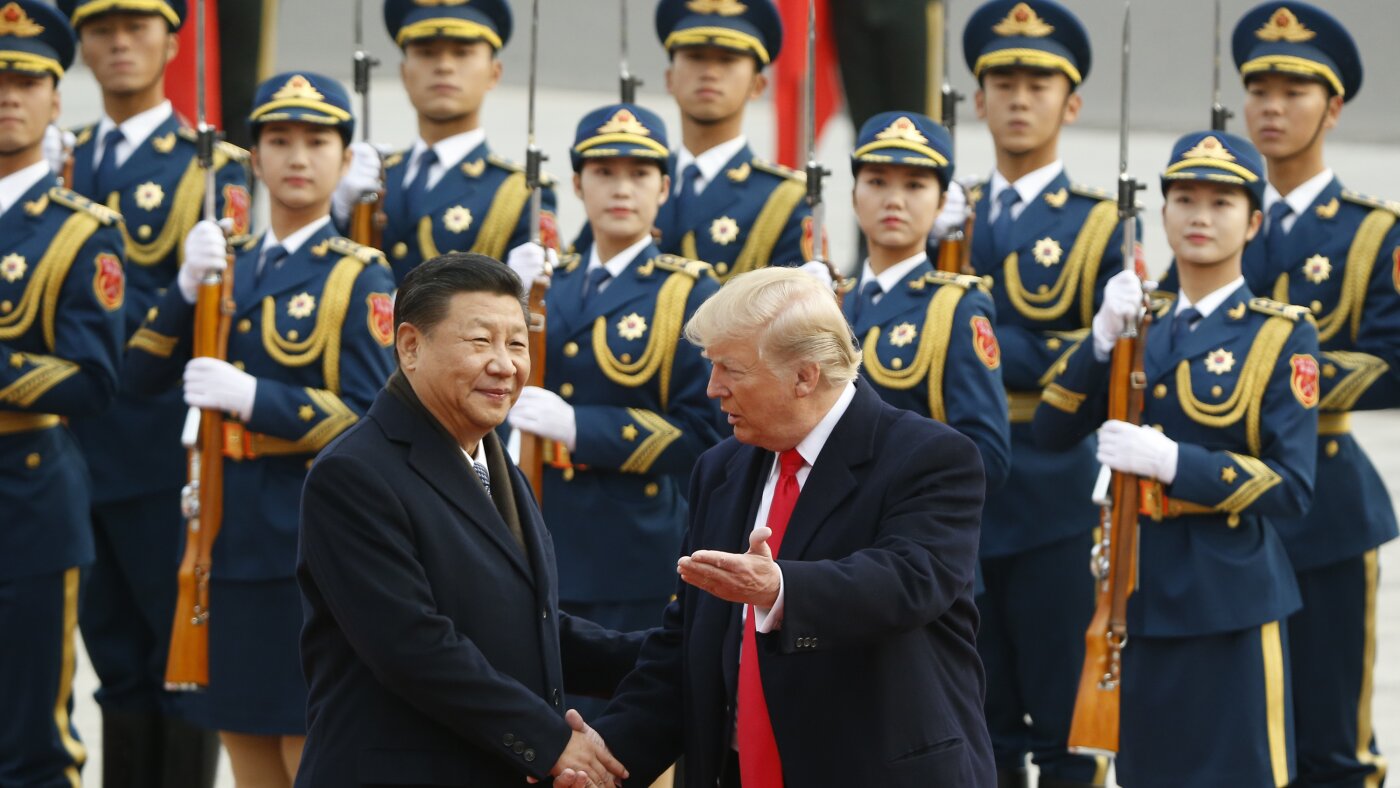
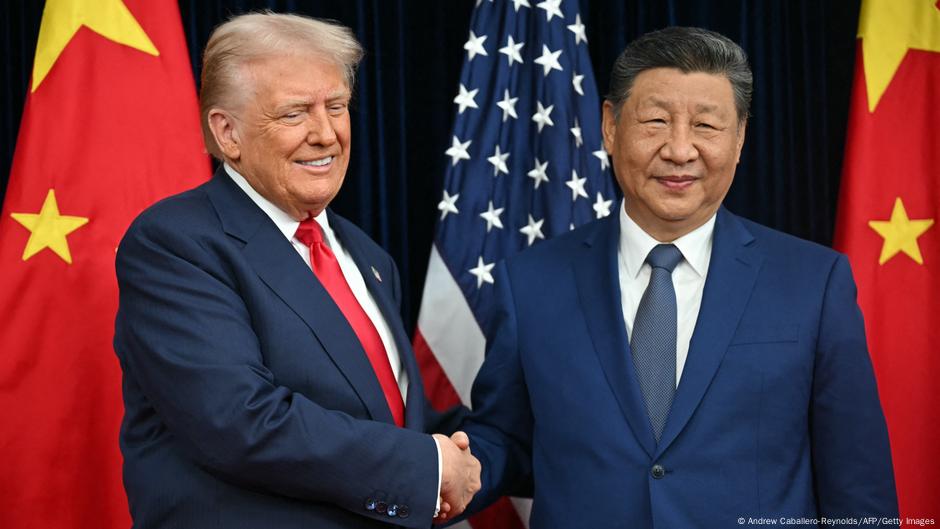
2 weeks agoTrump suggests postponing his key meeting with Xi Jinping by 'a month or so,' as Iran overtakes China on the U.S.'s agenda | Fortune
Trump is considering delaying his meeting with Xi Jinping by approximately one month due to escalating Iran conflict management priorities rather than as pressure on China.

World politics
fromFortune
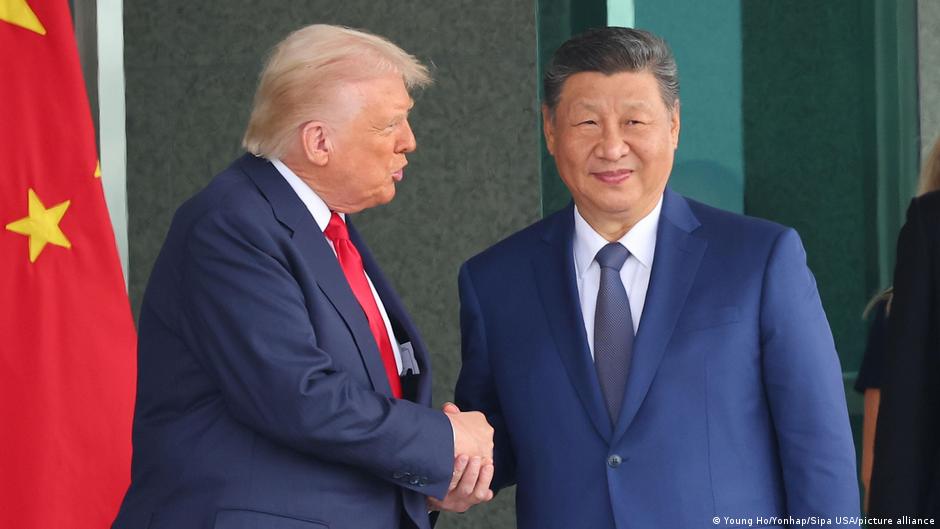
2 weeks agoTrump suggests postponing his key meeting with Xi Jinping by 'a month or so,' as Iran overtakes China on the U.S.'s agenda | Fortune
Trump is considering delaying his meeting with Xi Jinping by approximately one month due to escalating Iran conflict management priorities rather than as pressure on China.
fromComputerWeekly.com
1 month agoWhat Western companies misunderstand about China's AI strategy | Computer Weekly
China's approach to AI is architecturally different. Where Western tech companies have largely pursued AI as a product category - chatbots, copilots, and standalone tools that can be sold to enterprises - China has treated AI as infrastructure: a utility layer woven into the fabric of commerce, logistics, government services, and daily life.
Miscellaneous
Information security
fromSecurityWeek
2 weeks agoChina-Linked Hackers Hit Asian Militaries in Patient Espionage Operation
China-linked cyberespionage campaign CL-STA-1087 has targeted Southeast Asian military organizations since at least 2020, using custom backdoors and credential stealers to extract military intelligence and Western collaboration details.
Privacy professionals
fromBusiness Insider
1 month agoThe Chinese government's ChatGPT account revealed a global operation to silence dissidents
China operates large-scale coordinated inauthentic campaigns using hundreds of staff and thousands of fake accounts across social media platforms to silence political critics globally.

Information security
fromTheregister
1 month agoGoogle and friends disrupt suspected Beijing espionage op
Google disrupted UNC2814, a China-linked group conducting widespread cyberattacks on telecommunications and government organizations across multiple continents using Google Sheets API for command-and-control operations.
fromSocial Media Today
2 months agoChinese Officials Weigh US TikTok Proposal
TikTok was technically banned in the U.S. as of January 19th, 2025, as part of the Senate-approved " Protecting Americans from Foreign Adversary Controlled Applications Act." But upon his inauguration as President on January 20th, President Trump issued an Executive Order to withhold enforcement of the bill, in order to give his team an opportunity to potentially re-negotiate the details.
US politics
fromThe Atlantic
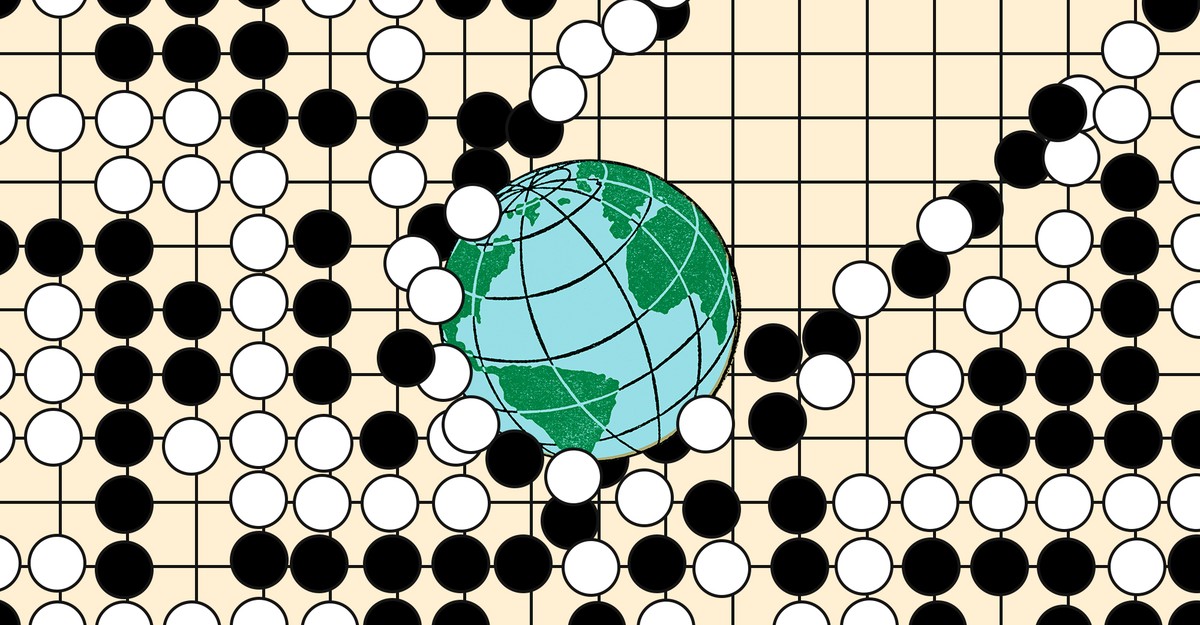
2 months agoThe Race for Global Domination in AI
Government officials in Hangzhou have grand ambitions to make their city in eastern China a global center for artificial intelligence-and the funds to try to make it happen. In June, they pledged $140 million to subsidize AI firms that operate in town. Not to be outdone, Shanghai promptly followed in July with its own $140 million subsidy program, and inaugurated an "AI innovation town" two months later with low-cost office space for start-ups in the sector.
Artificial intelligence
#china-us-relations

World politics
fromwww.npr.org
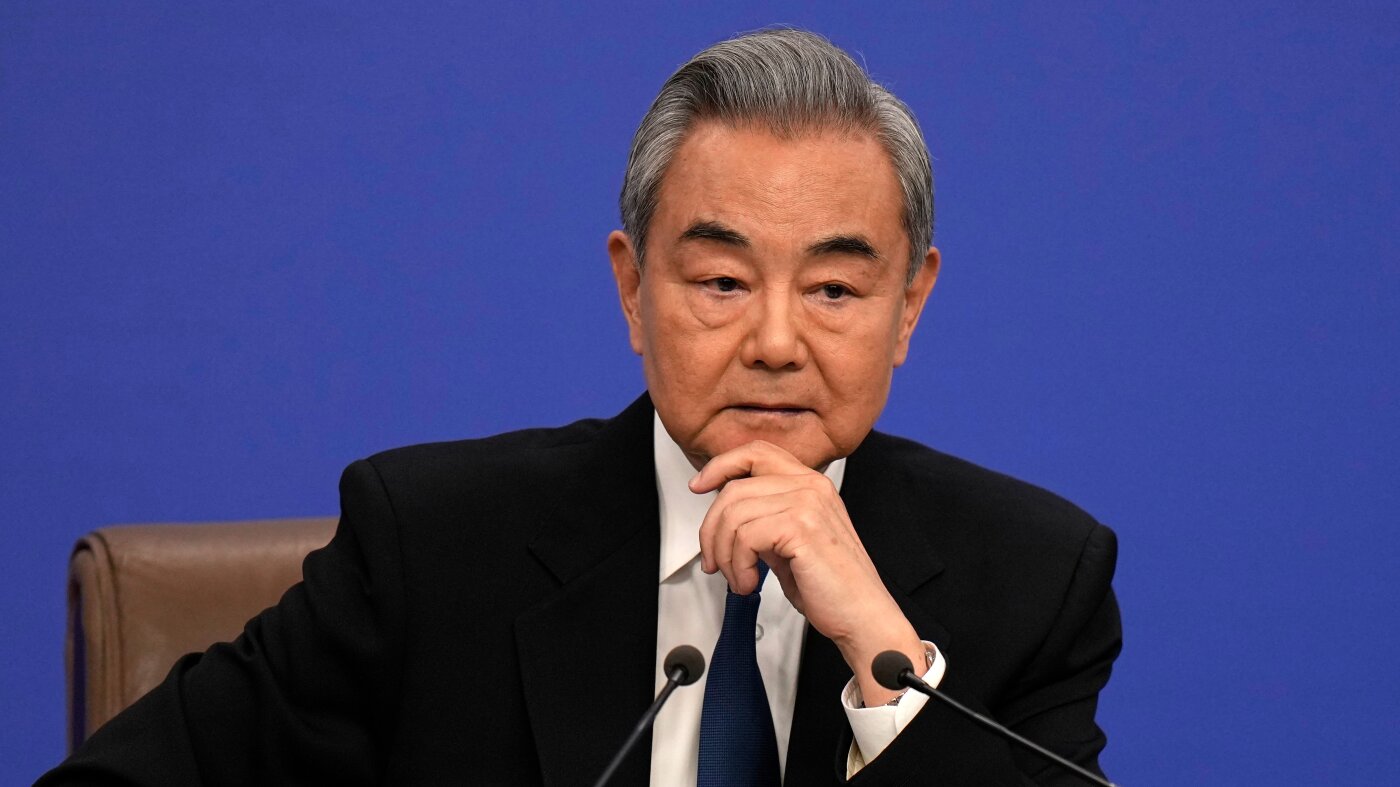
3 weeks agoFive key takeaways from an annual briefing by China's foreign minister
China's foreign minister Wang Yi criticized the U.S.-Israeli conflict with Iran while signaling openness to a Trump-Xi meeting and advocating for dialogue between the world's two largest economies.
fromWIRED
2 months ago23 Ways You're Already Living in the Chinese Century
A decade ago, China's political leaders laid out an ambitious industrial plan: By 2025, they pledged, their country would be a world capital, with the goal of moving from "Chinese speed to Chinese quality, the transformation of Chinese products to Chinese brands." This is the difference, they wrote, between "Made in China" and "Created in China." At WIRED, we never take what the government (ours or anybody else's) says at face value.
World news
#china-two-sessions
World politics
fromenglish.elpais.com
4 weeks agoWhat Chinese politicians think about the attack on Iran: This isn't the world order I grew up with'
China's Two Sessions political gathering presents the nation as stable amid global turbulence, though Middle East geopolitical tensions have penetrated discussions despite tight scripting.
World politics
fromwww.theguardian.com
1 month agoChina's Two Sessions to reveal Xi's economic and defence plans as military purge casts shadow
China's Two Sessions convene this week to set annual economic targets and launch the 15th five-year plan for 2026-2030, with the NPC serving as the formal legislative body despite the CCP holding ultimate decision-making power.


fromtechcrunch.com
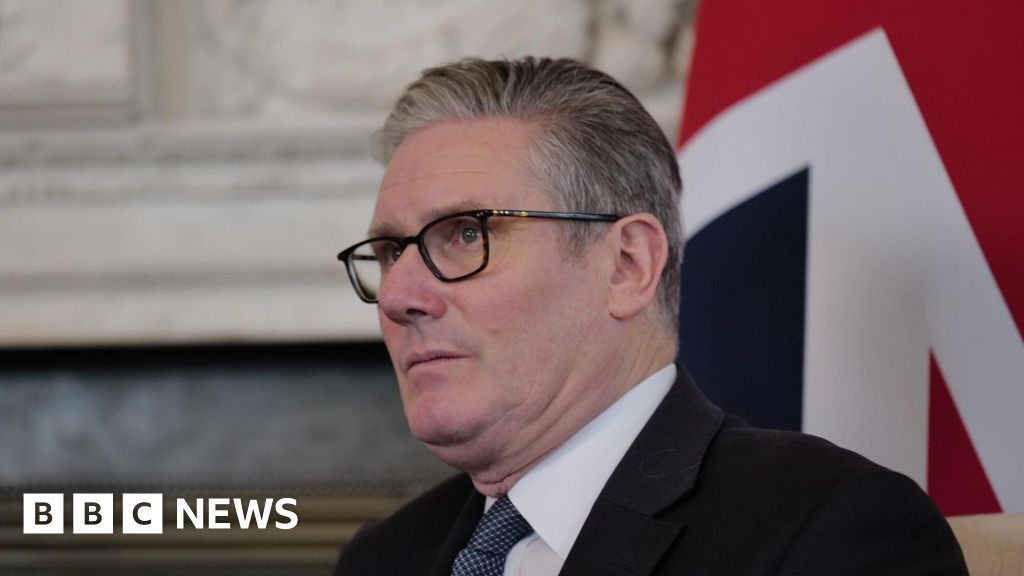
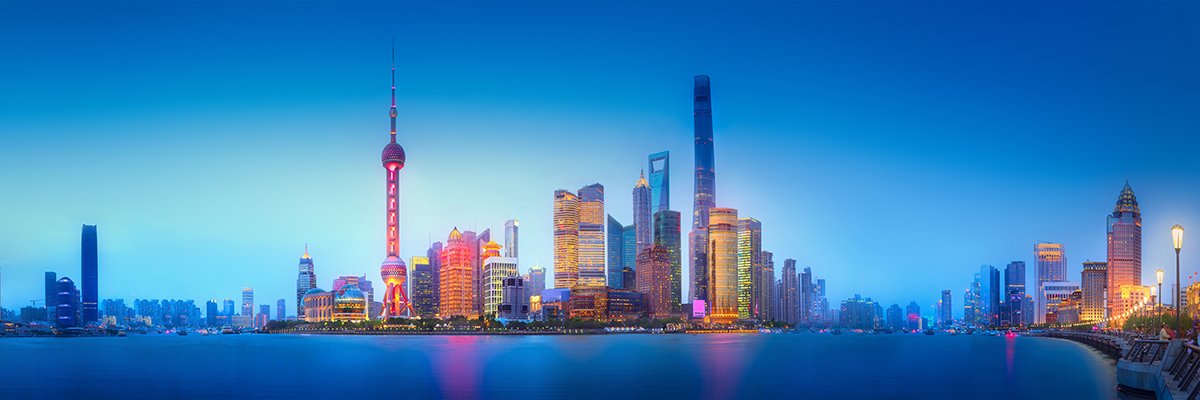
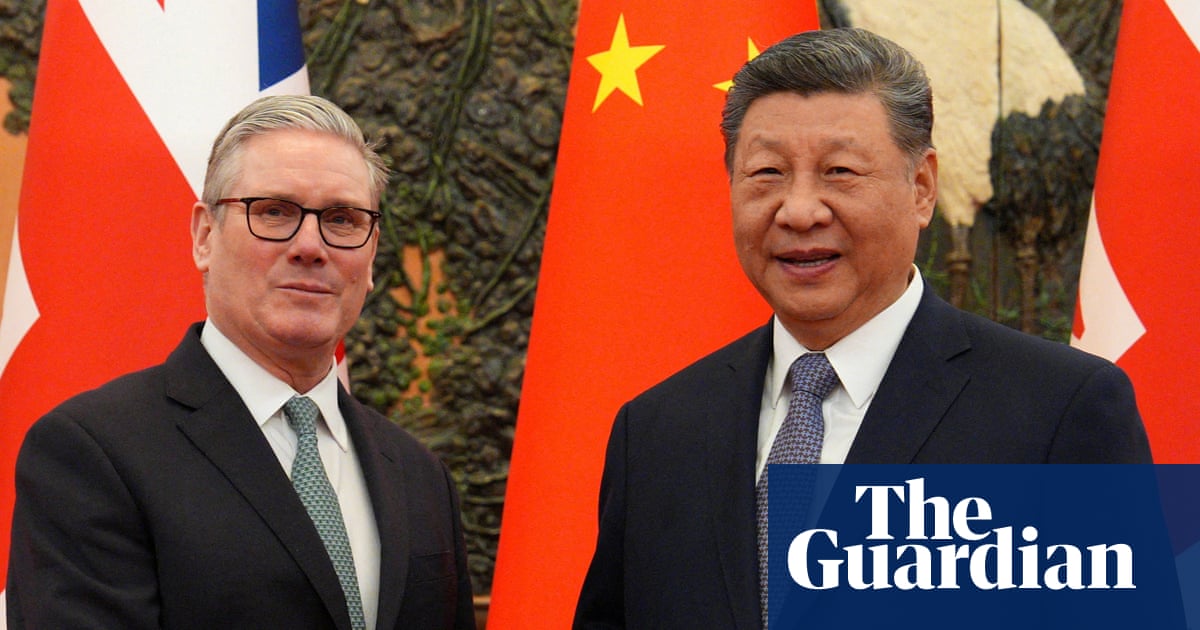
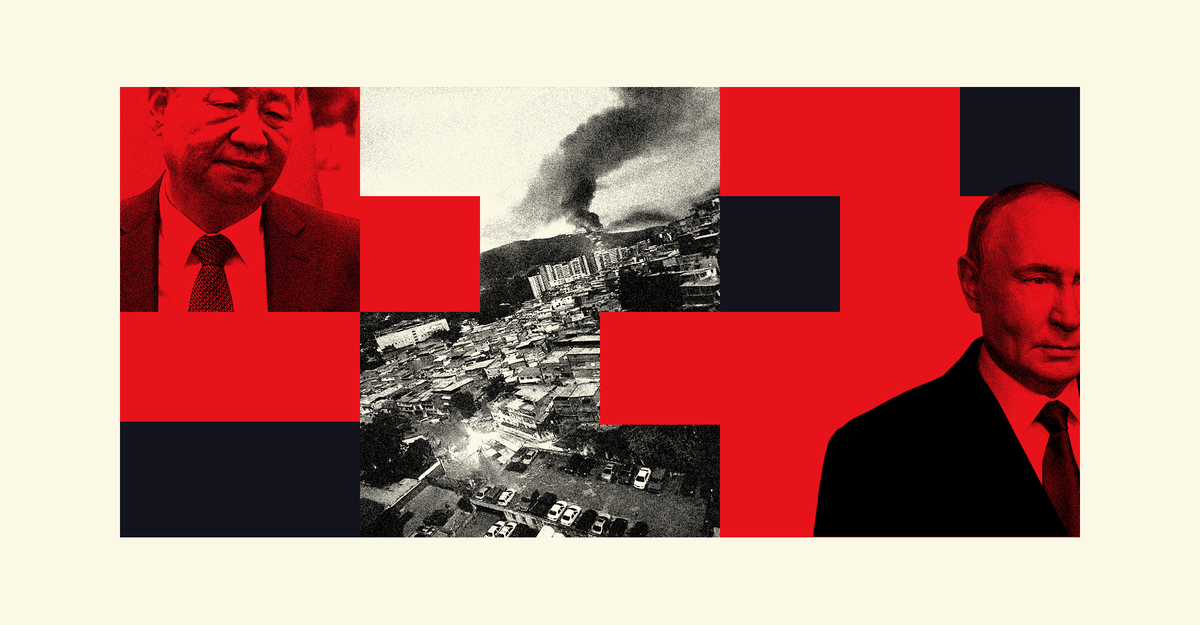
2 months agoMeta's Manus news is getting different receptions in Washington and Beijing
When Benchmark led a financing round for Manus earlier this year, the investment sparked immediate controversy. U.S. Senator John Cornyn complained about the deal on X, and the investment prompted inquiries from the U.S. Treasury Department around new rules restricting American investment in Chinese AI companies. The concerns were significant enough to spur Manus's eventual relocation from Beijing to Singapore part of what drove the company's step-by-step disentanglement from China, as one Chinese professor described it on WeChat this past weekend.
World news
fromwww.dw.com
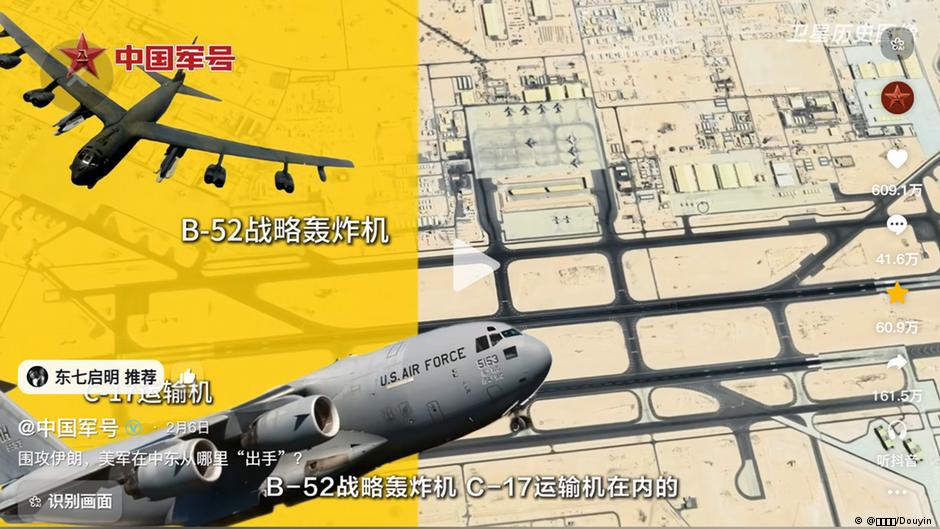
2 months agoHow far will China go to back Iran if the US strikes?
In early January, widespread demonstrations driven by economic hardship, political discontent and sustained foreign pressure posed one of the most serious domestic challenges Iran's leadership has faced in years. The unrest soon gave way to a sharpening regional standoff, as President Donald Trump ordered large US military deployments to the Middle East and issued warnings demanding that Iran curb its nuclear program and ballistic missile development.
World news
fromwww.aljazeera.com
2 months agoWhat role is China playing in global geopolitical transformations?
China's official discourse centres on the idea of peaceful rise, the commitment to non-interference in internal affairs, respect for sovereignty and territorial integrity, and economic partnerships based on mutual benefit. Beijing insists that relations with Washington should not slide into conflict, calling for a system of global governance built on cooperation rather than confrontation. Yet the geopolitical landscape reveals a wide gap between this discourse and reality. Donald Trump's return to the White House has brought back rhetorical escalation and increased geopolitical pressure.
World politics
World news
fromenglish.elpais.com
1 month agoSale of nuclear secrets? Invasion of Taiwan? What the tea leaves reveal about the purge in China's military leadership
A senior Chinese general, Zhang Youxia, was placed under investigation for alleged serious violations, generating confusion and speculation about internal power struggles and military modernization.
[ Load more ]