#chinese-manufacturers
#chinese-manufacturers
[ follow ]
#china #tariffs #export-controls #china-trade-surplus #automotive-industry #electric-vehicles #apple


#china


fromFortune
2 weeks agoEuropean startups
China is becoming a 'factory to the factories,' powering global manufacturing in places like Southeast Asia even as U.S. trade declines | Fortune
China is increasing exports of industrial components while consumer goods exports decline, reshaping global supply chains.
European startups
fromFortune
2 weeks agoChina is becoming a 'factory to the factories,' powering global manufacturing in places like Southeast Asia even as U.S. trade declines | Fortune
China is increasing exports of industrial components while consumer goods exports decline, reshaping global supply chains.
fromFast Company
3 days agoChina is moving faster on next-gen tech. The U.S. is trying to keep up
In recent weeks, China approved the world's first commercial brain-computer interface medical device and unveiled a five-ton class electric vertical takeoff and landing aircraft that has already completed a public flight.
Science
fromTNW | Asia
4 days agoSouth Korea turns to Russian naphtha as chip supply chain faces Middle East crisis
South Korea imports about 45 percent of its naphtha, a critical petrochemical feedstock, with roughly 77 percent of those imports historically arriving from the Middle East. That supply line is now, for all practical purposes, severed.
World news
Cars
fromSilicon Canals
6 days agoToyota faces aluminum supply risks as Strait of Hormuz tensions threaten the material EVs depend on - Silicon Canals
Electric vehicles are increasingly dependent on specialized aluminum from the Persian Gulf, highlighting vulnerabilities in supply chains amid regional instability.

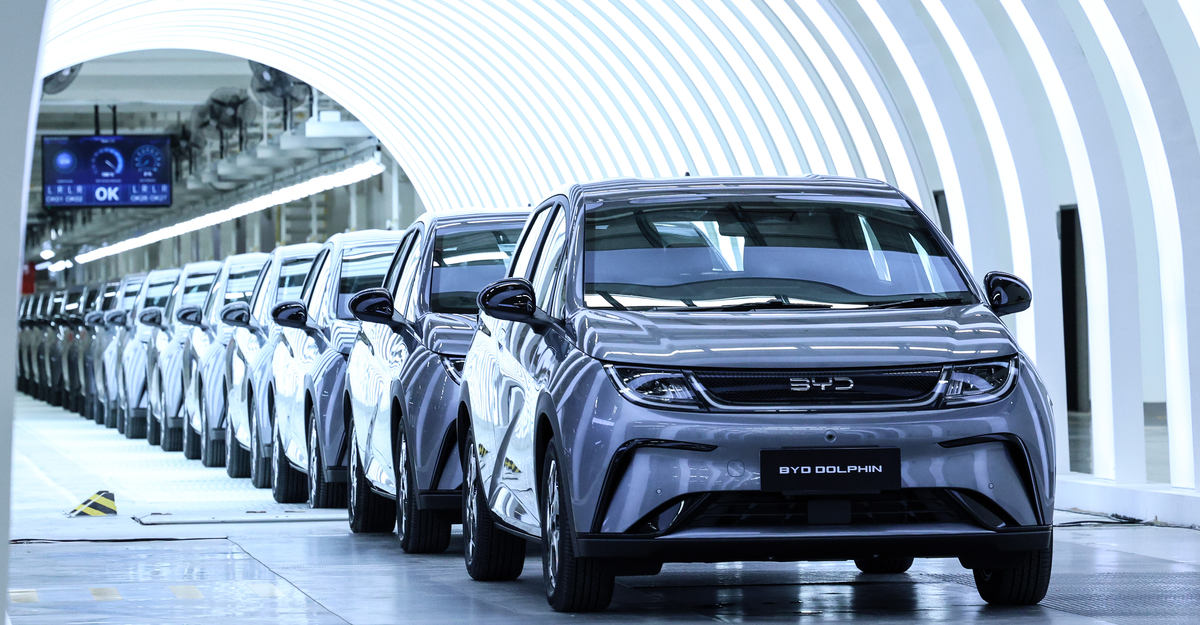
fromGSMArena.com
5 days agoHuawei Chairman promises expanded satellite connectivity across cheaper phones and watches
Richard Yu promises that Huawei will expand satellite connectivity to lower-priced devices, ensuring that it won't be confined to high-end models only. This initiative marks a new chapter in the company's journey, addressing the connectivity struggles that persist due to insufficient mobile network coverage.
Mobile UX
fromSilicon Canals
1 week agoChina now controls 92% of rare earth processing. Every Western EV and defense firm depends on a supply chain they can't replicate - Silicon Canals
China controls the overwhelming majority of global rare earth processing capacity, a figure that has remained structurally stable for nearly two decades despite sustained Western policy attention. The problem has never been geology. It's always been industrial chemistry at scale.
Environment
fromTNW | China
3 days agoChina's Nexchip files for Hong Kong listing as $5 billion chip expansion accelerates
Nexchip Semiconductor is seeking a dual listing alongside its existing Shanghai shares, a move designed to tap international capital for what amounts to an industrial expansion of extraordinary scale.
European startups
#us-china-trade-relations

World news
fromwww.dw.com
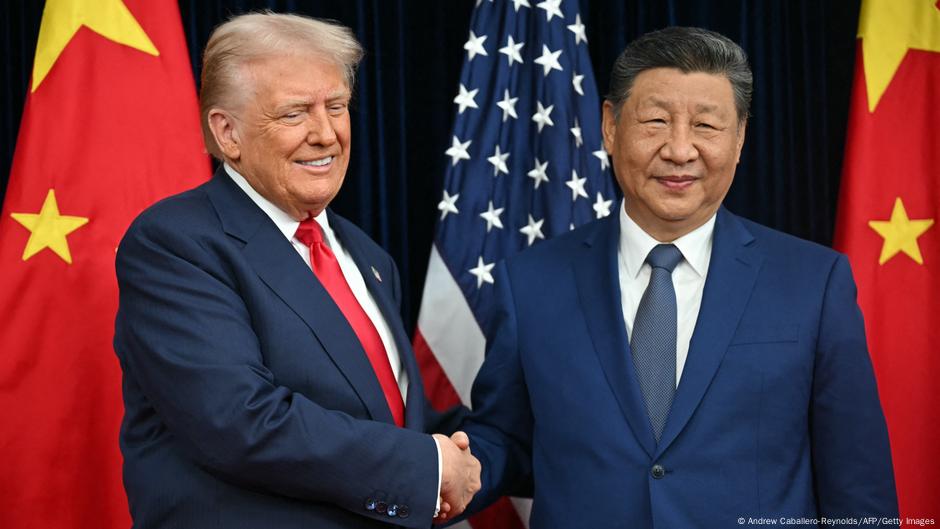
2 weeks agoUS-China trade talks 'stable' despite mutual accusations
US and Chinese trade officials concluded a two-day Paris summit with stable discussions, agreeing on agricultural purchases and proposing new trade boards while disputes over forced labor investigations and Middle East tensions persist.
World news
fromwww.dw.com
2 weeks agoUS-China trade talks 'stable' despite mutual accusations
US and Chinese trade officials concluded a two-day Paris summit with stable discussions, agreeing on agricultural purchases and proposing new trade boards while disputes over forced labor investigations and Middle East tensions persist.
fromGSMArena.com
2 weeks agoCounterpoint: Smartphone sales in China slump during first months of 2026
Smartphone sales in China took a slight hit in the first two months of 2026 as shipments fell by 4% compared to the same period last year, indicating a decline in demand despite government incentives.
Mobile UX
Mobile UX
fromGSMArena.com
2 weeks agoSamsung starts buying Chinese display panels for its mid-range smartphones
Samsung Electronics is diversifying its display supply chain by purchasing 15 million panels from CSOT instead of Samsung Display for mid-range devices, leveraging 20% cost savings to offset rising memory expenses.
European startups
fromFortune
1 week agoChina could be the 'big winner' in the AI race, thanks to abundant power, cheap manufacturing, and an open-source craze | Fortune
China's AI sector is gaining momentum due to cheaper energy, increased capital spending, and a growing number of open-source developers.
Intellectual property law
fromArs Technica
4 weeks agoTech industry is in tariff hell, even if refunds are automated
Trade groups urge courts to establish a clear tariff refund process as 300,000 US businesses await $175 billion in unlawful tariff collections, with interest accruing at $23 million daily.

fromwww.dw.com
1 month agoGermany weighs China risks in new trade era
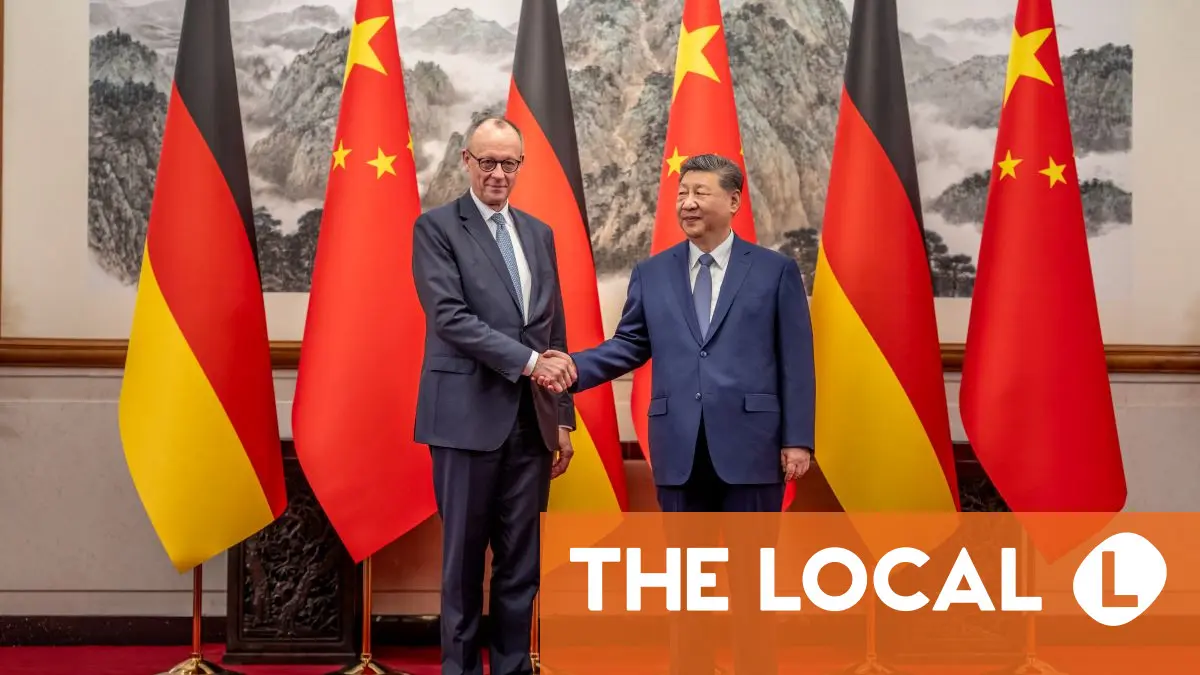
"In the era of great powers, our freedom is no longer a given. It is under threat," said German Chancellor Friedrich Merz at the opening of the Munich Security Conference earlier in February. Merz explicitly mentioned China. "China has the ambition to shape global affairs, laying the foundations for this over many years with strategic patience. In the foreseeable future, Beijing could draw level with the US in terms of military might. China is systematically exploiting the dependencies of others, reinterpreting the international order on its own terms," he said.
Miscellaneous
European startups
fromNature
3 weeks agoTop brass in China reaffirm goal to be world leaders in tech, AI
China's 15th five-year plan (2026-2030) commits extraordinary measures to lead globally in AI, quantum technology, and advanced fields through increased R&D spending and technological self-sufficiency.


fromFast Company
1 month agoChina's economy is losing momentum, as its national congress prepares for meetings in Beijing
What we'll see is the trade-off between whether it's going to be industry and tech, or looking after domestic demand. These are the two priorities that are juggling for Xi Jinping right now.
World news
European startups
fromTheregister
3 weeks agoBeijing warns of more chip supply worries amid Nexperia mess
China's Ministry of Commerce warns of semiconductor supply chain disruption following Nexperia's restriction of Chinese staff access to critical systems, while Indonesia bans social media for children under 16 to combat cyberbullying and addiction.
from24/7 Wall St.
2 months agoChina Opens Door to Nvidia H200 Chips But Questions Outnumber Answers
Nvidia's Q3 FY2026 earnings call revealed China data center revenue grew sequentially on "export-compliant copper products," but CFO Colette Kress noted it "remains well below levels prior to the onset of export controls." Nvidia has been selling export-compliant chips to China for two years, and China previously represented 20-30% of revenue share. NVDA is up 0.77% over the past week while Advanced Micro Devices ( NASDAQ:AMD) surged 12%. Nvidia's stock has shown limited movement following the news, while AMD has captured significant momentum.
Tech industry
fromWIRED
2 months agoShould You Import a Chinese Smartphone?
The US has increasingly shut out Chinese smartphone makers in recent years with outright bans and punitive tariffs, not to mention Apple's dominance. But the truth is, some of the best smartphones you can't officially buy in the US are simply some of the best smartphones. If you want cutting-edge photography, interesting innovations, and top-tier hardware that won't break the bank, you can find them in China.
Gadgets
frominsideevs.com
2 months agoCheap Chinese EVs Are Coming To Canada. Not Everyone Is Happy About It
Cars, parts and the manufacturing of both are closely tied together on both sides of the border, so what's been good for one country has long been considered good for the other. But that partnership saw its biggest breakdown yet this week as Canada struck a deal to reduce its 100% tariffs on Chinese-imported electric vehicles, opening North America's deeply intertwined auto industry to a whole new level of competition.
Canada news



fromFortune
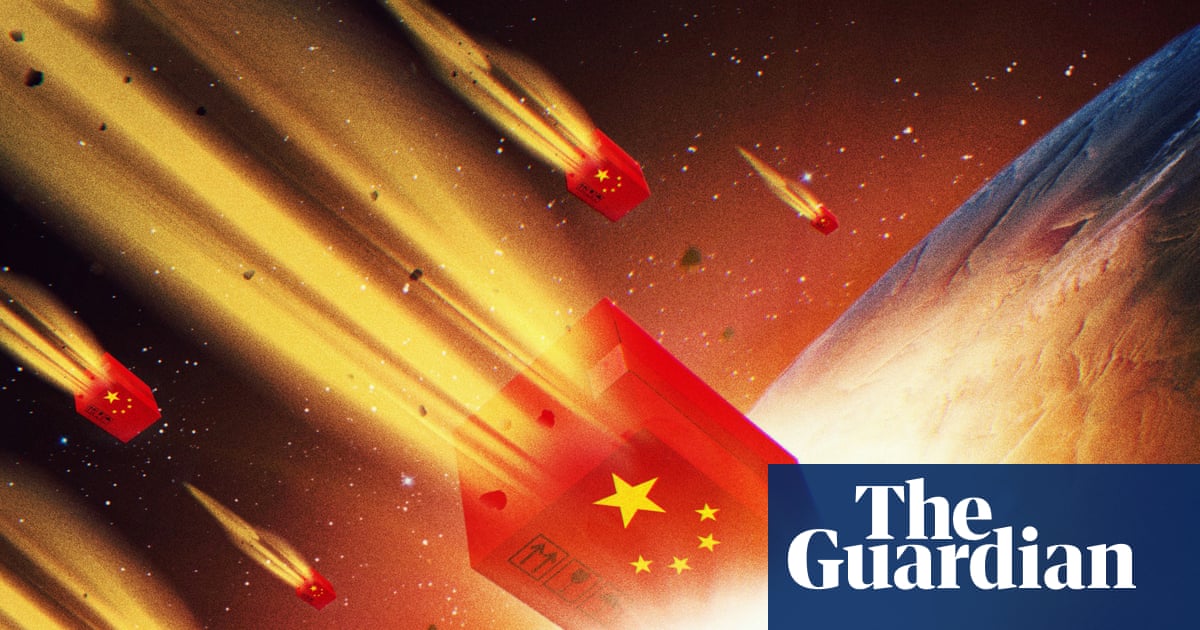
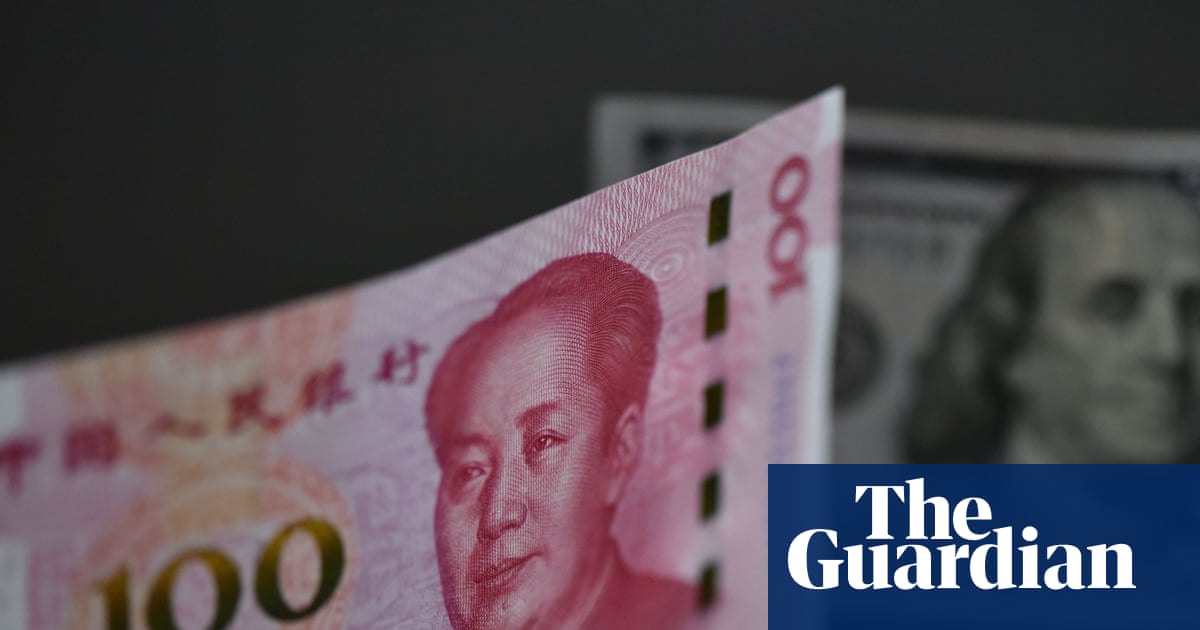
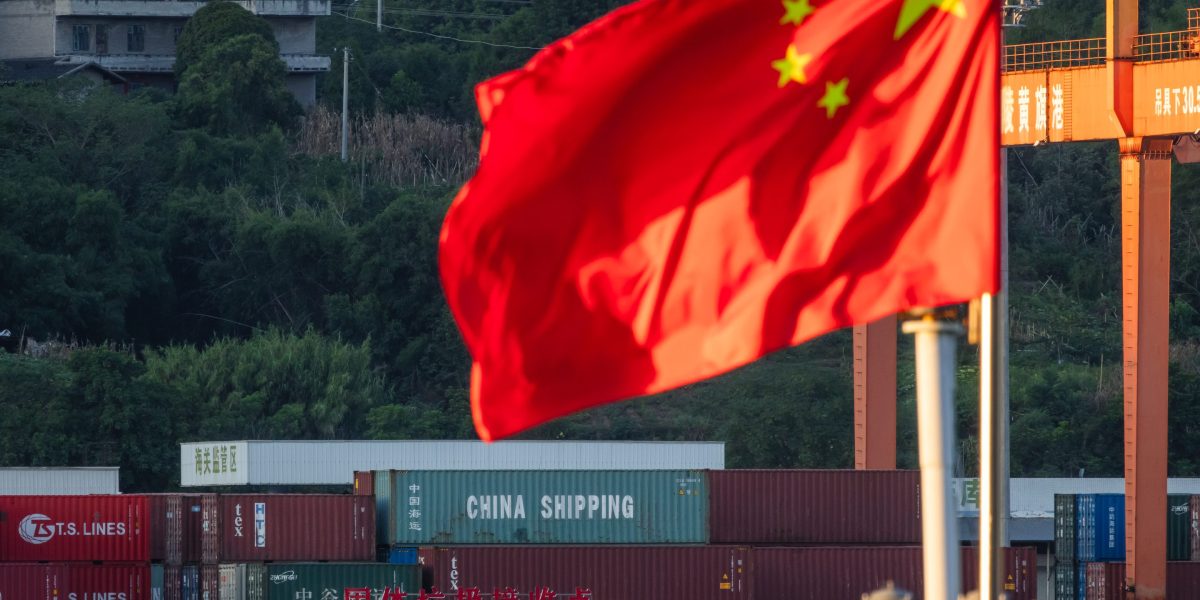
2 months ago'The Chinese have invaded us in terms of merchandise': Mexico and Argentina lead Latin America's struggles with flood of imports | Fortune
China has been flooding Latin American markets with low-priced exports, especially autos and e-commerce goods, as its exporters adjust to U.S. President Donald Trump's tariffs and geopolitical moves. The world's second-largest economy has become a major trading partner for many Latin American nations, seeking access to their abundant natural resources and growing markets while expanding its influence in a region Trump views as America's Backyard.
E-Commerce

fromThe Cipher Brief
2 months agoExport Controls Backfire: The China Innovation Paradox
Instead of paralyzing China's AI sector, these controls have promoted domestic self-reliance. With no choice but to develop indigenous workarounds and architectural innovations, Chinese businesses are decoupling AI progress from sheer hardware volume. U.S. policies have undoubtedly bought time, but they have also ushered in a parallel innovation ecosystem totally independent of Western influence.
Artificial intelligence
fromComputerworld
2 months agoYea or nay: Will Nvidia H200 chips go to China?
In what appears to be a case of diplomatic mind games in action, one day after the US government issued a regulation clearing the way for Nvidia to sell its H200 artificial intelligence processors to Chinese companies on a case-by-case basis, a published report has revealed Chinese custom officers have been told not to let them into the country. The ruling announced Monday by the US commerce department's Bureau of Industry and Security (BIS),
Artificial intelligence
fromwww.dw.com
2 months agoChina logs record trade surplus in 2025 amid Trump tariffs
China recorded strong exports in 2025 with a record $1.2 trillion trade surplus, as producers shifted their focus to markets other than the US amid Trump's tariffs. Customs data showed that Beijing's global surplus rose 20% from the previous year, which saw a $992 billion surplus. Exports in 2025 stood at $3.7 trillion and imports at $2.58 trillion, government data showed on Wednesday. The record surplus was aided by a 6.6% bump in exports in the month of December when compared to December 2024,
World news
fromBusiness Insider
2 months agoChina's AI push is about spreading economic gains, not enriching tech giants, a finance CEO says
Open source - that might be the clearest signal of how China wants artificial intelligence to reshape its economy. Hisham Alrayes, the group CEO of Bahrain-based GFH Financial Group, said China is prioritizing open models and broad deployment to spread AI's gains across the economy, instead of funneling them to a few tech giants. Speaking at a Davos panel on China's "AI+ Economy" strategy on Wednesday, Alrayes said the country's approach reflects a fundamentally different economic philosophy.
Artificial intelligence

World news
fromFast Company
2 months agoChina-Japan relations strain as probe is launched into this chemical used for semiconductors
China opened an anti-dumping investigation into dichlorosilane from Japan and imposed export curbs amid escalating bilateral tensions tied to Taiwan-related statements and visits.
[ Load more ]