#chlorine-chicken
#chlorine-chicken
[ follow ]
#food-safety #public-health #fda #walmart #ultra-processed-foods #chicken-nuggets #epa #health-risks #pesticides
#food-safety

Berlin food
fromTasting Table
1 month agoThe One Container You Should Never Use For Raw Meat, According To A Food Scientist - Tasting Table
Plastic food storage containers are porous and harbor bacteria more readily than glass or stainless steel, making them less safe for storing raw meat and other foods.

fromRealagriculture
3 days agoCattle sector seeks workable path forward on traceability
"Quite simply, we didn't think that the regulations hit the mark in really addressing the risk with a reasonable cost or burden," says Fulton, noting concerns about duplication with existing provincial systems, such as livestock inspection in Western Canada.
Canada news
fromABC7 Los Angeles
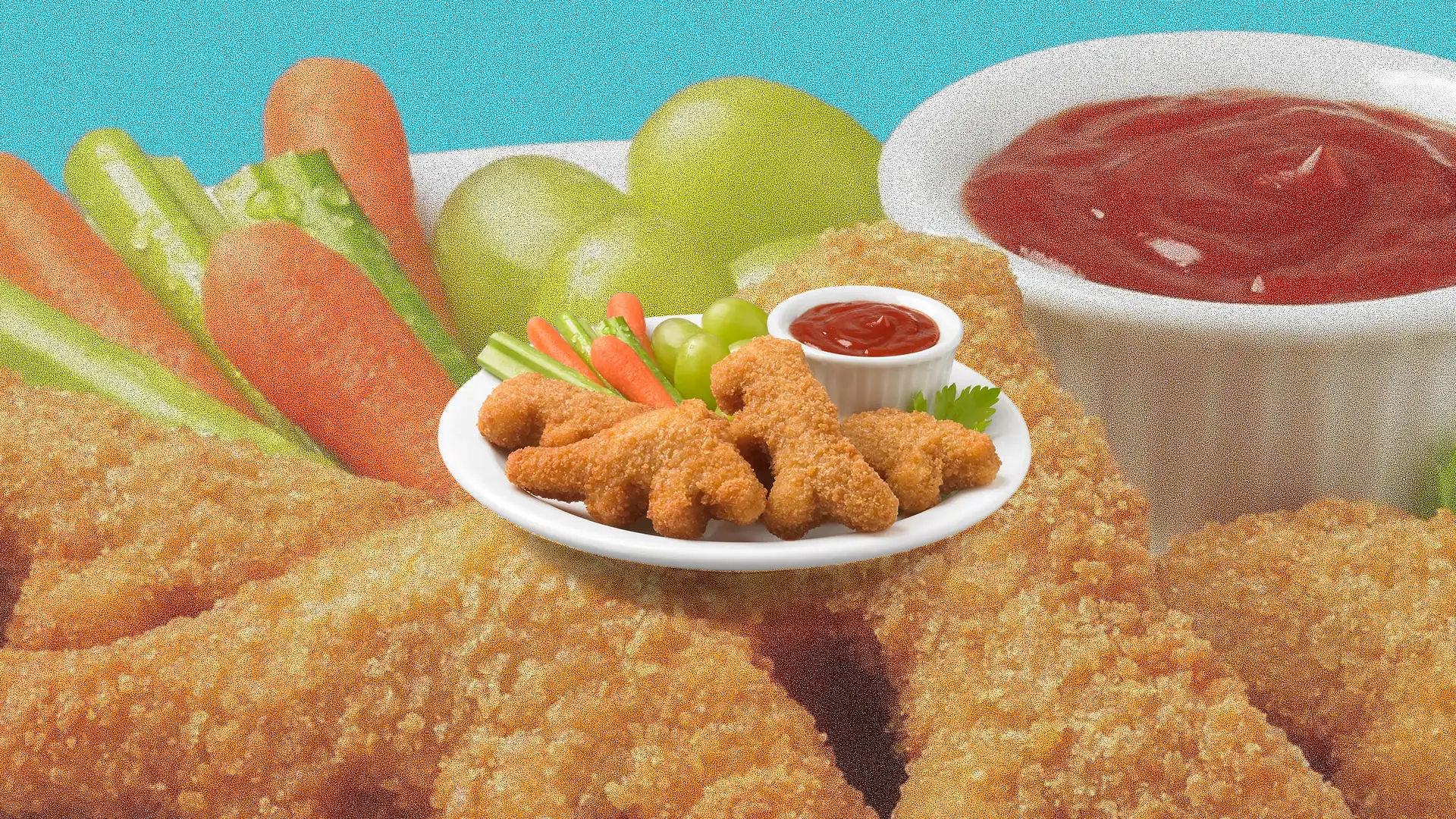
3 days agoDinosaur-shaped chicken nuggets sold at Walmart could contain lead, USDA says
The USDA has issued a health alert for dinosaur-shaped chicken nuggets sold at Walmart, as certain packages may contain lead. Lead is especially harmful to pregnant women, infants and young children.
SF food



fromFood & Beverage Magazine
1 week agoNew Safe-T-Chef Clamshell with Tamper Protection
Marlene Bautista, Product Portfolio Manager at Inline Plastics, states, "The addition of a black-base option gives operators more flexibility to elevate presentation while maintaining the safety and performance they rely on." This encapsulates the ethos of the Safe-T-Chef line, designed to meet the evolving needs of the food service industry.
Food & drink
Environment
fromJezebel
3 weeks agoImagine If the Trump EPA Cared Enough to REDUCE Our Daily Exposure to Carcinogens
The EPA has shifted from environmental protection to facilitating increased carcinogen emissions, including weakening ethylene oxide regulations despite evidence of severe health risks to children.
Everyday cooking
fromTasting Table
3 weeks agoWhy You'll Probably Want To Avoid This Popular Type Of Meat At The Grocery Store - Tasting Table
Pre-marinated packaged meats compromise texture and contain excessive sodium and phosphates, making homemade marinades a healthier alternative despite requiring more time.
Agriculture
fromRealagriculture
4 weeks agoRealAg on the Weekend: Livestock traceability, equipment sales & fertilizer fears, Mar 7 & 8, 2026
RealAg on the Weekend covers weekly agricultural news including livestock traceability regulations, fertilizer markets, and equipment sales forecasts with industry experts.
fromMail Online
1 month agoWarning to pet owners over TOXIC cancer-causing chemicals in foods
The PFAS concentrations detected in pet food in this study are a significant source of daily exposure for companion animals. Per- and polyfluoroalkyl substances are a class of synthetic chemicals often used in plastics, cleaning products and non-stick coatings. They can take over 1,000 years to break down and have been detected in nearly all environments including remote Arctic areas, deep oceans, drinking water and human blood.
Pets
Public health
fromLos Angeles Times
3 weeks agoTrump EPA moves to roll back recent limits on ethyene oxide, a carcinogen
The EPA proposes rolling back Biden-era ethylene oxide emission limits, citing $630 million in cost savings for medical sterilization facilities while environmental groups warn of increased cancer risks to nearby communities.
fromTasting Table
3 weeks agoThe Exploding Turkey Burger Scandal That Once Rocked Aldi - Tasting Table
In 2018, an Aldi customer bought frozen Kirkwood-brand turkey burgers from a Pittsburgh store and cooked them according to the directions on the back of the package. After placing the frozen patty in a skillet of oil, the burger exploded, causing second-degree burns. In early 2019, the customer filed a lawsuit against the grocery chain for about $35,000.
Everyday cooking
fromTasting Table
1 month agoThe Country With The Absolute Lowest Chicken Prices - Tasting Table
Global Product Prices puts Brazilian chicken at $1.67 per kilo - roughly 76 cents per pound. Compare that to data from the Federal Reserve Bank of St. Louis that currently shows pricing of about $4 per pound in the U.S., and you're looking at quite the difference.
Berlin food
Agriculture
fromwww.theguardian.com
1 month agoBig Four' meatpackers under fire as beef prices soar
Tyson Foods closed its Lexington, Nebraska beef plant, eliminating 3,200 jobs despite record company profits, amid allegations of anticompetitive practices by the Big Four beef producers controlling 85% of the industry.
Berlin food
fromTasting Table
1 month agoThe Aldi Horse Meat Scandal That Plagued The Chain For Years - Tasting Table
Aldi was caught in Europe's 2012-2013 horse meat scandal when frozen beef products tested positive for horse meat due to opaque supplier practices, though the company did not intentionally sell mislabeled meat.
SF food
fromTasting Table
3 weeks agoAre There Preservatives Hiding In Costco's Rotisserie Chicken? - Tasting Table
Costco's rotisserie chicken contains preservatives including sodium phosphate and carrageenan despite previous packaging claims of being preservative-free, leading to a 2026 class-action lawsuit.
Public health
fromTasting Table
1 month agoThe FDA Has Issued The Highest-Level Recall For Frozen Blueberries In 4 States - Tasting Table
The FDA upgraded a frozen blueberry recall to Class I status due to Listeria monocytogenes contamination affecting 55,689 pounds across multiple states, posing serious health risks including potential death.
fromTasting Table
1 month agoWendy's Has A Specific Goal For Its Beef, Which It Hopes To Reach By 2030 - Tasting Table
According to their website, the target is to ensure that by 2030, all of their beef in America and Canada "will be sourced from suppliers that prohibit the routine use of medically important antibiotics". This is a part of Wendy's commitment to sourcing beef responsibly - a long-standing mission that dates back to 2001, when they set up the Animal Welfare Council.
Food & drink
fromTruthout
2 months agoTrump Admin Tells USDA Staff to Investigate Foreign Scientists They Work With
The Trump administration is directing employees at the U.S. Department of Agriculture to investigate foreign scientists who collaborate with the agency on research papers for evidence of "subversive or criminal activity." The new directive, part of a broader effort to increase scrutiny of research done with foreign partners, asks workers in the agency's research arm to use Google to check the backgrounds of all foreign nationals collaborating with its scientists.
US politics
fromTasting Table
2 months agoWhat Store-Bought Rotisserie Chicken's Appearance Says About Its Quality - Tasting Table
Politte gave us a great guide to positive signs to look for (and red flags to avoid) based on the appearance of your rotisserie chicken. On the plus side he says, "The skin should be an even golden-brown. This means the chicken was roasted well and will likely taste good." Politte also notes that coloring should be uniform around the whole chicken with no real pale or burnt areas. Beyond that, he tells us, "Look for skin that looks crisp and firm, not loose or rubbery." Politte also warns against buying rotisserie chickens that look too greasy, saying, "A little shine is fine, but the skin shouldn't be very oily."
Cooking
fromTasting Table
1 month agoArby's Bread No Longer Contains A 'Yoga Mat Chemical' Banned From Food In Multiple Countries - Tasting Table
Also called ADA, azodicarbonamide strengthens gluten bonds in bread. It makes the final product rise higher and have a fluffier texture. However, research has shown that it breaks down during cooking into other compounds, including semicarbazide, a known carcinogen that may increase cancer risk based on animal studies.
SF food

fromRealagriculture
1 month agoFrom record demand to border disruptions - here's what's shaping the red hot cattle sector
Strong cattle prices, record beef demand, and renewed policy attention are giving the North American cattle sector reasons for optimism - but supply constraints and cross-border issues remain front and centre, says Colin Woodall, CEO of the National Cattlemen's Beef Association (NCBA). RealAgriculture's Shaun Haney was at CattleCon 2026 in Nashville, Tennessee, this week, to discuss the state of the cattle industry, trade relationships, and the policy challenges shaping the years ahead.
Agriculture



fromTasting Table
1 month agoThese 3 Foods Are Most Commonly Linked To E. Coli - Tasting Table
E. coli - you don't want it. You really, really don't. Properly known as Escherichia coli, E. coli are bacteria found in the intestines of humans and animals. While many of them are harmless, some kinds can cause severe gastrointestinal illness, with the most dangerous pathogenic types - such as Shiga toxin-producing E. coli (STEC) - potentially leading to kidney failure and death, particularly among vulnerable groups such as children, the elderly, and those with compromised immune systems.
Public health
Food & drink
fromFortune
2 months agoRFK Jr. is pushing Americans to eat more red meat and dairy as Starbucks, Chipotle, and others cash in on protein craze | Fortune
New U.S. nutrition guidelines sharply increase recommended protein intake and prompt major food chains to launch protein-focused menu items.
Food & drink
fromTasting Table
2 months agoKeep An Eye Out For This Seafood-Label Red Flag At The Grocery Store - Tasting Table
Check seafood for off smell or color, suspicious price, unsanitary displays, additives like phosphates, mislabeling, and proper certifications to avoid poor-quality or fraudulent seafood.
Food & drink
fromJezebel
2 months agoThe Protein-Obsessed Fast Food Industry's Latest Innovation: Big-Ass Cups of Plain Meat
Fast-food chains repurpose existing menu items into high-protein offerings, capitalizing on a national protein obsession and selling meat-heavy, calorie-dense 'protein' products.
[ Load more ]