#citizen-science
#citizen-science
[ follow ]
#conservation #birdwatching #light-pollution #bird-behavior #biodiversity #nasa #wildlife-management
fromwww.theguardian.com
2 weeks agoPristine waters teeming with marine life: a deep dive into the Greek island of Alonissos
The National Marine Park of Alonissos Northern Sporades, established in 1992, is Greece's largest working marine protected area. The protective measures appear to be working, judged by the size, abundance and diversity of marine life—glassy waters teeming with colourful fish and precious shells make swimming here an absolute dream.
Europe news
fromdesignboom | architecture & design magazine
4 weeks agoEntoPedia magnetic camera turns insect encounters into digital specimens without capture
EntoPedia is a wearable digital collection system designed by Junfei Teng to reframe insect 'collecting' as documentation, turning everyday encounters into moments of observation, learning, and shared knowledge without physical capture. The project received the 2026 French Design Awards Gold (Professional) in Product Design, Educational Toys & Games, recognizing its approach to ecological education through wearable interaction and community-built datasets.
Wearables
fromwww.bbc.com
1 month agoVolunteers to help rare wildflower by home growing
Citizen Zoo Volunteers across London are being enlisted to grow a threatened wildflower vital for bees, butterflies and rare moths, in an effort to stop one of the capital's rarest plants from disappearing. Conservation group Citizen Zoo launched the project to restore tower mustard, which is thought to survive at only two sites in the capital and about 30 in England. Volunteers will cultivate the herb at home before it is replanted at locations across Greater London.
Environment
fromwww.theguardian.com
2 months agoA potentially habitable new planet has been discovered 146 light-years away but it may be -70C
Astronomers have discovered a potentially habitable new planet about 146 light-years away which is Earth-sized and has conditions similar to Mars. The candidate planet, named HD 137010 b, orbits a sun-like star and is estimated to be 6% larger than Earth. An international team of scientists in Australia, the UK, the US and Denmark identified the planet using data captured in 2017 by the Nasa Kepler space telescope's extended mission, known as K2.
Science
Science
fromKqed
3 months agoMonarch Butterflies Now Wear Tiny Tags - for Scientists to Track Them in Real Time | KQED
Ultralight solar Bluetooth radio tags enable real-time tracking of western monarchs, revealing habitat use, movement patterns, and sites critical for conservation and threat reduction.


fromSFGATE
4 months agoThis wild animal shows signs of domestication in California cities
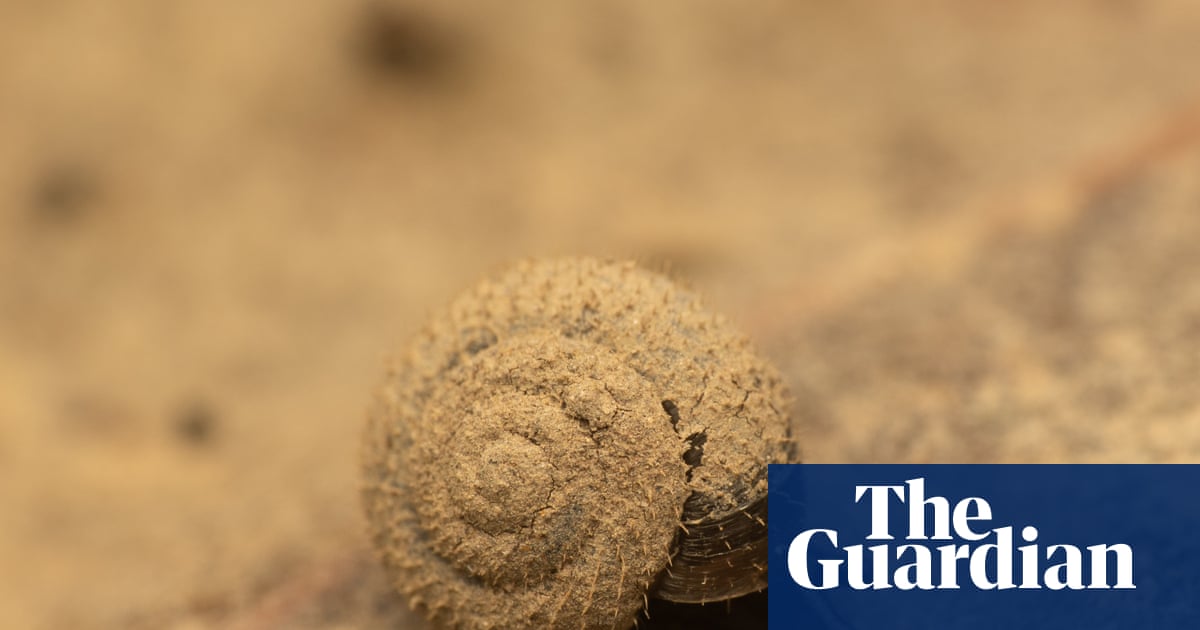
"I started wondering how our city environments potentially shape wild animals," Raffaela Lesch, a biologist from the University of Arkansas at Little Rock and the study's senior author, told SFGATE. "How might the environment where we live change them in a way that might be similar or the same to domestication? That's really the idea that sparked this work with the raccoons."
Science
fromwww.scientificamerican.com
5 months agoThe Eclipse Turned Day to NightAnd the Birds Went Quiet
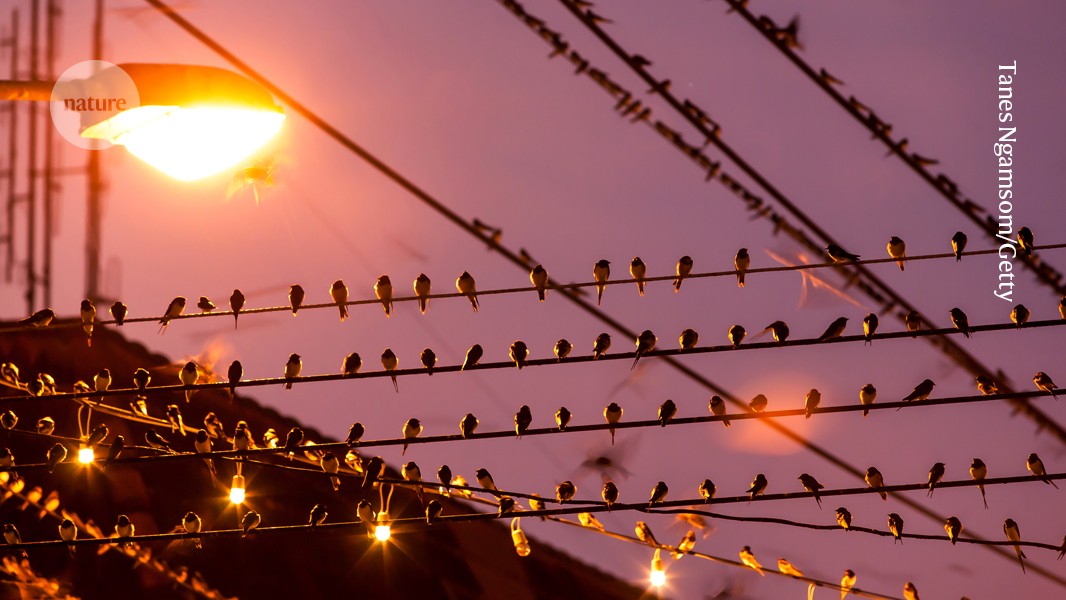
When a total solar eclipse plunged North America into darkness on the afternoon of April 8, 2024, the songbirds in Bloomington, Ind., suddenly fell silent. In the middle of the forest, the only sounds biologist Kimberly Rosvall could hear were the croaks of nocturnal frogs and the distant howl of a coyote. But when sunlight returned after four minutes of night, the songs did, too, as hundreds of birds greeted the morning in unison with a cheerful dawn chorus.
Science
Travel
fromwww.theguardian.com
6 months agoA truly authentic experience that benefits everyone': readers' favourite community travel experiences
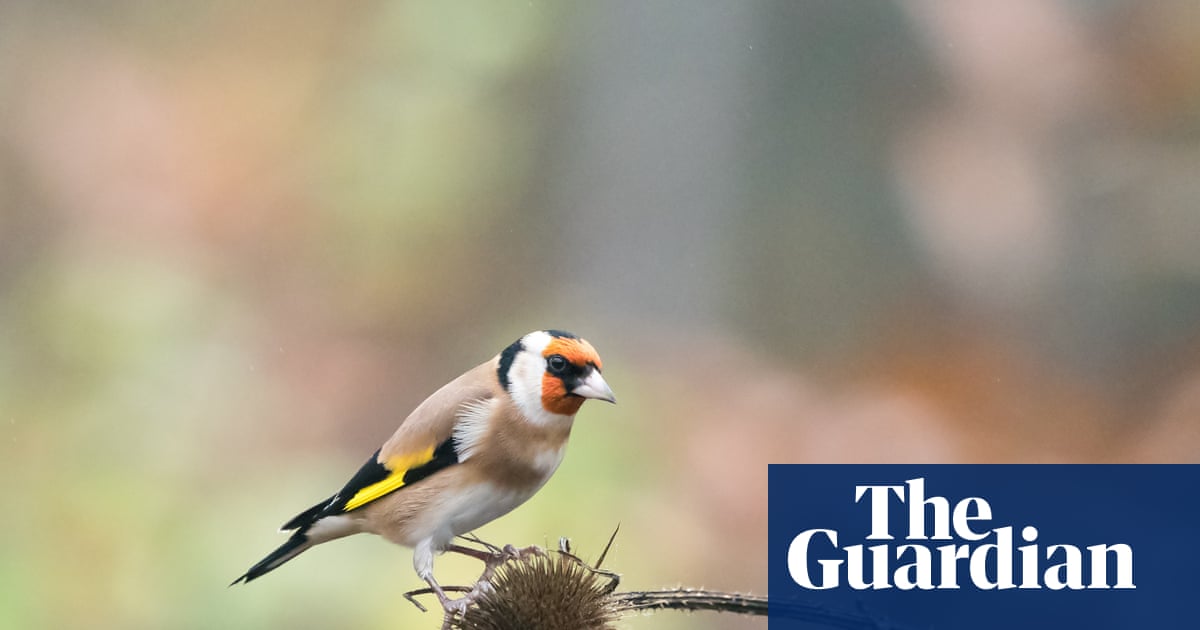
Community homestays, conservation-focused diving programs and local wildlife projects empower communities, create livelihoods and promote education, training and citizen science.

Science
fromThe Washington Post
8 months agoCitizen scientists pinpoint 10,000 eclipsing star pairs
Citizen scientists have identified over 10,000 eclipsing binary star pairs, aiding in astrophysical research.
The Eclipsing Binary Patrol uses machine learning and public participation to validate potential star pairs.
[ Load more ]