California
fromKqed
1 day agoNew Citizens Reflect on State of US at Naturalization Ceremony | KQED
California's snowpack is at 18% of average, raising concerns for an early fire season despite reservoirs being above historic averages.
I would squirm in my chair as my new teacher worked their way through the class register, and my stomach would drop as they attempted to say my full name: Priti Ubhayakar.
I didn't know that anything had officially changed walking in there. And then being told that I had to provide a passport that I've never had or a birth certificate that's usually tucked away somewhere safe just to cast my vote - which I've done before - it was frustrating.
Citizens of Nowhere is a documentary short about stateless people in the United States individuals who, through circumstance or legal technicality, belong to no nation. Without passports, citizenship or legal recognition, they live in a state of uncertainty. From finding work and accessing education, to simply existing within a system that does not officially recognise them, stateless people face endless bureaucratic barriers.
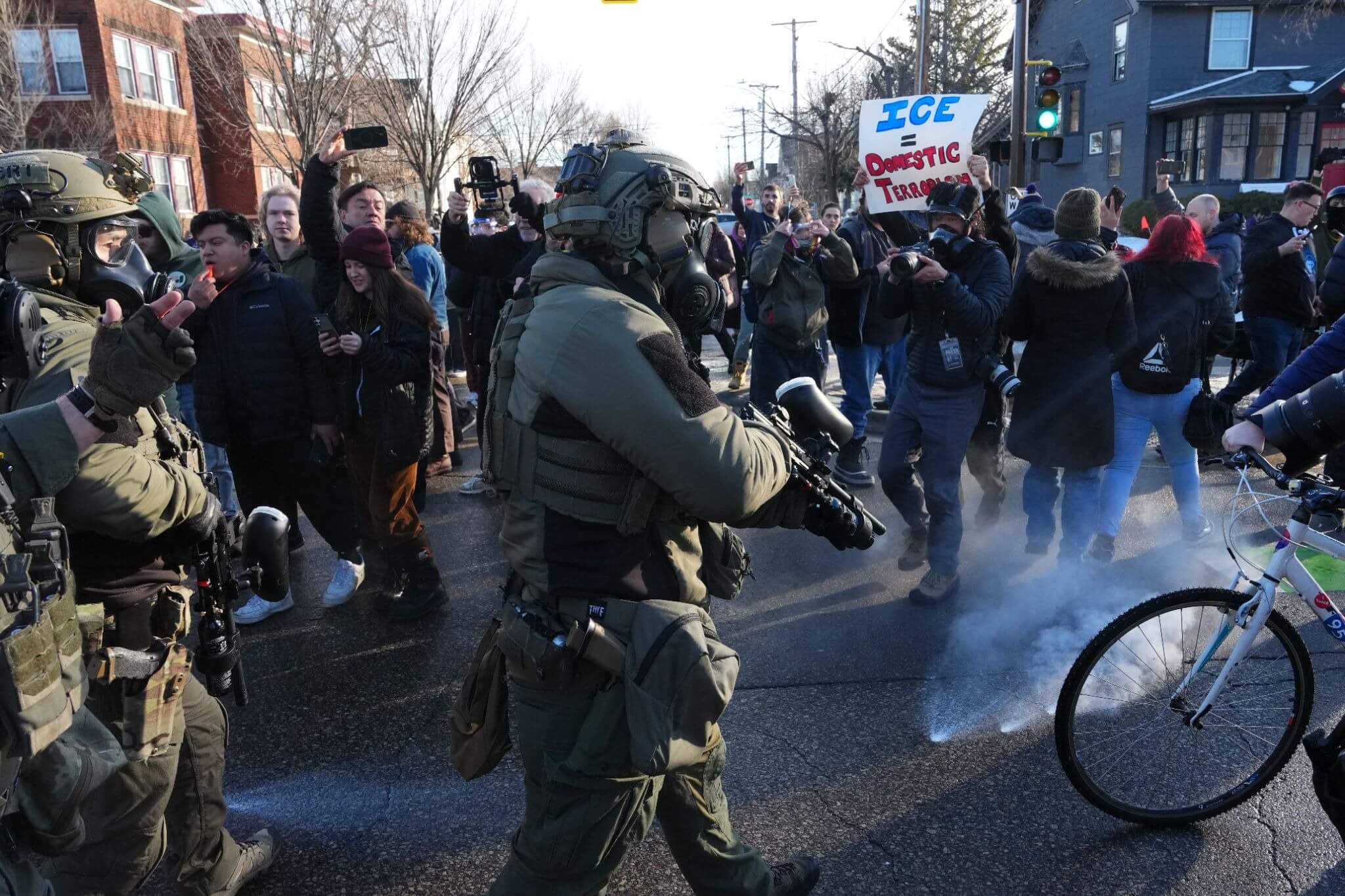
Charlie Warzel opens with what it means to live in 2026, when our phones can drop us into graphic, real-time violence without warning-and when documenting that violence can be both traumatizing and politically consequential. Using recent footage out of Minneapolis as a lens, he explores the uneasy collision of algorithmic feeds, misinformation, and the moral weight of witnessing. Charlie also traces how viral documentation can puncture official narratives, pushing stories beyond political circles and even into "apolitical" corners of the internet.
In the early 20th century, sociologist Max Weber noted that sweeping industrialization would transform how societies worked. As small, informal operations gave way to large, complex organizations with clearly defined roles and responsibilities, leaders would need to rely less on tradition and charisma, and more on organization and rationality. He also foresaw that jobs would need to be broken down into specialized tasks and governed by a system of hierarchy,
That was the case for Mailan Pacios, a 28-year-old Cuban immigrant living in Tennessee, who was scheduled to take her citizenship exam on January 8, only to receive a notice on January 3 that her appointment had been canceled. It was like a bucket of cold water. It's very painful when you come with the hope of moving forward and this happens, says Pacios, who has two children, owns an air-conditioning business, and insists she has never had legal problems nor been a public burden.