SF food
fromTasting Table
1 hour ago5 Fruits And Vegetables To Stock Up On In The Spring - Tasting Table
Buying seasonal produce offers better taste, nutritional value, and lower prices.
More than 30,000 hectares of land are covered in plastic, a geometric labyrinth five times the size of Manhattan, where 3.5m tons of vegetables are produced every year from tomatoes to cucumbers, peppers to courgettes, aubergines to melons, enough to feed half a billion people and generate a turnover of more than 3bn euros.
Southern California, especially Los Angeles, has many breathtaking botanical gardens and wildflower-lined hiking trails. But it's also exciting to visit private home gardens that are rarely open to the public and find inspiration even if you don't have space for a garden at home.
Where multi-story apartment buildings are now being constructed once stood the Butcher family orchard. The farm had been in the family since 1881, when Rolla and Emma Butcher bought 160 acres of land. After Rolla's early death, Emma ran the farm by herself, planting fruit trees while raising her young children.
We want an end to the use of herbicides in our creeks. This idea that we're just going to spray, hose down these creeks and leave them dead is unacceptable. Linas and other residents have filed requests for records detailing the chemicals the county uses to control vegetation in the waterways, such as glyphosate, triclopyr and imazapyr.
In 2009, Wall Street had just imploded, and the Mojave Desert town of Victorville, California-sunblasted, shoddily constructed, and abruptly abandoned-was one of the housing bubble's most spectacular wipeouts. But amid the boarded-up McMansions and tumbleweed-traversed deserted culs-de-sac, the journalist Yasha Levine stumbled upon an entirely different story. Seeking water, a drought-stricken Victorville bulk-purchased enough to supply as many as 30,000 families for a year. The arrangement gave Levine pause: Since when did a public resource like water come with a deed? That question unspooled into the reporting behind his new documentary, Pistachio Wars.
Every morning I join a group of friends for coffee and conversation at a cafe in my neighborhood. We call ourselves the "coffee klatch." This time of year, one of the key klatchers, Michael Soriano, often comes bearing a bag of Meyer lemons, picked from his tree. Last year he even did a drive-by in front of my apartment, delivering a bag of those fragrant golden orbs just for me. Such luxury! And free. It felt like a heist.
Instead of running to the store every time you need a handful of fresh basil (and inevitably letting the rest go to waste in your fridge), having an herb garden of your own allows you to only take what you need. While this in itself is a great sustainable practice, try taking it a step further by starting an herb garden in old plastic fruit containers.
The term "soil fatigue" or exhaustion refers to the condition that soil profiles take on when they've been heavily monocropped and untended. This soil is devoid of the microbial content that offers plants bioavailable food. It lacks the fungal and bacterial organisms that interact with plant nutrients.
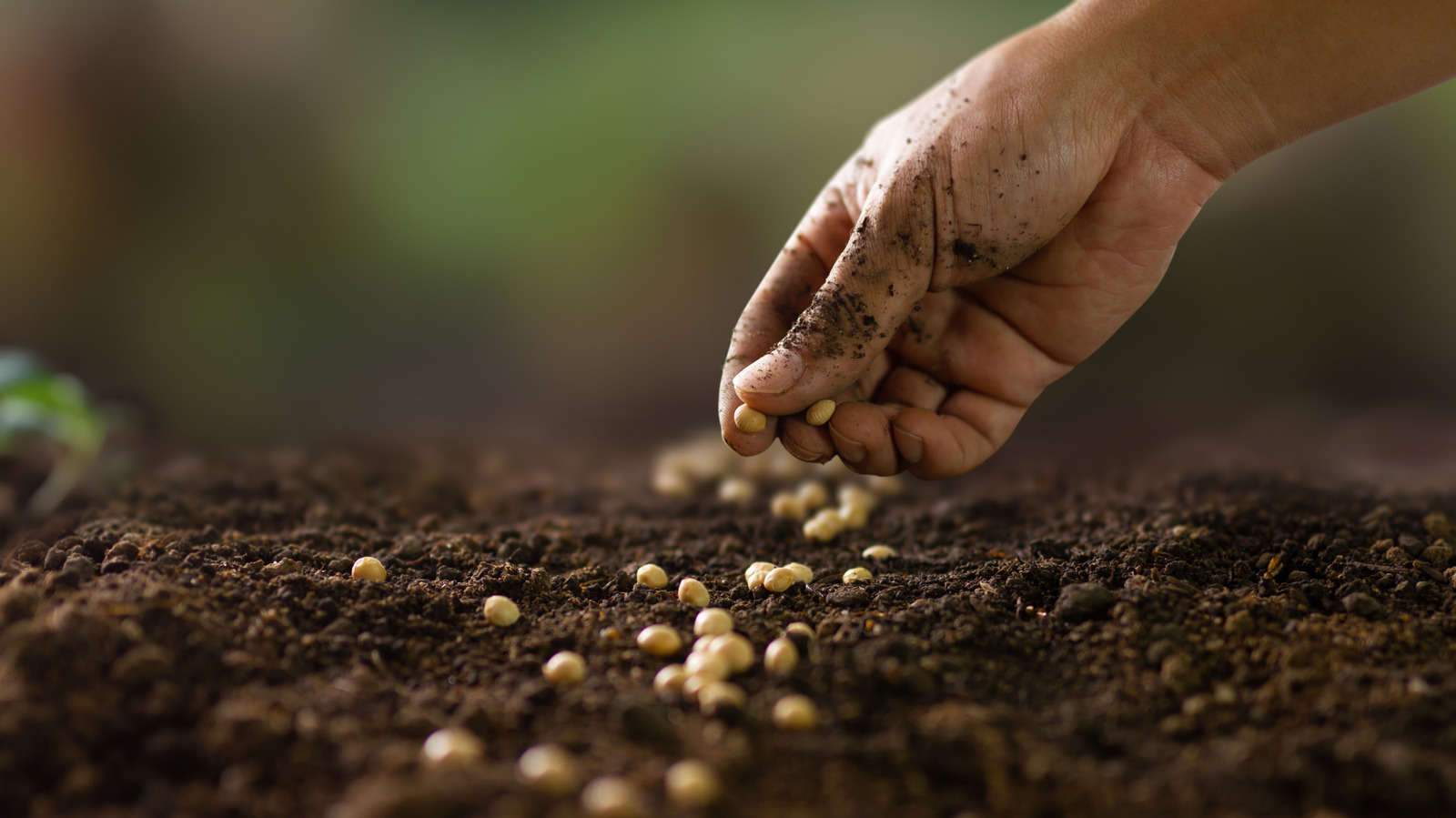
To an unimaginable eye, a seed looks inert. Yet they are packed with genetic information and biological processes poised to unfold. All it takes is the right configuration of signals and stimuli from the environment to let them know it's time to dare to grow.
Even in good years, mangoes are considered one of the most difficult fruit crops to cultivate. They depend on a delicate balance of climate, tree physiology, and farming techniques. Getting that balance right is crucial for India, the world's biggest producer of mangoes, where 23 million tonnes of the fruit is harvested every year - almost a fifth of India's total fruit output.
Late winter is when keen gardeners can get a little restless. The weather is still cold, and spring still feels far away. Thankfully, you don't need to wait until the weather warms to start your growing season. There are plenty of fruits and vegetables that can be started in the late winter, ready for a bountiful harvest in the coming months. Each of these plants needs unique care in order to thrive, but thankfully, I can guide you through exactly the right steps.
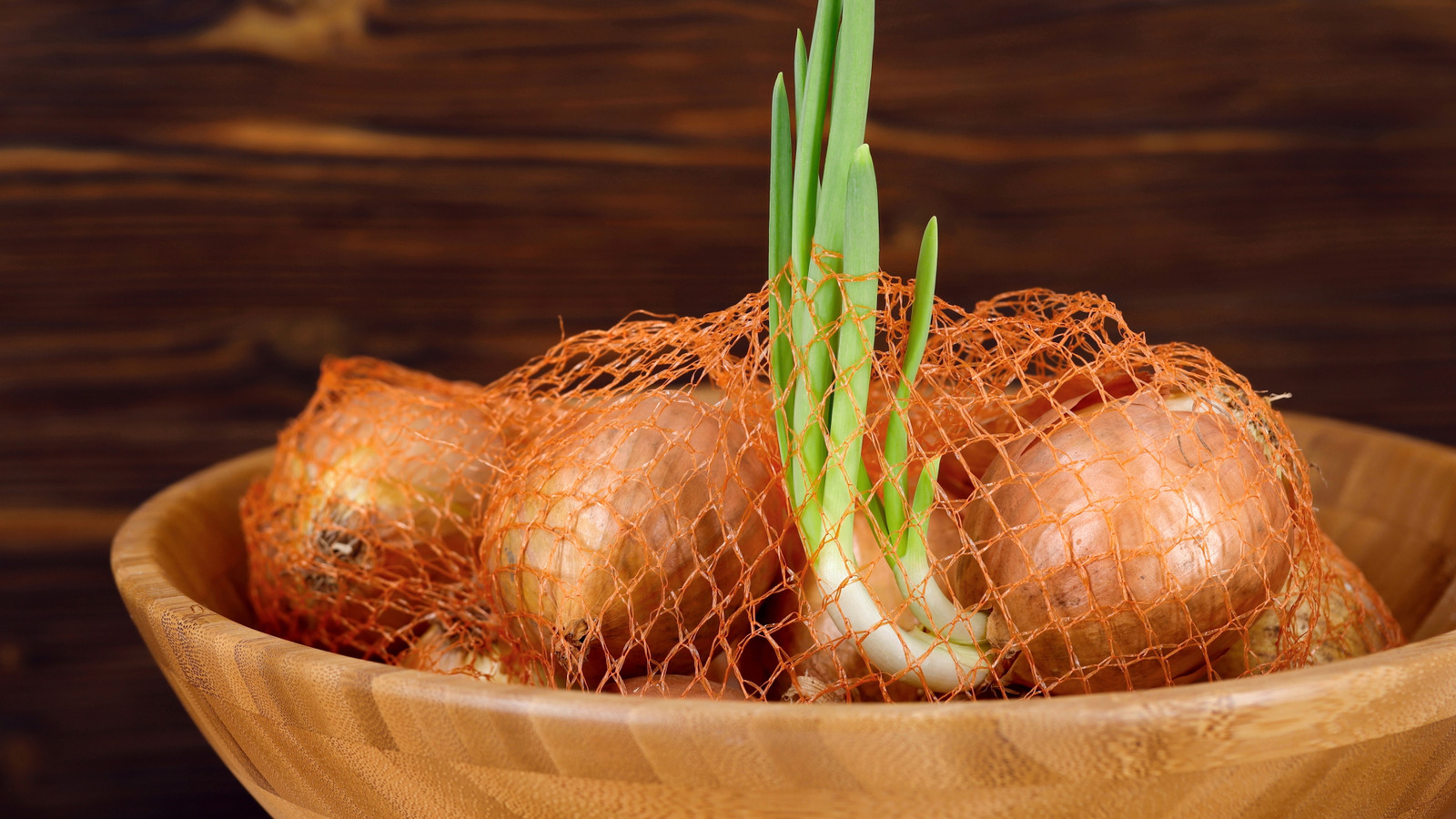
Onions may not be the prettiest vegetable to grow, but they're certainly one of the most useful. Figuring which items you eat most often is the first thing to consider before planting a vegetable garden, and as a fundamental part of soups, sauces, and salads, who couldn't use more of these easy-to-grow alliums? The only tricky part is that location really matters, as different varieties of onions require different day lengths in order to thrive.
Tomatoes have a reputation for being a temperamental garden crop. They're thirsty, both fragile and heavy, and can be prone to disease. Cherry tomatoes, on the other hand, are widely considered among the easiest tomato variety to grow because of how efficiently (and abundantly) they go from flower to fruit. They ripen within about two months of planting and replenish themselves constantly.
People grow asparagus from crowns because it shortens the long wait times for harvesting. From seed, you'll need to wait three years before harvesting asparagus. Some people consider that a waste of time. The tradeoff is that you can keep harvesting every spring for up to 15 years or more. If you plant crowns, you get a one-year jump on things. However, those crowns may have soil-borne diseases you don't know about, so there is a risk involved. Seeds remove that problem.
When you think of farming, what ingredients do you generally associate with a successful harvest? The basics certainly come to mind: fertile soil, plenty of sunlight and lots of water. But there are other variables that can also mean the difference between a crop of healthy fruits and vegetables and a large heap of organic waste. And it turns out that one of those variables is a very small hawk.