#climate-and-ecology
#climate-and-ecology
[ follow ]
#climate-change #sustainability #environmental-impact #climate-policy #global-warming #fuel-prices #fossil-fuels
fromFuturism
22 hours agoEPA Now Values Human Lives at $0
When lives are assigned a higher dollar value, stricter pollution standards tend to clear the 'economic efficiency' sniff test, resulting in cleaner air. But that improved air quality comes at the expense of America's industrial industries, which have to invest in pricey systems to reduce the amount of these pollutants they spew down to acceptable levels.
US Elections
US politics
fromCommon Dreams
1 day agoAs Trump Pushes 'Polluters First Agenda,' 2027 Budget Blasted as 'Bloody New Deal' | Common Dreams
Trump's 2027 budget request prioritizes military spending while cutting social and scientific programs, raising concerns about accountability and environmental impact.
Non-profit organizations
fromLos Angeles Times
1 day agoTrump's 2027 budget would cut billions from clean energy and climate programs while boosting military spending
Trump's 2027 budget proposal includes significant cuts to clean energy and environmental programs, aiming to eliminate funding for the 'green agenda.'



fromHigh Country News
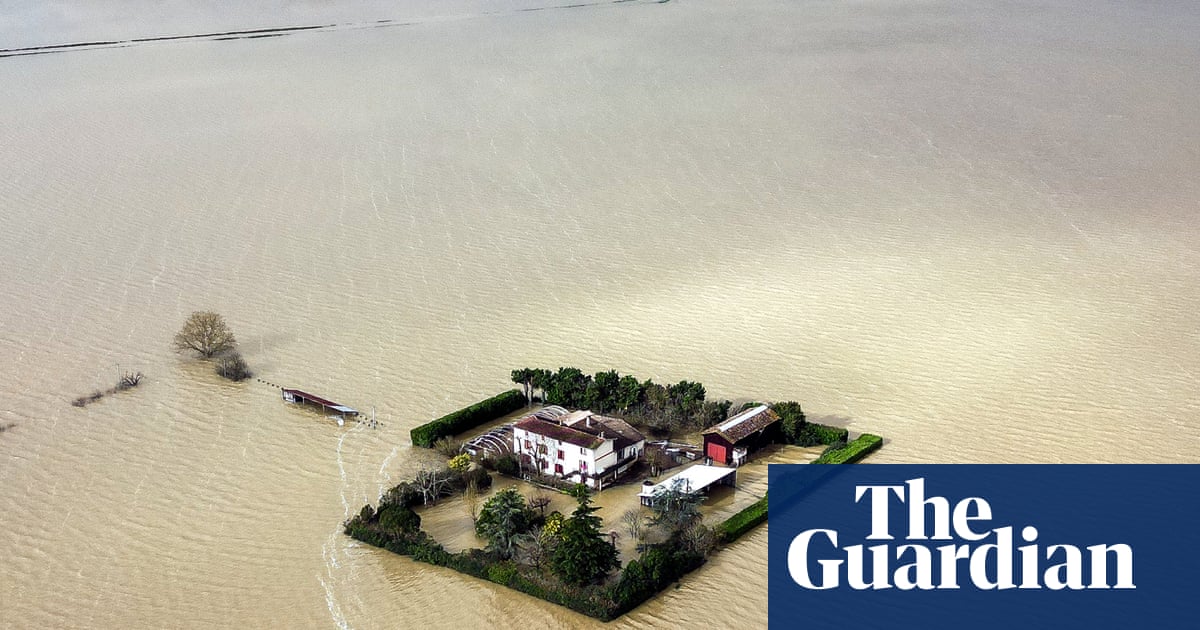
4 days agoForest Service overhaul sows confusion, concern - High Country News
"Nobody is asking for this. None of the farm groups want this. No one in conservation wants this. Nobody." Robert Bonnie, former Forest Service undersecretary, highlights widespread opposition to the reorganization.
Washington DC

fromIndependent
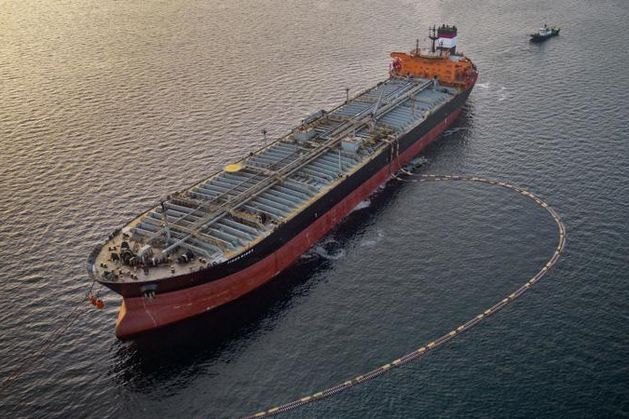
1 day agoCarpool, slow down and do your laundry at night - Government to warn public on energy use if Iran crisis persists
Officials from the Department of Energy are meeting daily as the Iran war drives up the price of fuel. A public awareness campaign is urging citizens to 'save energy, save your pocket.'
UK politics
fromwww.kaltblut-magazine.com
3 weeks agoThe Climate Crisis
At a young age, I learned quickly how oil wealth and power could burn the land while people struggled. I saw heat rise off the streets, the Nile strained, and the air thickened with injustice. In my teenage years, through Aotearoa, being on the edge of the Pacific, I felt the ocean breathing heavy, swallowing the shores of islands that have done the least to cause this harm.
Photography
Agriculture
fromEarth911
2 weeks agoConvenience Comes at the Environment's Expense
Fast delivery convenience carries significant environmental costs through packaging waste, carbon emissions, and resource consumption, but individual yard management choices can meaningfully reduce environmental impact at a local scale.

fromwww.theguardian.com
4 weeks agoHow UK cuts to climate finance could bankrupt ecosystems at home and abroad
Last year the JIC produced a hard-hitting report which found the collapse of globally important ecosystems around the world including the potential shift of the Amazon from rainforest to savannah, the demise of coral reefs, and the loss of glaciers would threaten the UK's national security, through food shortages at home and the potential for conflict overseas.
UK news
Left-wing politics
fromwww.theguardian.com
1 month agoTrump has launched an unprecedented assault on the environment. Where's the pushback?
Trump administration dismantles climate regulations and research institutions while facing minimal public opposition from billionaires, Democrats, and climate activists.
fromMail Online
4 days agoBritain has just 20 years to save its wildlife, experts warn
'Our results show that the next 20 years are critical,' lead author Dr Rob Cooke told the Daily Mail. 'By around 2050, we reach a point where the choices we make on emissions and land use will largely determine whether Britain moves towards a much more degraded or a much more nature‑positive future.'
Environment

fromState of the Planet
5 days agoFrom Classrooms to Climate Impact: Two Careers Flourish in Singapore
"Singapore is in a very unique position because they face a lot of land constraints, so there are few ways for them to generate their own renewable energy. Singapore is pushing for integrated energy systems throughout ASEAN, so that renewable energy produced in other countries can be brought back to Singapore. There's a very distinct, coordinated effort for countries to come together to work on climate change and energy security in a way that I haven't really seen."
Environment
fromwww.theguardian.com
1 month agoDaunting but doable': Europe urged to prepare for 3C of global heating
as the EU's climate advisory board urges countries to prepare for a catastrophic 3C of global heating. Maarten van Aalst, a member of the European Scientific Advisory Board on Climate Change (ESABCC), said the continent was already paying a price for its lack of preparation but that adapting to a hotter future was in part common-sense and low-hanging fruit. It is a daunting task, but at the same time
Europe politics

fromNonprofit Quarterly | Civic News. Empowering Nonprofits. Advancing Justice.
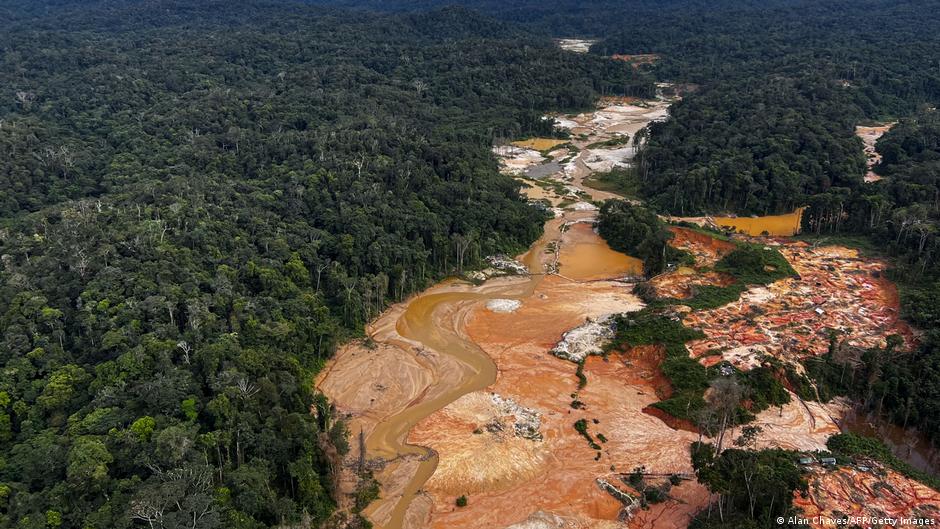
2 months agoEnvironmental Advocates Confront Trump's Fossil Fuel Agenda | Nonprofit Quarterly | Civic News. Empowering Nonprofits. Advancing Justice.
But to environmental advocates, the announcement sounded less like relief and more like a bill for working people, one that would result in higher fuel costs, increased pollution, and a slower path to clean energy. Critics warn that the decision represents a blow to the energy transition and a significant setback in the fight against climate change overall.
US politics
fromThe Nation
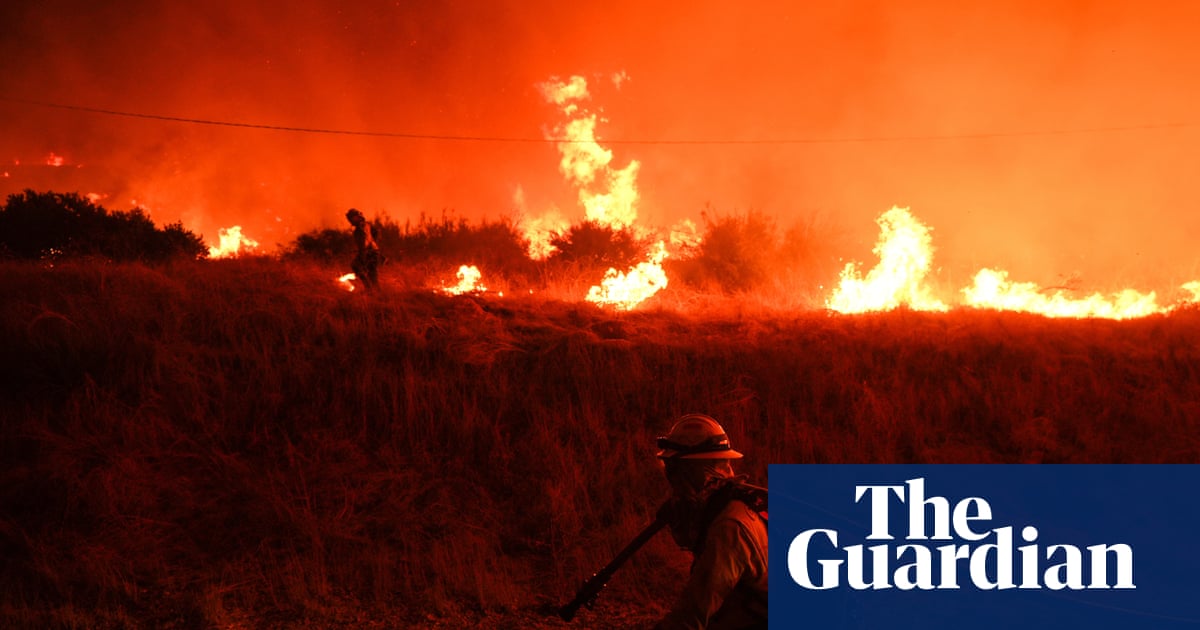
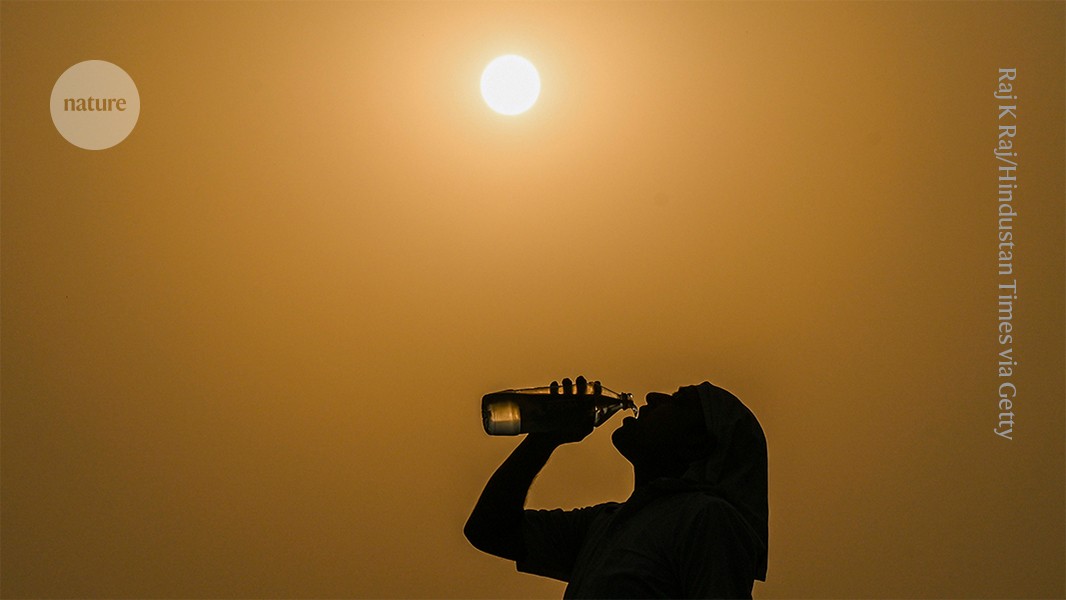
3 weeks agoA World on Fire Needs More Climate Reporting-Not Less
Covering Climate Now was formed in 2019 in response to the climate silence that then prevailed in much of the press, especially in the United States. Over the years that followed, hundreds of newsrooms joined our effort, and press coverage of the story began to reflect the scale of the crisis. Newsrooms beefed up their climate reporting teams; they confronted misinformation that sought to play down the problem; they thought creatively about how to find the climate connection on every beat.
Environment
Environment
fromwww.mercurynews.com
1 month agoOpinion: AI is destroying our planet. We must act to check its growth and save ourselves.
AI's environmental impact is severe, with 2025 freshwater consumption exceeding global bottled water use and projected energy demands by 2034 matching India's entire consumption, requiring immediate action.
fromwww.aljazeera.com
1 month agoUN approves first carbon credits under Paris Agreement market mechanism
The UN-run market allows companies and countries to offset their excess emissions by financing projects that cut greenhouse gases in other nations. The new initiative involves a clean cooking project in Myanmar, which distributes efficient cookstoves that reduce pressure on local forests. Implemented in partnership with a South Korean company, the project will generate credits that will count towards the climate targets of South Korea and Myanmar.
Environment
fromAxios
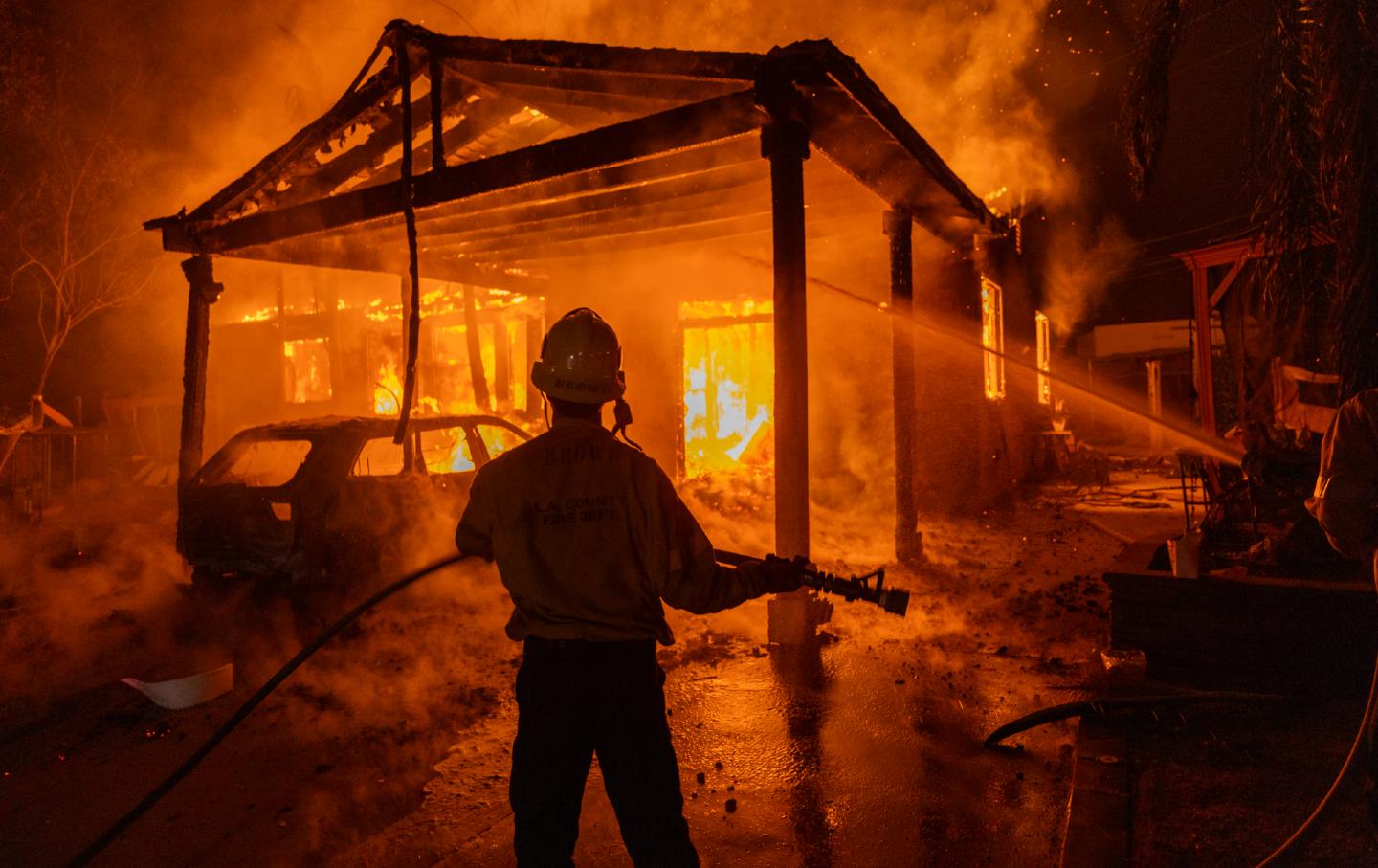
2 months agoWhat to know about the world's great climate collapse
There's no hand-waving about how 'We want to cooperate on climate,' " oil historian and S&P Global vice chairman Dan Yergin said in an interview. "It's, 'We're slamming the door on that issue.' " "We've gone from over-indexing it to zero-indexing it.
Environment
fromwww.dw.com
2 months agoThe business of saving nature
The world spends 30 times more money destroying nature than protecting it. That's according to a new report from the United Nations Environment Programme (UNEP) that exposes a massive gulf between so-called "harmful investments" and financing that promotes nature preservation. The global environment agency's latest "State of Finance for Nature" (SNF) report is calling to phase out the US$7.3 trillion (6.2 trillion) in global investments that damage nature including into high-emissions energy infrastructure and manufacturing, for example.
Environment
fromwww.theguardian.com
2 months agoThe Guardian view on risks from biodiversity collapse: warnings must be heeded before it's too late | Editorial
Originally due to be published in the autumn, the review appears to have had some sections removed. An earlier version is reported to have included warnings about the risks of eco-terrorism and the growing likelihood of war between China, India and Pakistan due to competition over a shrinking water supply from the Himalayas.
Environment
fromWIRED
1 month agoThe Fight Over US Climate Rules Is Just Beginning
On Thursday, the Environmental Protection Agency is expected to roll back the endangerment finding, which underpins the US's ability to regulate the greenhouse gases that cause climate change. The rollback, the result of more than 15 years of work from right-wing special interest groups, represents the most aggressive move against climate regulation in the US to date-and will introduce a lengthy fight that's almost certain to wind up in front of the Supreme Court.
Environment
fromNature
2 months agoTo improve resilience to climate change, track what endures
When the category-5 storm Hurricane Melissa struck Jamaica in October, its path crossed communities that had varying levels of preparedness. Many with maintained coastal protections, upgraded drainage and reliable early-warning systems had power and water restored in days. Others were immobilized for weeks.
Environment
[ Load more ]