#climate-and-migration

[ follow ]
#lebanon
France politics
fromwww.dw.com
1 day ago

Displaced in Lebanon: 'Lives turned upside down'

Fatme A. and her family live in a makeshift shelter in Beirut, facing challenges of space, privacy, and ongoing conflict.
France politics
fromwww.dw.com
1 day ago

Displaced in Lebanon: 'Lives turned upside down'

Fatme A. and her family live in makeshift tents in Beirut, facing challenges of space, privacy, and fear due to ongoing conflict.
France politics
fromwww.dw.com
1 day ago

Displaced in Lebanon: 'Lives turned upside down'

Fatme A. and her family live in a makeshift shelter in Beirut, facing challenges of space, privacy, and ongoing conflict.
France politics
fromwww.dw.com
1 day ago

Displaced in Lebanon: 'Lives turned upside down'

Fatme A. and her family live in makeshift tents in Beirut, facing challenges of space, privacy, and fear due to ongoing conflict.
Agriculture
fromTruthout
1 day ago

Gaza Farmland Is Destroyed, But Some Are Growing Food Even While Displaced

Survival in Gaza has replaced beauty, with agricultural devastation leading to a focus on basic sustenance over the cultivation of flowers and greenery.
fromwww.theguardian.com
2 days ago

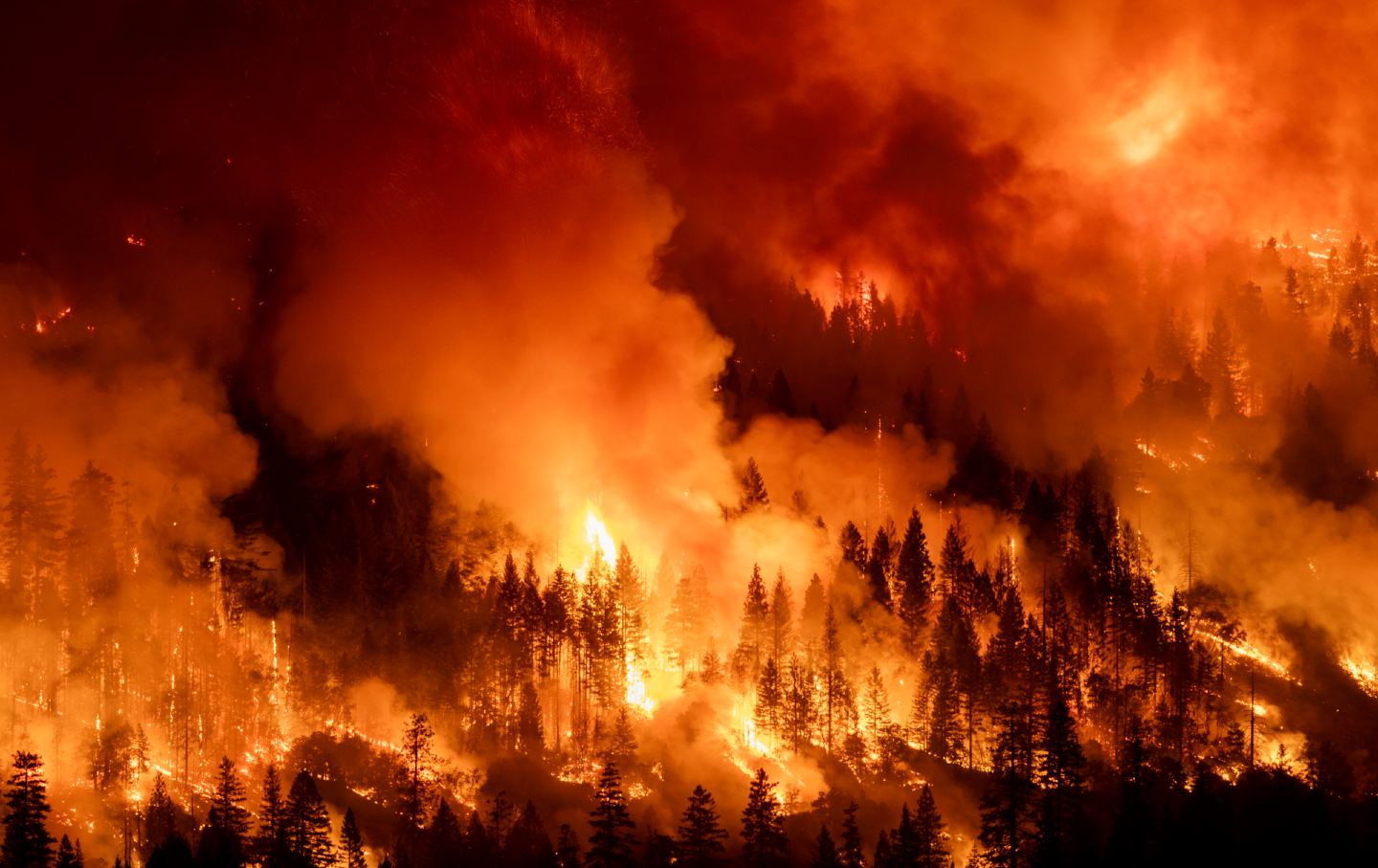
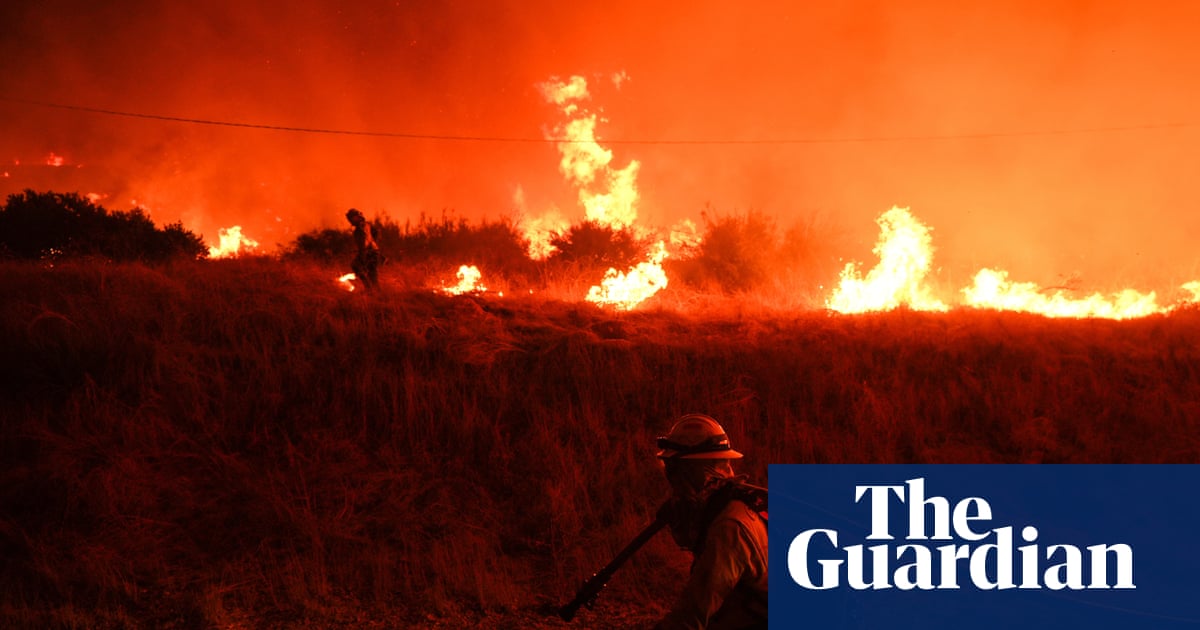
Evacuations as two wildfires break out in southern California

The Springs fire in Riverside county has grown to 3,500 acres, prompting local authorities to issue several evacuation orders. The fire is concentrated in an area mostly north and east of Lake Perris, burning portions of the surrounding state recreation area.
East Bay (California)
fromwww.bbc.com
3 days ago

Fewer heat-related deaths in 2025 despite warmest summer

The UK Health Security Agency reported around 1,504 heat-associated deaths in England during summer 2025, roughly half the predicted 3,039, despite the season being the warmest on record.
UK news
#climate-change
fromEarth911
5 days ago
Environment

Classic Sustainability In Your Ear: Coastal Flooding in 2050 With Climate Scientist James Renwick

Environment
fromwww.dw.com
2 weeks ago

Earth's climate more unbalanced than ever, WMO warns

The Earth's climate is more out of balance than ever, with extreme weather and rising temperatures posing significant risks for humanity.
Environment
fromNature
2 weeks ago

The world just lived through the 11 hottest years on record - what now?

The past 11 years have been the hottest on record, with 2025 showing alarming climate indicators.
Environment
fromEarth911
5 days ago

Classic Sustainability In Your Ear: Coastal Flooding in 2050 With Climate Scientist James Renwick

Coastal flooding due to climate change could increase by two feet in the next century without immediate radical action to reduce emissions.
Mental health
fromPsychology Today
1 week ago

Can We Measure Climate Change's Impact on Mental Health?

Climate change significantly impacts mental health, but tracking these effects is challenging due to inadequate data and attribution issues.
Environment
fromwww.scientificamerican.com
4 days ago

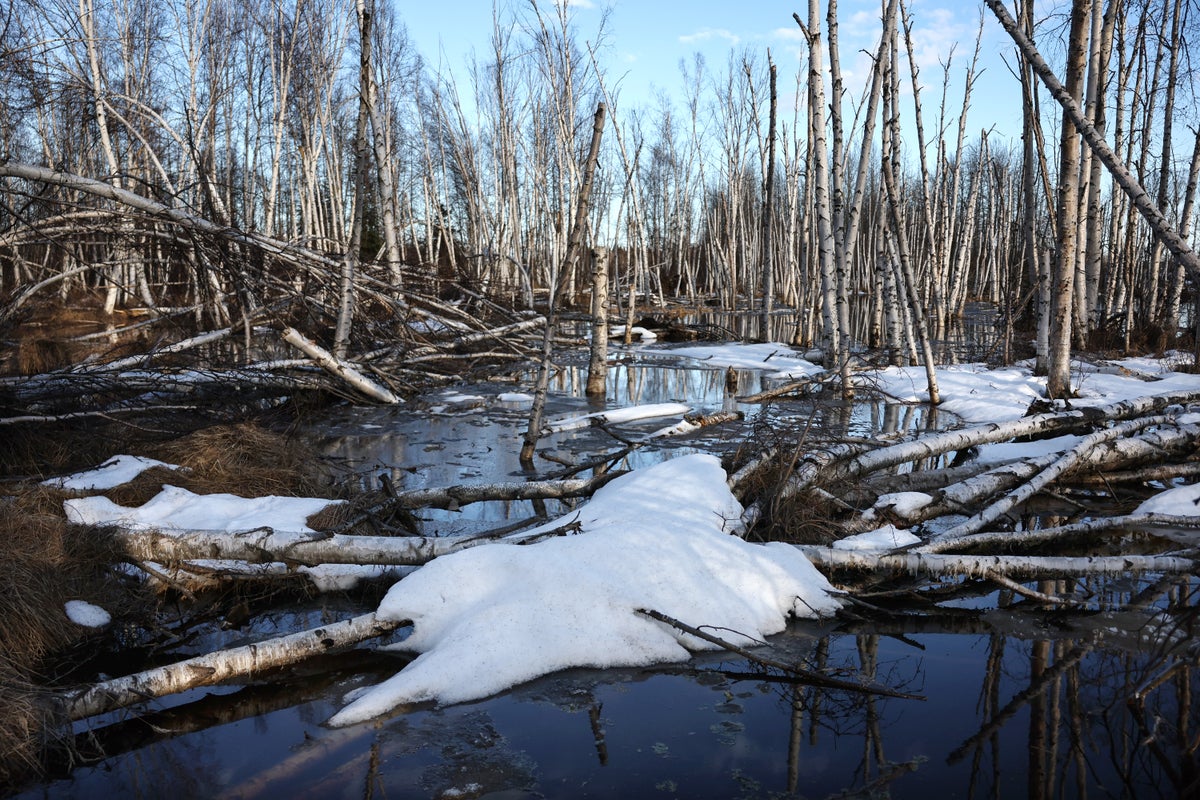
The Alaskan permafrost is thawing. Here's why that's so worrying

Thawing permafrost in Alaska is releasing three trillion gallons of water annually, exacerbating climate change and disrupting ocean ecosystems.
Environment
fromwww.dw.com
2 weeks ago

Earth's climate more unbalanced than ever, WMO warns

The Earth's climate is more out of balance than ever, with extreme weather and rising temperatures posing significant risks for humanity.
Environment
fromNature
2 weeks ago

The world just lived through the 11 hottest years on record - what now?

The past 11 years have been the hottest on record, with 2025 showing alarming climate indicators.
fromwww.theguardian.com
3 days ago

Why reducing air pollution deaths isn't just about reducing air pollution

Air pollution is the second-largest risk factor for early death globally. Traditionally, our response has focused on reducing the levels of pollution people breathe, but this is only part of the story.
Public health
#data-centers
Data science
fromThe Walrus
3 days ago

Data Centres Are on Track to Wreck the Planet. Can We Stop Them? | The Walrus

Hyperscaled data centers consume massive power and water, raising concerns about their environmental impact.
OMG science
fromFuturism
4 days ago

Data Centers Causing Huge Temperature Spikes for Miles Around Them, Study Suggests

Data centers are creating heat islands, raising land temperatures by up to 16 degrees Fahrenheit and affecting over 340 million people.
Data science
fromThe Walrus
3 days ago

Data Centres Are on Track to Wreck the Planet. Can We Stop Them? | The Walrus

Hyperscaled data centers consume massive power and water, raising concerns about their environmental impact.
OMG science
fromFuturism
4 days ago

Data Centers Causing Huge Temperature Spikes for Miles Around Them, Study Suggests

Data centers are creating heat islands, raising land temperatures by up to 16 degrees Fahrenheit and affecting over 340 million people.
OMG science
fromHarvard Gazette
5 days ago

A world-shifting moment (literally) - Harvard Gazette

Geoscientists have found evidence of plate movement on Earth dating back 3.5 billion years, reshaping our understanding of its early history.
#middle-east-conflict
World politics
fromwww.aljazeera.com
4 days ago

What can nations do to make up for the ongoing energy shortfall?

The Middle East conflict has disrupted 20% of the world's fuel supply, prompting countries to seek alternative energy sources.
World politics
fromwww.aljazeera.com
6 days ago

What can nations do to make up for the ongoing energy shortfall?

The Middle East conflict has disrupted 20% of the world's fuel supply, prompting countries to seek alternative energy sources.
World politics
fromwww.aljazeera.com
4 days ago

What can nations do to make up for the ongoing energy shortfall?

The Middle East conflict has disrupted 20% of the world's fuel supply, prompting countries to seek alternative energy sources.
World politics
fromwww.aljazeera.com
6 days ago

What can nations do to make up for the ongoing energy shortfall?

The Middle East conflict has disrupted 20% of the world's fuel supply, prompting countries to seek alternative energy sources.
fromenglish.elpais.com
5 days ago

The Venezuelan migrants stranded in Miami: We want to leave the US but we can't'

They want to self-deport: they packed their bags, bought their tickets, and showed up at the airport to leave. And yet, they couldn't board the plane.
Miami food
Los Angeles
fromLos Angeles Times
6 days ago

Dramatic weather shift brings significant Southern California cooldown, possible rain

Southern California will experience a brief cooldown and slight chance of rain, contrasting with recent record-high temperatures.
fromwww.theguardian.com
4 days ago

Arctic ice loss brings dual heatwaves to Europe and eastern Asia

The study highlights how rapid Arctic warming increases the frequency of extreme weather events, particularly concurrent heatwaves across Europe and eastern Asia.
Europe news
Non-profit organizations
fromNature
1 week ago

'Continuity over novelty': why environmental science needs to rethink its focus

The closure of forest-service research offices threatens long-term ecological research and institutional memory in the US.
Environment
fromFortune
4 days ago

Data centers are so hot, their 'heat island' effect is raising temperatures up to 6 miles away and impacting 343 million people worldwide, study finds | Fortune

AI infrastructure is creating a 'data heat island effect' that raises local temperatures and impacts millions of people.
fromDefector
2 weeks ago

Dam It All To Hell | Defector

Hoppers, like Pixar's pre-Disney films, is a delight. The beavers' world is immersive and richly realized, grounded in science but never dry. The plot zigs and zags between moments of absurdity and emotional heft to stirring effect; I cried multiple times, and not just because of the low-hanging fruit of grandma death.
Independent films
OMG science
fromMail Online
5 days ago

Earth's population will peak at 12.4 BILLION in 2070s, experts predict

Earth's population could reach 12.4 billion by the late 2070s, exceeding sustainable limits.
Coronavirus
fromMail Online
2 weeks ago

Climate change is fuelling deadly disease outbreaks, study warns

Climate change-driven extreme weather events directly cause disease outbreaks, with 60% of Peru's 2023 dengue cases linked to cyclone-induced rainfall and warm temperatures.
#drought
Environment
fromNature
1 week ago

How buildings and cities can be aligned with life

Buildings currently harm the environment, but regenerative design can restore ecological systems and reduce waste through nature-inspired strategies.
#climate-justice
fromMail Online
5 days ago

Britain has just 20 years to save its wildlife, experts warn

'Our results show that the next 20 years are critical,' lead author Dr Rob Cooke told the Daily Mail. 'By around 2050, we reach a point where the choices we make on emissions and land use will largely determine whether Britain moves towards a much more degraded or a much more nature‑positive future.'
Environment
Mental health
fromPsychology Today
3 weeks ago

Depaysement: Mental Health Impacts as the Environment Changes

Dépaysement describes disorientation and alienation from familiar home environments due to environmental change, causing significant mental health impacts that differ from homesickness.
fromFuturism
6 days ago

Australia Turns Into Bright-Red Vision of Hell

As the rust expands, it weakens the rock and helps break it apart. It's a very red part of the country, it's got that rusty hue, so you get that color getting whipped up with the strong winds.
Environment
fromMail Online
2 weeks ago

Revealed: How many will DIE by 2050 if we don't curb climate change

Rising temperatures are projected to increase the prevalence of physical inactivity, translating into additional premature deaths and productivity losses, especially in tropical regions. Prioritising heat-adaptive urban design, subsidised climate-controlled exercise facilities, and targeted heat-risk communication is essential to mitigate these emerging health and economic burdens, in addition to ambitious emissions reductions.
Public health
fromwww.theguardian.com
1 month ago

A devastating force': how recent Mediterranean storms turned to tragedies

In Grazalema, Spain's wettest town, a year's-worth of rain fell in a fortnight and overloaded the karst aquifer beneath it. Water rushed into homes through floors, walls and even electricity sockets. Authorities ordered everyone to evacuate. I felt a lot of fear, said Sanchez Barea, a guesthouse owner whose home is one of hundreds still in an exclusion zone.
Miscellaneous
Environment
fromwww.dw.com
1 month ago

How protecting nature could make the world safer

Biodiversity loss is increasingly recognized as a national security threat linked to political stability and global resource competition.
Environment
fromwww.theguardian.com
2 weeks ago

Weather extremes gripping US bear climate crisis fingerprint', experts say

The US is experiencing extreme weather patterns this March, raising concerns about the climate crisis and its impact on seasonal transitions.
Environment
fromNature
2 weeks ago

AI set to map risks of future climate disasters

Brazil is developing an AI agent to provide climate-disaster information and preparedness guidance to residents, integrating AI, simulations, and citizen participation for household-level risk management.
fromThe Nation
3 weeks ago

A World on Fire Needs More Climate Reporting-Not Less

Covering Climate Now was formed in 2019 in response to the climate silence that then prevailed in much of the press, especially in the United States. Over the years that followed, hundreds of newsrooms joined our effort, and press coverage of the story began to reflect the scale of the crisis. Newsrooms beefed up their climate reporting teams; they confronted misinformation that sought to play down the problem; they thought creatively about how to find the climate connection on every beat.
Environment
World news
fromwww.theguardian.com
2 months ago

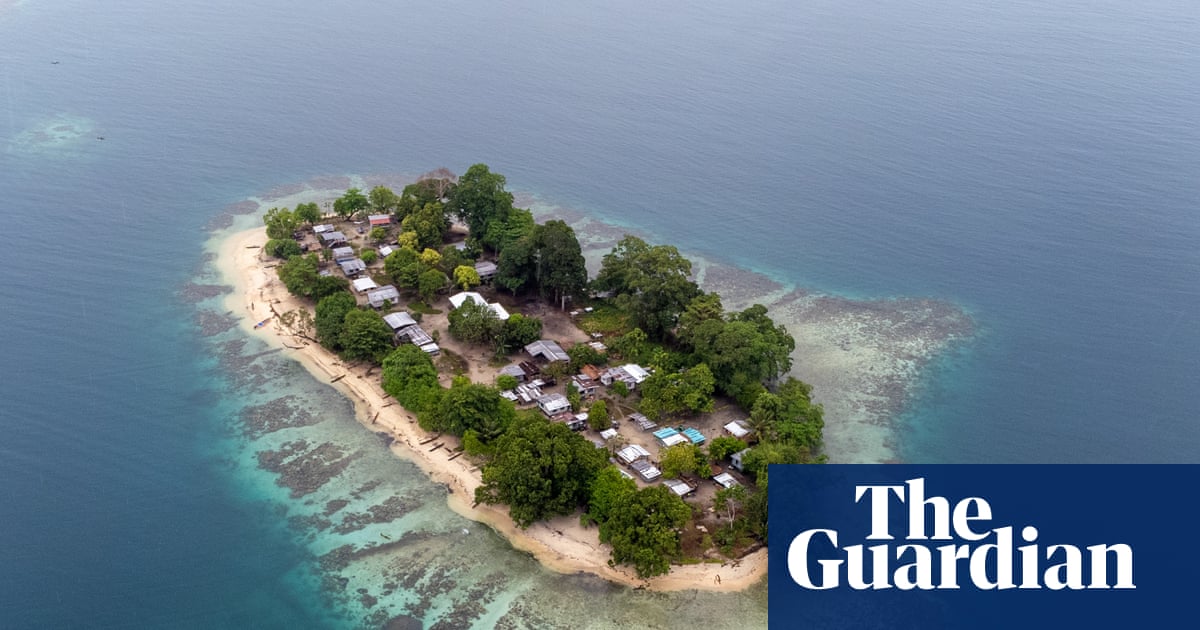
As climate change threatened her home, Alolita was offered a chance at a new life in Australia

Tuvaluan families are relocating to Australia under a new permanent-residency deal as rising sea levels and frequent flooding threaten their homeland.
Science
fromwww.theguardian.com
1 month ago

Economics has failed on the climate crisis. This complexity scientist has a plan to fix that

An agent-based global economic super-simulator could forecast crises and guide policy, with a ~$100m build cost and massive potential ROI from crisis prevention.
Environment
fromwww.theguardian.com
3 weeks ago

A sobering preview': extreme heat now affects one in three people globally, study finds

One-third of the world's population now lives in areas where extreme heat severely restricts safe daily activities, with elderly people experiencing over 900 hours annually of heat-limited outdoor time.
fromFortune
2 months ago

Asia is one of the world's least insured places, even as it's battered by climate change and natural disasters | Fortune

A lack of insurance coverage in Southeast Asia threatens an increasingly important hub for supply chains, as the region is battered by tropical storms, major flooding, and other natural disasters. Total losses from natural disasters across Asia-Pacific last year totaled $73 billion, yet just $9 billion was insured, according to Germany reinsurance company Munich Re. That makes Asia one of the world's least insured regions against natural disasters.
Business
#sea-level-rise
Environment
fromwww.npr.org
4 weeks ago

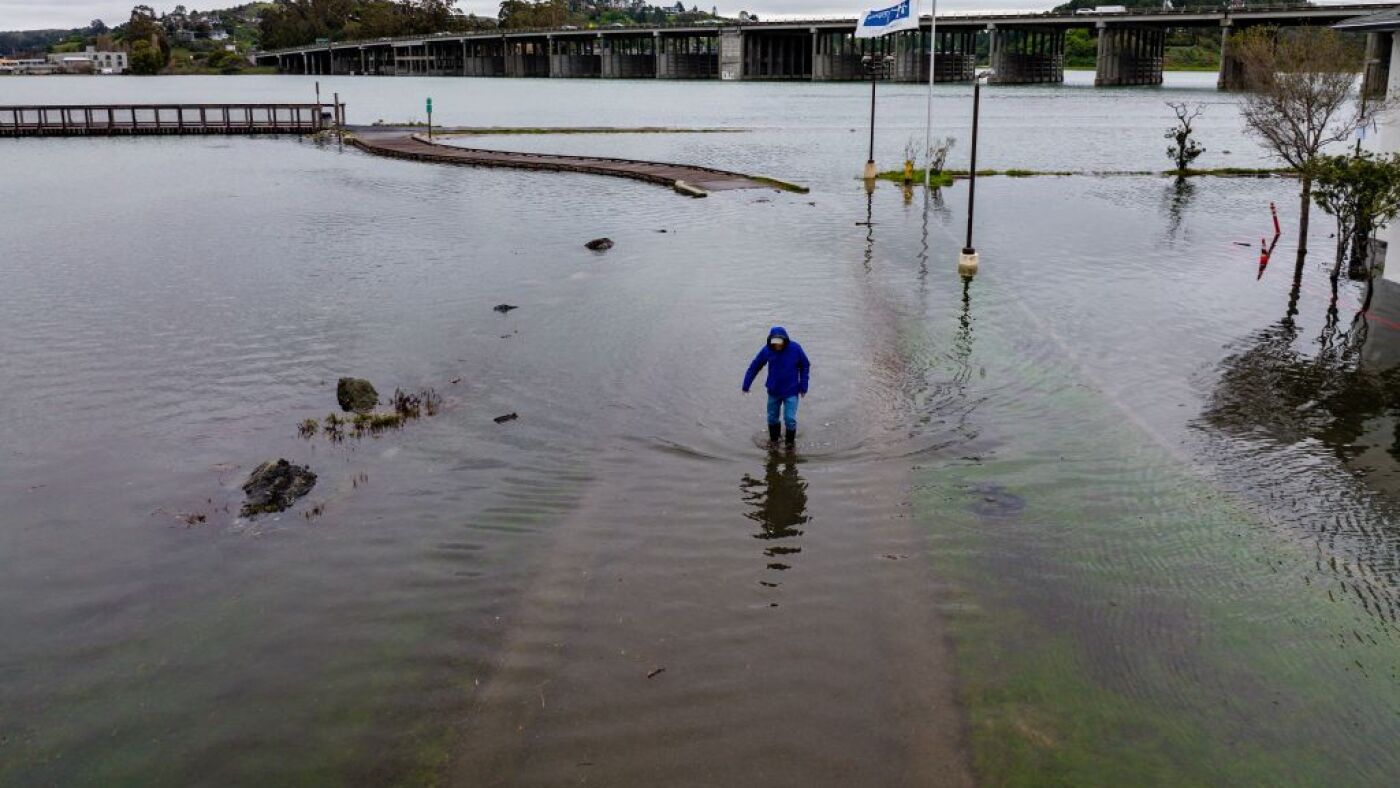
Millions more people are in the path of rising seas than previously thought

Sea level rise threatens 132 million more people than previously estimated due to underestimated baseline ocean heights in scientific models.
Environment
fromMail Online
1 month ago

Sea levels may be up to 4.9 feet HIGHER than we thought

Sea levels could be up to 4.9 feet higher than previously estimated, putting 132 million more people at risk of flooding due to reliance on inaccurate geoid models in coastal threat assessments.
Environment
fromwww.theguardian.com
1 month ago

Global sea levels have been underestimated due to poor modelling, research suggests

Global sea levels are 30cm higher on average than previously modeled, with some regions 100-150cm higher, requiring reassessment of coastal climate impacts.
fromArchDaily
1 month ago

Moving Capitals Across Global Contexts: From Strategic Planning to Environmental Necessity

Across history, the relocation of capital cities has often been associated with moments of political rupture, regime change, or symbolic nation-building. From Brasília to Islamabad, new capitals were frequently conceived as instruments of centralized power, territorial control, or ideological projection. In recent decades, however, a different set of drivers has begun to shape these decisions. Rather than security or representation alone, contemporary capital relocations are increasingly tied to structural pressures such as demographic concentration, infrastructural saturation, environmental risk, and long-term resource management.
World news
fromwww.theguardian.com
1 month ago

Extreme heat lab: enduring the climate of the future

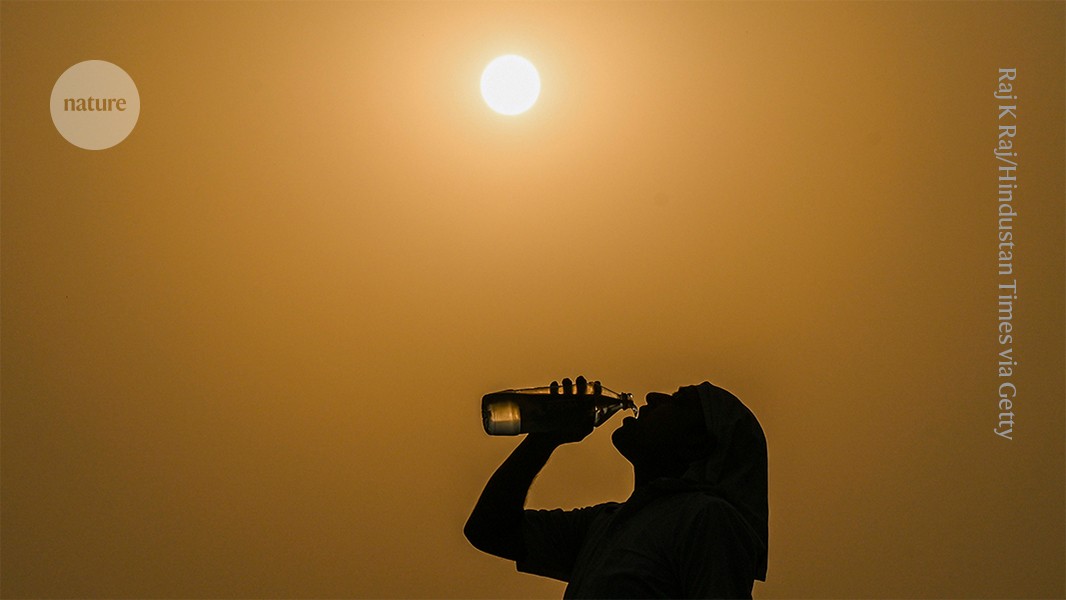
"So whenever people think about hot weather, they always talk about the temperature," he says. "There's two issues with that. First of all, most people don't realise that the temperature is measured in the shade. So if you're in direct solar radiation, the amount of heat stress you're exposed to is much greater as it will stress your body out a lot more."
Public health
Environment
fromwww.mercurynews.com
4 weeks ago

Letters: Global warming isn't a hoax; it's a scientific consensus

Scientific consensus from 97-99% of climate scientists confirms Earth is warming primarily due to human activity, not natural cycles alone.
#climate-acceleration
fromNature
1 month ago
Environment

The world is getting hotter faster - its pace nearly doubled in the past decade

fromNature
1 month ago
Environment

The world is getting hotter faster - its pace nearly doubled in the past decade

Environment
fromNature
1 month ago

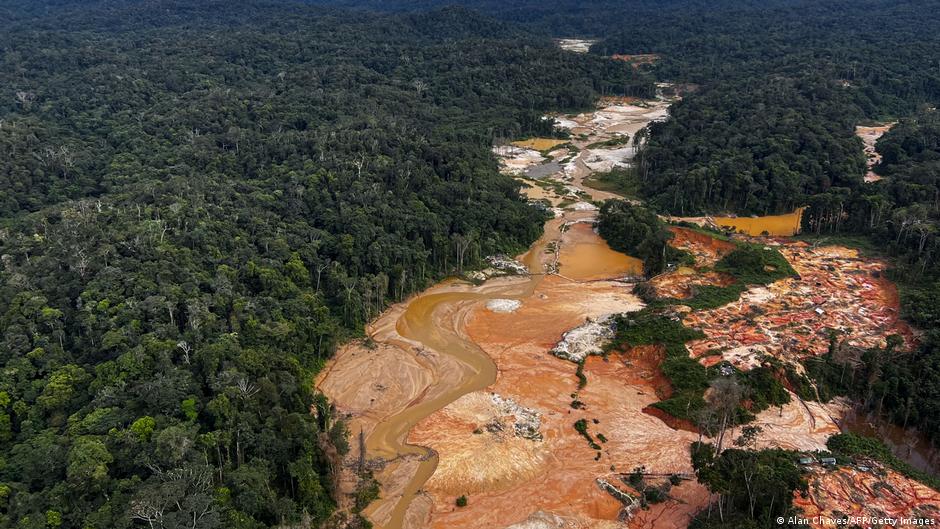
Climate change and geopolitics threaten water supplies - but disaster is not inevitable

Global water systems face crisis from overuse, pollution, and climate change, requiring urgent strengthening of international water-sharing treaties with dynamic monitoring systems.
#biodiversity-loss
Environment
fromwww.dw.com
1 month ago

How protecting nature could make the world safer

Ecosystem collapse poses direct national security threats through food insecurity, resource scarcity, and geopolitical instability across continents.
Environment
fromwww.mercurynews.com
1 month ago

Opinion: AI is destroying our planet. We must act to check its growth and save ourselves.

AI's environmental impact is severe, with 2025 freshwater consumption exceeding global bottled water use and projected energy demands by 2034 matching India's entire consumption, requiring immediate action.
fromwww.theguardian.com
1 month ago

How extreme weather is leaving thousands of homes uninsurable

We're seeing more frequent, more severe extreme weather events and that inevitably affects claims and affects pricing it can't not. And this is happening all over the globe. More, after this week's most important reads.
Environment
Environment
fromPsychology Today
1 month ago

Our Missing Climate Tools Are Psychological and Evolutionary

Humans must evolve culturally and deliberately through effective decision-making to manage climate challenges, overcoming short-term thinking as animals demonstrate rapid evolutionary adaptation to environmental change.
fromwww.theguardian.com
1 month ago

To live a normal life again, it's a dream come true': UK's first climate evacuees can cast off their homes and trauma

When Storm Dennis hit the UK in 2020, a wall of dirty, frigid water from a tributary of the Taff threw Paul Thomas against the front of his house in the south Wales village of Ynysybwl. He managed to swim back into his home before the storm surge changed direction, almost carrying him out of the smashed-in front door. I was holding on to downpipes to stop myself being dragged out again.
Environment
fromNature
2 months ago

To improve resilience to climate change, track what endures

When the category-5 storm Hurricane Melissa struck Jamaica in October, its path crossed communities that had varying levels of preparedness. Many with maintained coastal protections, upgraded drainage and reliable early-warning systems had power and water restored in days. Others were immobilized for weeks.
Environment
#climate-policy
Environment
fromwww.theguardian.com
2 months ago

Number of people living in extreme heat to double by 2050 if 2C rise occurs, study finds

People living with extreme heat will more than double by 2050 if global heating reaches 2C, affecting billions and shifting energy demand toward cooling.
Environment
fromEarth911
2 months ago

Guest Idea: Climate Risk Has Become A Defining Economic Issue

Climate-driven financial risks threaten housing and public budgets while large-scale clean-energy and durable carbon-removal investments (geothermal, biochar, novel hydrogen) accelerate to build resilience.
Environment
fromFuturism
1 month ago

Earth on Track to Become Uninhabitable, Scientists Say

Multiple Earth systems are approaching destabilization, risking cascading tipping points that could commit the planet to a high-temperature 'hothouse Earth' trajectory.
fromState of the Planet
2 months ago

Climate Action Costs More in the Global South. Here's Why.

Clean energy technologies have become more affordable around the world. Yet for many countries in the Global South, the cost of transitioning to a low-carbon economy remains disproportionately high. But not because the equipment is more expensive: in fact, solar and wind components are often imported at comparable prices around the world, as global manufacturing scale and trade have helped standardize hardware costs. Instead, the disparities in financing costs reflect the way the global financial system fails to adequately capture, differentiate and price risk.
Environment
Environment
fromWIRED
2 months ago

The Oceans Just Keep Getting Hotter

Global oceans absorbed a record additional 23 zettajoules of heat in 2025, marking eight consecutive years of increasing ocean heat uptake.
Environment
fromwww.theguardian.com
1 month ago

National security plans must adapt to avoid new world disorder', says UN climate chief

National security strategies that ignore the climate crisis leave countries vulnerable to famine, displacement, conflict, and energy instability; renewables are essential for security.
Environment
fromwww.dw.com
2 months ago

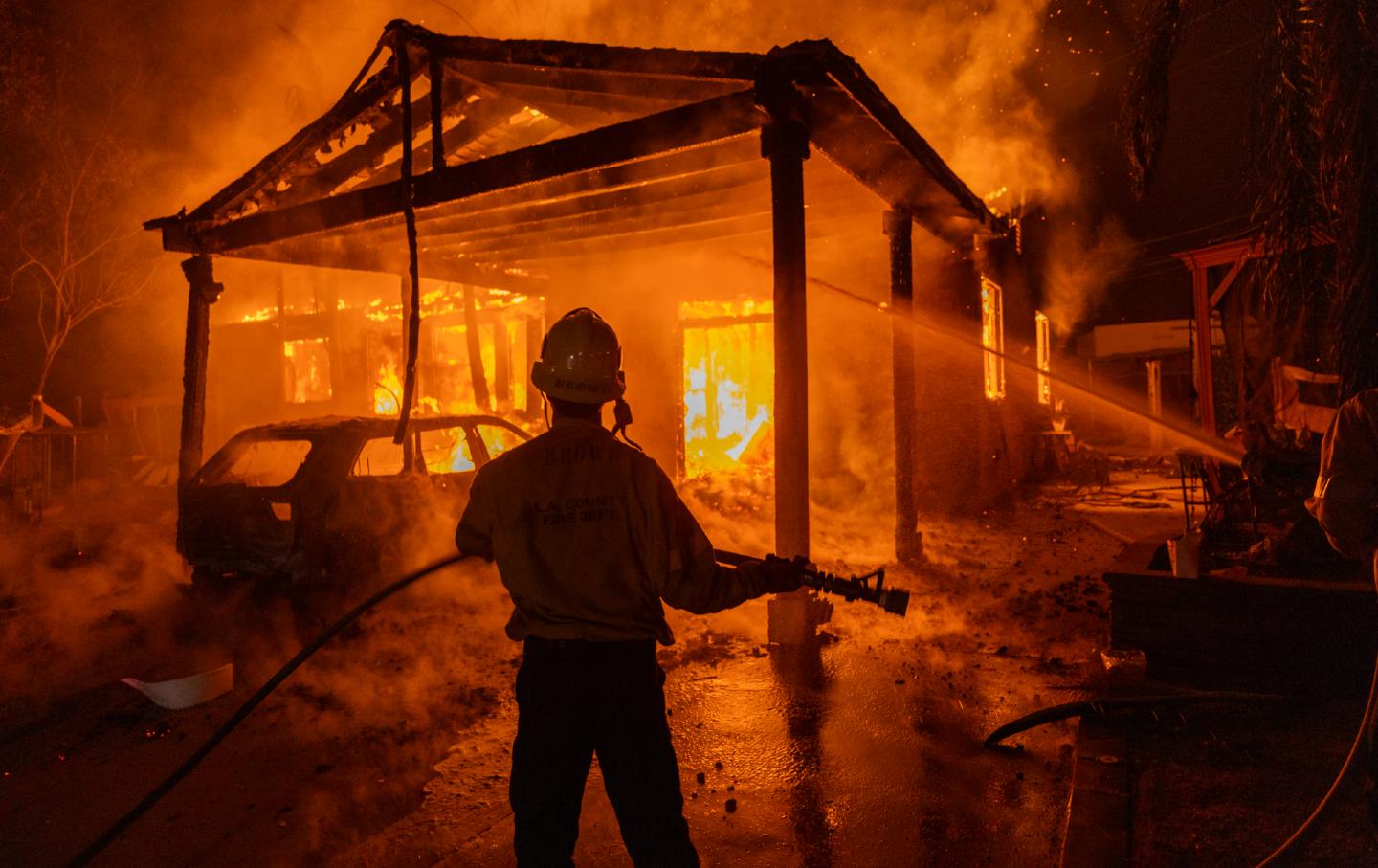
As Australia burns, locals learn to adapt

Extreme heat and powerful winds combined with tinder-dry eucalyptus forests create catastrophic bushfire risk, threatening lives, properties, wildlife, and forcing urgent evacuation decisions.
[ Load more ]