Marketing
fromWWD
57 minutes agoIs Earth Day Marketing Losing Impact as Sustainability Scrutiny Grows?
Sustainability marketing must be rooted in measurable goals to build consumer trust, especially during events like Earth Day.
The overarching message of The Economics of Climate Change: The Stern Review was that failing to invest in mitigating climate change would exact an alarmingly high price, estimated between 5% and 20% of global GDP per year.
Air pollution is the second-largest risk factor for early death globally. Traditionally, our response has focused on reducing the levels of pollution people breathe, but this is only part of the story.
At a young age, I learned quickly how oil wealth and power could burn the land while people struggled. I saw heat rise off the streets, the Nile strained, and the air thickened with injustice. In my teenage years, through Aotearoa, being on the edge of the Pacific, I felt the ocean breathing heavy, swallowing the shores of islands that have done the least to cause this harm.
The National Center for Atmospheric Research, or NCAR, provides a home for interdisciplinary and collaborative research focused on anything atmospheric. Many of the country's leading academic researchers in the field have spent time working there or have been involved in collaborations that involve NCAR.
The lawsuit specifically argues that the EPA's decision to rescind a 2009 study that determined greenhouse gases are dangerous to public health was illegal. The study, which is the source of what's called the "Endangerment Finding," was one of several justifications - along with things like the Clean Air Act - for the agency's ability to regulate emissions.
But to environmental advocates, the announcement sounded less like relief and more like a bill for working people, one that would result in higher fuel costs, increased pollution, and a slower path to clean energy. Critics warn that the decision represents a blow to the energy transition and a significant setback in the fight against climate change overall.
Dozens of local communities, states, and individuals are suing major oil and gas companies and their trade associations over rising climate costs and for allegedly lying to consumers about climate change risks and solutions. At the same time, some states are enacting or considering laws modeled after the federal Superfund program that would impose retroactive liability on large fossil fuel producers and levy a one-time charge on them to help fund climate adaptation and resiliency measures.
Covering Climate Now was formed in 2019 in response to the climate silence that then prevailed in much of the press, especially in the United States. Over the years that followed, hundreds of newsrooms joined our effort, and press coverage of the story began to reflect the scale of the crisis. Newsrooms beefed up their climate reporting teams; they confronted misinformation that sought to play down the problem; they thought creatively about how to find the climate connection on every beat.
The UN-run market allows companies and countries to offset their excess emissions by financing projects that cut greenhouse gases in other nations. The new initiative involves a clean cooking project in Myanmar, which distributes efficient cookstoves that reduce pressure on local forests. Implemented in partnership with a South Korean company, the project will generate credits that will count towards the climate targets of South Korea and Myanmar.
"Let's be realistic." That's the advice coming from a growing number of voices in climate circles in the United States. In October, billionaire Bill Gates argued that a global temperature rise of 2 degrees Celsius is unavoidable and not a " super bad outcome"-a view unlikely to be shared by the millions of people whose homes would be destroyed by the resulting killer storms and rising seas.
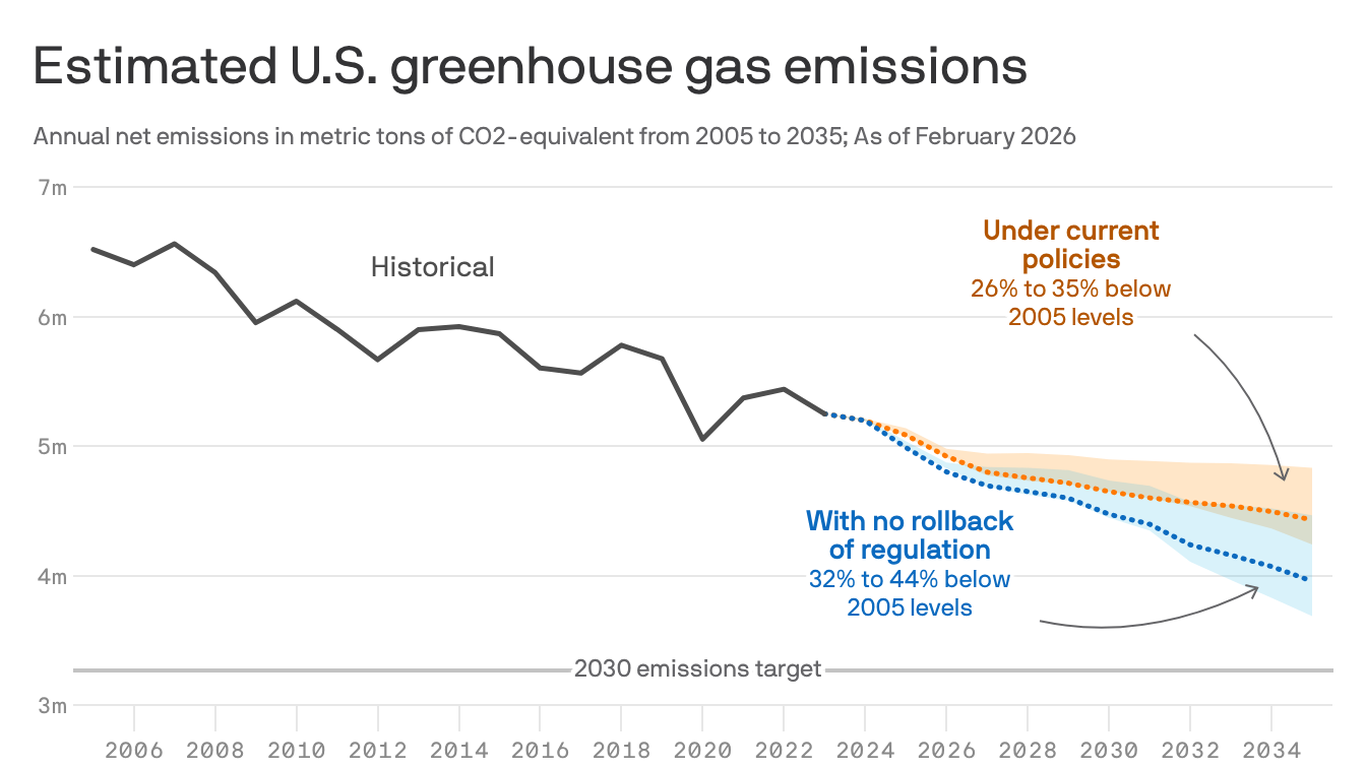
On Thursday, the Environmental Protection Agency is expected to roll back the endangerment finding, which underpins the US's ability to regulate the greenhouse gases that cause climate change. The rollback, the result of more than 15 years of work from right-wing special interest groups, represents the most aggressive move against climate regulation in the US to date-and will introduce a lengthy fight that's almost certain to wind up in front of the Supreme Court.
Last spring, the Environmental Protection Agency made a surprise announcement: President Donald Trump would consider giving some polluters exemptions from a handful of Clean Air Act rules. To get the ball rolling, all it would take was an email from a company making its case. The EPA set up a special inbox to receive these applications, and it gave companies about three weeks at the end of March to submit their requests for presidential exemption.
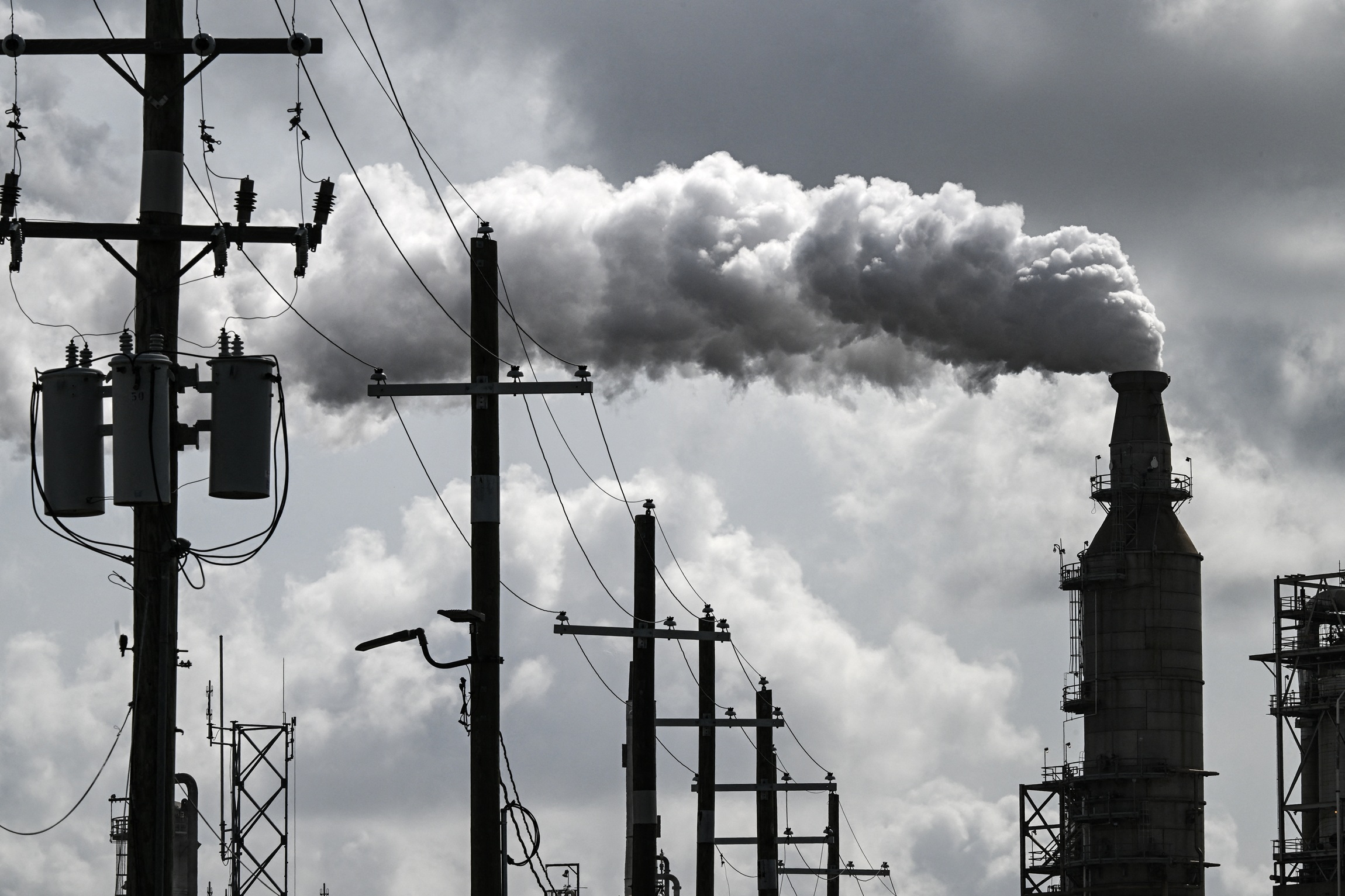
Enforcement of environmental laws against major polluters has virtually ground to a halt under the Trump administration, a new analysis of Environmental Protection Agency records from January 2025 to January 2026 shows. Major polluters typically include companies that are among the largest in the oil, gas, coal and chemical industries. Records show the EPA filed just one Clean Air Act consent decree compared with 26 in the first year of Trump's first term, and 22 during Biden's first year.