#climate-mayors
#climate-mayors
[ follow ]

fromInvestigative Post
1 day agoInvestigative Post event on reforming Buffalo and NY government.
John Kaehny has written and successfully lobbied for the passage of state and New York City laws related to government transparency and accountability, including the first open data law in the world in 2012.
NYC politics
fromFast Company
3 days agoSee it: Air temperatures and pollution around the world are captured in real time in these animated weather maps
We created Earth in Action to provide a lens into what's happening on our planet, as it happens. Whether it's something typical, like the current air temperature, or an extreme event like a major dust storm, we wanted to provide an opportunity for people to see them.
OMG science





SF politics
fromFortune
5 days agoHyperscalers often lack the "aptitude" on power as the political push picks up to expedite grid connections and pipelines | Fortune
Federal efforts to expedite power grid interconnections face challenges due to hyperscalers' communication issues and lack of understanding of processes.


fromwww.bbc.com
1 week agoCampaigners celebrate after new town plans dropped
Campaigner Aysha Hawcutt stated that residents were 'not anti-homes', but believed the Adlington plan was 'the wrong proposal in the wrong place'. She expressed pride in the community's resilience against the development threats.
London politics
Mental health
fromNonprofit Quarterly | Civic News. Empowering Nonprofits. Advancing Justice.
3 weeks agoHow to Counsel for Climate Anxiety | Nonprofit Quarterly | Civic News. Empowering Nonprofits. Advancing Justice.
Climate anxiety cases among therapists have surged dramatically, with demand for mental health support addressing climate-related grief, anxiety, and despair increasing significantly across multiple countries.
Alternative transportation
fromStreetsblog
2 weeks agoWhy Some Congresspeople Want to Go Big on Greenways - Streetsblog USA
The Parks to People Act proposes $300 million in federal funding for walking and biking infrastructure as essential transportation tools, despite political opposition dismissing them as distractions.
Environment
fromFortune
3 days agoData centers are so hot, their 'heat island' effect is raising temperatures up to 6 miles away and impacting 343 million people worldwide, study finds | Fortune
AI infrastructure is creating a 'data heat island effect' that raises local temperatures and impacts millions of people.
NYC politics
fromStreetsblog
2 weeks agoThursday's Headlines: Backed into a Corner Edition - Streetsblog New York City
Governor Hochul promotes auto insurance deregulation backed by Uber and major insurers spending millions on lobbying, while facing increased scrutiny from press corps over corporate influence.
fromState of the Planet
5 days agoFrom Classrooms to Climate Impact: Two Careers Flourish in Singapore
"Singapore is in a very unique position because they face a lot of land constraints, so there are few ways for them to generate their own renewable energy. Singapore is pushing for integrated energy systems throughout ASEAN, so that renewable energy produced in other countries can be brought back to Singapore. There's a very distinct, coordinated effort for countries to come together to work on climate change and energy security in a way that I haven't really seen."
Environment


Miscellaneous
fromwww.theguardian.com
2 months agoWe have a new role': mayors across the world increasingly taking on society's biggest challenges
Mayors are increasingly frontline leaders, implementing bold local policies on housing, mobility, environment, and culture to address global challenges and political backlash.
fromwww.theguardian.com
1 month agoExtreme heat lab: enduring the climate of the future
"So whenever people think about hot weather, they always talk about the temperature," he says. "There's two issues with that. First of all, most people don't realise that the temperature is measured in the shade. So if you're in direct solar radiation, the amount of heat stress you're exposed to is much greater as it will stress your body out a lot more."
Public health


fromThe Nation
3 weeks agoA World on Fire Needs More Climate Reporting-Not Less
Covering Climate Now was formed in 2019 in response to the climate silence that then prevailed in much of the press, especially in the United States. Over the years that followed, hundreds of newsrooms joined our effort, and press coverage of the story began to reflect the scale of the crisis. Newsrooms beefed up their climate reporting teams; they confronted misinformation that sought to play down the problem; they thought creatively about how to find the climate connection on every beat.
Environment
fromNonprofit Quarterly | Civic News. Empowering Nonprofits. Advancing Justice.
2 months agoEnvironmental Advocates Confront Trump's Fossil Fuel Agenda | Nonprofit Quarterly | Civic News. Empowering Nonprofits. Advancing Justice.
But to environmental advocates, the announcement sounded less like relief and more like a bill for working people, one that would result in higher fuel costs, increased pollution, and a slower path to clean energy. Critics warn that the decision represents a blow to the energy transition and a significant setback in the fight against climate change overall.
US politics
fromKqed
2 months agoBay Area Climate Stories We're Watching This Year | KQED
Newsom's administration has touted his climate leadership, which has led to California's historic build-out of battery storage and the landmark program designed to reduce greenhouse gas emissions, newly renamed cap-and-invest - in California. But some environmental advocates and experts are second-guessing his climate record, including his support of legislation streamlining approval of new oil and gas wells, and not advocating for legislation that aims to hold industries accountable for fossil fuel-driven climate disasters.
California
Environment
fromGothamist
1 month agoNew York climate goals face challenge as concern mounts about energy reliability
New York regulators may suspend state renewable energy targets due to projected grid reliability gaps, increased power needs, and feasibility concerns tied to permitting and subsidy changes.
Environment
fromEarth911
2 months agoGuest Idea: Climate Risk Has Become A Defining Economic Issue
Climate-driven financial risks threaten housing and public budgets while large-scale clean-energy and durable carbon-removal investments (geothermal, biochar, novel hydrogen) accelerate to build resilience.
fromWIRED
1 month agoThe Fight Over US Climate Rules Is Just Beginning
On Thursday, the Environmental Protection Agency is expected to roll back the endangerment finding, which underpins the US's ability to regulate the greenhouse gases that cause climate change. The rollback, the result of more than 15 years of work from right-wing special interest groups, represents the most aggressive move against climate regulation in the US to date-and will introduce a lengthy fight that's almost certain to wind up in front of the Supreme Court.
Environment
fromArchDaily
2 months agoOn the International Day for Clean Energy: How Local Initiatives Respond to the Spatial Impacts of Energy Production
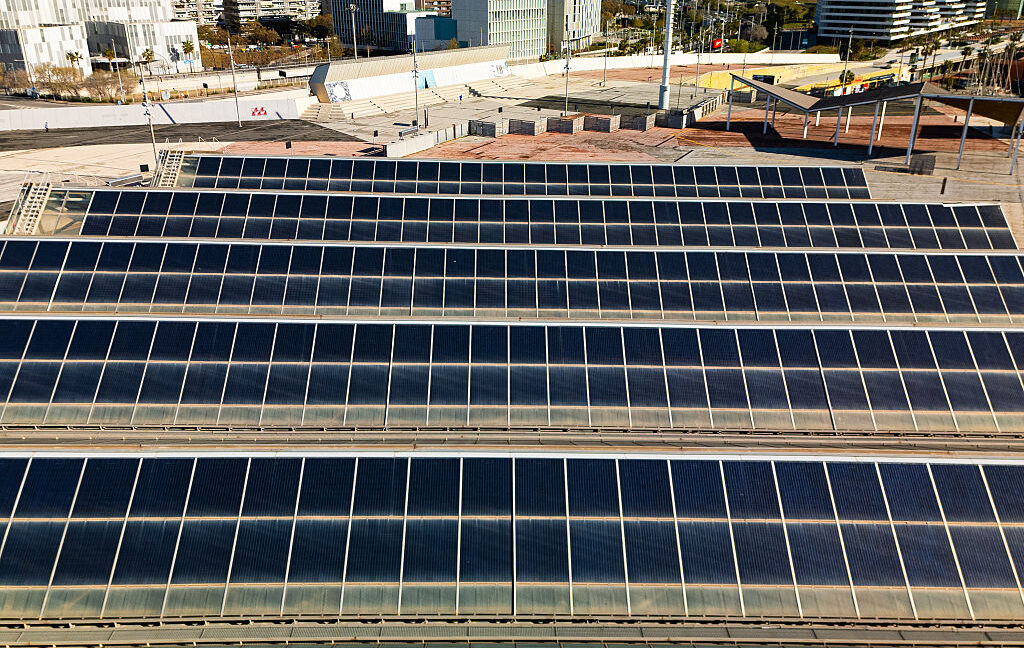
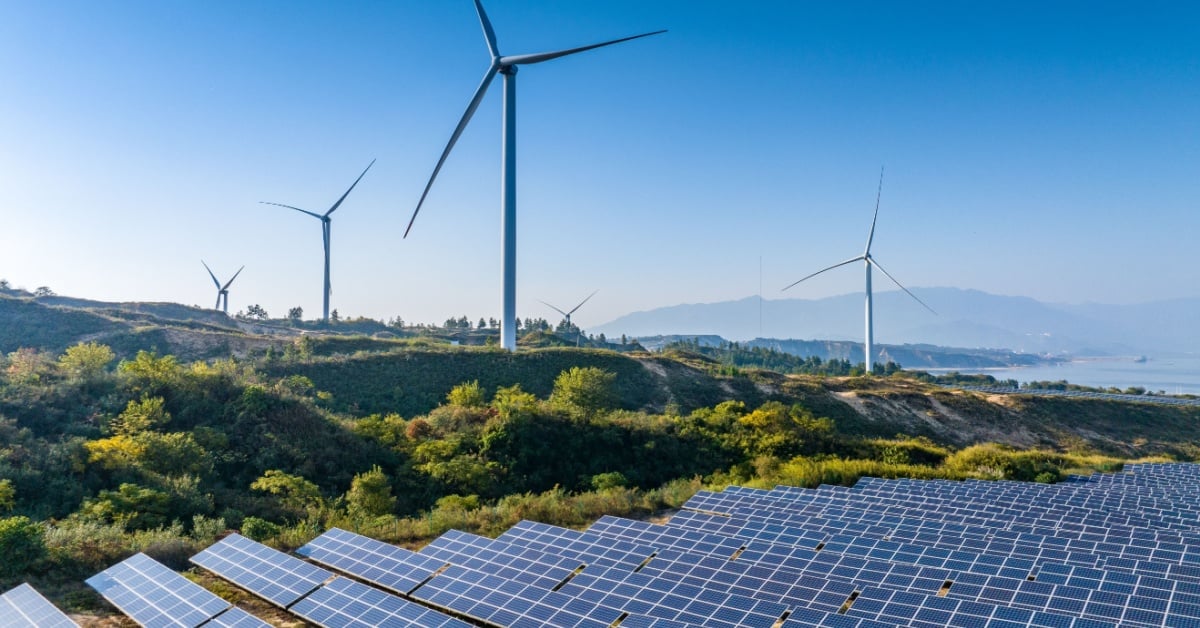
January 26 marks the International Day for Clean Energy, an initiative aimed at raising awareness and mobilizing action for an inclusive transition from fossil fuels, such as coal, oil, and natural gas, to power generation systems with lower greenhouse gas emissions and fewer pollutants. The term "clean" signals a fundamental shift away from extractive, finite, and exhaustible energy sources toward systems based on renewable resources or on capturing energy embedded in natural processes.
Environment
[ Load more ]