#coal-mining-india
#coal-mining-india
[ follow ]
#energy-policy #renewable-energy #critical-minerals #rare-earths #coal-industry #environmental-justice

Environment
fromArs Technica
2 weeks agoCoal plant forced to stay open due to emergency order isn't even running
The Trump administration uses emergency orders to keep uneconomical coal plants operational despite cheaper renewable and natural gas alternatives, citing grid reliability while data shows minimal actual energy contribution.
Environment
fromwww.theguardian.com
3 weeks agoMining's toxic timebomb: dams full of poisonous waste are dotted around the world. What happens when they burst?
A tailings dam collapse at a Chinese copper mine in Zambia released over 50 million cubic liters of acid and heavy metals into the Kafue River, causing widespread environmental devastation, water supply shutdowns, and agricultural destruction affecting millions of people.
US politics
fromwww.theguardian.com
1 month agoMost US coal plants could meet air pollution rules. Trump weakened them anyway
The Trump administration eliminated mercury and air toxics standards despite 88% of US coal plants already having compliance capability, exposing children to neurotoxic pollution.
from24/7 Wall St.
1 month agoThe Hidden Decay Eating BOIL Alive Even When Natural Gas Prices Stay Flat
January 2026 showed just how violent this relationship can get: Henry Hub spiked to $30.72/MMBtu on January 23 - a near-tenfold surge - before collapsing to $3.13/MMBtu by February 23. Extreme winter heating demand and supply constraints drove that move - exactly what BOIL is built to capture on the upside, and what devastates holders on the way back down.
Business
fromFast Company
1 month agoThe nation's largest public utility is reviving coal amid political pressure and the AI boom
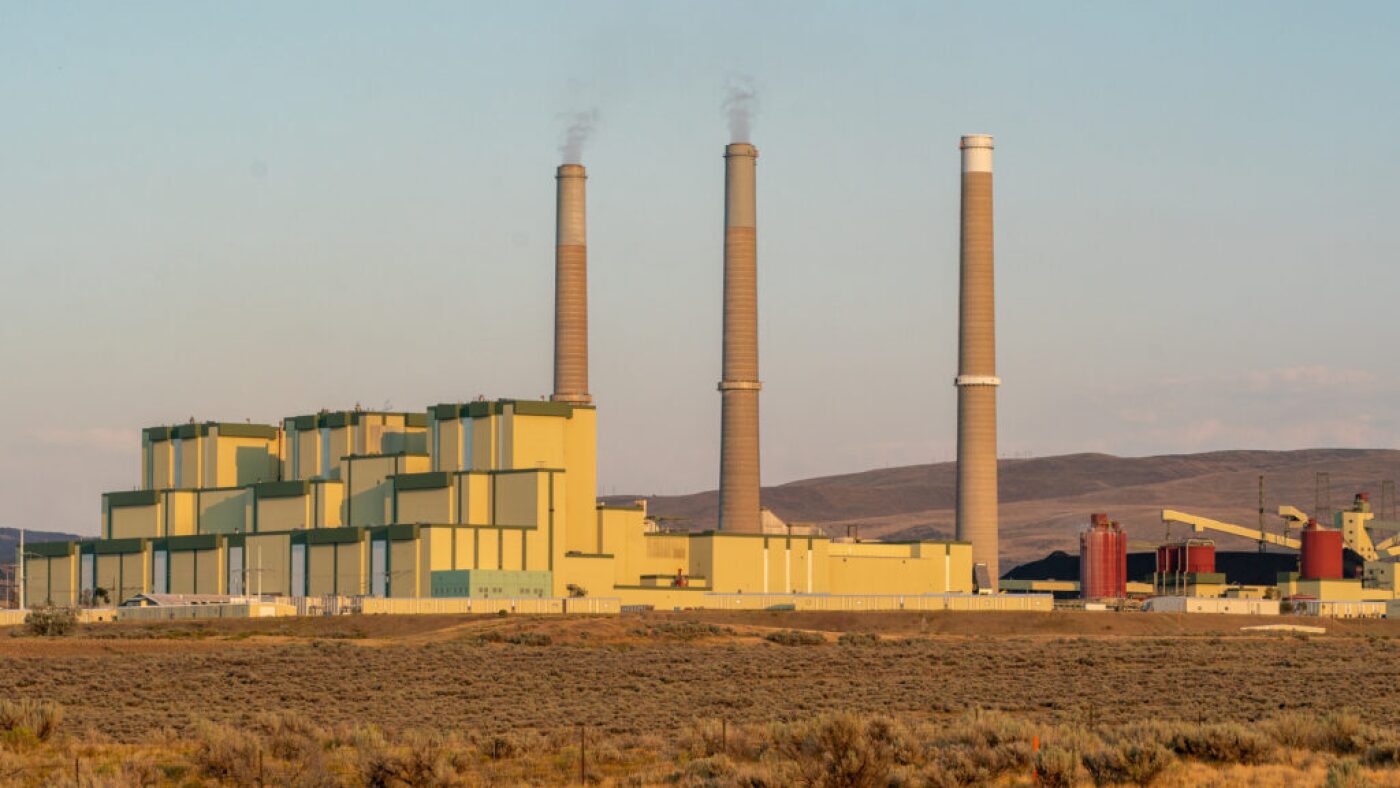
The Tennessee Valley Authority's (TVA's) quarterly meeting in Hopkinsville, Kentucky, opened with a triumphant video homage to its work during Winter Storm Fern. Energy had come through, yet again, to defeat extreme cold. The montage credited this to the utility's "coal workhorses," then noted that nuclear provided "uninterrupted power" and "hydro responded instantly." The list ended there, despite years of promises that the agency would bolster renewables and battery storage.
Miscellaneous




fromFast Company
2 months agoThe next hot career: Mining engineering
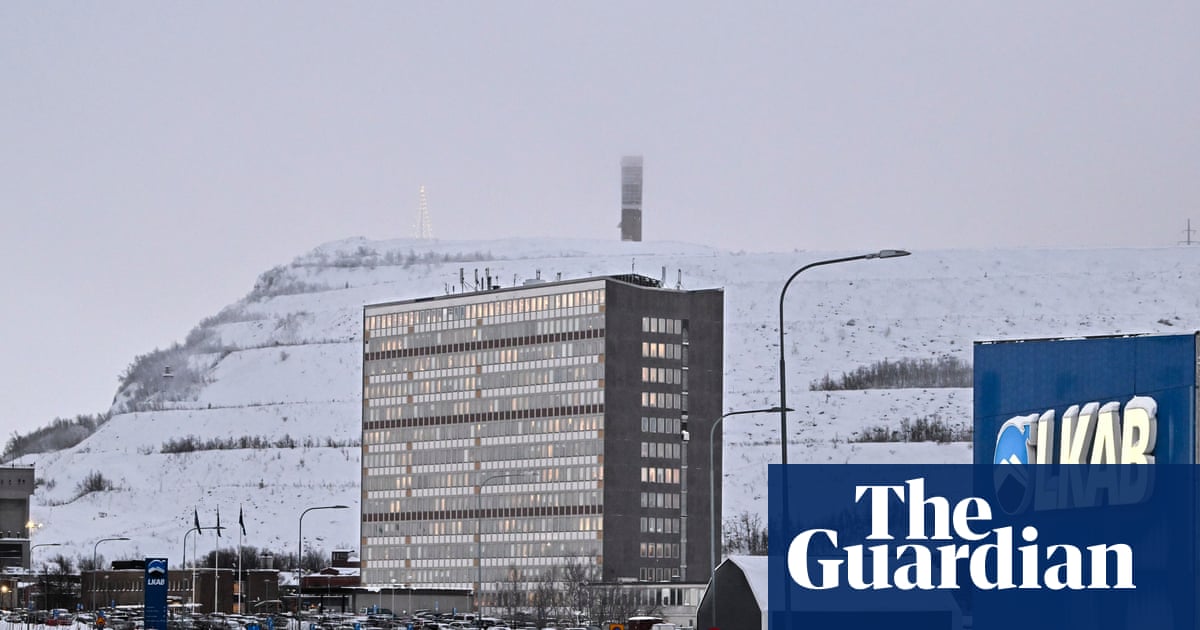
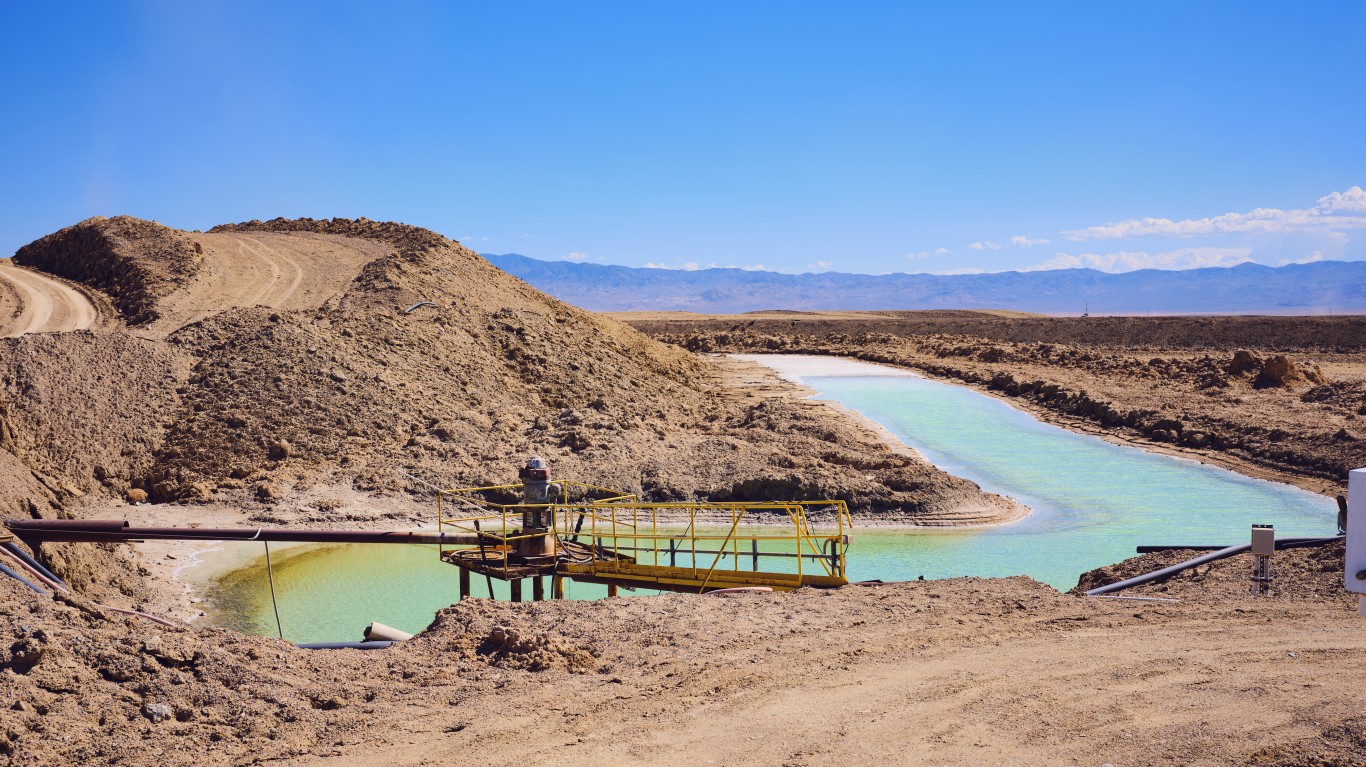
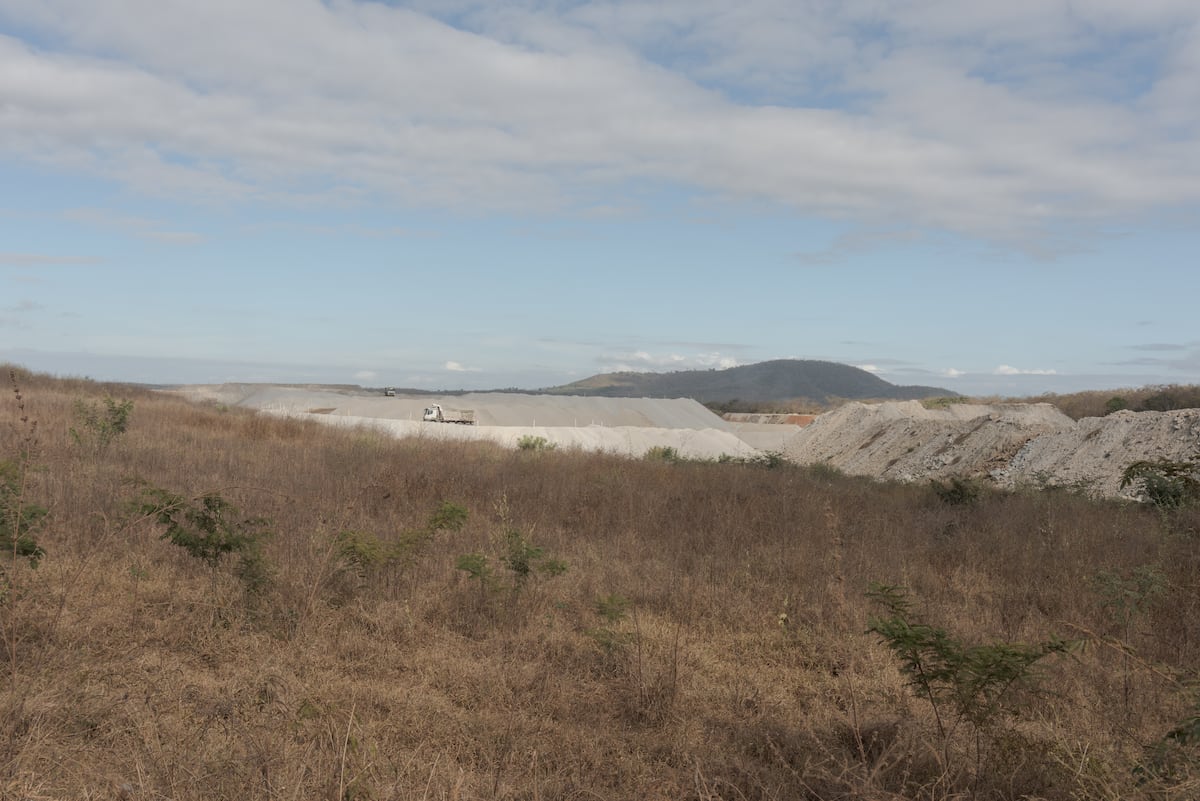
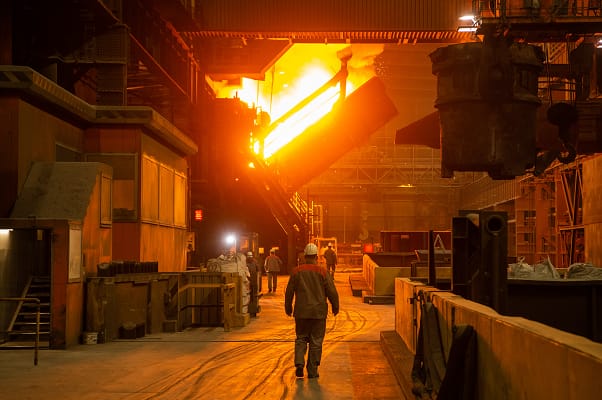
It's a little-known fact that Columbia University, in Manhattan, was home to the first mining school in America-the School of Mines-founded in 1864. For the past three decades, the university's program has been mothballed. Parts of its curriculum were subsumed into the more fashionable subjects of earth and environmental engineering. But next fall, Columbia University will offer a bachelor of science degree in mining engineering once again.
Higher education

Miscellaneous
fromLondon Business News | Londonlovesbusiness.com
1 month agoOil and gas industry hit with another 'nail in the coffin' as hundreds of jobs lost - London Business News | Londonlovesbusiness.com
Mossmorran ethylene plant in Fife permanently closed on 2 February after 40 years due to weekly losses of £1 million, with decommissioning through 2028.
fromFast Company
2 months agoThe Trump administration has a new mascot: A literal hunk of coal
Coalie officially debuted on January 22, when Interior Secretary Doug Burgum posted him (it?) on his X account. In the post, which has now been viewed more than 37,000 times, Burgum shared an obviously AI-generated illustration of himself kneeling next to a grinning, bug-eyed piece of coal that's decked out in a yellow coal miner's helmet, vest, and boots. The caption, in part, read "Mine, Baby, Mine!"
US politics
fromwww.theguardian.com
2 months agoCoal power generation falls in China and India for first time since 1970s
Coal power generation fell in China and India for the first time since the 1970s last year, in a historic moment that could bring a decline in global emissions, according to analysis. The simultaneous fall in coal-powered electricity in the world's biggest coal-consuming countries had not happened since 1973, according to analysts at the Centre for Research on Energy and Clean Air, and was driven by a record roll-out of clean energy projects.
Environment
World news
fromwww.theguardian.com
1 month agoThe Guardian view on the scramble for critical minerals: while powers vie for access, labourers die | Editorial
US strategic moves aim to secure DRC critical minerals through Project Vault and trade deals, risking exploitation while failing to build local processing capacity or protect communities.


fromFast Company
2 months agoA critical climate trend just reversed-driven by crypto and data centers
After two years of declines, United States greenhouse gas emissions increased in 2025-a change driven by increased electricity use, due in part to data centers and cryptocurrency mining, as well as cold winter temperatures that meant homes required more heating. Emissions increased 2.4% in 2025, according to preliminary data from the research firm Rhodium Group. That's higher than the country's GDP growth, which increased by a projected 1.9%.
Environment
Environment
fromHarvard Gazette
1 month agoYes, China has embraced renewables - but don't call it a transition, expert says - Harvard Gazette
China is expanding renewable energy while simultaneously increasing fossil fuel capacity, driven by growing energy demand and security concerns, raising CO2 emissions.
[ Load more ]