#coca-cola-beverages-northeast
#coca-cola-beverages-northeast
[ follow ]
#coca-cola #pepsico #energy-drinks #functional-beverages #consumer-trends #dividends #beverage-industry #nostalgia

fromTasting Table
6 days agoForget Celsius: This Aldi Energy Drink Packs A Punch At A Fraction Of The Price - Tasting Table
Aldi's Summit series has been causing waves online since its release. One user compared the taste of the Berry Waves to a blue Jolly Rancher and called it 'really, really tasty.' Some drinks have kind of a nasty aftertaste, but this one tastes really good.
Silicon Valley food
fromTasting Table
1 week agoThis Popular Mexican Soda Had A Coffee Flavor Long Before Coke Or Pepsi - Tasting Table
In the late 1940s, Hill noticed that Mexico's ancient aguas frescas were facing increasing competition from sodas. Working at his dining room table in Mexico City, with his wife and children as his primary tasters, Hill formulated his first product and entered the soda business.
Coffee
fromTasting Table
3 weeks agoIf You Grew Up In The '80s, You Probably Remember 7Up's Quirky Mascot - Tasting Table
Cool Spot first appeared in 1987 to try to refresh the brand's image. The character was essentially an anthropomorphic version of the red dot in the 7Up logo. In commercials, the dot transformed into a tiny animated figure with sunglasses, sneakers, and a very cool 'tude. His chilled-out personality fit neatly into the brand's long-running "Uncola" positioning, which sought to frame 7Up as the cool and quirky alternative to traditional colas.
Marketing
Beer
fromTasting Table
2 weeks agoAdios A&W. Customers Say This Walmart Soda Beats The Fizzy Brand By A Mile - Tasting Table
Walmart's Great Value Root Beer offers superior taste and creaminess compared to premium brands like A&W and Barq's at a significantly lower price point of approximately $4.75 per 12-pack.
from24/7 Wall St.
6 days agoDiageo vs Constellation Brands: One Beverage Giant Breaks as the Other Breaks Out
Diageo's dividend situation has deteriorated sharply, with a rebased interim payout of $0.20 per share and a new policy establishing a minimum annual floor of $0.50, indicating a focus on debt reduction over income.
Business
fromTasting Table
3 weeks agoThe Staggering Number Of Brands Owned By Hershey - Tasting Table
Founded in 1894 by Milton Hershey, The Hershey Company owns many more brands than just its signature chocolate bar brand, and Heshey is the brand of chocolate most eaten in the United States. The chocolate and candy company began with selling a simple bar of milk chocolate, followed a few years later by foil-wrapped dollops of chocolates, and then almost two decades later came the debut of the peanut-studded Mr. Goodbar.
Silicon Valley food
Cocktails
fromElite Traveler
1 month agoWhat's the Best Sparkling Water for Cocktails? Experts Reveal Their Picks
Sparkling water style significantly impacts drink character through carbonation level, mineral content, bubble size, and aroma delivery, making water selection crucial for cocktail and beverage creation.
Coffee
fromTasting Table
1 month agoReview: Dunkin's New Spring Drinks Are Absolutely Bananas (In A Good Way) - Tasting Table
Dunkin' launched three banana-infused drinks with cloud foam that offer pleasant flavor combinations appealing to banana enthusiasts, though they lack significant innovation compared to similar offerings from competitors.
Business
from24/7 Wall St.
3 weeks agoCoke vs Pepsi: Which Dividend Is Actually Safer?
Coca-Cola's 64-year dividend streak appears safer than PepsiCo's despite both being Dividend Kings, as Coca-Cola's forward cash flow supports dividends while PepsiCo faces tighter dividend math from declining earnings.
Business
from24/7 Wall St.
4 weeks agoHad You Invested $1,000 in Coca-Cola or PepsiCo 10 Years Ago, Here's What You'd Have Today
Coca-Cola has outperformed PepsiCo over the past decade through disciplined simplification, asset-light franchising, and strong pricing power, despite PepsiCo's greater product diversification.
fromInsideHook
1 month agoBrace Yourselves for a Topo Chico Shortage
There are a lot of effervescent water brands currently on the market, but only one of them was described in a 2017 Eater headline as "the Sparkling Water for Cool People." That would be Topo Chico, now a division of Coca-Cola, which has been rapidly expanding its reach across the United States after first making a splash (no pun intended?) in Mexico, where it originated.
Food & drink
fromwww.cbc.ca
2 months agoSo long, frozen juice from concentrate. The once-popular canned drink leaves shelves this year | CBC News
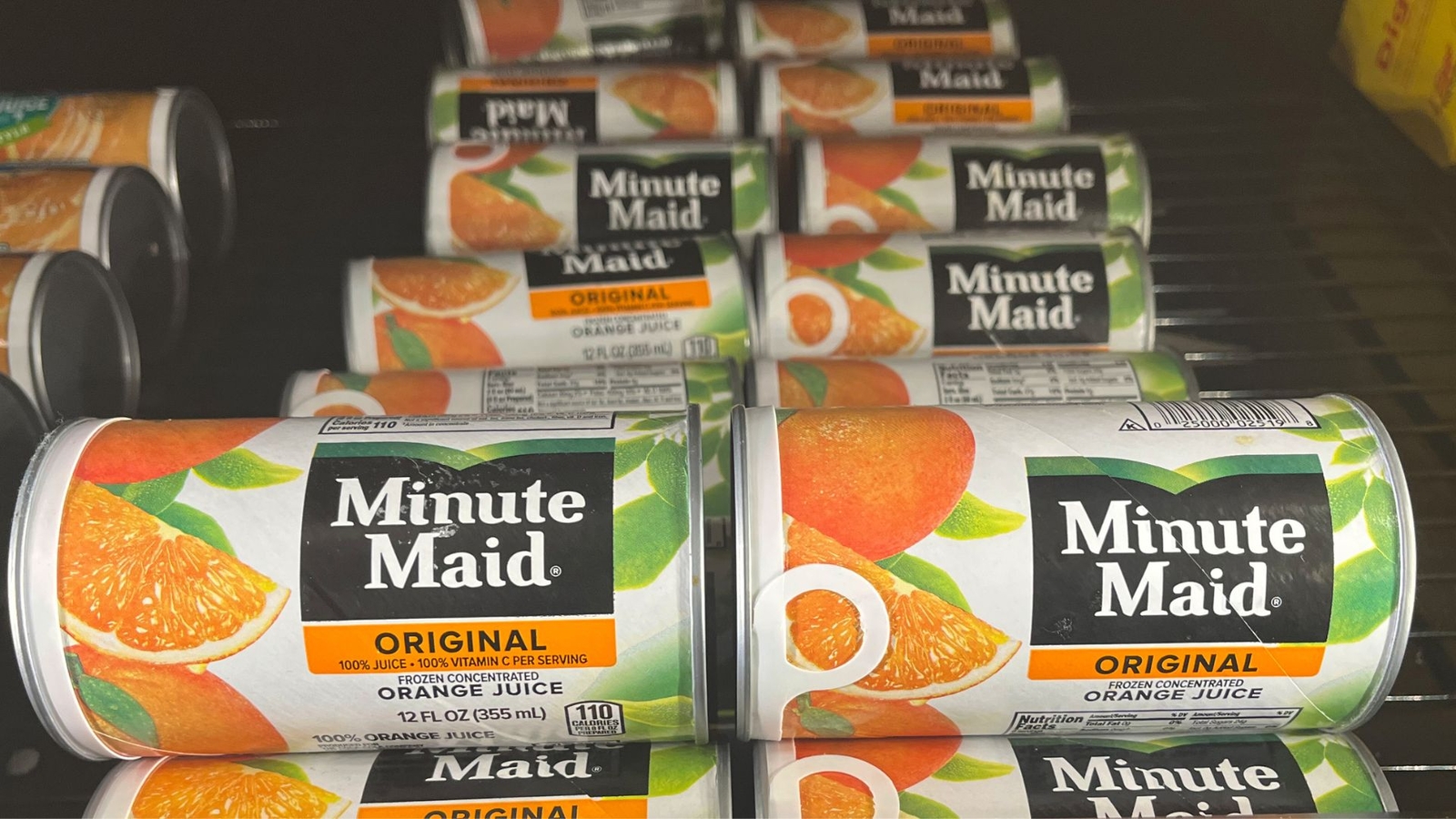
Minute Maid is discontinuing its line of frozen juices as consumer demand declines and tastes change, and it may have been the only company still selling the concentrated products into the Canadian market. The brand's frozen canned orange juice, lemonade, Fruitopia fruit punch and Five Alive juice blend will be discontinued by April, a spokesperson for parent company Coca-Cola confirmed to CBC News.
Canada news
fromDigiday
2 months agoCoca-Cola, DIVE, Tribal Worldwide London, Volkswagen, Paper Crowns and Logitech G are Digiday Marketing and Advertising Awards Europe finalists
Brands are blending digital platforms with real-world environments to create immersive, personalized experiences that translate online energy into human connection. From awareness to ownership and advocacy, this year's Digiday Marketing and Advertising Awards Europe nominees prioritize frictionless journeys that deepen loyalty, strengthen brand perception and deliver sustained business results. In the new Best Out-of-Home Campaign category, agency DIVE is nominated for its work with Coca-Cola Spain.
Marketing tech
fromTasting Table
2 months agoWhy It's Rum And Coke, Not Rum And Pepsi - Tasting Table
When agriculture was able to meet demand, sugar prices crashed overnight. Companies that had bet big on expensive inventory suddenly found themselves drowning in debt. Pepsi declared bankruptcy. So did RC Cola's predecessor, Chero-Cola. Coca-Cola, however, managed to secure emergency financing from a bank by offering something no other company could: their closely-guarded secret formula as collateral. That gamble paid off big time.
Cocktails
fromTasting Table
1 month agoThe Twice-Failed Coca-Cola Flavor No One Misses At All - Tasting Table
After initial testing in France, the product was released to the United States in 2006, an idea meant to appeal to the novelty of the beverage market at the time, with a name that fit the minimalist trend of the era. Even though several other unique Coke flavors from around the world might have been a hit in the U.S., Coca-Cola Blāk absolutely bombed with consumers and was pulled from shelves just two years after launching.
Food & drink
Marketing
fromThe Drum
2 months agoHow Pepsico and Mondelez are tackling their biggest challenge to date - turning marketing into a revenue center
PepsiCo and Mondelez are acting as publishers, producing high-quality, sellable branded content to monetize marketing, counter ad-blocking, and sustain brand-funded growth.
fromTasting Table
2 months agoWe Ranked This Popular Light Beer As Best - It's A Staple For A Reason - Tasting Table
The "Silver Bullet" (as it's known to fans) first hit shelves in 1978 as part of the "light beer wars" of the era, when competitors like Miller Lite and Natty Light also broke onto the scene. But, inventor Bill Coors was workshopping what would become Coors Light as early as 1941. It was honed for decades before its debut, and today, Coors Light boasts an Instagram profile with hundreds of thousands of followers.
Beer
fromFortune
1 month agoAmericans wake up and smell the coffee price surge-skipping Starbucks, brewing at home, and drinking Diet Coke for caffeine | Fortune
Years of steadily climbing coffee prices have some in this country of coffee lovers upending their habits by nixing café visits, switching to cheaper brews or foregoing it altogether. Coffee prices in the U.S. were up 18.3% in January from a year ago, according to the latest Consumer Price Index released on Friday. Over five years, the government reported, coffee prices rose 47%. That extraordinary rise has brought some to take extraordinary measures.
Coffee
fromDigiday
2 months agoCoca-Cola, DIVE, Tribal Worldwide London, Volkswagen, Paper Crowns and Logitech G are Digiday Marketing and Advertising Awards Europe finalists
For the Coca-Cola Music Experience 2025, Spain's premier youth music festival, Coca-Cola partnered with DIVE and Essence Mediacom to activate TikTok's Out of Phone program, transforming Madrid into a live, citywide feed of festival anticipation. From Sept. 5-11, high-impact DOOH screens showcased creator-led artist drops, countdowns and TikTok-native visuals that mirrored how fans engage on the platform. QR codes invited real-time interaction, turning everyday foot traffic into active participants.
Marketing
fromFood & Beverage Magazine
1 month agoPepsi Prebiotic Cola Now Available Nationwide: A Game Changer in the Beverage Industry
Pepsi Prebiotic Cola stands out in the crowded cola market for several reasons: No Artificial Sweeteners: Unlike many soft drinks, Pepsi Prebiotic Cola is free from artificial sweeteners, making it a more appealing choice for those looking to reduce their intake of synthetic additives. Low Calorie Count: At just 30 calories per can, this cola provides a guilt-free indulgence for those watching their caloric intake.
Food & drink
fromTasting Table
2 months agoWalmart's Best Great Value Creamer Will Change Your Morning Coffee - Tasting Table
Great Value may be Walmart's generic brand, but its Chocolate Caramel creamer delivered such luscious texture and rich, concentrated flavor that the product sits on-par with other popular (often costlier) coffee creamer brands like Califia Farms and International Delight. On the Walmart website, a 32-fluid-ounce bottle currently costs $2.76. Meanwhile, name-brand competitors like Chobani's Caramel Macchiato-Flavored Creamer run for $6.24, and Starbucks' Caramel-Flavored Creamer costs $4.98 for a comparatively smaller 28-fluid-ounce bottle.
Coffee
Food & drink
fromTasting Table
2 months agoThis Vintage Soda Holds Up Impressively Well As A Zero-Sugar Cola - Tasting Table
RC Cola Zero Sugar closely resembles its non-diet flavor with caramel-vanilla-spice notes, avoids cloying sweetener taste, and maintains a vocal cult following ahead of a 2026 comeback.
fromFingerlakes1.com
2 months agoNew York ranked #5 best state to build a brand | Fingerlakes1.com
Whether you lead a Fortune 500 division, sell handmade jewelry on TikTok, or shoot threes in the NBA, building your personal brand is essential. For decades, ambitious people flocked to New York or California where legacy newsrooms, corporations, and advertising agencies clustered. While those ecosystems remain powerful, digital and social media now allow Americans to build their brand anywhere. Since traditional hot spots are expensive, it begs the question, "Is it still necessary for your career to live there?"
Business
fromTasting Table
2 months agoI Tried 9 Of Aldi's Summit Energy Drinks And Ranked Them Worst To Best - Tasting Table
While there are quite a few energy drink brands on the market targeted at different demographics, their goal is the same - to give individuals an energy boost. As with most popular products, you can count on copycats to appear - in this case, we're talking about Aldi's line of Summit energy drinks. Just by looking at the can designs and flavor varieties, you can see how closely Aldi's products resemble some of the bigger energy drink brands, such as Monster, Alani Nu, and Celsius.
fromTasting Table
1 month ago9 Old School Soda Fountain Drinks That Deserve A Comeback - Tasting Table
Soda fountains were once a common fixture in pharmacies, and people truly thought that fizzy drinks could really cure their ailments. In the early 20th century, though, soda fountains took on their own identity. Throughout Prohibition, bars serving alcoholic cocktails and beers were no longer an option, so soda fountains, still often located in drugstores, stepped in as fun places to drink and socialize.
Food & drink

fromTasting Table
2 months agoReview: Sparkling Ice's Life Savers Flavors Don't Quite Hit That Nostalgic Candy Spot - Tasting Table
Kaleidoscopic seems a fitting word to describe the assemblage of drinks curated by Sparkling Ice. The brand has some serious range. Each vibrant flavor of sparkling water is denoted by its trademarked fruit-caught-in-an-ice-cube imagery, spanning from obligatory classics like fruit punch and lemonade to more creative combos like grape raspberry and ginger lime. It makes for a colorful grocery store display and happy customers who can always find a flavor that suits their taste buds.
Food & drink
fromFast Company
2 months agoRoxberry is a 'better-for-you' soda, but its branding is an absolute sugar rush
Sauer has experience turning a nascent RTD brand into a household name. Garage Beer, which he acquired in 2021 and relaunched in 2023, has shown triple-digit year-over-year growth, with sales increasing more than 500% in the 12 months ended in early April 2025, he says. It's now valued at around $200 million and is continuing to grow, despite an overall slump in the beer industry, according to a September report from The Wall Street Journal.
Food & drink
fromTasting Table
2 months ago4 Big Grocery Trends To Know For 2026, From Baldor Specialty Foods - Tasting Table
According to Mark Pastore, Baldor's Vice President of Business Development, predicted trends for 2026 "reflect how the industry is adapting to real constraints like labor, cost, and efficiency, while still delivering craveable, flavor-forward experiences." He suggests that we're trying to create more with less, as grocery bills continue to increase, but we don't want to sacrifice flavor and comfort food.
fromDigiday
2 months agoBeverage brands update Dry January marketing based on changing consumer habits
Today, people generally seek balance when pursuing their personalized wellness goals in a new year. That shift has made way for trends like "Damp January," which encourages creating more mindful drinking habits. With this evolution, brands in the nonalcoholic beverage space are fine-tuning their marketing campaigns to reflect year-round interest in alcohol moderation. By using cheerleading-like marketing language over a shameful tone, brands hope customers will feel more receptive to incorporating their beverages. And with more products entering the market - which now also includes functional drinks and cannabis tonics - these companies are stepping up their marketing spending to broaden their target audience.
Food & drink
fromTasting Table
2 months agoWhy Shoppers Are Split On The Sheetz Milkshakes - Tasting Table
It's even the home of Duff Goldman's favorite fast food item. But we can't forget about the milkshakes. On its website, Sheetz describes the shakes as "robust" with "classic and extra freaky flavors," but not everyone is on board with how they're made. While a classic milkshake typically consists of a combination of milk, ice cream, and some sort of flavor, Sheetz's shakes have the added ingredient of ice.
Food & drink
[ Load more ]