Software development
fromDevOps.com
2 days agoWhy Code Validation is the Next Frontier - DevOps.com
Shared staging environments are inadequate for modern development; isolated, on-demand setups are needed for effective validation.
Contracts are a means of setting preconditions and postconditions on function declarations, and adding assertion statements within functions. The feature is intended to help make C++ code safer and more reliable.
A new generation of tools that let anyone - designers, marketers, founders, students - describe an app in plain English and watch it get built in real time. No compiler knowledge. No debugging in terminals. No Stack Overflow. Just a conversation with a machine that builds things.
While AI tools are lowering the barrier to development, the gap between speed and manageability is growing. In just over a year and a half, AI code assistants have grown from an experiment to an integral part of modern development environments. They are driving strong productivity growth, but organizations are not keeping up with the associated security and governance issues.
Gentoo's official migration from Microsoft-owned GitHub to Codeberg is underway, as the Linux distribution fulfills a pledge to ditch the code shack due to "continuous attempts to force Copilot usage for our repositories." The decision was made public last month, when Gentoo confirmed it intended to migrate repository mirrors and pull request contributions to the new home. On February 16, the organization revealed it now had a presence on Codeberg, where contributions could be submitted.
Dependabot sounded the alarm on a large scale. Thousands of repositories automatically received pull requests and warnings, including a high vulnerability score and signals about possible compatibility issues. According to Valsorda, this shows that the tool mainly checks whether a dependency is present, without analyzing whether the vulnerable code is actually accessible within a project.
This extends to the software development community, which is seeing a near-ubiquitous presence of AI-coding assistants as teams face pressures to generate more output in less time. While the huge spike in efficiencies greatly helps them, these teams too often fail to incorporate adequate safety controls and practices into AI deployments. The resulting risks leave their organizations exposed, and developers will struggle to backtrack in tracing and identifying where - and how - a security gap occurred.
AI coding tools have caused as many problems as they have solved, according to industry experts. The easy-to-use and accessible nature of AI coding tools has enabled a flood of bad code that threatens to overwhelm projects. Building new features is easier than ever, but maintaining them is just as hard and threatens to further fragment software ecosystems. The result is a more complicated story than simple software abundance.
GitHub engineers recently traced user reports of unexpected "Too Many Requests" errors to abuse-mitigation rules that had accidentally remained active long after the incidents that prompted them. According to GitHub, the affected users were not generating high-volume traffic; they were "making a handful of normal requests" that still tripped protections. The investigation found that older incident rules were based on traffic patterns that were strongly associated with abuse at the time, but later began matching some legitimate, logged-out requests.
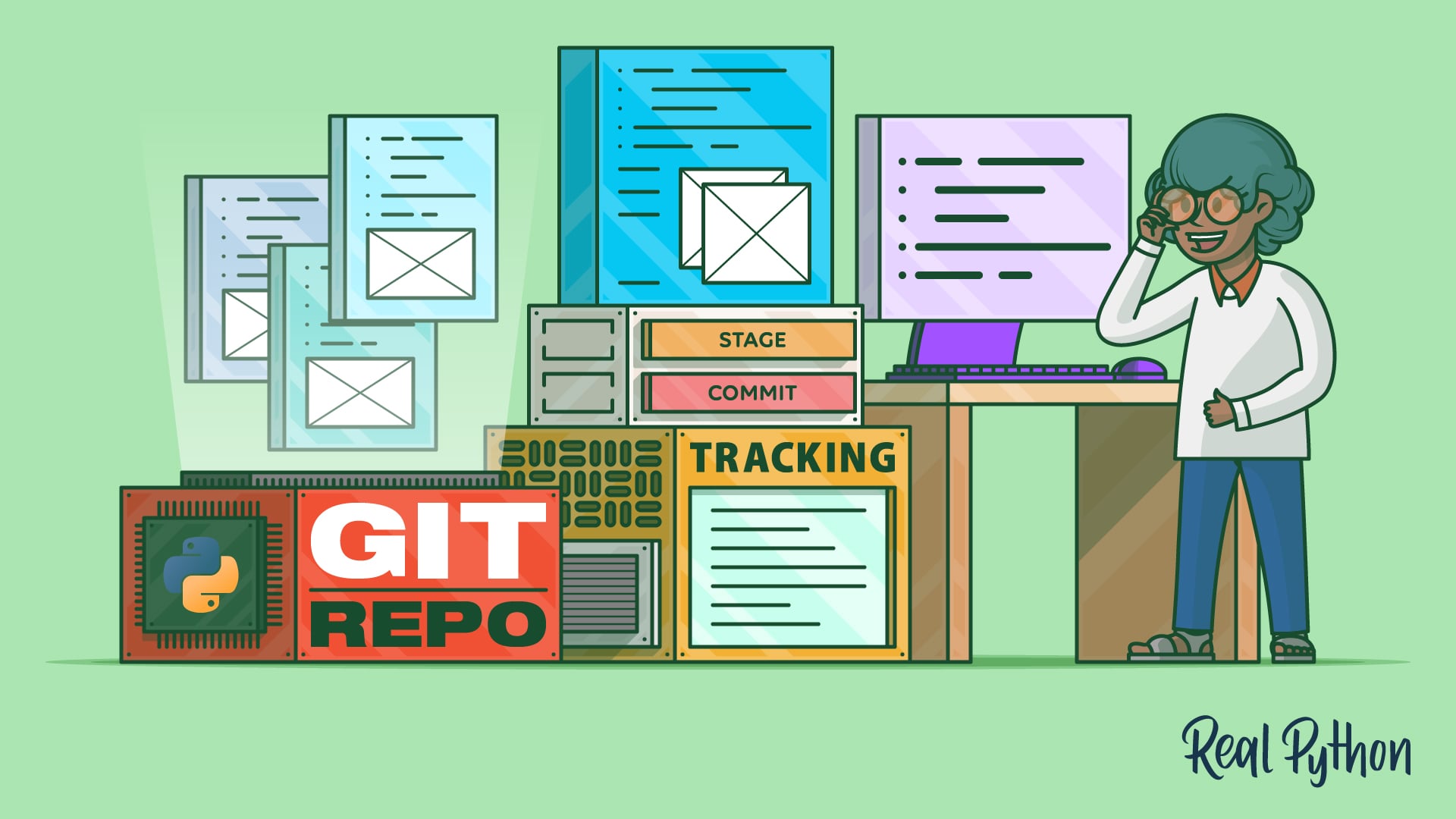
Software engineering didn't adopt AI agents faster because engineers are more adventurous, or the use case was better. They adopted them more quickly because they already had Git. Long before AI arrived, software development had normalized version control, branching, structured approvals, reproducibility, and diff-based accountability. These weren't conveniences. They were the infrastructure that made collaboration possible. When AI agents appeared, they fit naturally into a discipline that already knew how to absorb change without losing control.
The reason for this is Snap - a Linux application packaging format - creates a local Trash folder for each VS Code version, one that's separate from the system-managed Trash, according to a VS Code bug report dating back to November 11, 2024. Not only that, but Snap keeps older versions of VS Code after updates, potentially multiplying the number of local Trash folders and the trashed-but-not-deleted files therein. Emptying the system Trash folder doesn't affect the local instances.
Generative AI exponentially brings down the cost of building solutions. It lets people build exactly what they need to solve an exact problem in an exact moment. It lets people own their own solutions. This is great for a lot of specific problems that need specific solutions that wouldn't normally get solved easily. This has been the evergreen promise of computers and programming and hacking. But there's a difference between solving your specific problem, and owning a problem domain.