#coffee-pairings
#coffee-pairings
[ follow ]
#coffee-industry #specialty-coffee #home-brewing #starbucks #coffee #sustainability #dutch-bros #coffee-shop

fromDaily Coffee News by Roast Magazine
2 days agoKeurig Taps JDE Peet's CEO Rafael Rafael Oliveira to Lead Coffee Company
Global Coffee Co. will aim to be the best coffee company in the world by combining global reach with local expertise to operate across all formats, segments, channels and price points.
Coffee
Coffee
fromDaily Coffee News by Roast Magazine
3 days agoMajor Traders Agree on Two 'Principles of Procurement' to Improve Coffee Sector Sustainability
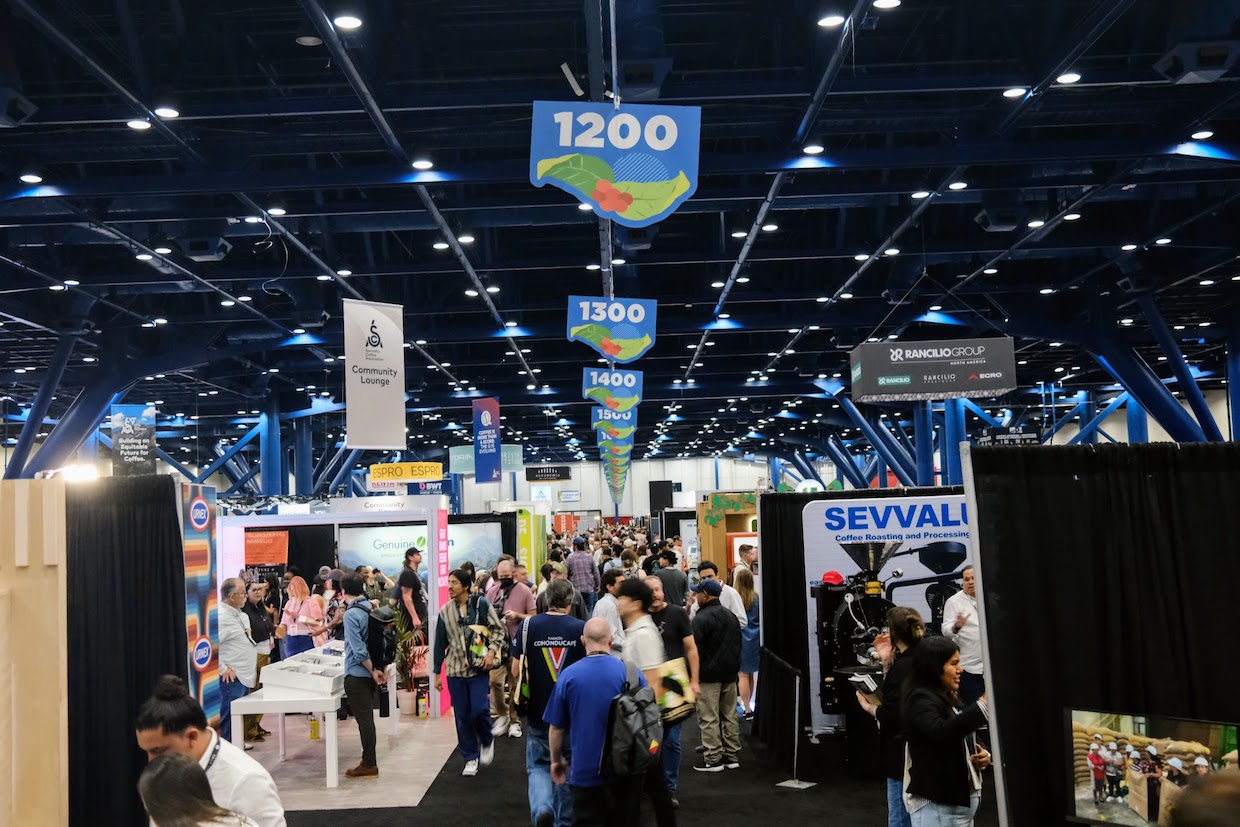
Major coffee traders and roasters have established principles to enhance the economic viability of coffee farmers through strategic partnerships and sustainable production support.

Food & drink
fromTasting Table
1 month agoThis Washington, DC Coffee Shop Will Serve You Espresso Shots In Cookie Cups - If You Know How To Ask - Tasting Table
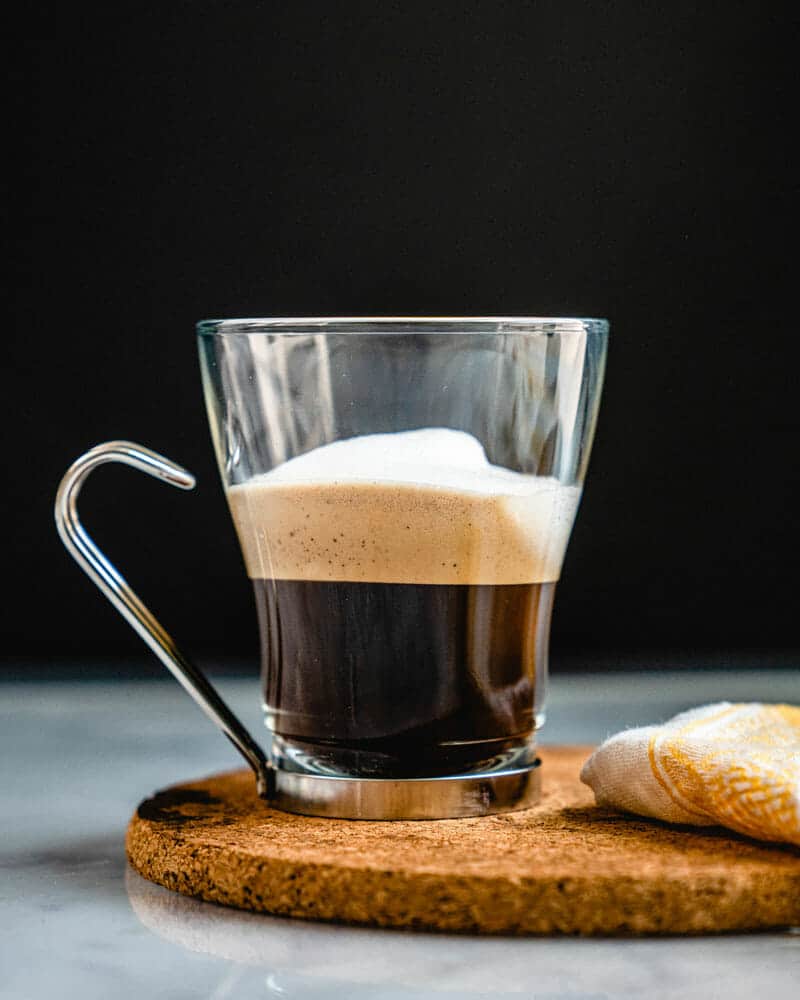
Flor in Georgetown blends a bookstore and café atmosphere, popularizing an off-menu 'El Principito' espresso served inside a handmade cookie cup.
fromTasting Table
2 months agoAdding A Bit Of This Unexpected Oil Could Be Exactly What Your Coffee Needs - Tasting Table
When Japanese sesame oil brand Kadoya Seiyu demonstrated that combining sesame oil and coffee is an option, foodies took notice. The unexpected addition can lend a creamy, smooth texture to a regularly prepared cup of Joe, and the smell of this combination will greet you before the first sip reaches your lips. As added incentive to experiment with this unique duo, sesame oil boasts a line-up of promising health benefits.
Food & drink

Coffee
fromDaily Coffee News by Roast Magazine
2 weeks agoA Guide to Indonesian Coffee Cultivars and Varieties
Indonesia ranks among the world's top five coffee producers, with a unique history spanning from Dutch colonial introduction in 1699 to modern cultivation of diverse resistant varieties across its archipelago.
fromDaily Coffee News by Roast Magazine
2 weeks agoCoffee Byproducts Could Reduce Plastic in 'Plastic Wrap'
Coffee byproducts offer a promising, cost-effective and environmentally sustainable alternative for improving the functional and ecological performance of bio/edible films. These agro-industrial residues exhibit a richness in biofunctional compounds such as polyphenols, caffeine and dietary fibers, which contribute significant antioxidant, antimicrobial and UV-barrier properties, making them ideal candidates for applications in active food packaging.
Coffee
fromTasting Table
3 weeks agoDecaf Coffee Gets A Bad Reputation. Here's Why It Shouldn't - Tasting Table
A good cup of coffee (decaf included) delivers on all fronts: Flavor, acidity, body, sweetness, and balance, aka The Pleasure Principle. The infamously-snobbish coffee élite might maintain that decaf drinkers aren't "real coffee fans." But, as a veteran barista, I would argue that the opposite is actually true: Only the most diehard bean-heads tread decaf domain.
Coffee
fromWIRED
3 weeks agoMy Favorite Piece of Coffee Gear Makes Me Do All the Work, and That's Why I Love It
Where larger, electric espresso machines generate the pressure and heat needed for espresso inside their massive housings, the Flair takes a different approach. A large lever sits atop a small stack of brewing equipment, and you use that lever to create the bars of pressure necessary to get espresso. There's a chamber for your grounds and another atop it for hot water.
Coffee
fromDaily Coffee News by Roast Magazine
3 weeks agoU.N. Officially Designates Oct. 1 International Coffee Day
The UN General Assembly adopted the resolution March 10, while inviting the UN Food and Agriculture Organization (FAO) to help facilitate the annual observance in collaboration with relevant organizations, particularly the International Coffee Organization (ICO).
Coffee
Coffee
fromWIRED
3 weeks agoAeroPress Coffee Is Superb When I'm Traveling, but I Use Mine Even When I Stay Home
The AeroPress is a portable, versatile coffee brewer that produces café-quality coffee using grounds, hot water, and a paper filter, with hundreds of brewing recipes and customization options available.
fromDaily Coffee News by Roast Magazine
3 weeks agoToast Report Shows Lattes Rising as Drip Coffee and Cold Brew Slip
Toast said the analysis is based on same-store restaurant sales from January 2024 through December 2025 across a cohort on its platform, which served about 164,000 locations as of Dec. 31, 2025. The biggest declines through 2025 were found in green tea (-4.9%), black tea (-3.4%), hot drip coffee (-3.3%) and regular soda (-2.3%).
Coffee
Coffee
fromDaily Coffee News by Roast Magazine
3 weeks agoUSDA Report Projects Growth of Brazilian Specialty Coffee Despite Market Whiplash
Brazil's specialty coffee sector faces tariff pressures, supply constraints, and shifting buyer demands while adopting new international quality assessment standards.
Coffee
fromTasting Table
3 weeks agoCoffee Mate Is Testing A New Frozen Creamer And I Was Among The First To Try It - Tasting Table
Nestlé's Coffee Mate launches Cool Crème, a frozen creamer product available in cookies & crème crumble and vanilla caramel swirl flavors, designed to be added to coffee like ice cream.
fromWIRED
3 weeks agoI Test Many Coffee Machines for a Living. This One Gets to Stay
My denomination is good, old-fashioned drip coffee. That's what I drink first thing, before I even think about crafting a shot of espresso. I'm WIRED's lead coffee writer and I've developed a deep fondness for coffee's many variations, from espresso to Aeropress to cold brew. But "coffee" to me, in my deepest soul, still means a steaming mug of unadulterated drip.
Coffee
Coffee
fromTasting Table
4 weeks agoStarbucks Vs Dunkin': Which Coffee Chain Actually Uses More Sugar? - Tasting Table
Both Dunkin' and Starbucks contain excessive sugar in their beverages, with minimal differences between chains, making neither a significantly healthier choice for reducing sugar intake.
Coffee
fromDaily Coffee News by Roast Magazine
4 weeks agoOpinion: On Sugar-Laden Coffee in the MAHA Crosshairs
Large U.S. coffee chains increasingly sell sugar-laden beverages marketed as seasonal drinks, with some containing over 115 grams of sugar, prompting health officials to question their safety.
fromDaily Coffee News by Roast Magazine
1 month agoRob Hoos-Led Roasting Lab Expands with Apps and AI
Moving to having a dedicated app for people's phones is something I've been planning for some time. The way of accessing the community is new, but the community has deep roots. Building on Roasting Lab's three-year run as a subscription-based professional development and networking hub, the apps are designed to make the platform easier to use day to day, extending its focus on community mentorship, guidance and practical advice for roasters of all skill levels.
Coffee
Coffee
fromDaily Coffee News by Roast Magazine
1 month agoCaffeto Specialty Coffee Crafts a Colombia-Carolina Connection
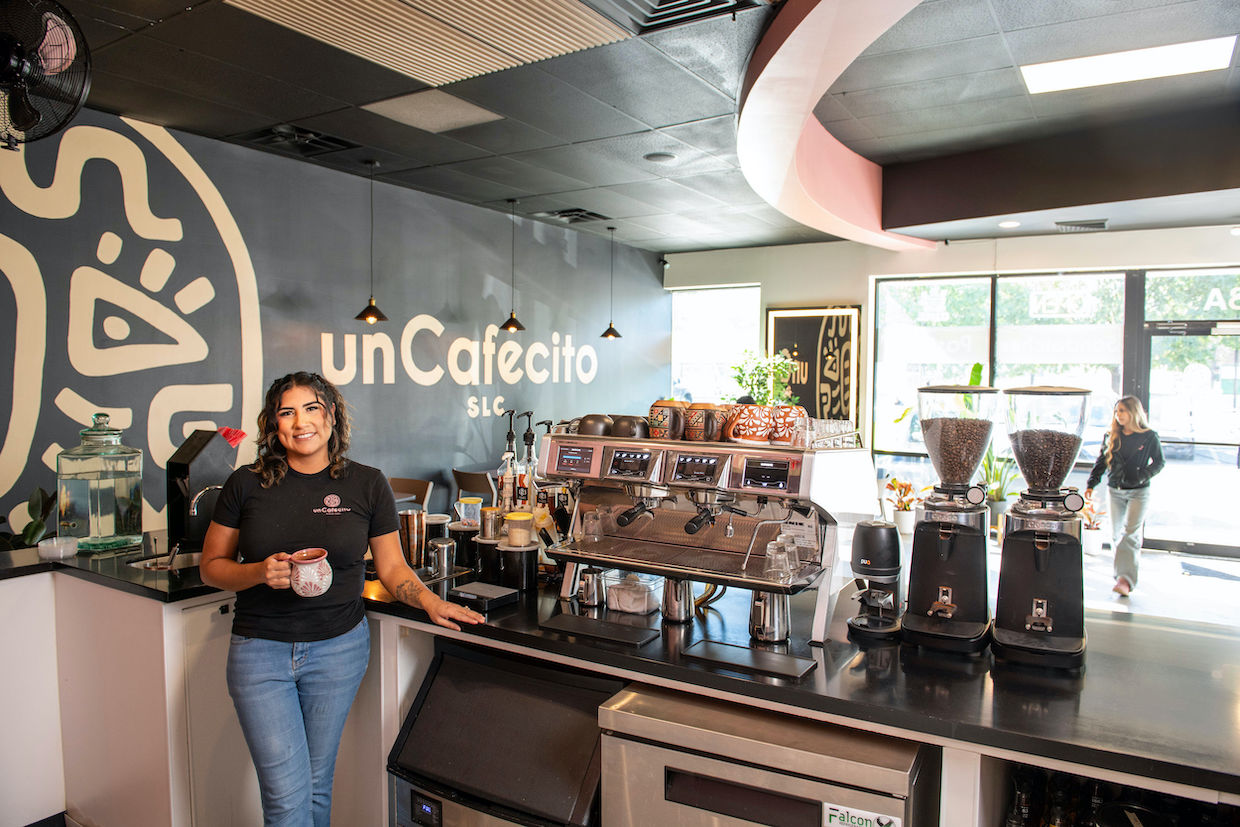
Caffeto Specialty Coffee opened a Cornelius cafe serving Colombian-sourced, Manizales-roasted coffee alongside Colombian-inspired drinks, pastries and communal, tropical-inspired seating.
fromTasting Table
1 month ago8 Popular Coffee Chain Lattes, Ranked - Tasting Table
Whether you prefer a classic flavor like caramel or want something a bit more unique like French toast, we tried to cover the gamut of flavors. We ranked each latte based on how accurate the flavor was to its description and its overall sweetness level (meaning, was it a pure sugar bomb or was espresso the only flavor present? - balance is key) to crown the best of the best.
Coffee
fromTasting Table
2 months agoThe 4 Coffee Bean Types, Explained - Tasting Table
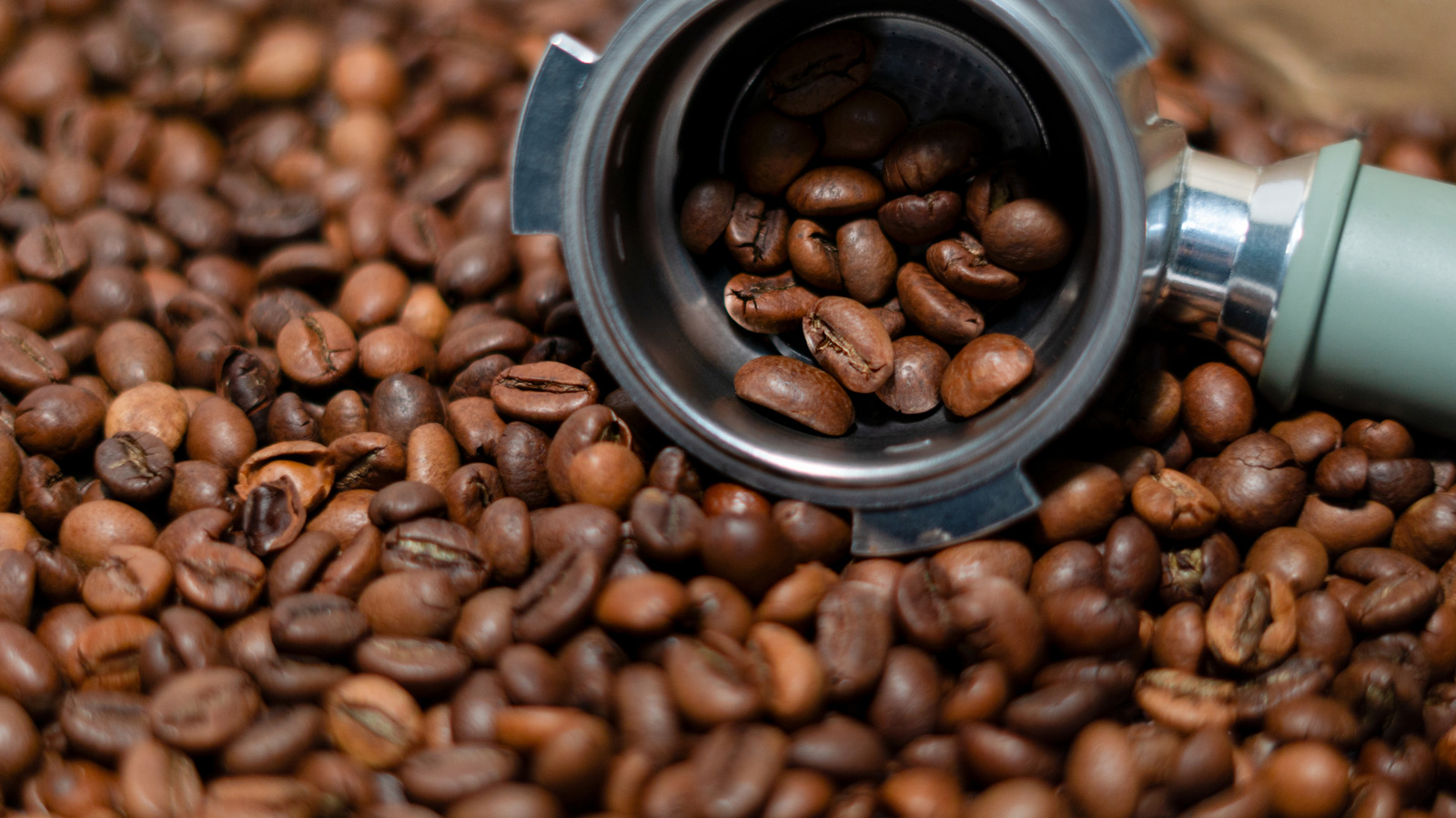
For a lot of consumers, this is true. The shelves of your local market are stocked with bags of different types of coffee roasts, and any café you frequent likely has a long list of different types of coffee drinks that you can order, but for the most part the actual species of coffee that you buy is not part of the equation.
Coffee
fromTasting Table
2 months agoWhy Quality Matters More When You're Making Iced Coffee With Instant Coffee - Tasting Table
Iced coffee is a morning must for most people. However, those regular trips to Starbucks, your favorite local coffee shop, or even making it from pricey beans at home may not be doing your wallet any favors. Luckily, you don't have to cut iced coffee out of your life cold turkey to save a couple of bucks; you can just switch to a thriftier and more convenient alternative: instant coffee.
Coffee
Coffee
fromDaily Coffee News by Roast Magazine
1 month agoSpin the Wheel at Counter Culture Coffee's New Brewing Competition Brewlette
Counter Culture Coffee launches Brewlette, a free regional manual-brewing competition using randomized TDS targets and blind taste judging to broaden participation and teach TDS.
fromTasting Table
2 months agoAs A Former Barista, These Are My Favorite Coffee Shops In Denver - Tasting Table
For me, cafes have long represented more than just necessary fuel to start the day. They are a place to relax, create, and connect, whether that be to yourself, the local environment, or friends. As a food scientist and professional baker who's worked as a barista, good coffee and pastries are also undoubtedly important - don't get me wrong. The best cafes not only invite you in; they invite you to stay.
Coffee
fromTasting Table
2 months agoThe 13 Worst Coffee Creamers We've Ever Tried - Tasting Table
Going out for coffee every day can be pricey, which is why we usually stick to making our own coffee at home. That's easy to do if you like simple, black coffee, but it can be trickier to pull it off if you like more flavor in your cup. You could spend hours trying to learn how to make viral TikTok coffee drinks, or you could just snag yourself a good creamer from the grocery store for instant flavor and creaminess in your cup.
Coffee
Coffee
fromIndependent
2 months agoThe supermarket ground coffee taste test - 'A surprisingly good coffee for the price - but it won't excite a coffee snob'
Switch takeaway coffee to a sustainable at-home option using a cafetiere or French press for great coffee without a fancy machine or major investment.
fromwww.theguardian.com
1 month agoFrothing over: the coffee foams and indulgent' drinks keeping Australian cafes afloat
Coffee brimming with lemon myrtle cream. Matcha banked with strawberry-lychee foam. Cold brew with choc-orange froth thick enough to stuff a pillow. Every caffeinated drink I've ordered in Sydney recently has the appearance of a generously frosted cake. It's a trend you'll see or sip across Australia, from Toasted Carine's iced latte with maple cold foam in Perth to Le Bajo's chilled oolong tea with raspberry cream in Melbourne.
Coffee
fromDaily Coffee News by Roast Magazine
1 month agoWeekly Coffee News: 'Room For Cream' Series + New U.S. Coffee Champions
Welcome to DCN's Weekly Coffee News! Subscribe here for all the latest coffee industry news. Also, check out the latest career opportunities at CoffeeIndustryJobs.com. "Room for Cream" Coffee Docuseries Launches on YouTube Filmmaker and performer Grant Garry has launched Room for Cream, an unscripted documentary web series framed around human connection and coffee, with episodes filmed at Pasadena's Jones Coffee Roasters and on farms in Guatemala. New episodes are releasing weekly on Grant Garry's YouTube channel.
Coffee
fromDaily Coffee News by Roast Magazine
1 month agoPassenger Coffee Releases Coffee Harvested 10 Years Ago
In a move that challenges both quality control and marketing norms in specialty coffee, Pennsylvania-based roaster Passenger Coffee is releasing a high-end coffee harvested 10 years ago. The company described this week's release of a Kenya Kiriani Peaberry from the 2016 harvest - frozen as green coffee at peak freshness - as "proof of concept" for its long-term green coffee freezing program.
Coffee
fromTasting Table
2 months agoHow To Keep Ground Coffee Fresh - Tasting Table
Ideally, you should use your coffee right away after grinding, as ground coffee starts to go stale faster than you'd think. "If using pre-ground coffee, it should be consumed within two to three days for the best flavor. After that, much of the flavor complexity and compounds will fade," Chan explained. While you might be able to extend that an another week or two, don't forget: the refrigerator isn't a good long term option for storing coffee.
Coffee
fromDaily Coffee News by Roast Magazine
2 months agoEthiopia Study Identifies Key Variables Affecting Arabica Production
A decade of farm-level data from Ethiopia's Gedeo Zone suggests coffee quality and yield are not dictated by a single factor such as altitude. Instead, the strongest quality signals may be traced back to multiple related factors affecting soil health, with results varying by micro-region. The study reinforces commonly held best practices in sustainable agricultural land management - such as the inclusion of shade - while rejecting the idea of a one-size-fits-all playbook for different growing areas.
Coffee
[ Load more ]