#cold-climate-cultivation
#cold-climate-cultivation
[ follow ]
#climate-change #gardening #plant-care #indoor-gardening #crop-management #agriculture #greenland #alaska
Canada news
fromwww.theguardian.com
2 weeks agoCanada wants to build up its long-neglected Arctic. The hard question is how
Canada is investing in Arctic infrastructure including roads and ports to develop mining potential, strengthen sovereignty, and counter Trump administration pressures through a nation-building initiative.
Skiing
fromBusiness Insider
3 weeks agoThe Arctic is stress-testing US Marines and their HIMARS in the most brutal conditions
US Marines train to operate HIMARS rocket artillery systems in Arctic Norway to develop combat capabilities for frozen battlefield conditions that cannot be replicated in North Carolina.
fromTasting Table
1 week agoStop Starting Your Indoor Vegetable Seeds Too Early: Here's The Timing Rule Of Thumb To Go By - Tasting Table
Seedlings are ambitious and will germinate and start growing once pressed into damp soil, shooting toward the nearest light source. However, if they remain in small containers without natural light, they can become root-bound and leggy, eventually collapsing under their own weight.
Agriculture
fromWIRED
1 month agoThe Data Centers Have Arrived at the Edge of the Arctic Circle
The facility once produced paper, the raw material of the newspaper information age. Now, Borlänge will produce the raw material for AI and the next information age. This declaration by EcoDataCenter's CEO Peter Michelson symbolizes the transformation of industrial sites into critical infrastructure for artificial intelligence development and deployment.
European startups
fromTasting Table
1 week agoStill Buying Seeds For Your Vegetable Garden? Check Out Local Libraries Instead - Here's Why - Tasting Table
Many public libraries, as well as some universities and conservation groups, have seed libraries available for anyone who wants to use them. Libraries will require you to have a valid card, while schools and conservation groups may have different requirements depending on where you are.
Agriculture
Environment
fromwww.dw.com
1 month agoDo heat pumps work in cold weather?
Heat pumps function effectively in extreme cold temperatures, with refrigerants operating below minus 40°C and air-source models working reliably at minus 25°C, making them viable alternatives to fossil fuel heating systems even in harsh climates.
fromEarth911
1 week agoSeed, Sprout, Spectacular: Tips for Starting Your Garden From Scratch
Starting plants from seed extends your relationship with the garden, gives you more control over seed sourcing, and saves real money compared to buying nursery starts, sometimes as much as 90% per plant.
Agriculture
Agriculture
fromTasting Table
2 weeks agoCan You Grow A Garden From Grocery Store Produce Seeds? - Tasting Table
Growing vegetables from store-bought seeds is possible but results vary based on produce type, growing method, and post-harvest treatment, with hybrid plants producing different crops than their parent plants.
Canada news
fromRealagriculture
1 month agoA clean pass under pressure: Why farmers need to take the next shift on plant breeding
Canadian agricultural research faces structural funding pressures and requires a new, diversified research strategy to preserve critical knowledge, regain lost ground, and compete globally.
fromwww.theguardian.com
2 months ago'Long johns for my fingers': what people are wearing in the world's coldest places
If anyone knows exactly what to wear to stay warm in cold weather, it's the people who live in these places. So I asked seven writers who reside in some of the coldest cities on Earth to recommend the gear they swear by. One writer in Mongolia wore a pair of foot warmers on a nine-day dog sledding adventure. Another in Winnipeg, Canada, shared a pair of gloves she's dubbed long johns for your fingers.
Fashion & style
fromThe Atlantic
1 month agoThe Blind Spot at the Top of the World
He had flown in from Mar-a-Lago and, he told me, was there to observe. The next day, he watched as Åsa Rennermalm, a Rutgers University professor who studies polar regions, sat onstage with European foreign ministers and spoke out against cuts to U.S. science funding. "A leading US Arctic scientist is on stage absolutely ripping her country to the delight of the audience," Dans wrote on X. "Embarassing." He punctuated his post with an American-flag emoji.
US politics
Agriculture
fromRealagriculture
3 weeks agoWheat Pete's Word, March 11: The next generation of ag, ponded wheat, potash power, and a rust watch
Ontario winter wheat shows strong spring conditions with minimal ponding, while high-tillering wheat in Idaho presents lodging risks and leaf rust emerges unexpectedly in the southern U.S.
Science
fromenglish.elpais.com
1 month agoA bacterium frozen 5,000 years ago has been found capable of standing up to super-pathogens
A 5,000-year-old Psychrobacter strain recovered from Romanian cave ice displays resistance to multiple modern antibiotics and produces compounds that inhibit other, hard-to-treat pathogens.
fromBusiness Insider
2 months agoJust surviving the Arctic could be half the battle for NATO in a future war
SODANKYLÄ, Finland - Deep snow. Fleeting daylight. Wet clothes. Frozen weapons. Sub-zero temperatures. NATO soldiers training in Arctic warfare are learning that in a future conflict, fighting the enemy may be only half the battle. The other would be surviving the region's harsh winters. "The environment can be hard for someone who is not used to it," said Finnish Lt. Laura Lähdekorpi, bundled up and dressed in camouflage to blend in with the snow.
Careers
fromSnowBrains
1 month agoAlaska, A Place Known for Massive Snow Totals, Records Snowiest January in Recorded History - SnowBrains
Recently, Anchorage, Alaska's largest city with nearly 400,000 residents, has just recorded its snowiest January on record. Tucked in between the mighty Cook Inlet and pushed right up against the Chugach Mountains, Anchorage sits in prime location for some serious snow totals. Moisture from pacific storms builds up over the inlet, and thanks to orographic lift caused by the mountains, forces that moisture to drop over Anchorage. Thanks to Alaska's northernly location, that moisture often falls in the form of snow.
Snowboarding
fromBusiness Matters
2 months agoSafety Guidelines for Handling Ultra-Low Temperature Freezers
These freezers operate under extreme thermal and electrical conditions. Exposure to subzero environments, high-powered compressors, and sensitive control systems creates risks that demand structured procedures. Facilities that rely on equipment like a freezer -40C, must apply disciplined handling standards to protect both staff and stored materials.
Public health
US news
fromBusiness Insider
1 month agoI was born and raised in Alaska. People are often surprised to learn about what my life there was really like.
Alaska features both extensive urban life and wilderness, with frequent flying and common small-plane ownership, and persistent misconceptions about daily life.

fromwww.npr.org
2 months agoFAQ: What is wind chill, and why is it dangerous?
Wind chill is a measure of how quickly bodies lose heat when you combine low temperatures with high winds. And wind chill conditions can be dangerous. "The stronger the winds [and] the colder it is, the more likely you are to develop frostbite in a short amount of time or hypothermia," says Jessica Lee of the National Weather Service's Weather Prediction Center.
Public health
Agriculture
fromRealagriculture
3 weeks agoWheat School: What long-term weather trends say about the future of wheat production
Rising nighttime temperatures in the Northern Plains and Western Canada reduce wheat yield potential despite increased CO2 benefits, though improved genetics currently offset climate impacts.
fromwww.cbc.ca
2 months agoBrace for frigid weather Thursday night, Torontonians told in yellow cold warning | CBC News
Torontonians are being told to bundle up and brace for frigid temperatures Thursday night now that the city has been placed under a yellow cold warning. Wind chill values will make it feel like 30 to 35 Thursday night into early Friday morning, Environment Canada said in the warning. "Cover up," the federal weather agency said. "Frostbite can develop within minutes on exposed skin, especially with wind chill."
Canada news
fromBoston.com
1 month agoAsk the Gardener: How snow cover can benefit your garden come spring
As an adult, my relationship with snow has changed. I find great beauty in an expanse of unbroken snow, the way drifts reflect wind patterns, the stems and seedheads of last year's perennials still standing proud, and the dampened silence that accompanies a snowstorm. I delight in seeing the intrepid and ever cheerful black-capped chickadee out and about during and immediately after snowfall, determined not to let the flakes affect its outlook.
Environment
Canada news
fromArchitectural Digest
1 month agoIn Greenland, Design Meets Glaciers, Gravesites, and a Galactic Ocean
Modern expedition cruising makes remote Arctic sites like Beechey Island and Franklin’s wrecks accessible, blending comfortable travel with encounters of historical tragedy and extreme conditions.
fromwww.scientificamerican.com
1 month agoAncient seafarers helped shape Arctic ecosystems
In the pristine High Arctic sits the Kitsissut island cluster, also known as the Carey Islands, nestled between northwest Greenland and northeast Canada. The surrounding seas are perilous, and traveling there is difficult even with modern boats. But new archaeological evidence suggests ancient humans managed to sail to the islands, too. Early settlers lived on the islands between 4,500 and 2,700 years ago.
Science
Agriculture
fromRealagriculture
1 month agoRealAg Radio: Meteorological spring, sulphur management, and new variety considerations, Mar 2, 2026
Agronomic Monday covers meteorological spring, maple syrup season, DON risk in corn, sulphur management, wheat variety considerations, and risk management strategies for farm operations.
fromFuturism
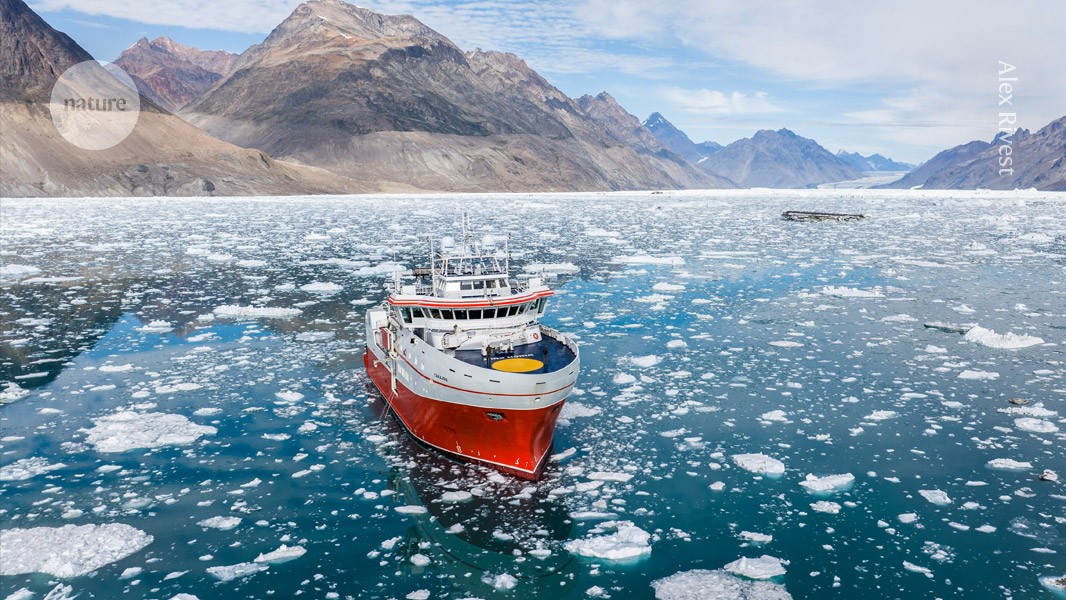
2 months agoScientists Scramble to Set Up Outpost on Rapidly Melting Glacier
During a rare break in the weather, the NYT says helicopters airlifted the researchers and their equipment 19 miles to their planned outpost site on top of the glacier. The two helicopters involved flew a dozen total loads of cargo from the icebreaker ship to the camp site, while glacial scientists and engineers erected a small tent city, complete with bathrooms, generators, and a mess hall.
Environment
fromwww.theguardian.com
1 month agoWhen it comes to preparing seeds for your garden, you'll reap what you sow
To an unimaginable eye, a seed looks inert. Yet they are packed with genetic information and biological processes poised to unfold. All it takes is the right configuration of signals and stimuli from the environment to let them know it's time to dare to grow.
Agriculture
fromModern Farmer
1 month agoYour February Soil Checklist: What to Do Now for Healthy Soil
The term "soil fatigue" or exhaustion refers to the condition that soil profiles take on when they've been heavily monocropped and untended. This soil is devoid of the microbial content that offers plants bioavailable food. It lacks the fungal and bacterial organisms that interact with plant nutrients.
Agriculture
fromwww.theguardian.com
2 months agoWe study glaciers. Artificial glaciers' and other tech may halt their total collapse | Brent Minchew and Colin Meyer
Sea levels are rising faster than at any point in human history, and for every foot that waters rise, 100 million people lose their homes. At current projections, that means about 300 million people will be forced to move in the decades to come, along with the social and political conflict as people migrate inland. Despite this looming crisis, the world still lacks specific, reliable forecasts
Environment
Agriculture
fromRealagriculture
1 month agoWheat Pete's Word, Feb 25: Compaction consequences, manure on snow warnings, and S surprises
Small management details like manure timing, sulphur application, and soil compaction create multi-year consequences affecting farm productivity and environmental outcomes.
Environment
fromwww.mercurynews.com
2 months agoMeteorologists blame a stretched polar vortex, moisture, lack of sea ice for dangerous winter blast
Warm Arctic waters and cold land are elongating the polar vortex, bringing subzero temperatures, heavy snow, and crippling ice across much of the United States.
fromWIRED
2 months agoUnderwear Is Emergency Gear! How to Prep for This Weekend's Extreme Winter Weather
The Winter storm has no name. But a storm is coming, An extreme winter weather system is expected to move eastward from New Mexico to Georgia and Maine beginning Friday, and affect anywhere from a third to half the country's population by the end of the weekend. This will likely bring snow, ice accumulation, and biting cold to parts of the country unaccustomed to harsh winter weather.
Environment
fromwww.scientificamerican.com
2 months agoSvalbard's polar bears are showing remarkable resilience to climate change
Polar bears are the poster children of climate changeand for good reason. These giant bears hunt, mate and spend their days hanging out on Arctic sea ice, which is rapidly disappearing as the climate warms. But some polar bears, it seems, are far more resilient than we realized: new research suggests that in one region, the bears are adapting to the declining sea ice.
Environment
fromTasting Table
2 months ago15 Fruits And Vegetables You Can Start Growing In Late Winter - Tasting Table
Late winter is when keen gardeners can get a little restless. The weather is still cold, and spring still feels far away. Thankfully, you don't need to wait until the weather warms to start your growing season. There are plenty of fruits and vegetables that can be started in the late winter, ready for a bountiful harvest in the coming months. Each of these plants needs unique care in order to thrive, but thankfully, I can guide you through exactly the right steps.
fromTasting Table
2 months agoRadishes Actually Grow Faster Indoors During The Winter Than You'd Expect - Tasting Table
Growing your own vegetables is a fun and rewarding activity. Not only will you ensure they are at their freshest when you eat them, but you will also know how they are grown, especially if you care about pesticides and other harmful chemicals found in commercially grown produce. If you don't have an outdoor garden space, you can still grow some tasty veggies indoors - and some of the simplest (and fastest-growing) are radishes.
Agriculture
Agriculture
fromRealagriculture
2 months agoWheat Pete's Word, Jan 28, 2026: Yield surprises, frost seeding tips, and the truth about nutrient ratios
Spring approaches despite cold; agronomy updates cover yield results, soil compaction, nutrient management, GMO adoption in Asia, forage performance, and nitrogen efficiency reassessment.
fromTasting Table
2 months agoWhen To Plant Peppers For The Biggest Harvest: It Depends On Your Zip Code - Tasting Table
The U.S. Department of Agriculture published the Plant Hardiness Zone Map, which breaks the country into 13 zones that help determine the best time of year to get started on various fruits and vegetables, such as peppers. Each zone varies by 10 degrees, and each subzone varies by five degrees, even if a single state can technically be broken into several zones.
Agriculture
fromTasting Table
2 months agoHow To Grow Arugula In Winter Without Deep Pots Or Garden Beds - Tasting Table
If you're cold, your outdoor plants probably are too - and it's time to bring those tender leafy greens indoors. Wintertime container gardening can be a satisfying, cost-effective way to incorporate more leafy green veggies into your daily diet, and few fast-growing veggies are as suited to the task as arugula. These seeds grow happily in your kitchen, thriving in countertop gardens and shallow pots even when the annual chill sets in.
Agriculture
[ Load more ]