Environment
fromFast Company
2 days agoCritical minerals are required to power AI data center demand
AI is driving unprecedented demand for energy storage solutions, particularly batteries, to support data centers and ensure grid stability.
In late 2025, the United States shocked the world by suspending global health aid, leading experts to predict 700,000 additional deaths annually, primarily among children. This prompted the US to propose unusual bilateral health agreements with developing countries, which have drawn criticism for being exploitative.
"This is truly one of the most iconic landscapes in America," said Chance Wilcox, California desert program manager for the National Parks Conservation Assn., as he stood atop a rocky slope within the project footprint.
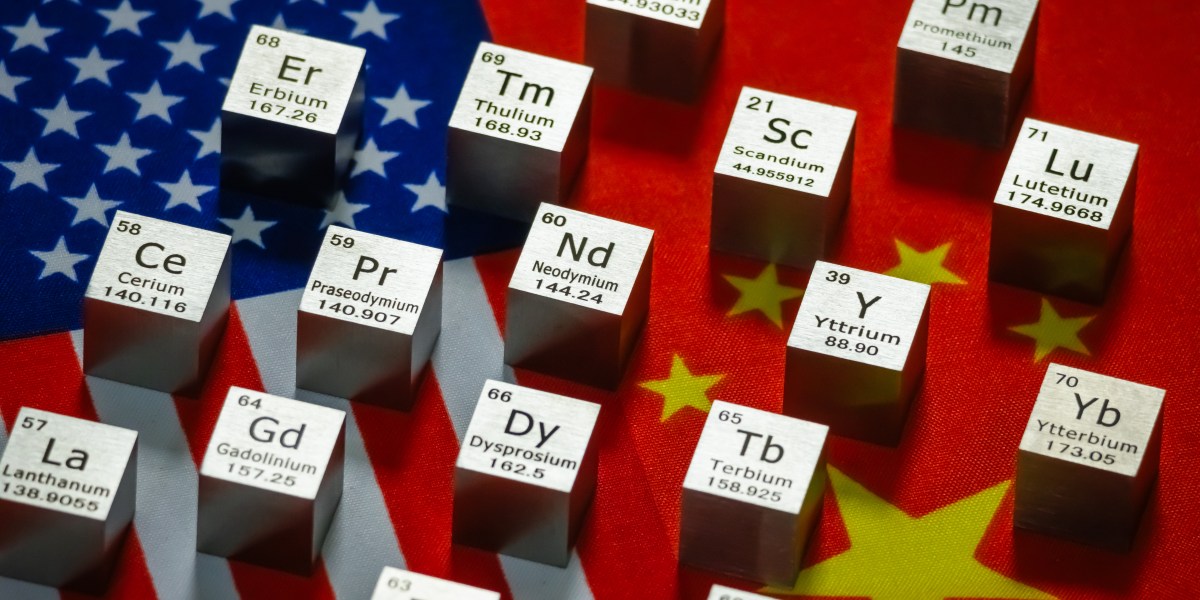
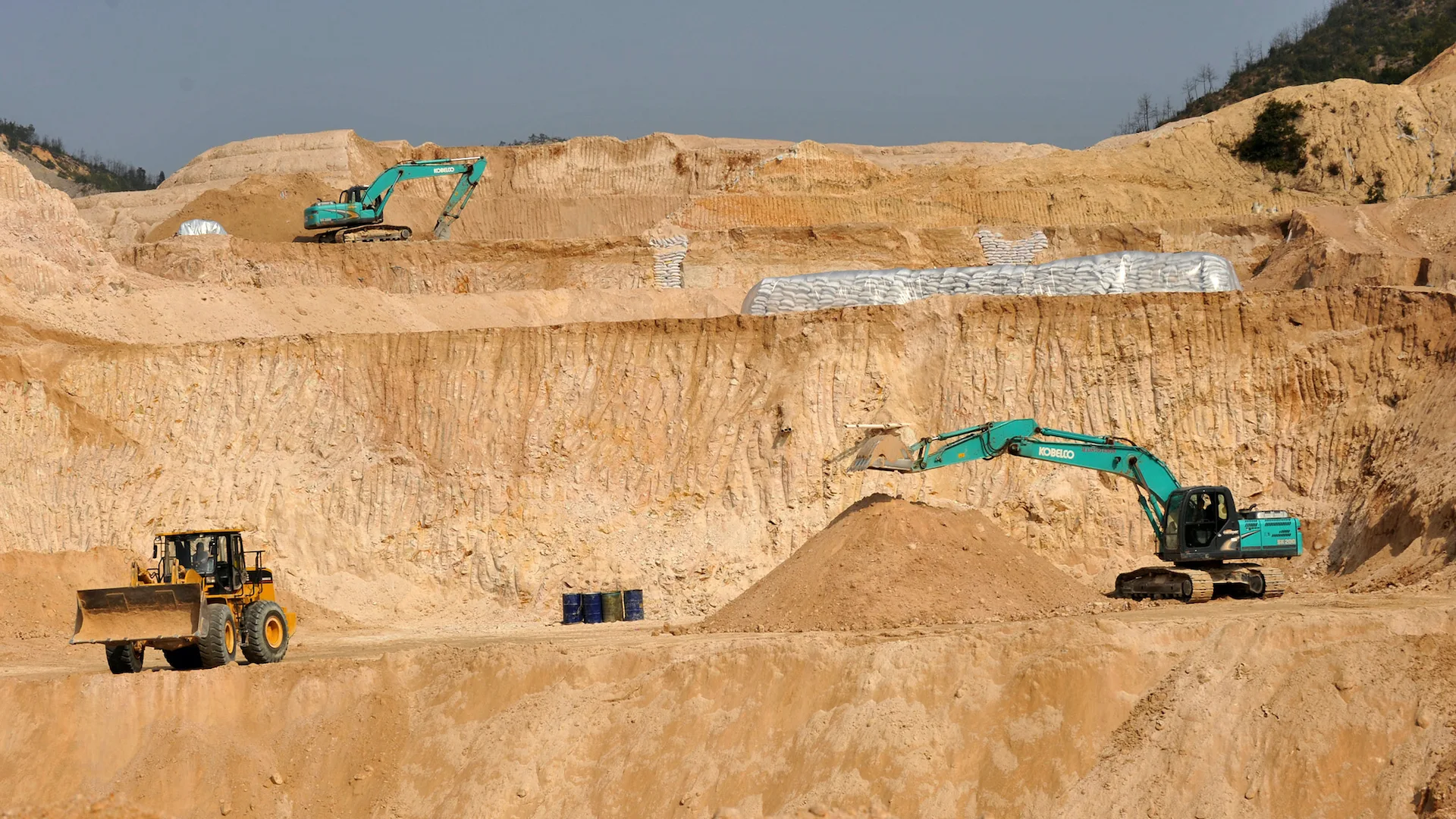
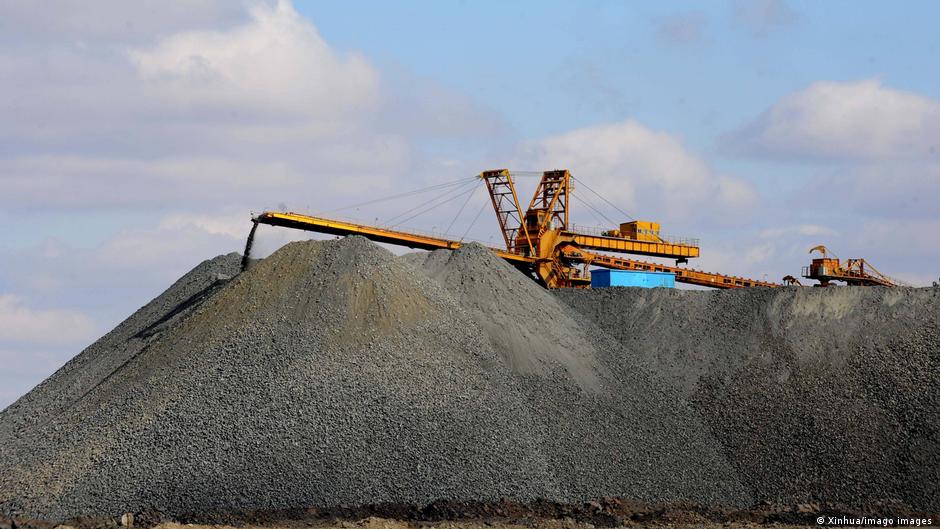
China controls the overwhelming majority of global rare earth processing capacity, a figure that has remained structurally stable for nearly two decades despite sustained Western policy attention. The problem has never been geology. It's always been industrial chemistry at scale.
Dozens of Chinese men were getting off a bus and heading into a pair of squat two-story buildings at the end of the road. Oliveira assumed the outsiders had some type of meeting and would soon be on their way. She'd been inside the structures, painted dark green, and knew they weren't nearly big enough to house them all. But one day turned to the next, and soon Oliveira realized her new neighbors - 56 itinerant Chinese laborers, none of whom spoke any Portuguese - were here to stay.
We are told that the country is rich in oil. But I don't see that wealth in my daily life. Look at Pointe-Noire, formerly nicknamed as Ponton la Belle [Beautiful Pointe-Noire]. Today, the city is unrecognisable. Around the Grand Marche, the main roads are potholed, and when it rains, the streets get flooded, making it almost impossible to drive.
Korea Zinc, which it described as one of the world's largest smelters, is in talks with major US technology firms to recycle data center waste and extract rare earth. The move comes almost one year to the day after China announced immediate export controls on seven more rare earth elements critical to enterprise IT hardware manufacturing.
It's a little-known fact that Columbia University, in Manhattan, was home to the first mining school in America-the School of Mines-founded in 1864. For the past three decades, the university's program has been mothballed. Parts of its curriculum were subsumed into the more fashionable subjects of earth and environmental engineering. But next fall, Columbia University will offer a bachelor of science degree in mining engineering once again.
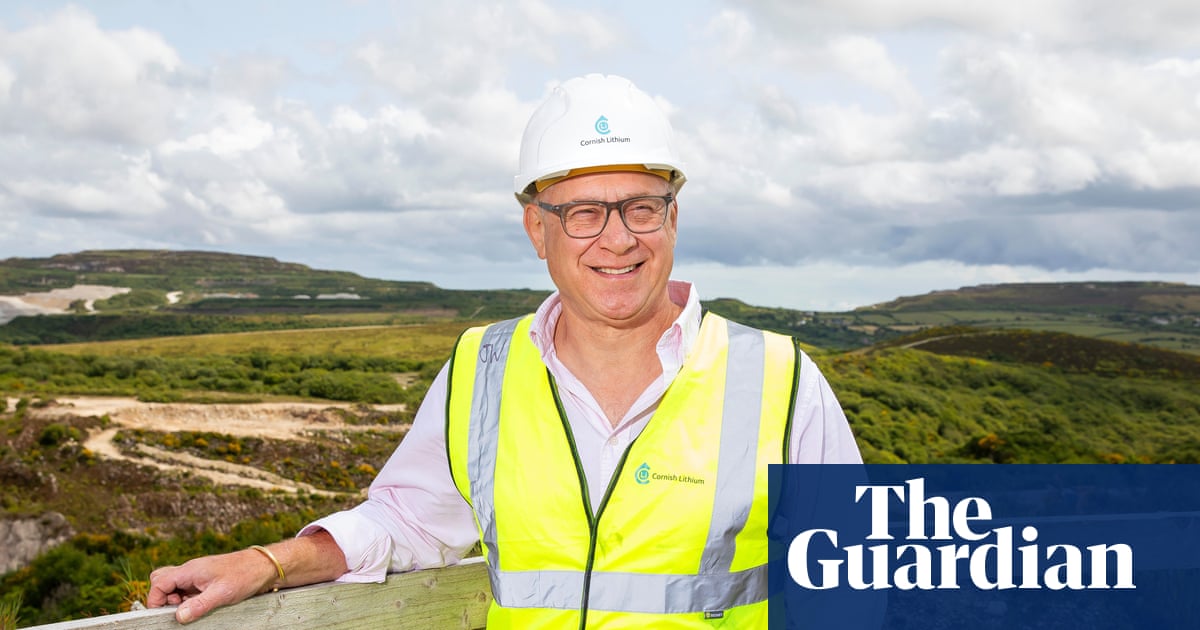
Demand for lithium is fueling a modern-day gold rush. The industries that define our modern world, like artifiial intelligence (AI), robotics, EVs, and energy, all depend on lithium, which is used to make batteries and other energy storage systems. Microsoft CEO, Satya Nadella believes that the AI race will be won based on energy costs, not on who has the best models.That's why lithium demand is projected to grow a staggering 5X by 2040.
However, a study by financial analyst S&P Global estimates that worldwide production of the metal will peak in 2030 at 33 million metric tons, while demand is forecast to continue growing to reach 42 million metric tons by 2040 - a 50 percent increase from current levels, creating a supply shortfall of about 10 million metric tons without meaningful expansion.
The team, from the Chinese Academy of Sciences and Beijing Institute of Technology, recently published their findings in Nature Communications. According to their research, the process not only avoids conventional leaching chemicals and extreme heat to extract lithium from old batteries, but it also uses carbon dioxide in what the authors call a sequestration step, and turns other battery transition metals into new catalysts - with CO₂-rich water doing most of the chemical work.
Amazon's data centers will reportedly utilize copper from a mine in Arizona that's leaching metal from ores using microorganisms, the Wall Street Journal reports. Amazon Web Services will be the first customer for Nuton Technologies, which developed the "bioleaching" technology. AWS will also be providing "cloud-based data and analytics support," helping to optimize Nuton's mining process. Nuton's bioleaching method uses naturally-occurring microorganisms to extract copper from low-grade ore that would otherwise be too expensive to mine,