#comfortdelgro
#comfortdelgro
[ follow ]
#autonomous-vehicles #public-transit #robotaxis #uber #electric-buses #waymo #electric-vehicles #london-transport






#electric-buses
Alternative transportation
fromSustainable Bus
2 weeks agoGlobal investment firm KKR backs Allfleet and PMI Electro with up to $310 million for e-bus scale-up in India - Sustainable Bus
KKR-managed funds commit up to $310 million to Allfleet and PMI Electro to expand India's electric bus platform and manufacturing capabilities.
Alternative transportation
fromSustainable Bus
3 weeks agoMTC deploys Switch Mobility EiV 12 buses for new premium electric service in Chennai - Sustainable Bus
MTC Chennai launched MTC Gold, a premium electric bus service with reserved seating, air-conditioning, and passenger amenities on selected city corridors.
Alternative transportation
fromSustainable Bus
2 weeks agoGlobal investment firm KKR backs Allfleet and PMI Electro with up to $310 million for e-bus scale-up in India - Sustainable Bus
KKR-managed funds commit up to $310 million to Allfleet and PMI Electro to expand India's electric bus platform and manufacturing capabilities.
Alternative transportation
fromSustainable Bus
3 weeks agoMTC deploys Switch Mobility EiV 12 buses for new premium electric service in Chennai - Sustainable Bus
MTC Chennai launched MTC Gold, a premium electric bus service with reserved seating, air-conditioning, and passenger amenities on selected city corridors.
fromEngadget
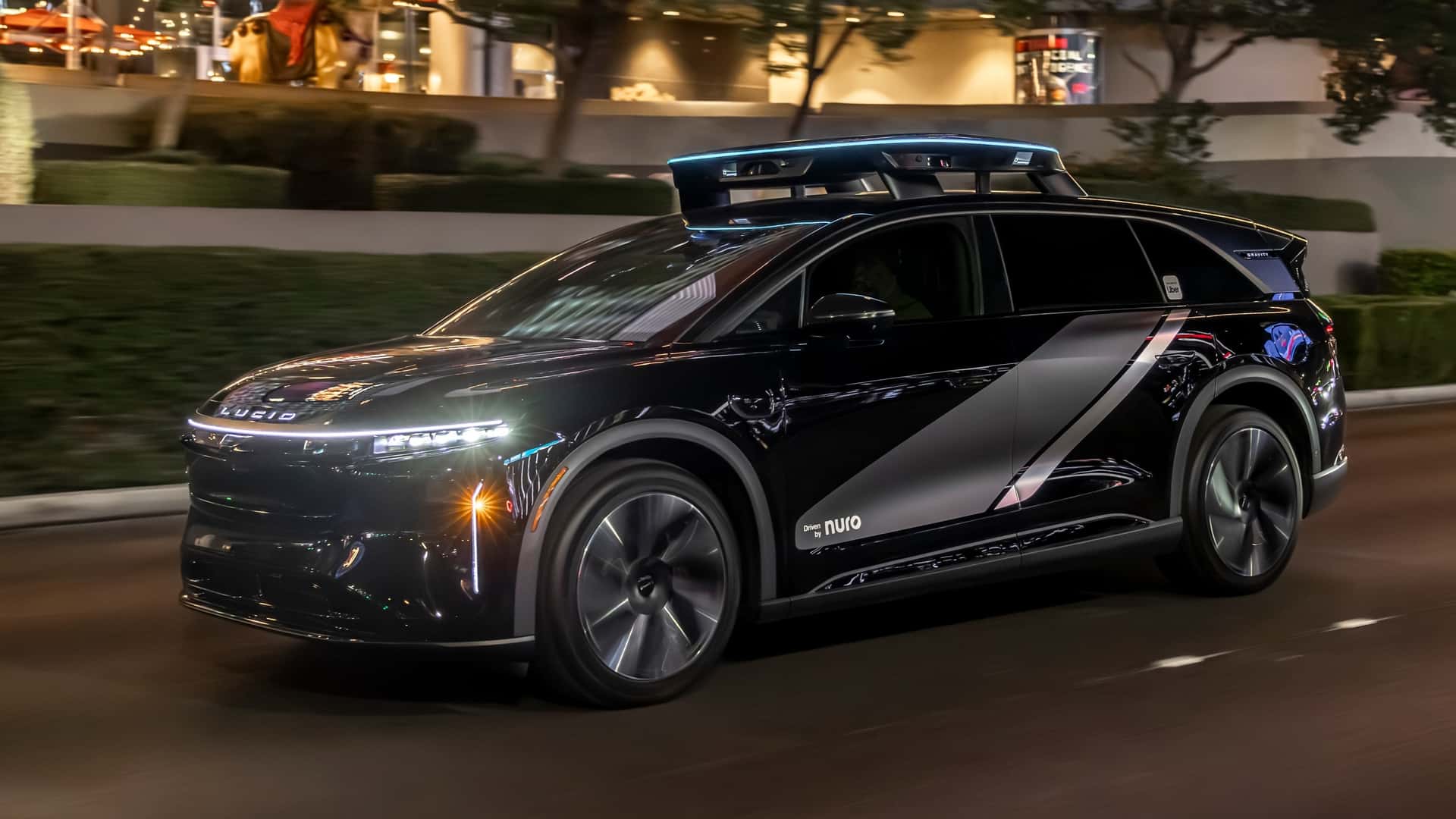
4 days agoDoorDash partners with Rivian spinoff Also for autonomous delivery vehicles
DoorDash's investment in Also aims to develop and accelerate the deployment of autonomous delivery at scale, focusing on areas not yet fully solved for, including intersections of roadways and bike lanes.
Toronto startup
Relationships
fromBusiness Insider
2 weeks agoWe went from being a 2-car household to just sharing one. So far, the benefits have outweighed the inconvenience.
Sharing a car after totaling one vehicle improved communication, reduced expenses, and preserved independence while helping save money for major life goals.
#autonomous-vehicles


fromFortune
1 month agoMiscellaneous
Self-driving taxis hit London, a city with such complex streets that it has a 'Knowledge' test that takes cabbies years to pass | Fortune
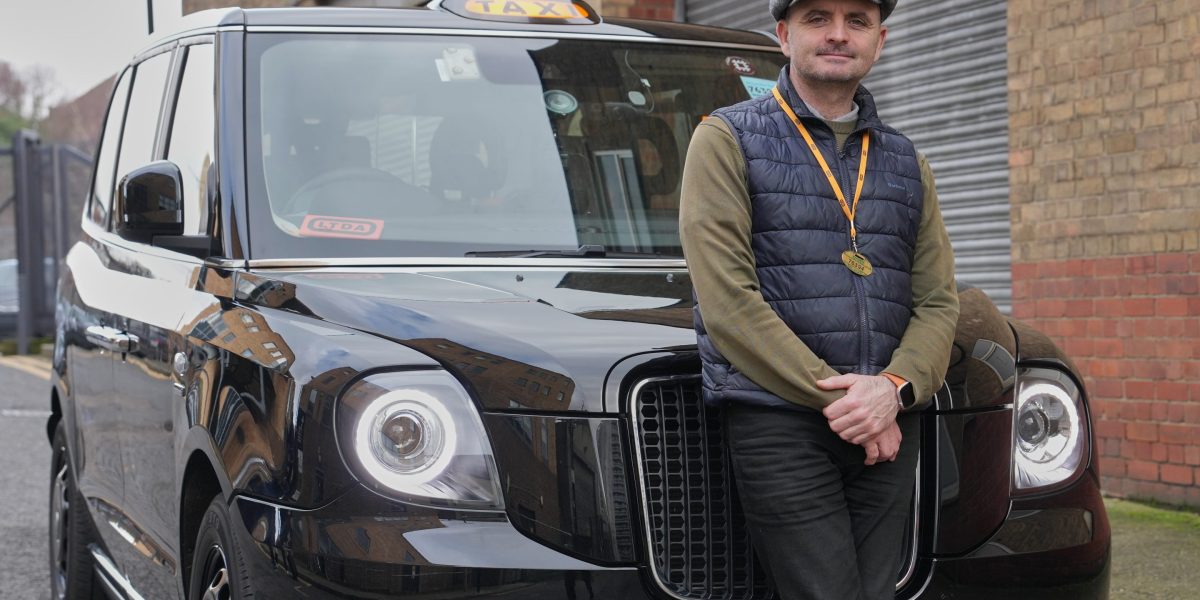
Autonomous robotaxis face major operational and cultural challenges navigating London's congested, irregular streets and widespread pedestrian behaviors, provoking resistance from black cab drivers.
Cars
fromwww.theguardian.com
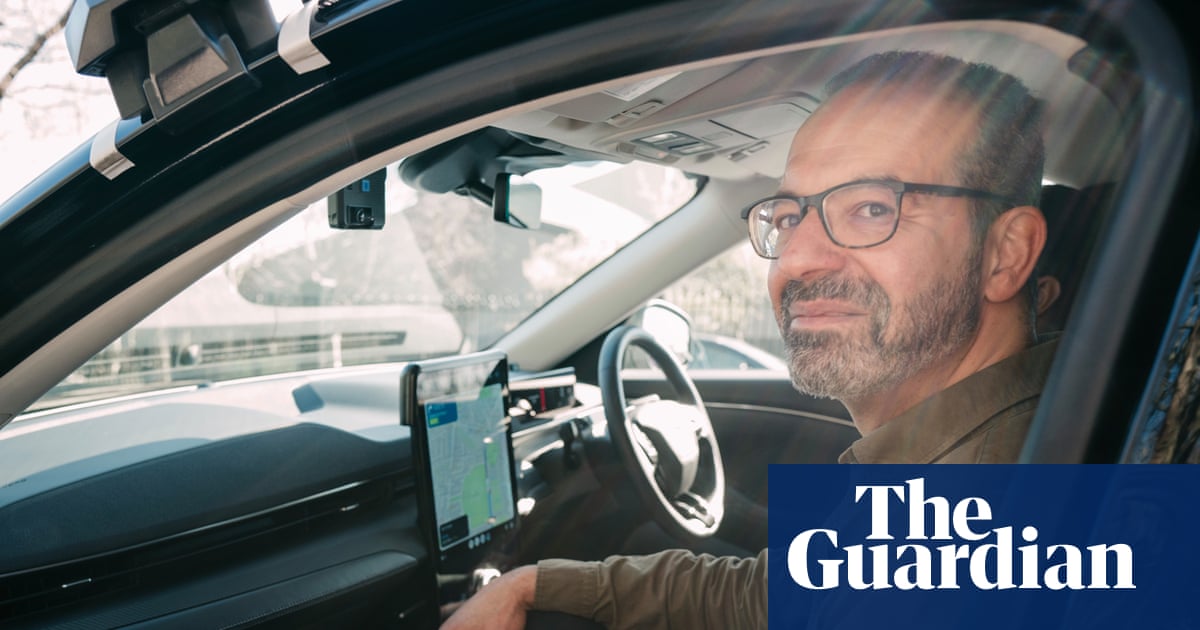
2 weeks agoWe don't tell the car what it should do': my ride in a self-driving taxi
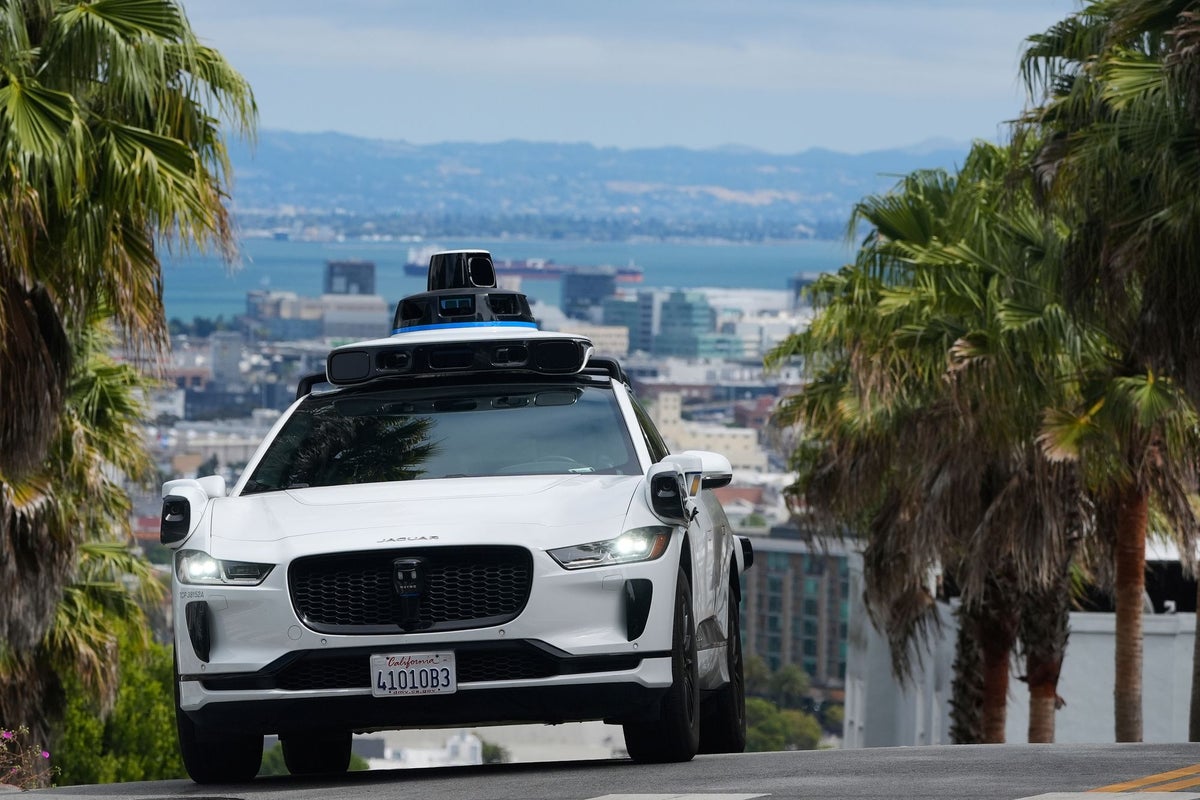
Wayve's self-driving technology successfully navigates London's complex urban environment, with robotaxis set to launch by end of 2025 following UK government approval under the Automated Vehicles Act.
Alternative transportation
fromSustainable Bus
4 days agoNew certified Ultrafabrics collections target durability and compliance in passenger transport interiors - Sustainable Bus
Ultrafabrics launches new certified collections for passenger transport, combining durability, aesthetics, and sustainability in high-performance upholstery fabrics.
Alternative transportation
fromSustainable Bus
6 days agoZero-emission buses move beyond cities: intercity transition in Sustainable Bus' session at BUS2BUS - Sustainable Bus
Electrification of intercity and coach segments in Europe is advancing, requiring new infrastructure and operational strategies for zero-emission mobility.
Toronto startup
fromTESLARATI
3 weeks agoTesla Cybercab ramps Robotaxi public street testing as vehicle enters mass production queue
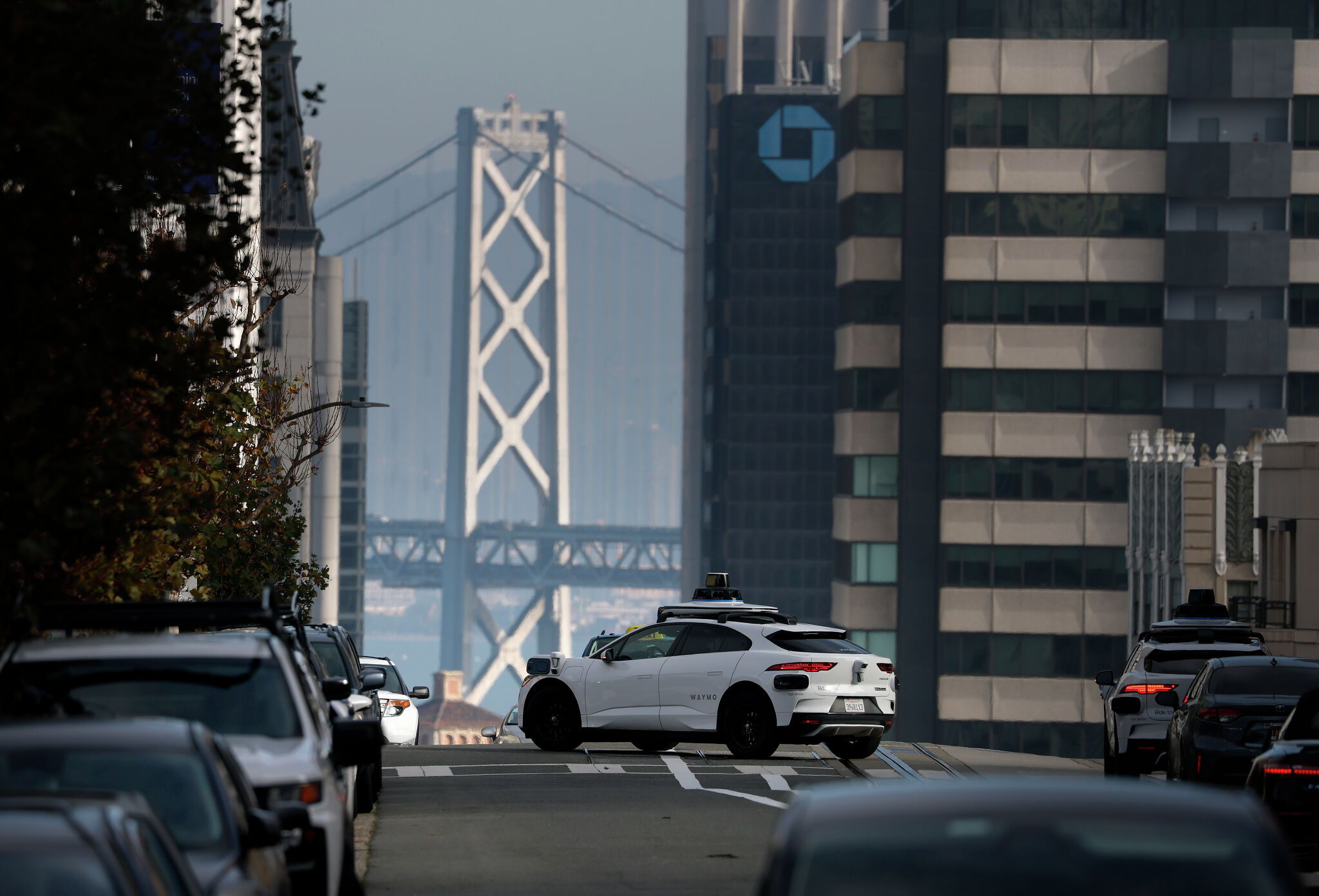
Tesla is significantly ramping Cybercab testing and validation at Gigafactory Texas and on public roads, with 25 units recently observed and production volume increasing in March ahead of mass production.
Alternative transportation
fromNature
2 weeks agoAffordable mobility for all: why we need smaller, cheaper electric vehicles
Low-speed electric vehicles offer affordable, practical decarbonization for underserved populations but remain overlooked due to bias toward expensive, high-tech solutions and nationalist trade policies.
fromTime Out London
2 months agoA new night bus between central and west London will launch this weekend
The N118 route will launch on Saturday January 17. It'll follow the same journey as the existing N18 bus, starting at Trafalgar Square and serving all the same stops up to Sudbury and Harrow Road station. From there, it'll turn off towards Ruislip station in Hillingdon, travelling via Whitton Avenue West, Sheridan Terrace, Pett's Hill, Alexandra Avenue, Eastcote Lane, Victoria Road and Pembroke Road.
UK news

fromwww.bbc.com
2 months agoCalls to withdraw fresh floating bus stop guidance
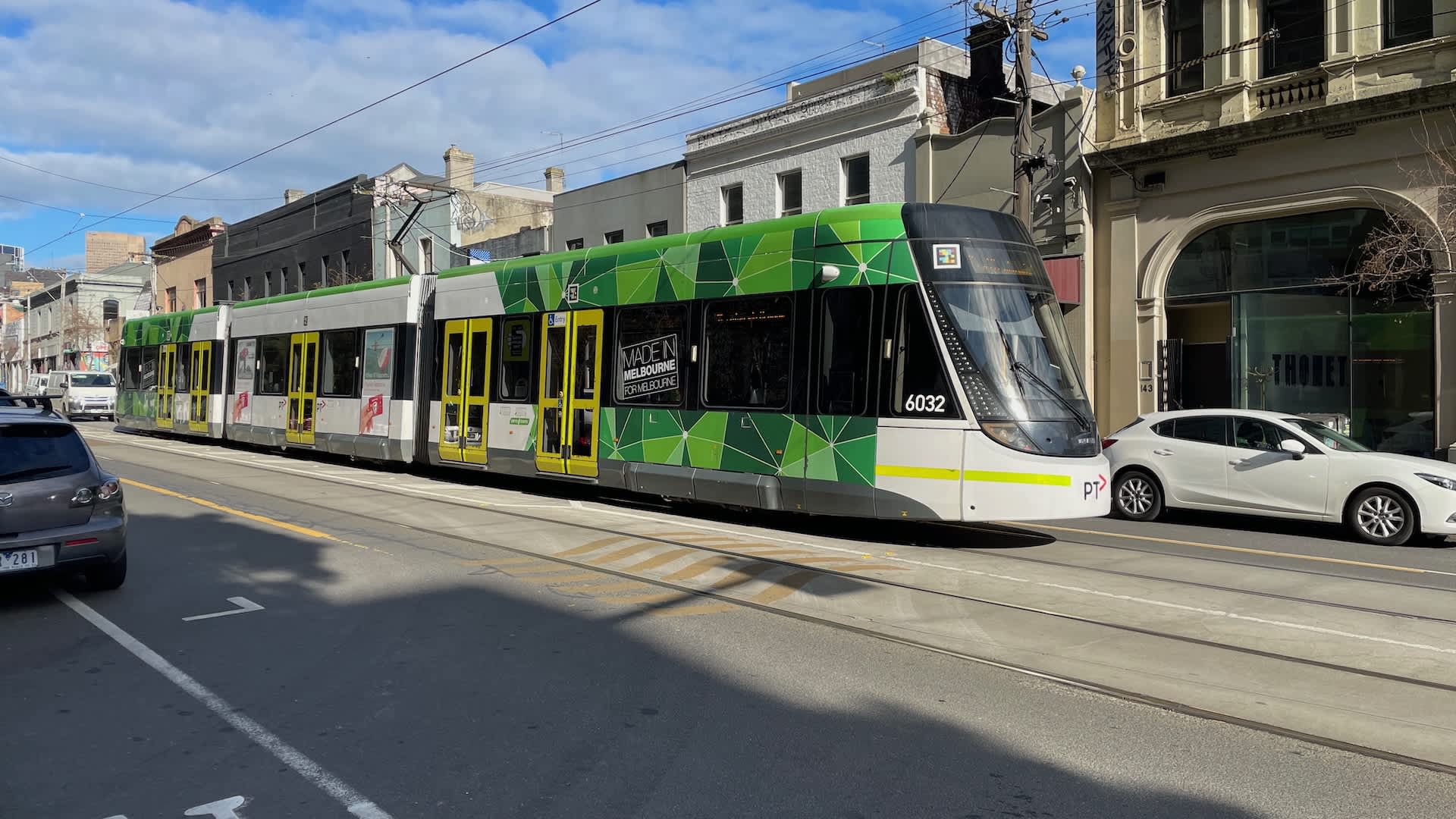
The design, which has a cycle lane between the stop and the kerb, is intended to allow bus passengers to get on and off safely while cyclists continue moving. Sarah Gayton, street access campaign co-ordinator at the National Federation of the Blind of the UK, said: "It does not address the concerns that blind and visually impaired people have and it's totally insulting to think that we'll accept this."
UK politics
fromSustainable Bus
1 month agoWashington State: Sound Transit to launch Renton Transit Center for double-decker electric buses - Sustainable Bus
The February 4, 2026 groundbreaking marks the start of construction of a relocated and rebuilt Renton Transit Center designed to serve Sound Transit's Stride S1 Bellevue-Burien line, local King County Metro services and the future RapidRide I Line, according to a press release issued by Sound Transit. This new Bus Rapid Transit 'Stride' line will truly knit our region together, bringing Renton the fast, reliable, and green transit service it has long deserved.
US news
fromBusiness Matters
1 month agoHow Smart Airport Taxi Solutions Improve Business Travel Efficiency for UK SMEs
The Hidden Cost of Poor Airport Transport Planning Missed pickups, last-minute cancellations, surge pricing, and unreliable availability can all disrupt carefully planned business schedules. Searching for a Taxi Near Me just hours before departure may work occasionally, but for executives heading to important meetings, uncertainty is not an option. Public transport delays, airport parking fees, fuel costs, and lost preparation time all add up. For SMEs managing tight budgets, these inefficiencies are more than inconvenient-they affect both financial performance and professional reputation.
Travel
fromSustainable Bus
1 month agoEvolution: the practical path to autonomous buses - Sustainable Bus
It's tempting to frame autonomous driving as a single leap. In public transport, adoption tends to be incremental - because the system is built for reliability, and new capabilities have to fit into daily operations without disrupting service. That is why a practical strategy is evolution, not revolution: introduce autonomy in a defined domain, learn safely in real operations, and expand capability step-by-step.
Artificial intelligence
SF politics
fromsfist.com
1 month agoHumpday Headlines: Tesla Drops Plans for Driverless Taxi Charging Station In SF
Multiple Bay Area developments include Tesla abandoning a driverless taxi project, CCA financial conflicts and bailout scrutiny, housing unaffordability, Epstein-related revelations, and law-enforcement updates.
Business
fromSustainable Bus
1 month agoMasabi acquires Passenger Technology Group, integrating passenger information technologies into its SaaS platform - Sustainable Bus
Masabi acquired Passenger Technology Group to integrate passenger information and ticketing technologies into its enterprise-grade SaaS fare collection platform.
fromSustainable Bus
4 weeks agoKonvekta to present CO-based thermal management systems for electric buses at mobility move 2026 - Sustainable Bus
Heating, cooling, and battery temperature control are among the biggest energy consumers in electric buses today - and thus have a direct impact on range, availability, and operating costs.
Alternative transportation
Alternative transportation
fromSan Jose Spotlight
1 month agoMallon: Six years later, speeding up San Jose transit is finally paying off - San Jose Spotlight
San Jose achieved a 20% increase in bus speeds through transit signal priority implementation, demonstrating that advocating for transit-first policies can produce measurable results.
fromThesanjoseblog
2 months agoNew Transportation Options Enhance Mobility in East San Jose
The Bay Wheels bikeshare program, operated by Lyft, expands into East San Jose this summer. This move links areas like Mayfair and Alum Rock to Downtown San Jose and the Berryessa BART Station, creating seamless routes for work, school, or leisure. Eligible residents can access an annual membership for just $5, with each ride costing $1, making it a practical choice for short trips that also encourage outdoor activity and reduce traffic congestion.
Environment
fromSustainable Bus
2 months agoAutonomous Systems: depot-first autonomy for smartbuses
For more than a decade, autonomous buses have been "almost ready." Demonstrations with safety drivers began around 2015, and ten years later, this is still largely what we see. The reason is not a lack of ambition - it is physics, safety, and economics. Autonomous buses on city streets are inherently difficult. They carry dozens of passengers, operate as heavy vehicles, and move through a chaotic urban environment.
Business
UK news
fromTime Out London
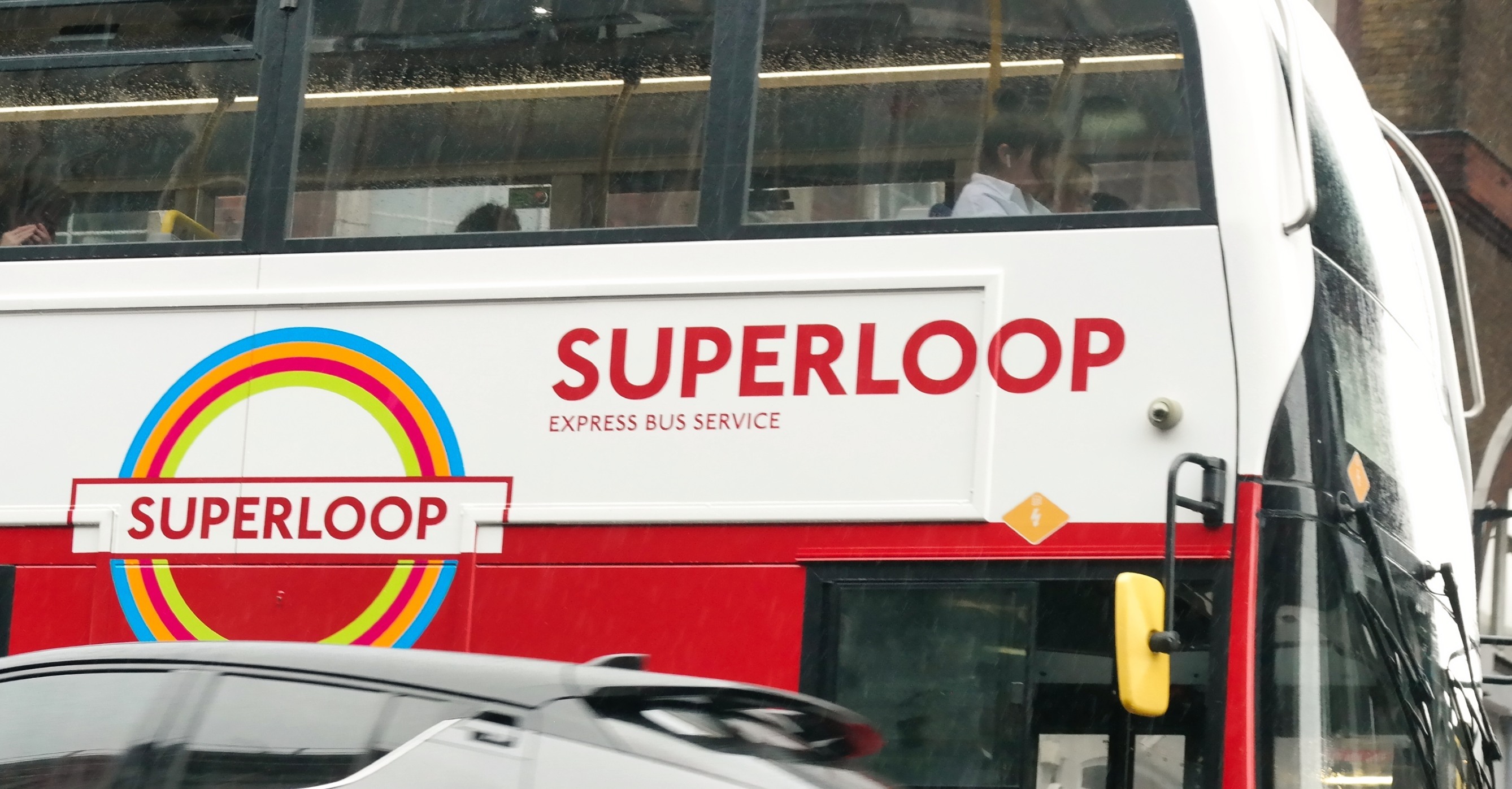
2 months agoA new Superloop bus route will launch in southeast London this weekend - and it'll be free to ride for the first week
The SL11 limited-stop express bus will run between Abbey Wood and North Greenwich via Thamesmead, replacing the daytime 472 and offering more frequent, direct service.
fromSustainable Bus
1 month agoIndian long distance operator LeafyBus orders 100 electric intercity sleeper buses from Eicher (Volvo) - Sustainable Bus
Indian long-distance bus operator LeafyBus has signed an agreement with Eicher Trucks & Buses for the deployment of 100 electric intercity sleeper buses on national routes in India. The programme is centred on the Skyline Pro E 13.5-metre electric sleeper coach and foresees a phased rollout, with 35 vehicles scheduled to enter service by March 2026, according to India Times.
Alternative transportation
[ Load more ]