#comic-bitmoji
#comic-bitmoji
[ follow ]
#social-media #ai-image-generation #generative-ai #memes #creator-economy #tiktok #meta #monetization #snapchat
fromenglish.elpais.com
6 days agoBarbie's wedding to ChatGPT and why imagination is in danger
Imagination, the ability that allows us to mentally represent things that are not directly perceived by our senses, is on the decline. It's one of the effects that new technologies have had on our minds, and public discourse appears to have all but forgotten it as a key cognitive resource.
Psychology
UX design
fromSmashing Magazine
2 weeks agoAnime vs. Marvel/DC: Designing Digital Products With Emotion In Flow - Smashing Magazine
Design quality depends on emotional pacing and flow management, not just visual elements. Successful products guide users through emotional states coherently, while poor design creates emotional conflicts through misplaced elements.
Media industry
fromFuturism
2 weeks agoCrowd's Reaction to BuzzFeed's New AI App: Uncomfortable Laughter
BuzzFeed faces severe financial distress with $57.3 million net loss in 2025 and substantial doubt about continuing operations, despite pivoting to AI-focused products that received poor reception at SXSW.
Artificial intelligence
fromTechCrunch
2 weeks agoPicsart now allows creators to 'hire' AI assistants through agent marketplace | TechCrunch
Picsart launches an AI agent marketplace enabling creators to delegate design tasks like resizing, remixing, and product photo editing through specialized AI assistants.


Typography
fromwww.theguardian.com
2 weeks agoThe way the world is, something daft is appealing' why everything from pizzas to podcasts has a cartoon character on it
A distinctive visual style combining 1920s rubber hose animation, 1950s Americana, and contemporary graffiti aesthetics has become the dominant branding approach for independent food and beverage businesses since the late 2010s.
fromFast Company
3 weeks ago'Your AI slop bores me': The viral website that lets humans answer your questions like ChatGPT
In a world looming with the threat of ai stealing your job, save humanity by stealing ai's job. According to Maroju, inspiration for the site came from a frustration for AI art and its proliferation, making artists' lives worse and also just filling the Internet with low-effort generic slop.
Web design
Marketing tech
fromeLearning Industry
2 weeks agoD-ID Launches V4 Expressive Visual Agents For Real-Time AI Interaction
D-ID launches V4 Expressive Visual Agents, ultra-high-fidelity AI avatars enabling real-time LLM conversations and enterprise video content with sub-0.5-second latency and 4K resolution.
Apple
fromMail Online
3 weeks agoRevealed: 163 new emojis available on iPhone - 'gonna break internet'
Apple released iOS 26.4 beta 4 with 163 new emojis, including 13 entirely new designs like a distorted face, hairy creature, orca, and trombone, with the distorted face generating the most user excitement.
Graphic design
fromTechCrunch
2 weeks agoGamma adds AI image generation tools in bid to take on Canva and Adobe | TechCrunch
Gamma launches Gamma Imagine, an AI image-generation product for creating brand-specific marketing assets, positioning itself between professional design tools and legacy presentation software.
fromInsideHook
1 month agoWhere Have All the Good Memes Gone?
The lyrics have a rather annoying quality to them, similar to the way that other songs like "Call Me Maybe" by Carly Rae Jepsen, "Fireflies" by Owl City or even "Friday" by Rebecca Black did in their time - songs that gained rapid popularity and, just as quickly, sparked rapid backlash from many due to overexposure to them.
Humor
fromItsnicethat
3 weeks agoHow Procreate Dreams 2 is making animated storytelling more expressive than ever
Each layered element is independent, all housed within one object on your timeline. Multiple elements can be combined into a Flipbook by using the multi-select function. This allows for users to shift, organise, and retime frames.
Graphic design
Artificial intelligence
fromBusiness Insider
4 weeks agoMeta hires the team behind Gizmo, the buzzy vibe-coding app that lets users create their own mini-games
Meta hired the engineering team behind Gizmo, an AI app that lets users create interactive content through text prompts, gaining a non-exclusive license to the technology.
Graphic design
fromThe Verge
1 month agoHow a prize-winning cartoonist brings hand-drawn comics to the web
American journalist Danny Fenster, imprisoned during Myanmar's 2021 coup, collaborated with cartoonist cousin Amy Kurzweil on an interactive comic documenting his six-month incarceration and psychological survival.
fromVulture
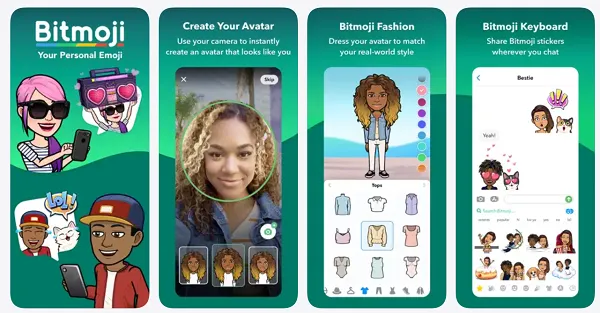
1 month agoChris Fleming's Bitmoji-Filled Tour de Force
No one could accuse Fleming of tailoring his act to please a conventional audience. His stage attire lies somewhere between "androgynous hipster" and "clown," and his only criteria for a premise appears to be "What does my brain fixate on?" He expects his audience to keep up with any cultural reference his Massachusetts-born, millennial, Skidmore arts-graduate brain might make without ever stopping to explain what, say, "Gatsby-esque" might mean in the context of Bitmoji.
Humor
Photography
fromdesignyoutrust.com
1 month agoIncredible Mixed Traditionaldigital Process For Dynamic Action Comics: Pencil, Ink, And Clip Studio Magic by Leo Chiola
Diverse visual artworks and creative projects span traditional painting, illustration, photography, graphic design, cosplay, and advertising, emphasizing narrative, experimentation, and reimagined cultural imagery.

Photography
fromdesignyoutrust.com
1 month agoIncredible Behindthescenes Reels Where A Loose Doodle Evolves Into A Polished Illustration Packed With Personality And Story
A diverse collection of contemporary visual art, advertising, and inventive photography highlights creative reinterpretations, surreal manipulations, and socially aware installations across global artists and campaigns.
Marketing
fromBuffer: All-you-need social media toolkit for small businesses
2 months agoThe Ultimate Guide to GIFs: How to Create Them, When to Use Them and Why They're Essential for Every Marketer -
GIFs are animated image files that enhance digital communication, easily created using tools like GIPHY, Canva, or Photoshop and useful for marketing.
fromTechCrunch
1 month agoFacebook adds new AI features, animated profile photos and backgrounds for text posts | TechCrunch
The new animated profile picture feature applies motion effects to static photos, making the subject appear to be waving, making a heart shape, or wearing a virtual party hat. To achieve the best results, Facebook recommends using a clear photo of a single person facing the camera. Photos can be pulled directly from a user's camera roll or from images already on the platform. The company also plans to add more animation options throughout the year.
Tech industry
Video games
fromwww.theguardian.com
2 months agoIt's a loving mockery, because it's also who I am': the making of gaming's most pathetic character
Baby Steps uses deliberate frustration and an inept, awkward protagonist to transform player irritation into empathy, identification, and unexpected affection.
fromenglish.elpais.com
2 months agoMemes mature to help us understand a world in flames
Memes have become the clearest and most direct language of digital culture: condensed fragments of reality that synthesize the complexity of the present and circulate at the same speed as a society surrendered to hyperstimulation. From the Dancing Baby of the 1990s to the endless templates of X, Instagram, or TikTok, memes have evolved from simple ephemeral jokes to veritable systems for decoding the world, semiotic capsules that allow us to process the political, the social, and the intimate.
Humor
Social media marketing
fromBusiness Insider
1 month agoHow 'jestermaxxing' and 'frame mogging' are taking over the internet
Niche looksmaxxing livestreamers like 'Clavicular' are spreading slang (e.g., 'jestermaxxing', 'frame-mogging'), amplified by monetizing 'clippers,' causing viral language shifts.
fromThe Verge
2 months agoMicrosoft Paint can now make AI coloring books
The latter feature is aptly called "Coloring book," and lets you make blank coloring templates in version 11.2512.191.0 of Paint based on a text prompt. Users can access this feature by selecting the Coloring book option from the Copilot menu in Paint, and then describing what the design should be, such as "a cute fluffy cat on a donut." Paint will then generate four results that Paint users can click to add to their canvas. From there, you can presumably use Paint itself to color the image, or print it out to use traditional art materials.
Gadgets

fromThe Verge
2 months agoYouTubers will be able to make Shorts with their own AI likenesses
Your YouTube Shorts feed might soon be filled with a lot more AI-generated content from your favorite creators - including AI-generated versions of the creators themselves. In his annual letter released today, YouTube CEO Neal Mohan says that sometime this year, creators will be able to make Shorts using their "own likeness." Mohan didn't share further details about these likenesses. "We'll have more to share soon, including the launch date and how the feature will work," according to YouTube spokesperson Boot Bullwinkle.
Artificial intelligence
[ Load more ]