#community-choice-aggregators-cca
#community-choice-aggregators-cca
[ follow ]





Higher education
fromInside Higher Ed | Higher Education News, Events and Jobs
3 days agoCommunity College 4-Year Degrees Let Prior Learning Count
Community colleges provide adult learners with affordable pathways to education, but transferability of credits for prior learning remains a significant challenge.
European startups
fromFortune
5 days agoEmerald AI and Nvidia aim to offer the fast pass for data center grid connects, partnering with power producers and raising new funds | Fortune
Emerald AI aims to enhance grid flexibility for data centers, reducing peak power consumption while maintaining high reliability.

SF politics
fromFortune
6 days agoHyperscalers often lack the "aptitude" on power as the political push picks up to expedite grid connections and pipelines | Fortune
Federal efforts to expedite power grid interconnections face challenges due to hyperscalers' communication issues and lack of understanding of processes.
Tech industry
fromFortune
2 weeks ago"A bend in the trajectory": U.S. data center development has hit snags because the power grid is approaching its limits to support them | Fortune
Data center development slowed significantly in Q4 2025, with capacity additions dropping 50% quarter-over-quarter, signaling that unlimited AI-driven growth projections may not materialize due to power infrastructure constraints.
Public health
fromCity & State NY
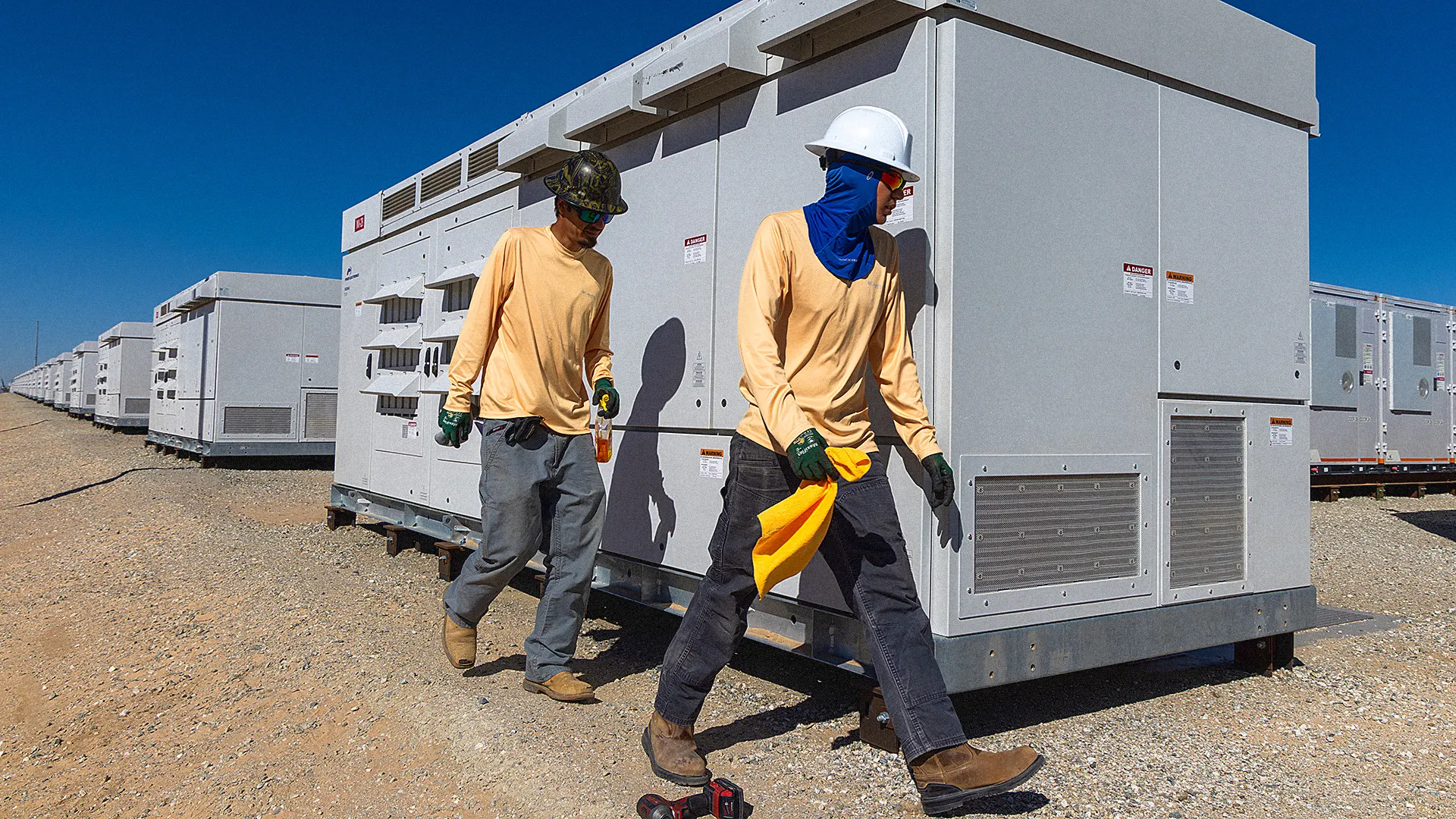
3 weeks agoThe charged fight over battery storage comes to a historic Black neighborhood in Queens
A battery storage facility planned for Southeast Queens near a historic Black neighborhood has sparked community opposition due to fire safety concerns and proximity to homes and a VA Medical Center.
US news
fromwww.npr.org
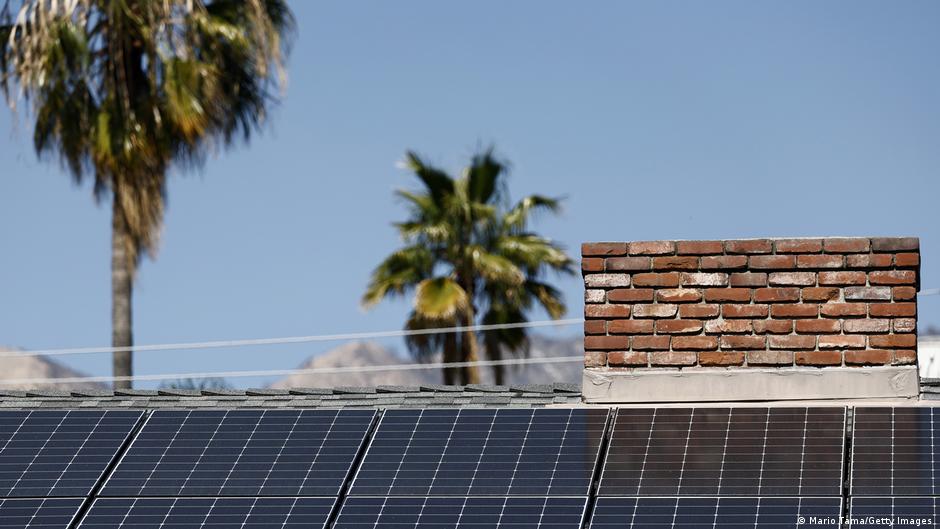
3 weeks agoEasy-to-use solar panels are coming, but utilities are trying to delay them
Plug-in solar panels that connect to standard outlets are gaining traction in the U.S. as a cost-effective alternative to traditional rooftop solar, though utility opposition based on safety concerns is slowing legislative adoption.
Science
fromSFGATE
3 weeks agoExperts skeptical this California startup can turn night into day
A Los Angeles startup plans to deploy thousands of satellites with large mirrors to reflect sunlight onto Earth at night for commercial illumination, but scientists warn of severe ecological and environmental consequences.
fromTechCrunch
3 weeks agoGoogle and Tesla think we're managing the electrical grid all wrong | TechCrunch
The group points out, correctly, that the grid is designed for brief bursts of high demand; most of the time there's lots of capacity that goes unused. Utilize thinks that should change. The group argues that smarter ways to use that capacity already exist. Utilize name checks a number of those solutions, including battery storage, demand response, and virtual power plants, all of which have emerged en masse over the last decade, but remain under utilized.
Toronto startup
SF politics
fromwww.theguardian.com
2 weeks agoOil flows again through controversial California pipeline after Trump order
The Trump administration invoked emergency powers to force reopening of a California offshore oil pipeline closed since 2015, overriding state regulatory objections and citing national security and energy needs.
Silicon Valley
fromFortune
3 weeks agoGoogle and Tesla know electricity is expensive. They're teaming up to bring you an alternative. | Fortune
Google and Tesla partner with energy companies to form Utilize coalition, addressing grid underutilization by deploying battery storage and distributed energy resources to lower electricity costs.
California
fromLos Angeles Times
3 weeks agoFuel, energy prices raise the pressure as California officials take next steps on climate
California's cap-and-invest climate program faces opposition over concerns it could increase energy costs while tightening emissions caps and reducing free allowances to industrial facilities.
#electricity-prices
Environment
fromFortune
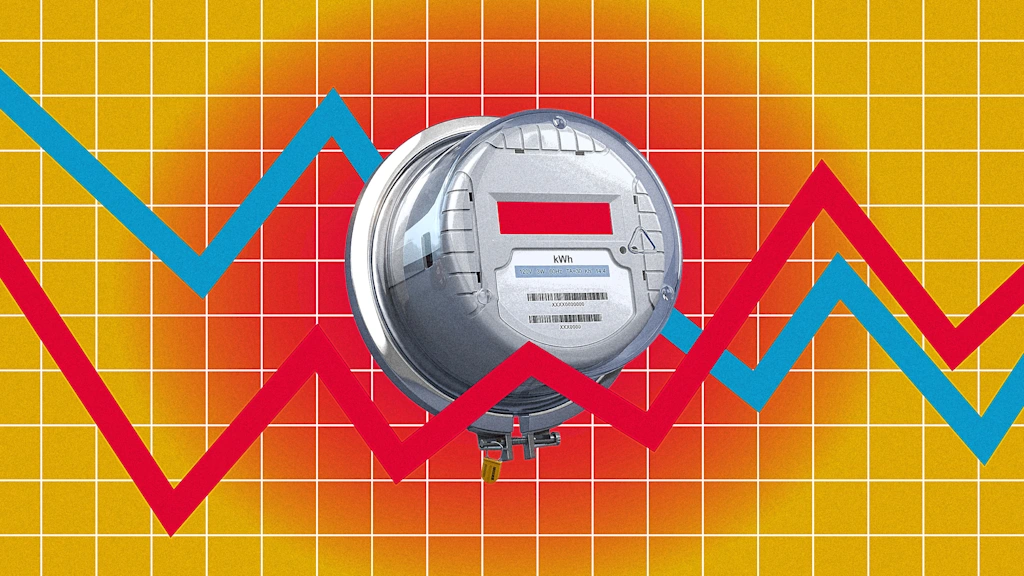
2 weeks agoYour electricity bill keeps rising. Here's what's actually causing it-and how to fix it | Fortune
Rising retail electricity prices stem from structural issues including surging demand, increased infrastructure spending, and regulatory models that reward utility overspending, while proposed fixes like rate freezes and permit blocks would worsen the problem.
Environment
fromFortune
2 weeks agoYour electricity bill keeps rising. Here's what's actually causing it-and how to fix it | Fortune
Rising retail electricity prices stem from structural issues including surging demand, increased infrastructure spending, and regulatory models that reward utility overspending, while proposed fixes like rate freezes and permit blocks would worsen the problem.
US news
fromwww.npr.org
1 month agoWhy farmers in California are backing a giant solar farm
A 200-square-mile solar farm in California's San Joaquin Valley would generate 21,000 megawatts of power, with farmers supporting the project as an alternative use for land lacking sufficient water for crop production.
Alternative transportation
fromHigh Country News
1 month agoWhy Western states are pushing for plug-in solar - High Country News
Plug-in solar panels, common in Germany, are gaining legislative support across 27 U.S. states to enable affordable household solar energy generation without regulatory barriers.
Education
fromwww.mercurynews.com
2 months agoFrom environmental hazard to an act of justice,' this East Bay school is beginning to rebuild
A complete rebuild of Stege Elementary will provide a state-of-the-art campus serving predominantly Black, Latino, and socioeconomically disadvantaged students by fall 2027.
fromLos Angeles Times
1 month agoCalifornia wants millions of heat pumps. High power bills might get in the way
An all-electric, energy-efficient alternative to gas-burning furnaces, heat pumps are widely seen as the climate-friendly home heater of choice. They can do double-duty as both home heaters and AC units and are pretty good at maintaining a constant temperature inside a home without the blast-then-cool-off cycle typical of a furnace.
Environment
fromSan Jose Spotlight
2 months agoFact Brief: Do Santa Clara residents pay a fraction of what San Jose residents pay for electricity? - San Jose Spotlight
San Jose Spotlight is an award-winning nonprofit newsroom dedicated to fearless journalism that disrupts the status quo, uplifts marginalized voices, holds power to account and paves the way for change.
US news
fromwww.amny.com
2 months agoPower struggle: Why the New York Power Authority is taking heat over cutbacks on renewable energy amNewYork
Yet four years away from that deadline, not only is the Empire State 15 gigawatts (GW) shy of its goal but also investments in renewable energy are dipping. On Dec. 19, 2025, Gov. Kathy Hochul signed the Public Renewables Transparency Act, sponsored by Assembly Member Sarahana Shrestha (D-Ulster County), to open up the New York Power Authority's (NYPA) conferral process
New York City
California
fromLos Angeles Times
2 months agoWhy California is keeping this unusual solar plant running when both Trump and Biden wanted it closed
California ordered the Ivanpah solar-thermal plant to remain open 13 years despite costs, obsolescence, and bird deaths, citing grid reliability amid rising data-center demand.
Environment
fromGothamist
1 month agoNew York climate goals face challenge as concern mounts about energy reliability
New York regulators may suspend state renewable energy targets due to projected grid reliability gaps, increased power needs, and feasibility concerns tied to permitting and subsidy changes.
fromCity Limits
2 months agoOpinion: For Affordable Clean Energy at Home, New York Needs Solar ASAP
We can keep tethering ourselves to volatile geopolitics, to fossil fuel prices we'll never control, and to an energy system built on instability and extraction-or we can choose the alternative that's right in front of us: harnessing the sun here at home on our own rooftops. By rapidly accelerating local solar in New York, we can build power right here in our communities, beyond the reach of coups, cartels, and commodity shocks.
Environment
fromFast Company
2 months agoThis tech could keep EVs from stressing the grid-and save everyone money
If you're a typical American, you get home from work and start flipping switches and turning knobs-doing laundry, cooking dinner, watching TV. With so many other folks doing the same, the strain on the electrical grid in residential areas is highest at this time. That demand will only grow as the world moves away from fossil fuels, with more people buying induction stoves, heat pumps, and electric vehicles.
Environment
fromFast Company
1 month agoHow to meet the surging energy demand without needing as much new electricity
When Specian dug into the data, he discovered that implementing energy-efficiency measures and shifting electricity usage to lower-demand times are two of the fastest and cheapest ways of meeting growing thirst for electricity. These moves could help meet much, if not all, of the nation's projected load growth. Moreover, they would cost only half-or less-what building out new infrastructure would, while avoiding the emissions those operations would bring.
Environment
[ Load more ]