#compostable-plates
#compostable-plates
[ follow ]

fromwww.theguardian.com
3 days agoThe dark side of the balloon boom is it time they were banned?
In 2019, scientists found that balloons eaten by seabirds are more likely to kill them than other kinds of plastic yet they do not seem to have been earmarked in the same way as, for example, plastic straws.
Public health
.jpg)


fromEarth911
2 weeks agoIs Shredded Paper Recyclable?
Shredded paper is especially difficult to recycle, so many programs will not accept it. Shredding accelerates fiber shortening and lowers the paper grade from high-grade to mixed-grade. Mixed-grade paper is still recyclable, but it ends up baled and processed into products like paper towels and packing paper.
Portland
fromWIRED
2 weeks agoA New Generation of Big Water Filters-Without the Plastic
Most water filter pitchers are made of BPA-free plastic. But as new research shows that bottled-water drinkers ingest tens of thousands of excess microplastic particles, wellness lovers have begun to look askance at water filters that are themselves made of plastic.
Beer
Fashion & style
fromEntrepreneur
2 weeks agoYour 'Organic' TShirt Still Hurts the Planet More Than You Think
Organic and sustainable fashion brands undermine their environmental messaging by packaging products in excessive single-use plastic, contradicting their eco-friendly positioning and contributing significantly to global plastic waste.
OMG science
fromYanko Design - Modern Industrial Design News
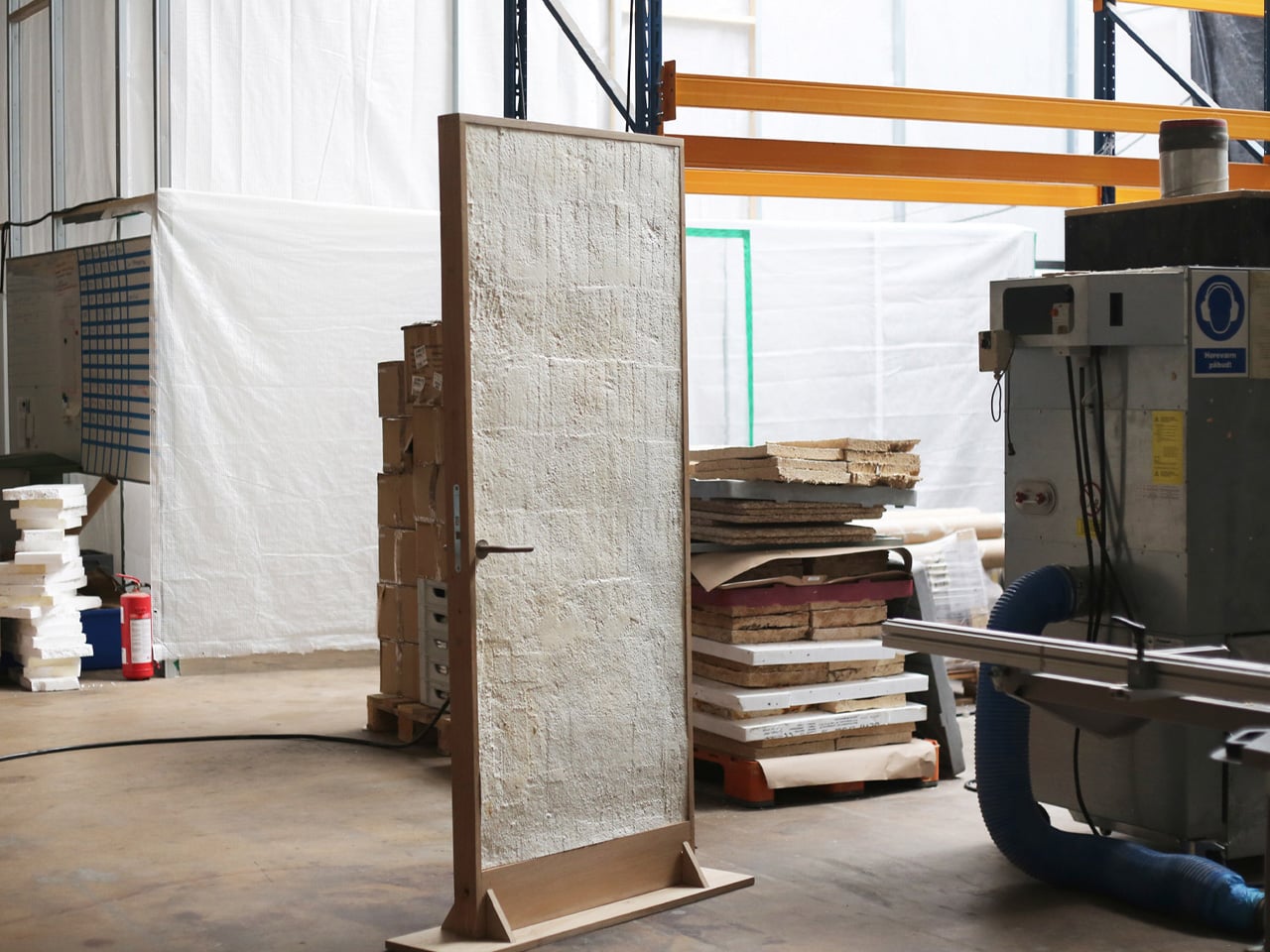
1 week agoResearchers turned Sawdust Waste and Watermelon Seeds into Recyclable Fire-resistant Panels - Yanko Design
Sawdust can be transformed into a strong, fire-retardant composite material using struvite and an enzyme from watermelon seeds.
fromTasting Table
2 weeks agoReuse Rotisserie Chicken Containers With This Genius Garden Solution - Tasting Table
The durable plastic and its lid are excellent for seed starting because they'll create a greenhouse-like effect, keeping your seeds warm and trapping moisture to help them germinate.
Everyday cooking
E-Commerce
fromBusiness Matters
3 weeks agoJust Eat Takeaway.com rolls out plastic-free takeaway boxes across Europe
Just Eat Takeaway.com launches plastic-free takeaway boxes across ten European markets using plant-based coating technology to replace conventional plastic linings in food delivery packaging.
fromDaily Coffee News by Roast Magazine
2 weeks agoCoffee Byproducts Could Reduce Plastic in 'Plastic Wrap'
Coffee byproducts offer a promising, cost-effective and environmentally sustainable alternative for improving the functional and ecological performance of bio/edible films. These agro-industrial residues exhibit a richness in biofunctional compounds such as polyphenols, caffeine and dietary fibers, which contribute significant antioxidant, antimicrobial and UV-barrier properties, making them ideal candidates for applications in active food packaging.
Coffee
Design
fromdesignboom | architecture & design magazine
1 month agocompostable bicycle seat takes shape as mycelium grows around the wooden saddle
Myco Seat uses mycelium networks grown through agricultural waste to create a compostable, functional bicycle seat with a wooden saddle designed using computational mapping.
Roam Research
fromdesignboom | architecture & design magazine
4 weeks agomushroom-inspired devices convert wasted energy into reusable power to charge gadgets
Spoa devices harvest wasted electromagnetic fields from household environments to generate reusable electricity for charging gadgets and appliances.
Miscellaneous
fromwww.theguardian.com
1 month agoA delightful day at the dump: The trick is not to leave with more stuff than I arrived with!'
A recycling centre's ReUse shop in London salvages discarded items including unusual specimens like embalmed animals, vintage furniture, and antiques to resell rather than send to landfill.
Agriculture
fromEarth911
2 weeks agoConvenience Comes at the Environment's Expense
Fast delivery convenience carries significant environmental costs through packaging waste, carbon emissions, and resource consumption, but individual yard management choices can meaningfully reduce environmental impact at a local scale.


fromTasting Table
1 month agoThat Empty Potato Chip Bag Probably Doesn't Belong In Your Recycling Bin - Tasting Table
While you might assume that potato chip bags or other snack bags are recyclable, most are made from mixed materials. This means that the bags may contain plastic on the outside and an inner lining of plastic and aluminum film or foil. While the individual materials may be recyclable on their own, the only way they could be used is if the recycling facility has the means by which to separate the materials.
SF food
fromEarth911
1 month agoHow to Recycle or Dispose of Single-Use Alkaline Batteries
Never place batteries of any type in your curbside recycling bin. Batteries can damage recycling equipment and, if lithium batteries are mixed in, cause fires. Always use designated battery collection programs.
Environment
fromFast Company
1 month agoThese designers made a sustainable new building material from corn
This corn-based construction material was made by Manufactura, a Mexican sustainable materials company, and it imagines a second life for waste from the most widely produced grain in the world. The project started as an invitation by chef Jorge Armando, the founder of catering brand Taco Kween Berlin, to find ways he could reintegrate waste generated by his taqueria into architecture. A team led by designer Dinorah Schulte created corncretl during a residency last year in Massa Lombarda, Italy.
Science
fromEarth911
1 month agoWhat Can You Do With Your Old Electrical Wires and Cables?
According to the UN's Global E-waste Monitor 2024, a record 62 million metric tons of electronic waste was generated worldwide in 2022, an 82% increase since 2010. E-waste is projected to reach 82 million metric tons by 2030. In the U.S. alone, roughly 8 million tons of e-waste is discarded each year.
Environment
Environment
fromEarth911
1 month agoSustainability In Your Ear: The Forest Stewardship Councils' Path to a Circular Bio-based Future with Loa Dalgaard Worm
Forests face unsustainable depletion from rising demand for wood fiber, requiring circular economy models and new incentive systems to protect remaining forests while meeting material needs.
fromSlate Magazine
2 months agoA Kid-Friendly Way To Help the Environment
On this episode: Lucy Lopez, Elizabeth Newcamp, and Zak Rosen get into a listener's question about whether or not to gift a gaming counsel to their college kid. They bought the gift when the kid was doing well in school, but now they're struggling again. Should that matter? But first, they share their latest triumphs and fails. Elizabeth is in her Worm Era and explains the wonders of vermicomposting.
Parenting
Environment
fromEarth911
1 month agoHow to Recycle Nitrile, Latex, and Vinyl Sterile Gloves
Disposable gloves cannot go in curbside recycling due to equipment tangling and contamination risks; mail-in programs and manufacturer recycling offer proper alternatives for turning gloves into downcycled products.
fromTasting Table
2 months agoThe Eco-Friendly Countertop Material That's Surprisingly Durable - Tasting Table
It's likely that you've encountered recycled glass countertops without realizing it. They're far from the hippie-style broken-glass mosaic art of yesteryear, instead presenting as sleek, highly polished, professional slabs with intriguing bits of confetti-style color trapped inside. That's the recovered glass bits set into a binding material such as resin, cement, or concrete, and then smoothly polished so that the composite surface feels like stone.
Remodel
fromSilicon Canals
2 months agoThis kitchen scrap makes the best free fertilizer and most people throw it away - Silicon Canals
Last week, I was making my morning coffee-you know, the complicated order I'm too embarrassed to say out loud at coffee shops-when I noticed the pile of used grounds in my filter. For years, I'd been tossing these straight into the trash without a second thought. But then I remembered something my grandmother wrote in one of her letters years ago: "The garden teaches us that nothing is truly waste."
Coffee

fromDaily Coffee News by Roast Magazine
1 month agoReport: Sustainability Must Be Embedded Into Core Buying Practices to Drive Change
"Ironically, many if not most of these 'sustainability' projects remain disassociated from companies' core procurement strategies, meaning the coffee produced from these projects is not necessarily bought by the companies involved, or only in minimal quantities," the paper states. "And for the coffee that is purchased, prices do not factor into the project design, despite the fact that price is the single variable impacting farmer income that is in the direct control of companies."
Coffee
Environment
fromFuturism
2 months agoScientists Just Discovered Something Horrid About Those Disposable Coffee Cups You've Been Slurping
Heating common disposable containers releases large quantities of microplastics into beverages, with higher temperatures causing greater release and plastic cups releasing more than paper-lined ones.
fromEarth911
2 months agoRecycling Mystery: Black-Colored Plastic
Black plastic gets its color from carbon black pigment and is commonly used in food containers, such as meat or produce trays and take-out containers, as well as disposable coffee lids, plastic bags, and hard plastic items like DVD cases and planters. While plastic is one of the categories of things that we are encouraged to recycle - when we can't reuse or repurpose it - not all black plastic items can be recycled.
Environment
fromwww.theguardian.com
2 months agoRecycled plastic packaging claims are misleading, say experts
Europe's supermarket shelves are packed with brands billing their plastic packaging as sustainable, but often only a fraction of the materials are truly recovered from waste, with the rest made from petroleum. Brands using plastic packaging from Kraft's Heinz Beanz to Mondelez's Philadelphia use materials made by the plastic manufacturing arm of the oil company Saudi Aramco. The Saudi state-owned holding opposes production cuts under the UN plastic treaty and is the world's largest corporate greenhouse-gas emitter (over 70m tonnes up to 2023).
Environment
fromwww.bostonherald.com
2 months agoEco-friendly toilet papers are trendy, but their actual environmental impacts vary
Toilet paper, a product that is used for a few seconds before being disposed of forever, is typically made with trees, energy-intensive manufacturing processes and chemicals that can pollute the environment. Experts say more consumers are seeking toilet paper made from recycled content or sustainable materials, but it can be hard to know what to look for. Sustainable toilet paper often costs more, but can have significant environmental benefits.
Environment
Environment
fromComputerWeekly.com
1 month agoIT Sustainability Think Tank: The digital diet and the growing cost of AI energy use | Computer Weekly
AI expansion is straining land, water, and power grids; industry and individuals must share responsibility through a "Digital Diet" and SDG12-style responsible consumption.
fromArchDaily
2 months agoCircular Composites: Designing for a Sustainable Future
One of the earliest large-scale examples of composite materials can be found in the Great Wall of China, where stone, clay bricks, and organic fibers such as reeds and willow branches were blended to create a resilient and lasting structure. These early techniques reveal a timeless intuition: distinct materials, when combined thoughtfully, produce properties unattainable by any single element.
Environment
fromEarth911
2 months agoThe Earth911 Lithium-Ion Battery Recycling Guide
Lithium-ion (Li-ion) batteries are found in many devices we use every day, like smartphones, laptops, tablets, wireless earbuds, power tools, e-bikes, and electric vehicles. By 2023, there were more than 40 million electric vehicles on the road worldwide, and billions of portable electronics used Li-ion cells. These batteries are valuable for recycling, but they can be dangerous if not disposed of correctly.
Environment
fromEarth911
1 month agoEarth911 Inspiration: Waste Can End With You
We can make changes to reduce our waste by precycling when we shop, reducing what we purchase, reusing items to get the most use out of them, and recycling when possible. But when we have items to throw away, please dispose of trash responsibly and don't litter. Let's reduce our waste and clean up our planet. It's our only home.
Environment
fromEarth911
2 months agoGuest Idea: 7 Solutions to Give Your Old Sunglasses a Second Life
Just like that coffee cup, eyewear is a complex fusion of materials. Metal hinges are screwed into polymer frames, which hold chemically-coated lenses. This mix of metals, plastics, and coatings means standard sorting machines cannot process them. As a result, they are rejected as contamination and sent directly to landfills, where they contribute to non-biodegradable waste. Unlike a disposable paper cup, however, a pair of sunglasses is built for durability. Its high-quality components make it a perfect candidate for repair, reuse, or reinvention.
Environment
fromwww.dw.com
2 months agoPlastic emissions could double health damage by 2040
Plastic is everywhere. Inside the human body, in the depths of the ocean and the far reaches of the Arctic. Now a new study warns that, unless the world changes course, plastic could more than double its damage to human health within the next two decades. The culprit is not plastic litter in the environment or microplastics, but the emissions released across plastic's entire life cycle from fossil fuel extraction and manufacturing to transport, recycling and disposal.
Environment
[ Load more ]