#congressional-address
#congressional-address
[ follow ]
#congress #trump #government-shutdown #immigration-enforcement #trump-administration #dhs-funding #legislation
fromTechCrunch
1 day agoAnthropic ramps up its political activities with a new PAC | TechCrunch
Anthropic's political activities have ramped up as the company continues to be enmeshed in a nasty legal battle with the Defense Department. The dispute erupted earlier this year over the government's use of Anthropic's AI models and what guidelines (if any) should exist for that usage.
Artificial intelligence
fromwww.amny.com
3 days agoMamdani fires back at Menin over City Council's budget response, charges it ignores bigger financial problems | amNewYork
Mamdani stated that the City Council's budget strategy effectively ensures this structural deficit will continue indefinitely, impacting vital city services and failing to solve deep financial problems.
New York City
fromCalifornia Post
5 days agoLefty SF Supervisor had been absent for several weeks before her leave of absence was made public
"She wants to regain stable health so she can thoughtfully and responsibly consider her options," her office told ABC7 Eyewitness News in a statement announcing her leave of absence and addressing the condition of her mental health.
Mission District
fromNextgov.com
5 days agoLawmaker looks to award grants for veteran suicide prevention AI models
The Recovery Engagement and Coordination for Health-Veteran Enhanced Treatment, or REACH VET, program identifies veterans in the top 0.1% of suicide risk by analyzing health records for specific indicators of potential self-harm.
Non-profit organizations



Intellectual property law
fromPatently-O
1 week agoBipartisan Skepticism Greets Director Squires at First House Oversight Hearing
The House Judiciary Subcommittee hearing addressed various USPTO issues under Director John Squires, revealing bipartisan skepticism and concerns over patent quality and IPR changes.

fromPsychology Today
4 weeks agoFilibustering and Delay Strategies That Block Social Justice
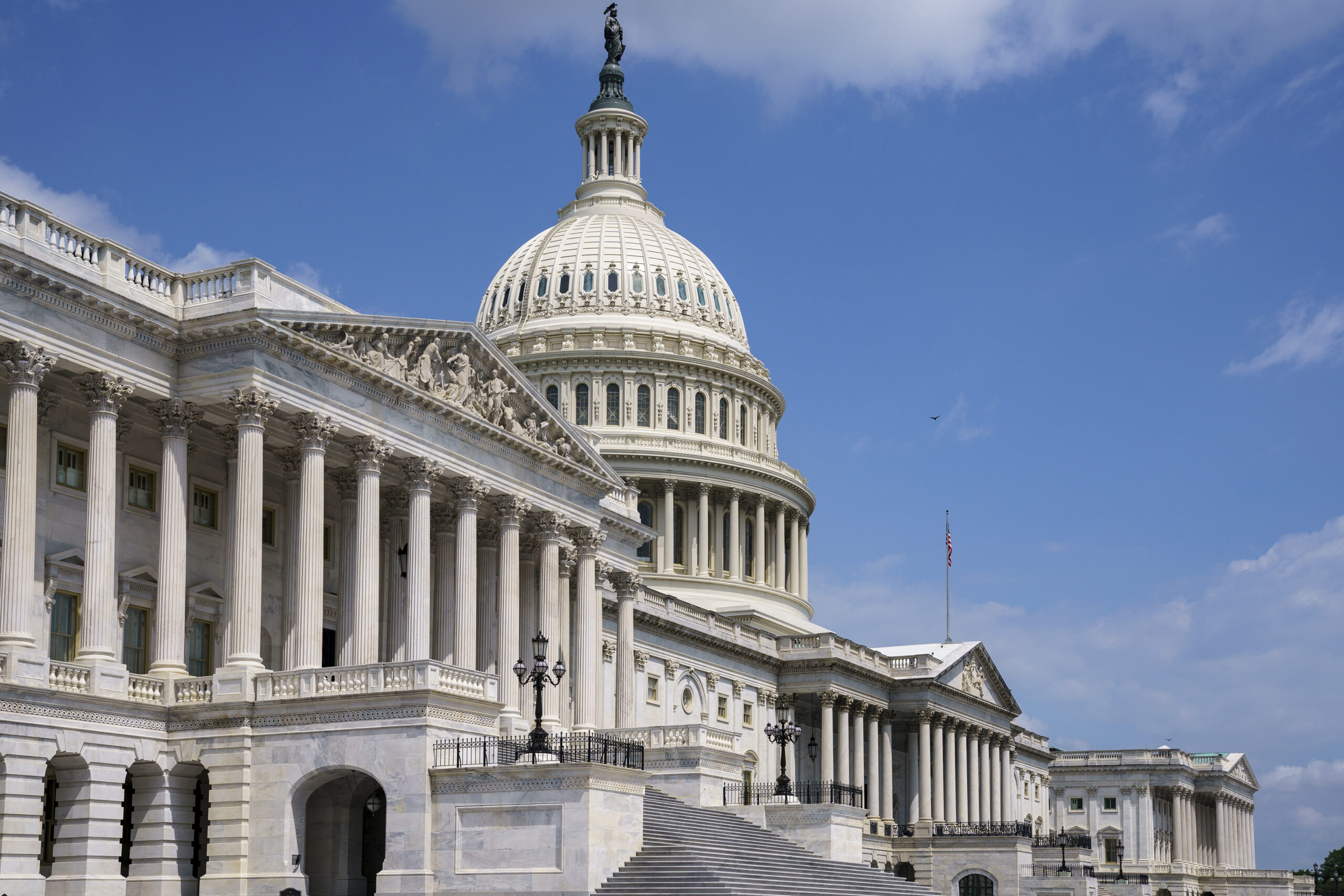
Organizational filibustering refers to strategies that delay and obstruct efforts to pursue social justice in systems. These additions can stretch out the process of implementation of diversity strategic plans or multicultural programs for years. Change agents can become battle-fatigued and give up their efforts. They can also become so disheartened that they leave a group or organization altogether.
Social justice
fromFortune
5 days agoDemocrats in disarray as rank and file clash with Chuck Schumer's plan to run elderly moderates in must-win races | Fortune
Clearly there's a disagreement of strategy here. The business-as-usual calculation for what is going to be successful in a given election cycle does not necessarily, in my view, meet the moment.
SF politics
fromAxios
3 weeks agoDemocrats drafting AI guardrails for autonomous weapons, domestic spying
Defense Secretary Pete Hegseth has made clear that he wants to quickly integrate AI into everything the military does and is demanding that AI companies give the government unrestricted access to their technologies. Anthropic refused to give the Pentagon unfettered access to its AI model, saying it would not allow its model to be used for the mass surveillance of Americans or the development of weapons that fire without human involvement.
Artificial intelligence


SF politics
fromwww.mediaite.com
2 weeks agoRepublican Congressman Turned Independent Now Says He's Open to Caucusing With Dems
Rep. Kevin Kiley switched to Independent status and remains open to caucusing with Democrats if reelected, while currently maintaining Republican caucus membership due to House rules.
US politics
fromwww.mediaite.com
4 days agoCNN Anchor Confronts House Democrat Over Congress Getting Paid During DHS Shutdown: Americans Feel You Guys Just Don't Get It'
The ongoing government shutdown is causing significant public frustration and hardship, with calls for Congress to feel the impact of their decisions.
US Elections
fromwww.npr.org
3 weeks agoTrump says he won't sign bills until Congress overhauls voting
President Trump threatened to withhold his signature on all bills until Congress passes the SAVE America Act, which would require voters to prove citizenship with documents like passports or birth certificates.
fromThe New Yorker
1 month agoDemocracy Dies in Broad Daylight
Last week- after the Wall Street Journal broke more news about the Trump family's dodgy crypto-business dealings and before the President shared a racist video of the Obamas depicted as dancing apes-the Amazon entrepreneur Jeff Bezos decided that one of his smaller properties, the Washington Post, has proved such a drag on his two-hundred-and-thirty-billion-dollar fortune that prudence required that he obliterate much of its newsroom.
Media industry
fromPsychology Today
2 months agoHow to Have Better Political Conversations
The principle of intellectual charity is fundamental to constructive political conversations. This principle states that, in any discussion, we should accept the best version of an opponent's ideas, not a distorted version or a "straw man." Exaggeration and distortion of opposing opinions (always present, to some degree, in political debates) have become the standard form of political argument in contemporary America.
Philosophy
US politics
fromAxios
3 weeks agoDems plan probes into companies, colleges that cooperated with Trump
Democratic senators plan investigations into Trump administration cooperation with major institutions, corporations, and wealthy individuals, leveraging broader House subpoena authority and targeting private entities unable to claim executive privilege.
fromPOLITICO
1 month agoTrump doesn't give Congress much to do before the midterms
I think we know what the agenda items are. Accomplishing those is going to be hard with a small majority. The upshot is that Trump's prime-time address is unlikely to make more than a ripple in the congressional agenda over the coming months. It's the reality, Republicans acknowledged Wednesday, of life in Washington right now: Despite its trifecta, the party's legislative ambitions are being hemmed in by its barely-there majorities.
US politics
fromwww.mediaite.com
1 month agoFetterman Blasts Yelling and Screaming' From Dem Colleagues During Trump SOTU: Just Don't Do That'
The constant kinds of yelling and screaming and, you know, holding up signs and doing all of these things – I don't care if it's a Republican or Democrat as the president, just don't do that. Respect the office.
US politics
fromwww.npr.org
1 month agoWho will and won't be guests at the State of the Union address
Among Trump's guests is Saige Blair. Blair is at the center of a lawsuit involving allegations that Virginia school officials made decisions about Blair's well-being and gender identity without informing the then-14-year-old's parents.
US politics
US politics
fromBoston.com
1 month agoMass. representatives, including minority whip, to skip State of the Union address
Several Massachusetts congressional representatives are boycotting the State of the Union address to protest Trump administration policies on healthcare, costs, Social Security, tariffs, and ICE enforcement.
US politics
fromwww.independent.co.uk
2 months agoWatch live: US Speaker Mike Johnson addresses MPs after Donald Trump launches tirade against UK
The Independent funds on-the-ground reporting and free access journalism through donations while covering major US issues and providing live political coverage amid rising tensions.
US politics
fromwww.mediaite.com
2 months agoNEW POLL: Americans Trust Republicans Over Democrats On Most Major Issues in Congress
Americans view Congressional Republicans as better equipped to handle most major issues—especially border security, immigration, and the economy—while Democrats lead on the generic congressional ballot.
fromPOLITICO
2 months agoHouse Democrats once again left complaining about a Senate spending deal
The interchamber tensions between Democrats are becoming a regular feature of funding fights in the second Trump term. Lawmakers, strategists and voters alike exploded in anger last March when Senate Minority Leader Chuck Schumer and a handful of colleagues allowed a spending package to move forward amid the Elon Musk-led DOGE assault on federal agencies. In November, tempers again flared when a handful of Senate Democrats joined with Republicans to end a record 43-day shutdown.
US politics
from24/7 Wall St.
1 month agoAmerica's Oldest Lawmakers Still Serving in Congress
Age has long been a point of debate in American politics, but it becomes especially controversial when lawmakers remain in office well beyond traditional retirement years. As the nation grapples with issues like healthcare, technology, and economic change, questions naturally arise about how age, generation status, and experience influence leadership at the highest levels of government. For some voters, longevity in office represents wisdom; for others, it raises concerns about representation and outdated reasoning.
US politics
[ Load more ]