#conservation-groups-rspb-wildlife-trusts
#conservation-groups-rspb-wildlife-trusts
[ follow ]

fromMail Online
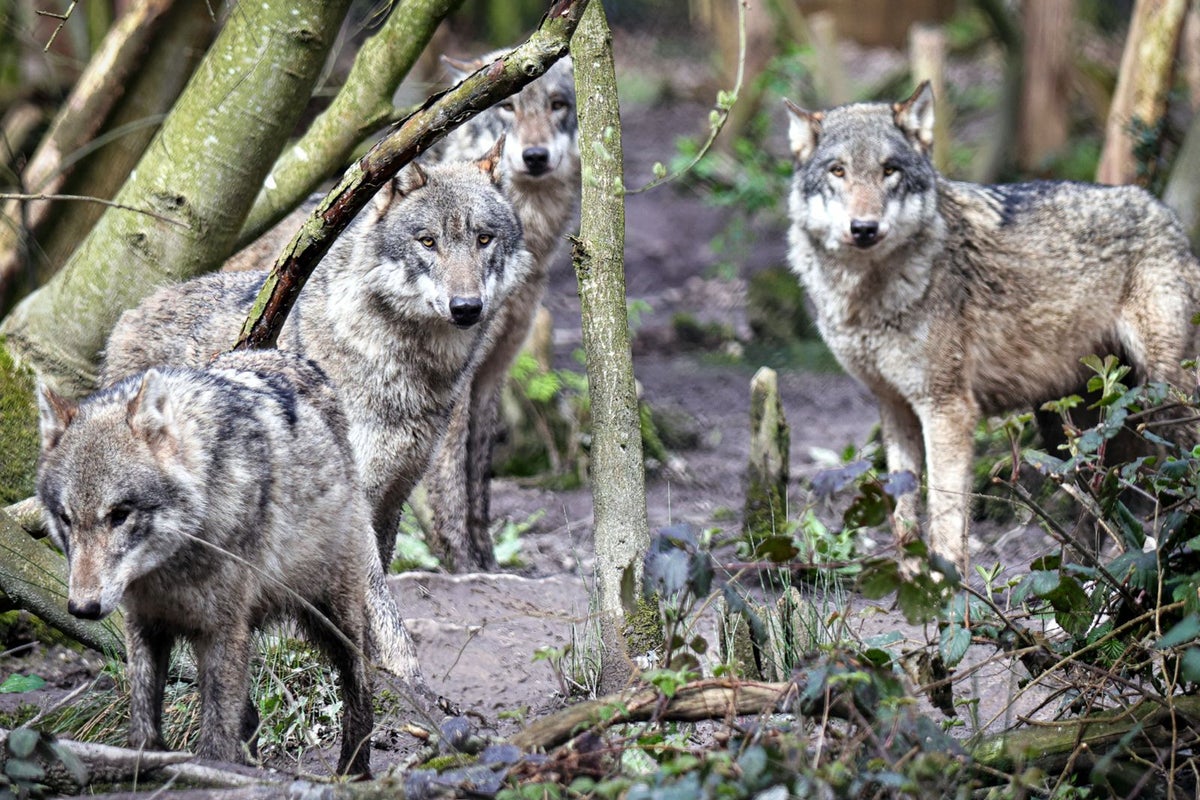
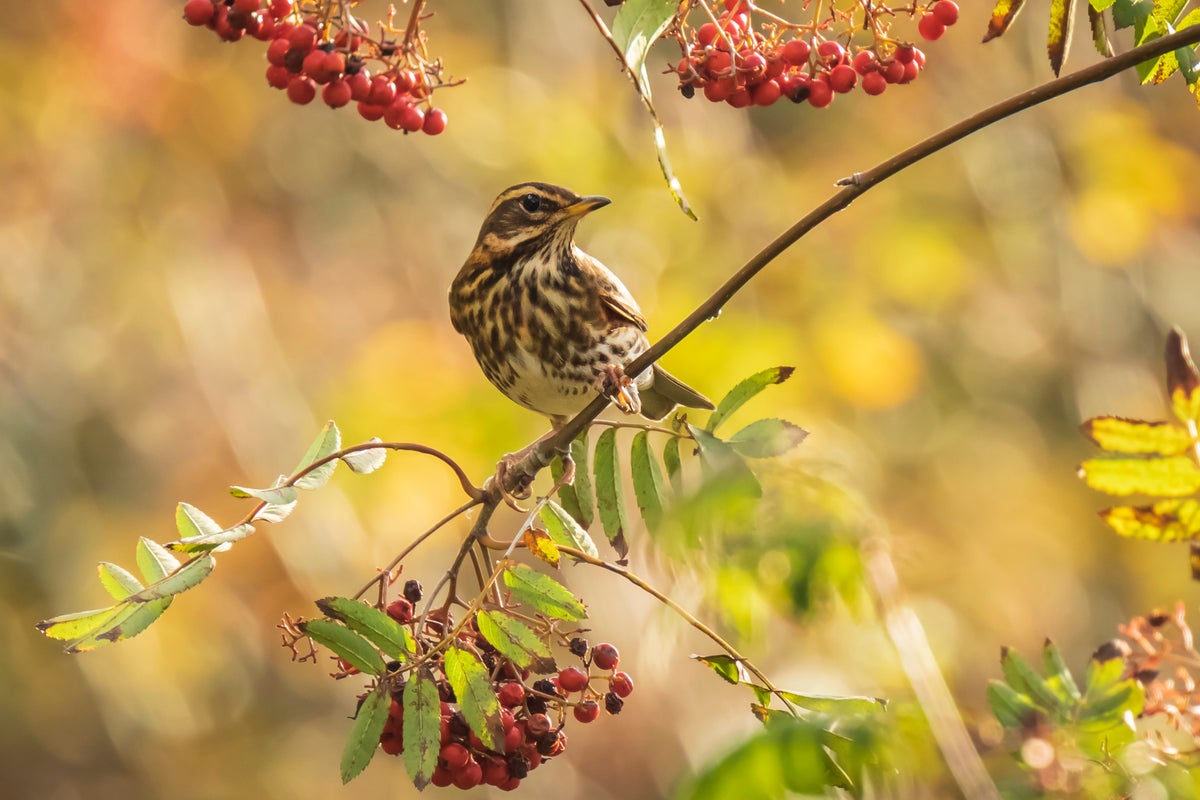
4 days agoBritain has just 20 years to save its wildlife, experts warn
'Our results show that the next 20 years are critical,' lead author Dr Rob Cooke told the Daily Mail. 'By around 2050, we reach a point where the choices we make on emissions and land use will largely determine whether Britain moves towards a much more degraded or a much more nature‑positive future.'
Environment

Agriculture
fromdesignboom | architecture & design magazine
1 week agourban rewilding in practice: restoring london's heathland for humans, sheep, and ecology
Sheep grazing is proposed to regenerate urban heathland ecology, creating a continuous ecological corridor that supports both human and non-human systems.
fromwww.theguardian.com
1 week agoShooting restricted for six British wild birds to halt population decline
The new rules would restrict the shooting of species including the distinctive woodcock, and the striking pintail, goldeneye and pochard ducks, all of which are classed as under threat and have seen their populations fall sharply in recent years.
UK news

#butterfly-conservation

London politics
fromwww.independent.co.uk
2 weeks agoMarket town pledges to save butterflies from shocking decline in UK first
Gillingham becomes the first UK local authority to commit to a nationwide challenge reversing butterfly population decline through habitat protection, pesticide elimination, and light pollution reduction.
London
fromwww.theguardian.com
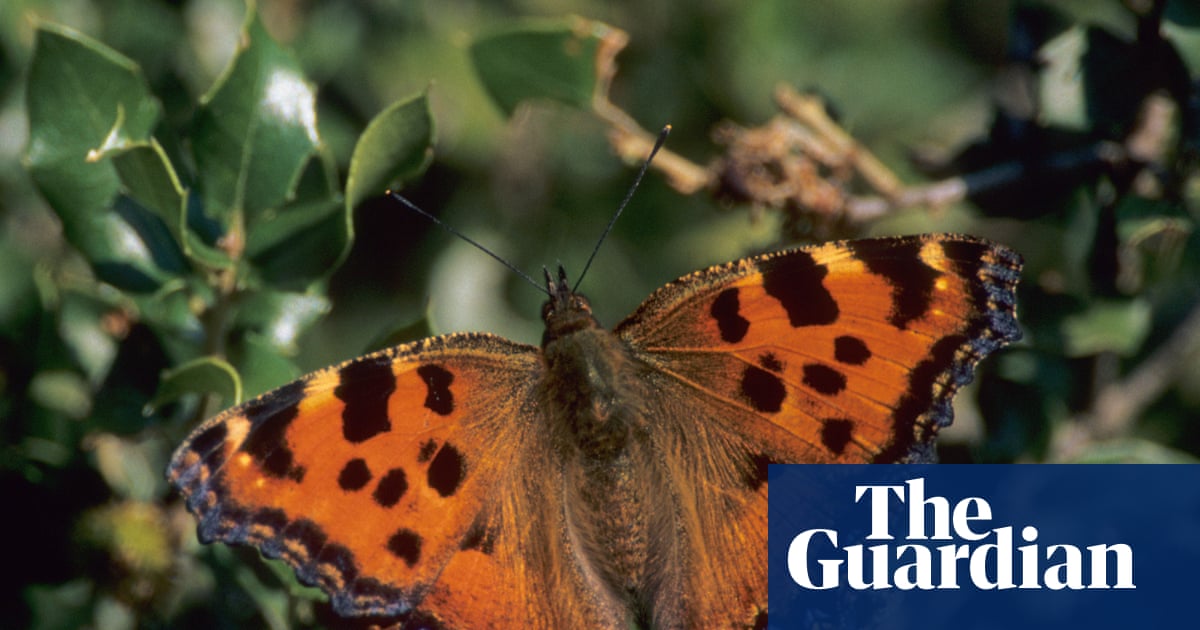
3 weeks agoLarge tortoiseshell butterfly confirmed no longer extinct in UK
The large tortoiseshell butterfly, extinct in Britain for decades, has returned as a resident species with spring sightings across southern England, increasing Britain's native butterfly count to 60.
Non-profit organizations
fromwww.theguardian.com
2 weeks agoWe cannot replace USAID, but we can do big things': conservation plots a future without American money
Liberia's eco-guard program, funded by USAID, faces collapse after the Trump administration dismantled the agency, threatening forest conservation and wildlife protection in one of Africa's most biodiverse regions.
fromwww.bbc.com
3 weeks ago'Green lung' west London nature reserve confirmed
This declaration establishes a much-needed green lung for this part of the borough. Our charity launched this campaign back in January 2021. At that time, we were emerging from Covid lockdown, and people were discovering the wonders of nature and wildlife on their doorstep in the Brent River Park.
London food
Pets
fromwww.theguardian.com
2 weeks agoCreate hedgehog havens and seven other ways to help our prickly friends
UK hedgehog populations have declined 30-75% since 2000 due to habitat loss, pesticides, vehicle strikes, and climate change, but urban recovery shows promise with citizen science and habitat connectivity efforts offering practical solutions.
fromBusiness Matters
3 weeks agoChurchill to be replaced by wildlife on future Bank of England banknotes
The key driver for introducing a new banknote series is always to increase counterfeit resilience. But it also provides an opportunity to celebrate different aspects of the UK. Nature is a great choice from a banknote authentication perspective and means we can showcase the UK's rich and varied wildlife.
UK politics
fromwww.theguardian.com
2 weeks agoSmall changes in how we garden can make a big difference to birds | Letter
Around a third of UK gardeners use pesticides, and our studies found that house sparrow numbers, for example, were nearly 40% lower in gardens where the pesticide metaldehyde was used. By reducing pesticide use, you can actively encourage birds back into your outdoor spaces, as they rely on invertebrates such as slugs and snails as natural prey.
Pets
Environment
fromwww.theguardian.com
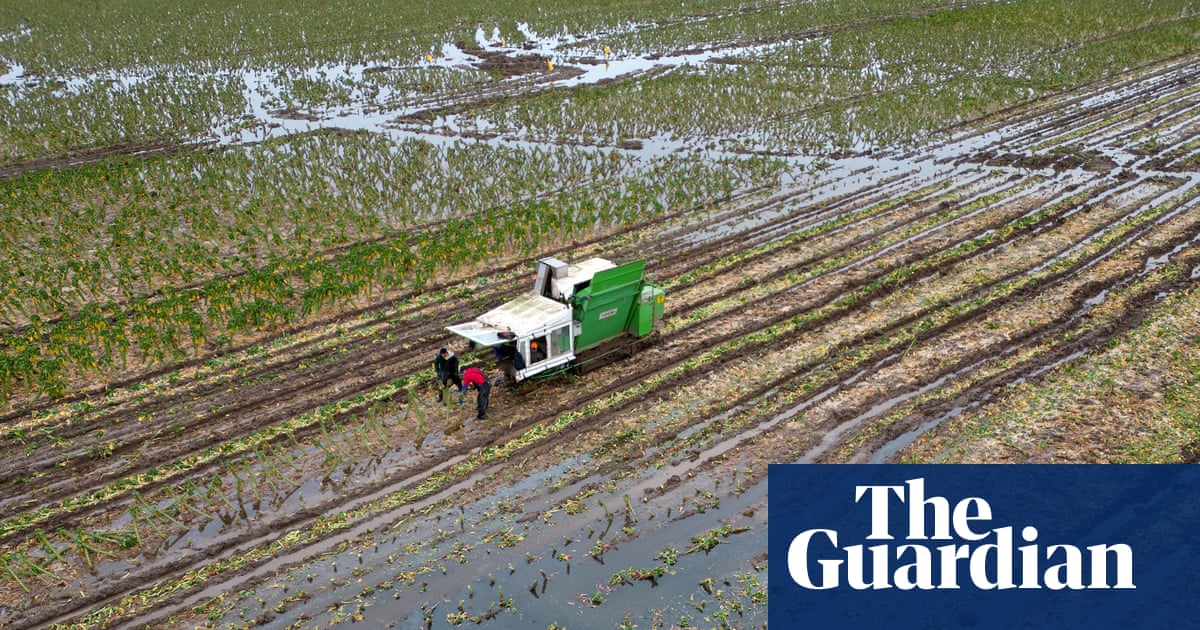
2 weeks agoEngland should give over 7% of land to nature and renewables to meet environmental targets, data shows
England must allocate 7% of its land to nature, forests, and renewable energy to meet environmental targets while maintaining food production and housing capacity.
fromwww.bbc.com
4 weeks agoCampaigners push to better protect chalk streams
They're special on a world stage, 85% of chalk streams are in England. They're wonderful habitats, they're great for people as well, people really enjoy them, whether it's areas like this where you can find kingfishers and grey wagtails and it's just a unique resource that we really should steward properly.
Environment
Arts
fromThe Art Newspaper - International art news and events
2 months agoUK's National Trust receives 10m, its largest-ever cash donation
The National Trust received a £10m unrestricted donation enabling expanded 2026 programmes focused on historic buildings, collections, cultural access and nature recovery.
fromwww.theguardian.com
2 months agoFrom scorpions to peacocks: the species thriving in London's hidden microclimates
London is the only place in the UK where you can find scorpions, snakes, turtles, seals, peacocks, falcons all in one city and not London zoo. Step outside and you will encounter a patchwork of writhing, buzzing, bubbling urban microclimates. Sam Davenport, the director of nature recovery at the London Wildlife Trust, emphasises the sheer variation in habitats that you find in UK cities, which creates an amazing mosaic of wildlife.
London
Environment
fromwww.theguardian.com
1 month agoLynx could return to Scotland but can rewilders win over wary Highlanders?
Scottish wildlife charities are pursuing a six-year effort to reintroduce lynx to Scottish forests, with 61% public support, while conducting extensive consultations with farmers and stakeholders to address livelihood concerns and build acceptance for the apex predator's return.
fromHigh Country News
1 month agoIt's time to rethink how we care for our public lands and waters - High Country News
Wildlife populations are in decline. Recreation sites are crowded and often underfunded. Wildfires are larger, more destructive and harder to control. Climate change is reshaping natural systems, from ocean fisheries to mountain snowpacks, faster than institutions can respond. At the same time, communities are being asked to host new energy projects, transmission lines and mineral development - often without clear processes, adequate resources or trust that decisions are being made in the public interest.
Environment
fromwww.independent.co.uk
2 months agoGovernment urged to make reckless' act of trail hunting illegal
From reproductive rights to climate change to Big Tech, The Independent is on the ground when the story is developing. Whether it's investigating the financials of Elon Musk's pro-Trump PAC or producing our latest documentary, 'The A Word', which shines a light on the American women fighting for reproductive rights, we know how important it is to parse out the facts from the messaging.
UK politics

fromwww.theguardian.com
2 months agoRare butterflies bounce back after landowners in Wales cut back on flailing hedges
Conservationists have now persuaded landowners to cut hedges in a more gentle rotation, with sections left uncut for up to three years, to enable more eggs to survive over winter. The caterpillars emerge with the foliage in spring and hatch into adult butterflies in July. The brown hairstreak is difficult to spot as a butterfly but every winter volunteers assess its populations by counting its minuscule cream-coloured eggs, which with careful searching are visible on the bare branches of blackthorn.
Environment
fromwww.dw.com
2 months agoThe business of saving nature
The world spends 30 times more money destroying nature than protecting it. That's according to a new report from the United Nations Environment Programme (UNEP) that exposes a massive gulf between so-called "harmful investments" and financing that promotes nature preservation. The global environment agency's latest "State of Finance for Nature" (SNF) report is calling to phase out the US$7.3 trillion (6.2 trillion) in global investments that damage nature including into high-emissions energy infrastructure and manufacturing, for example.
Environment
fromNature
1 month agoBiodiversity conservation has an evidence problem - it's time to fix it
Biodiversity loss is continuing at an unprecedented rate, with species becoming extinct at between 100 and 1,000 times the average pre-human, or 'background', rate. Human activities are the main cause. Although there are hundreds of local, regional and international initiatives to conserve and sustainably use species and ecosystems, many conservation scientists worry that measures such as interventions to conserve individual species or incentives to create protected areas are not supported by strong evidence from research.
Environment
Environment
fromwww.independent.co.uk
2 months agoGrey squirrels could be given contraceptives to control numbers
Government supports research into a contraceptive 'pill' for invasive grey squirrels alongside pine-marten reintroduction, landowner grants and volunteer control to protect red squirrels and woodlands.
[ Load more ]