#constitutional-law
#constitutional-law
[ follow ]
#supreme-court #birthright-citizenship #14th-amendment #trump-administration #trump #immigration-policy





fromwww.npr.org
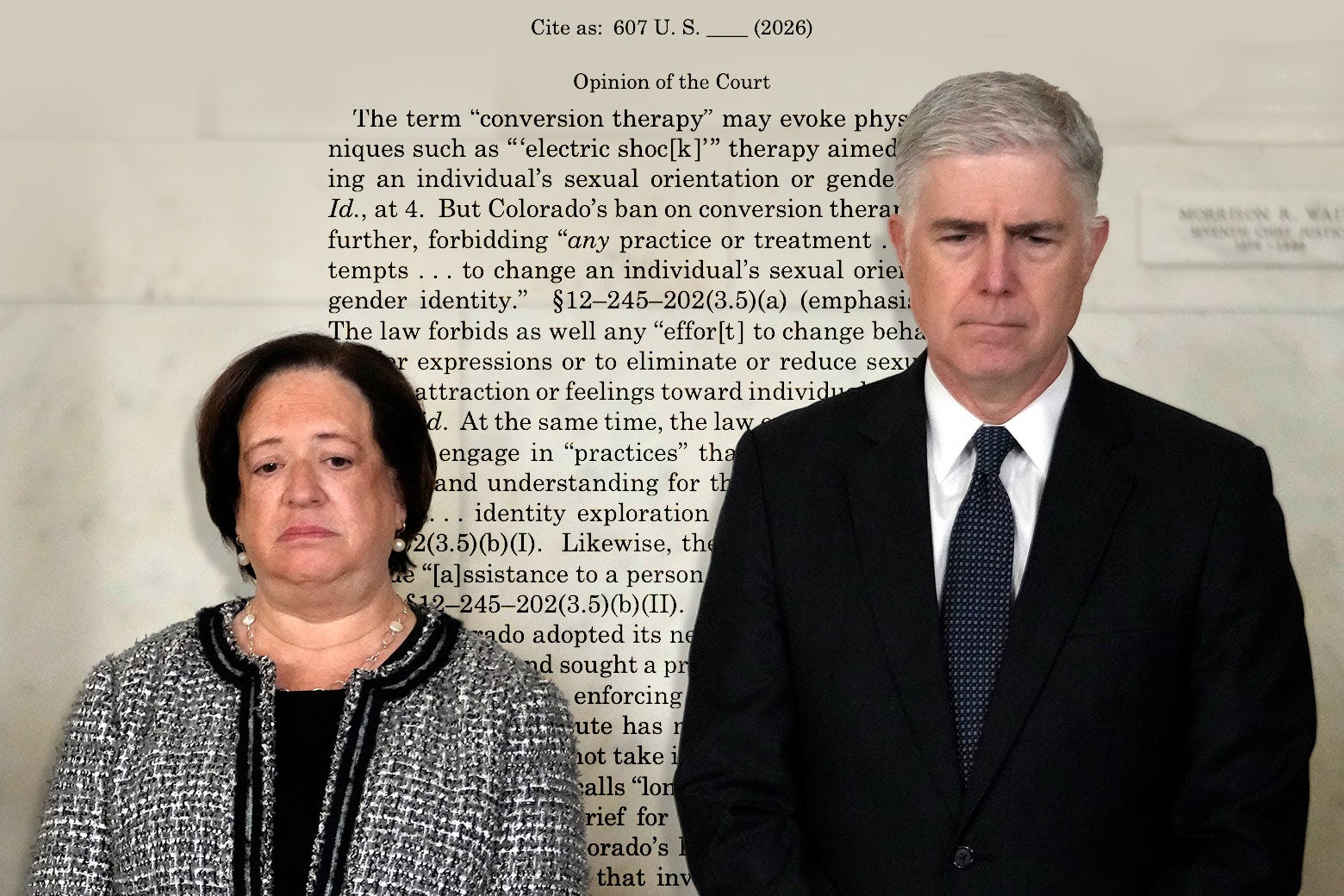
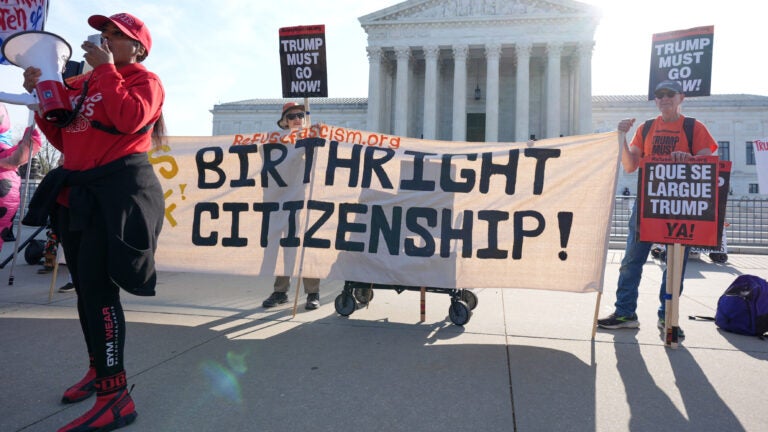
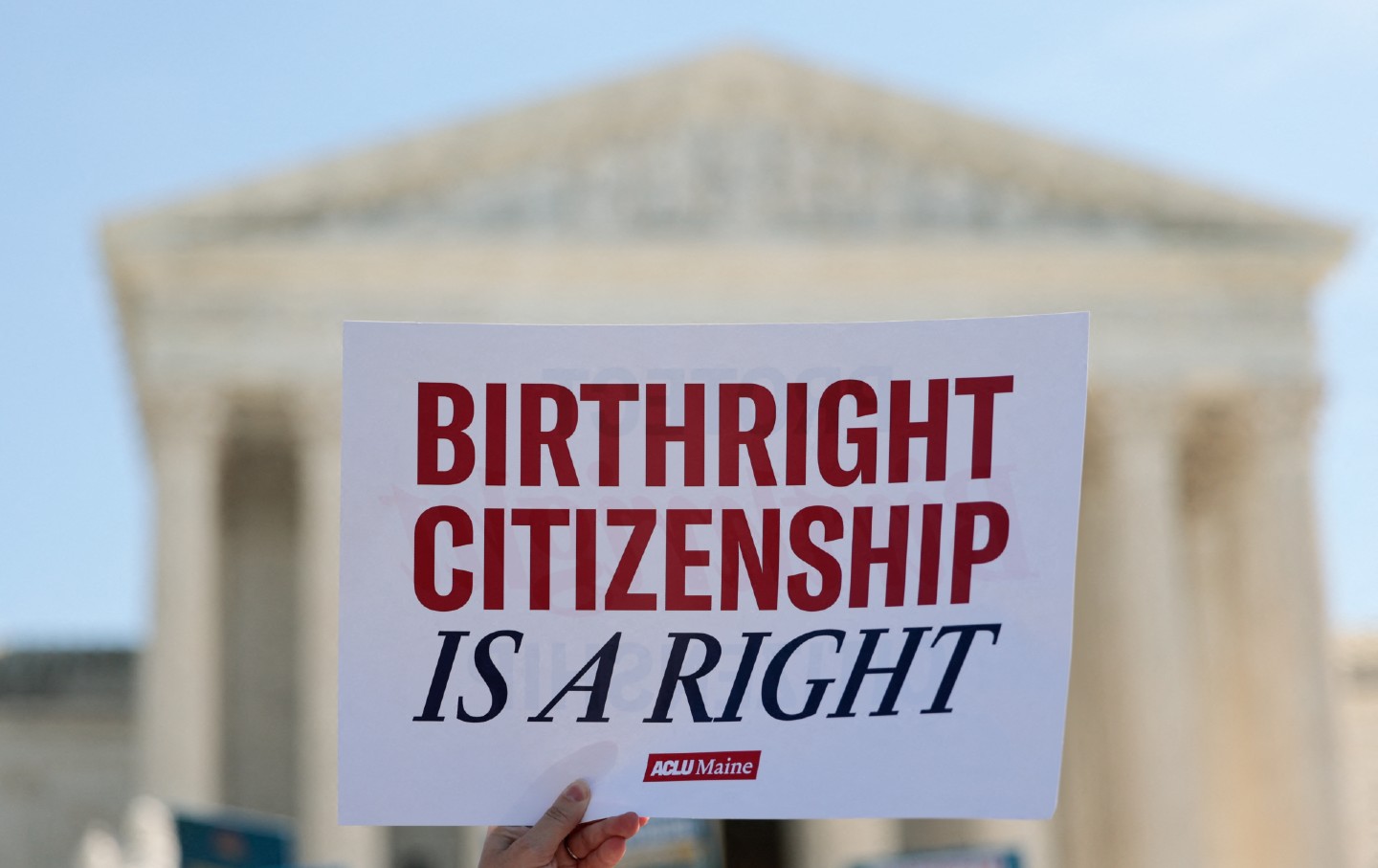
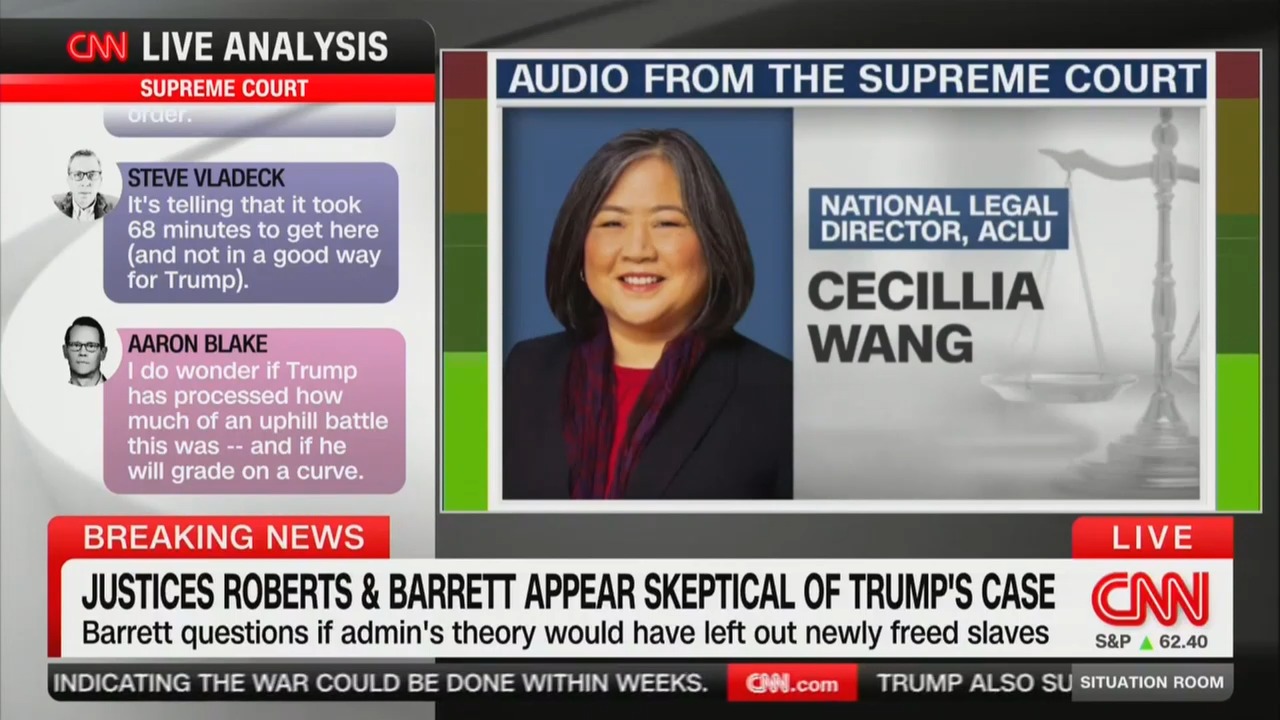
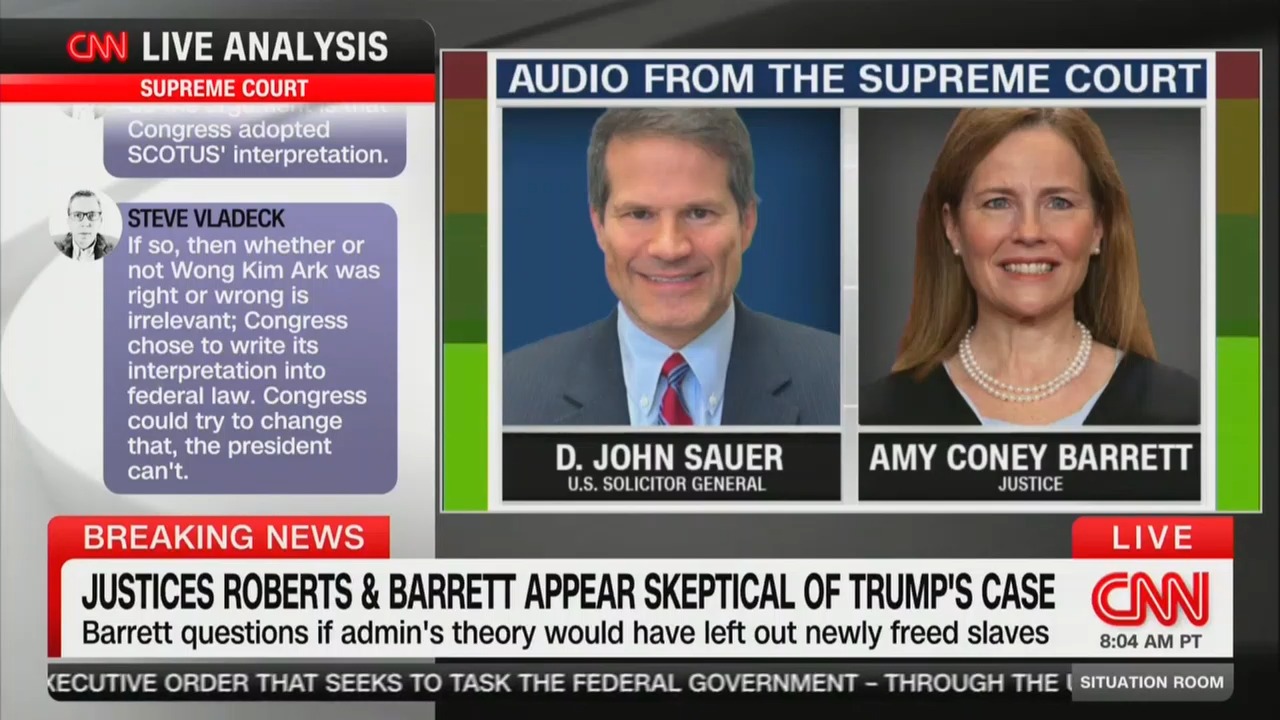
1 day agoTrump makes case for Iran war. And, SCOTUS leans toward upholding birthright citizenship
Trump stated that the war has been a military success and he expects U.S. forces to leave the country in a few weeks, emphasizing the need for allies to reopen the Strait of Hormuz for oil access.
US news
fromemptywheel
2 weeks agoMixing The Mixed Constitution - emptywheel
Burke's was a broadside that not only excoriated the social upheavals effected by the French revolutionaries and (by extension) commended by Marx, but the continual economic and social instability prized by modern liberal economic philosophy and practice. Against a new class of elites-mainly, an alliance between ideological progressive theorists and a rising financial oligarchy-Burke urged protection of the stability, tradition, and social continuities vital for the flourishing of ordinary people.
Left-wing politics
Law
fromAbove the Law
4 days agoBiglaw To D.C. Circuit: This Isn't Just About Us - It's About Whether The President Can Put Lawyers On A Leash - Above the Law
The fight over Trump-era executive orders targeting Biglaw firms intensifies as firms argue these orders threaten constitutional independence and the rule of law.
fromBig Think
4 weeks agoHow the U.S. Constitution protects liberty from the powerful's dark impulses
The real Führer is always a judge. Out of Führerdom flows judgeship. One who wants to separate the two from each other or puts them in opposition to each other would have the judge be either the leader of the opposition or the tool of the opposition and is trying to unhinge the state with the help of the judiciary.
History
Cannabis
fromwww.npr.org
1 month agoSupreme Court wrestles with gun rights, marijuana, and the right to own a gun
The Supreme Court examined whether federal law prohibiting marijuana users from owning guns is constitutional under the Second Amendment, with the outcome potentially affecting gun control legislation.
Law
fromAbove the Law
2 weeks agoThe Rule Of Law Joins America's Dead Pets On The Rainbow Bridge - Above the Law
Trump attorney John Lauro claimed the DOJ improved under Attorney General Pam Bondi, contradicting legal observers who view current conditions as a constitutional crisis threatening prosecutorial independence.
Law
frompatentlyo.com
3 weeks agoJudge Newman Asks the Supreme Court to Intervene: Framing Judicial Independence as a Constitutional Imperative
Judge Pauline Newman, barred from judicial duties since 2023 without impeachment or disability finding, petitioned the Supreme Court to challenge the Judicial Conduct and Disability Act's bar on reviewing judicial council orders.
US politics
fromSlate Magazine
2 weeks agoThe Supreme Court Just Heeded One of Ketanji Brown Jackson's Sharpest Dissents
The Supreme Court unanimously refused to immediately revoke Temporary Protected Status for over 350,000 immigrants from Haiti and Syria, instead allowing full judicial review while maintaining their legal protections.
Law
fromABA Journal
4 weeks agoNearly 200 former judges denounce claim that courts are ignoring Supreme Court orders
Over 175 former federal and state judges denounce Trump administration claims that district courts are ignoring Supreme Court orders, calling such attacks an extraordinary assault on the judiciary.
US politics
fromAbove the Law
1 month agoEven A Trump Judge Knows We're In The Middle Of A Constitutional Crisis - Above the Law
ICE's operations at the Whipple Federal Building violate detainees' constitutional rights through opaque transfers, inadequate legal notice, and dismissive government evidence.
fromAbove the Law
1 month agoThousands Of Law Students Demand Congress Allow The Constitution To Apply To ICE - Above the Law
A student-led coalition has gathered more than 2,600 signatures from law students, legal academics, and law student organizations across 109 law schools calling on Congress to pass the Federal Officer Accountability Act. As the Department of Homeland Security disappears suspected migrants without due process, arbitrarily harasses citizens, and point blank kills innocent people on camera, a shocked public has learned what lawyers have talked about for years: the government has stacked the immunity deck to functionally shield law enforcement from accountability.
Law
fromemptywheel
2 months agoThis Is Not A Constitutional Moment - emptywheel
This script is based on a theory proposed by Bruce Ackerman, Sterling Professor of Law and Political Science at Yale Law School. Ackerman's idea is laid out in his 1991 book We The People: Foundations, and is discussed in the second of his Oliver Wendell Holmes Lectures of 2006. It's gained prominence since the 2024 election and the wholesale assault on our governmental system by Trump.
US politics
fromABA Journal
2 months agoChemerinsky: The Fourth Amendment comes back to the Supreme Court
From 2021 until 2026, the U.S. Supreme Court did not decide one case involving traditional Fourth Amendment issues-such as what is a search, when is a warrant required and whether the exclusionary rule applies. I taught Criminal Procedure - Investigations in the fall semester and struggled to explain to my students why the justices seemingly had lost interest in the Fourth Amendment. But this term, there are two Fourth Amendment cases, one already decided and one to be argued this spring.
Law
[ Load more ]