#cookware-durability
#cookware-durability
[ follow ]
#cookware #cast-iron #food-safety #kitchen-tools #kitchen-safety #kitchen-design #kitchen-appliances
UX design
fromYanko Design - Modern Industrial Design News
1 day agoGrade 5 Titanium, M390 Steel, Ceramic Bearings, $120 Price Tag: The EDC Knife to Beat in 2026 - Yanko Design
The GraphiX knife combines high-quality materials and design to eliminate compromises in performance, durability, and usability.

fromBon Appetit
1 week ago10 Chefs Share the Pans They Use Most in Their Restaurants
When churning out cover after cover at the saute station you can't exactly be picky about what's on the shelf above the stove. But that doesn't mean professional chefs don't have opinions about the pans they use every day during service.
Cooking
#kitchen-safety
Everyday cooking
fromTasting Table
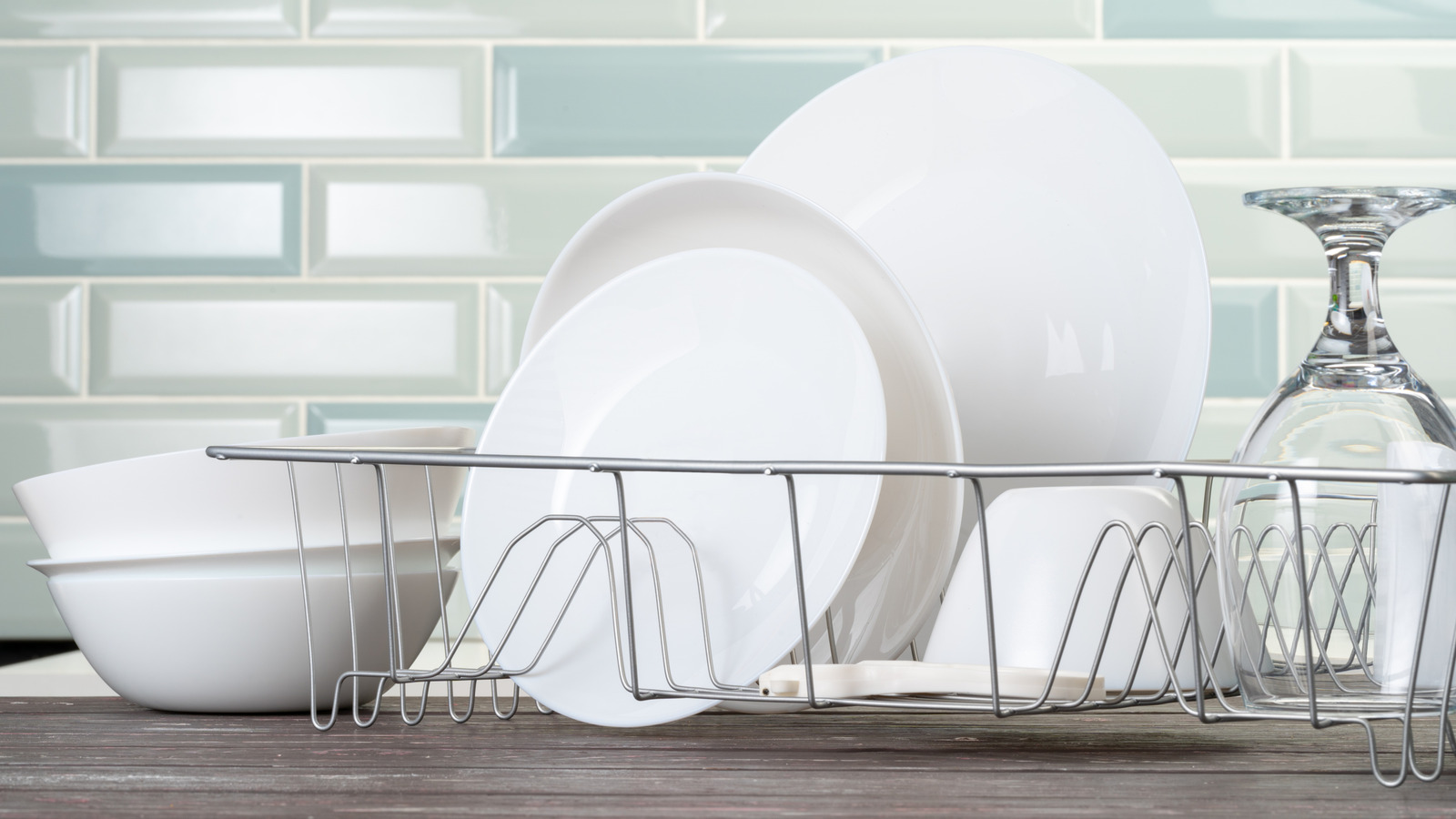
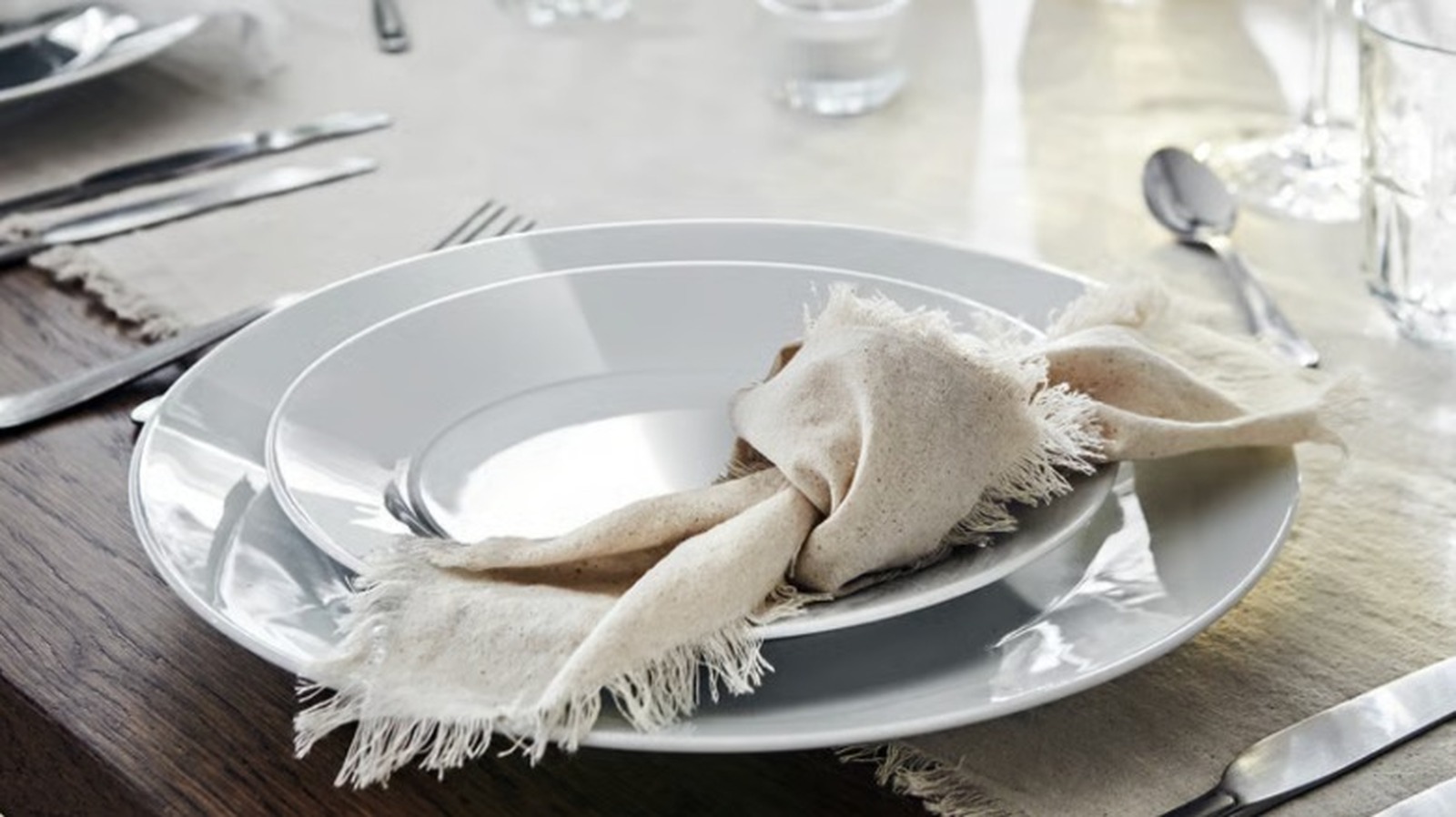
3 weeks agoIf Your Plates Look Like This, It's Time To Toss Them Out, According To Chefs - Tasting Table
Chipped or cracked dinnerware poses health and safety risks by harboring bacteria, causing physical injuries, and potentially leaching harmful substances like lead into food.
fromTasting Table
2 weeks agoCan You Use Aluminum Foil In The Broiler? - Tasting Table
The average oven broiler generally reaches 500 to 550 degrees Fahrenheit. As well as being an incredibly tough material and, despite its malleability, aluminum foil is well within its range to handle the high heat of a broiler. At 1,220 degrees Fahrenheit, it has a melting point over double the average temperature your broiler can reach.
Cooking

Cooking
fromTasting Table
3 weeks agoAldi's Returning Cast Iron Cookware Has A Luxurious Look For A Fraction Of The Cost - Tasting Table
Aldi offers affordable pastel-colored enameled cast iron cookware from March 11-17, including a 4-quart braiser for $19.99 and 7-quart Dutch oven for $39.99, saving hundreds compared to Le Creuset alternatives.
Food & drink
fromTasting Table
1 month agoIt's Time To Ditch Plastic Food Storage Kitchenware And Invest In Silicone - Here's Why - Tasting Table
Food-grade silicone storage containers are safer and more heat-resistant than many plastics, non-reactive, BPA-free, dishwasher/microwave/oven-safe, and less likely to release harmful chemicals.
fromTasting Table
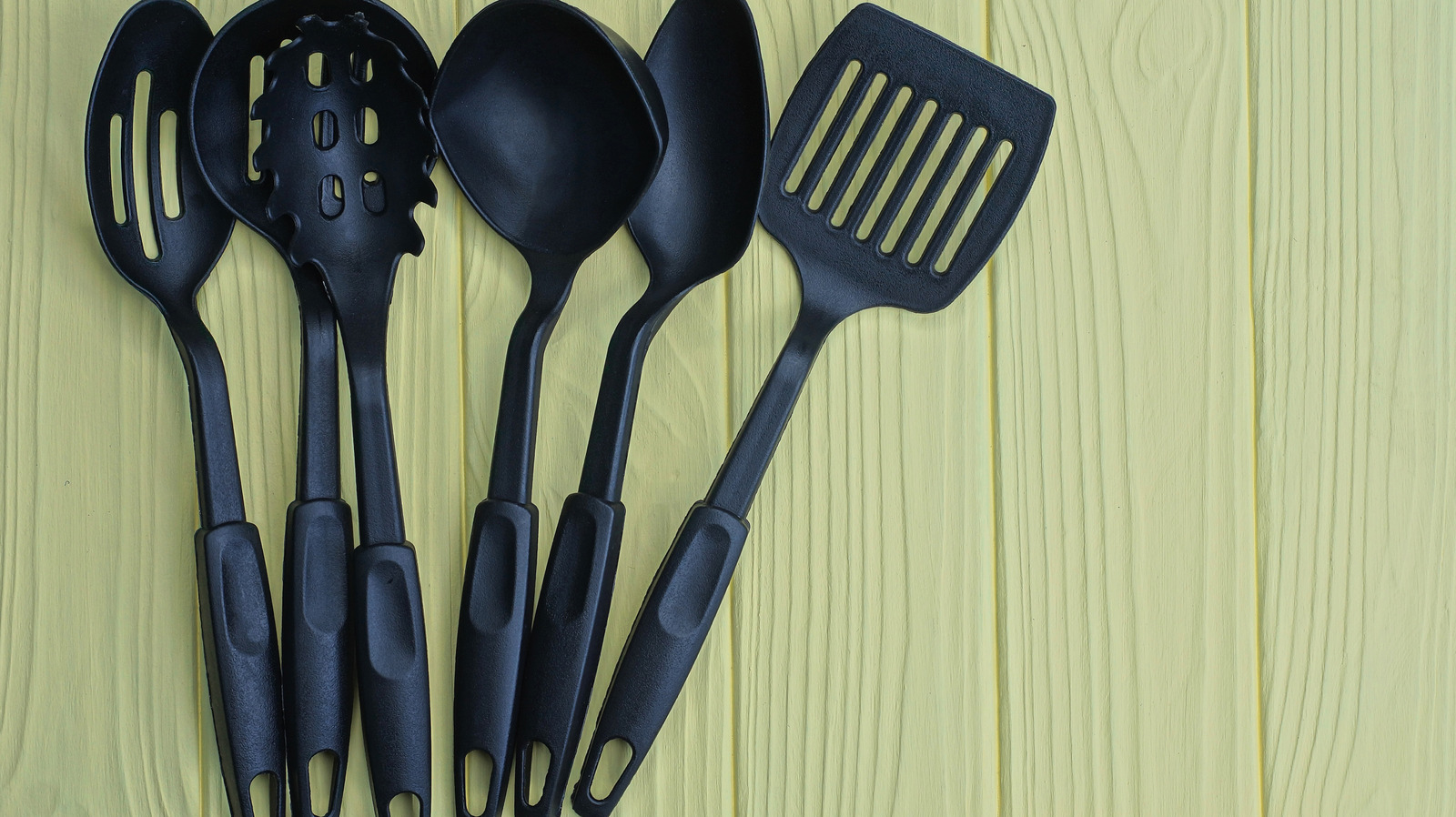
2 months agoSwap These Plastic Kitchen Items For Safer, Smarter Alternatives - Tasting Table
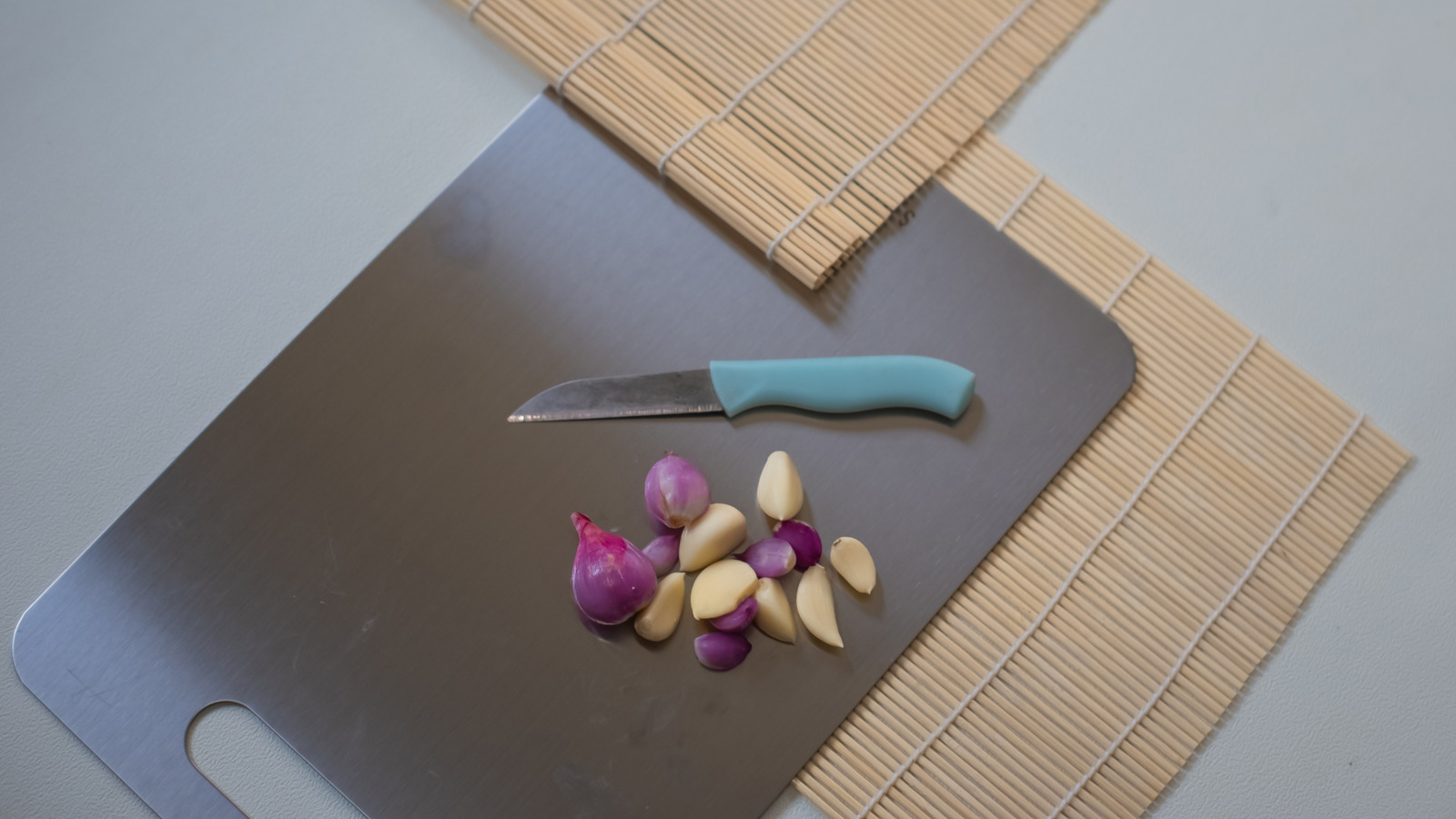
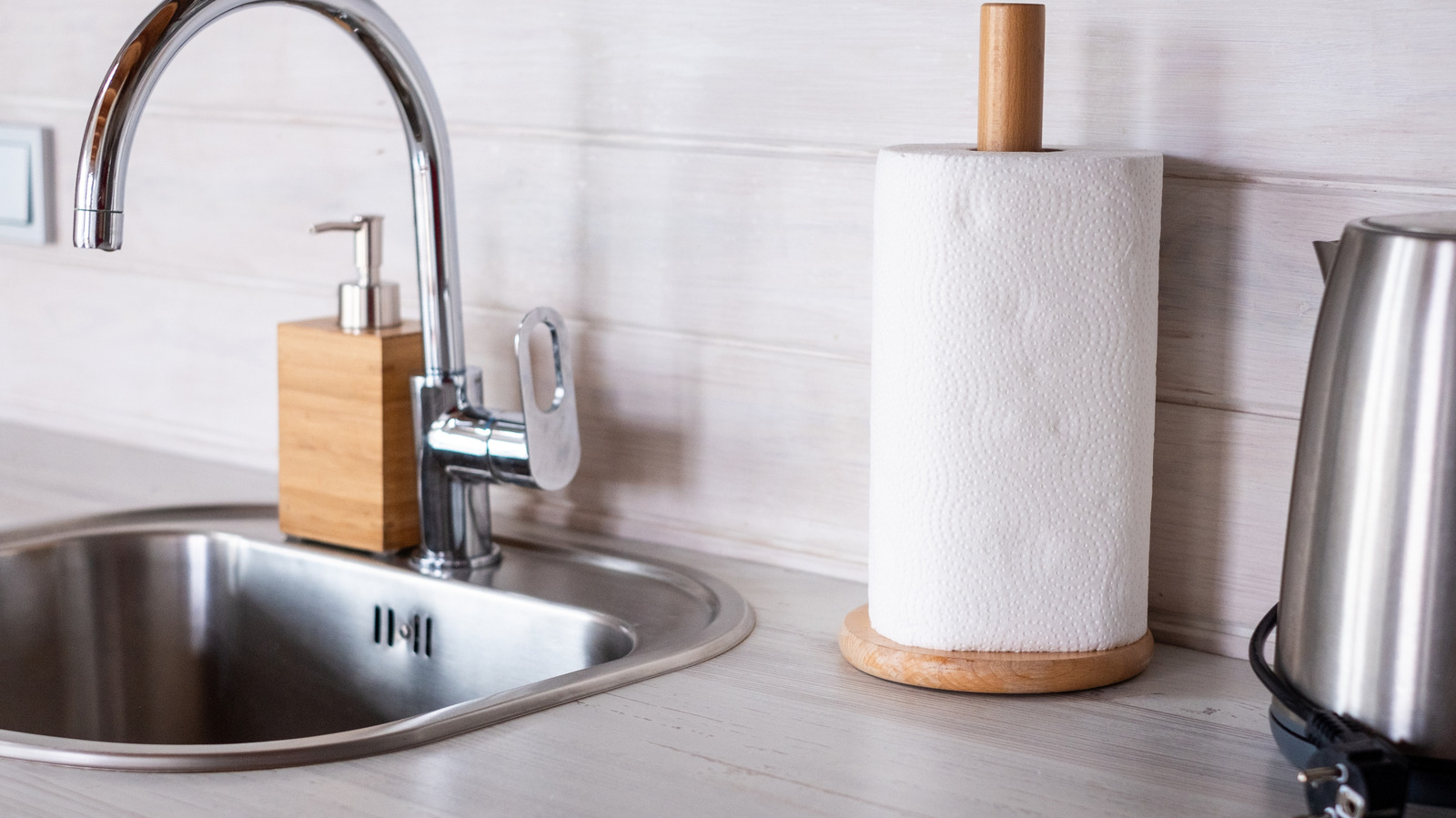
If you throw away a plastic item today, it'll very likely still be around for decades to come. In fact, some research suggests that certain plastic items could take up to 500 years to decompose. To put that in context, that means that if, say, Henry VIII threw away a plastic coffee pod in Tudor England, it would only just be finished degrading now. He didn't, of course; plastic wasn't used regularly until the 20th century. But you get the point.
Environment
Design
fromYanko Design - Modern Industrial Design News
2 months agoWhat If Your Spoon Could Evolve? This Designer Found Out - Yanko Design
Reimagining spoons as evolving organisms demonstrates how recombination, mutation, natural selection, and handicap generate functional, adaptive, and surprising cutlery forms.
Cooking
fromTasting Table
1 month agoRIP To These Cooking And Baking Products That Vanished From Store Shelves - Tasting Table
Popular cooking and baking ingredients are being discontinued without official announcements, leaving consumers searching for alternatives or mourning the loss of beloved products.
Everyday cooking
fromTasting Table
1 month agoSkip The Microwave And Reheat Leftovers This Way For Even Heating - Tasting Table
Convection ovens reheat leftovers more effectively than microwaves by circulating hot air for even heating and crispy exteriors, and air fryers function as accessible convection ovens for home kitchens.
Everyday cooking
fromwww.mercurynews.com
1 month agoThese dual fuel ranges offer the ultimate cooking precision
Dual fuel ranges combine gas stovetops with electric convection ovens, offering precise temperature control and versatile cooking capabilities including roasting, baking, air frying, and broiling.
Food & drink
fromTasting Table
2 months ago7 Our Place Products To Buy And 7 To Avoid, According To Customer Reviews - Tasting Table
Always Pan 2.0 is a best-selling, oven-safe multifunctional pan with improved nonstick coating and a recycled-aluminum core, while other Our Place products vary in durability and performance.
fromTasting Table
2 months agoRust In Your Microwave: When It's Dangerous And When It's Not - Tasting Table
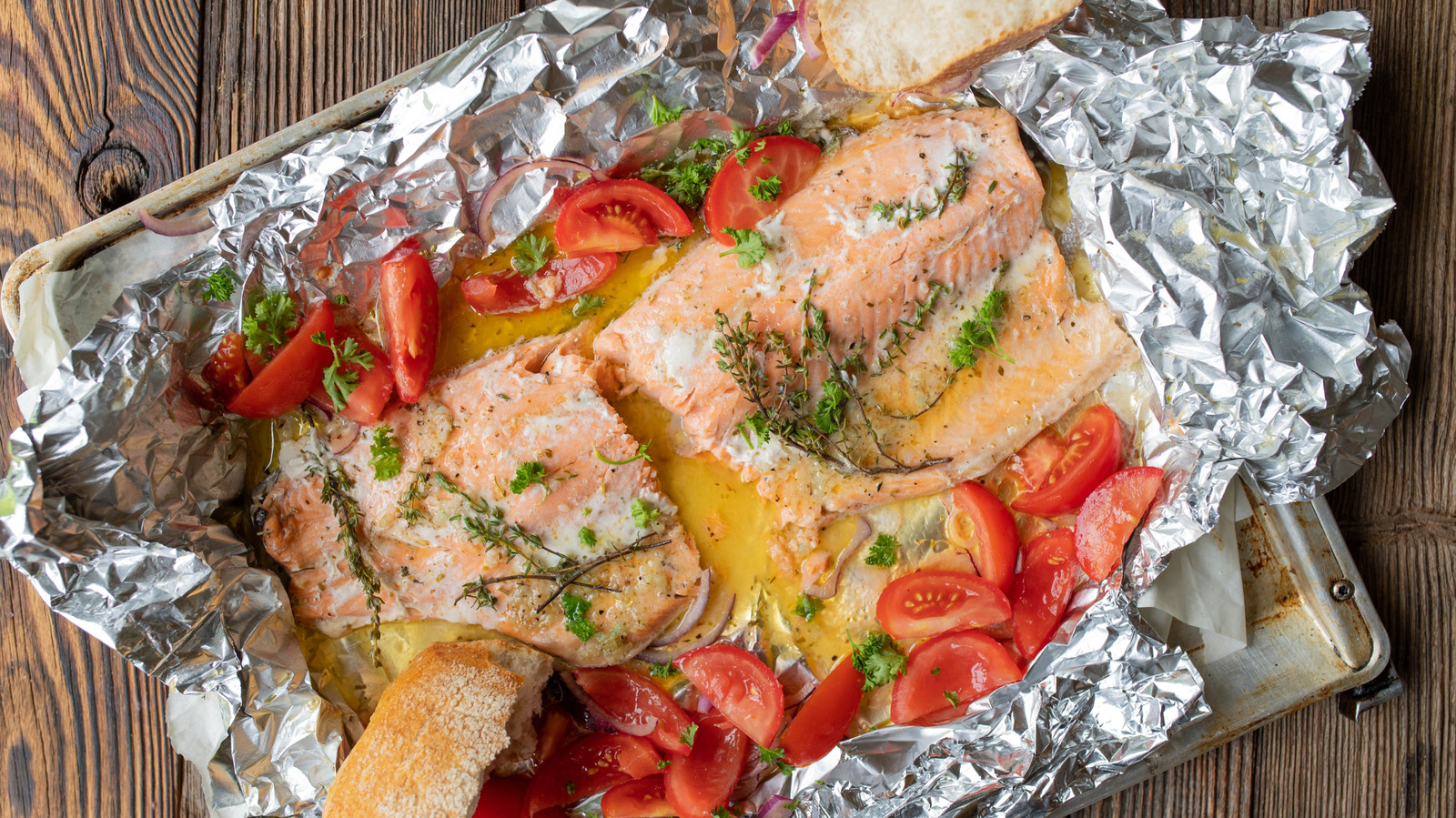
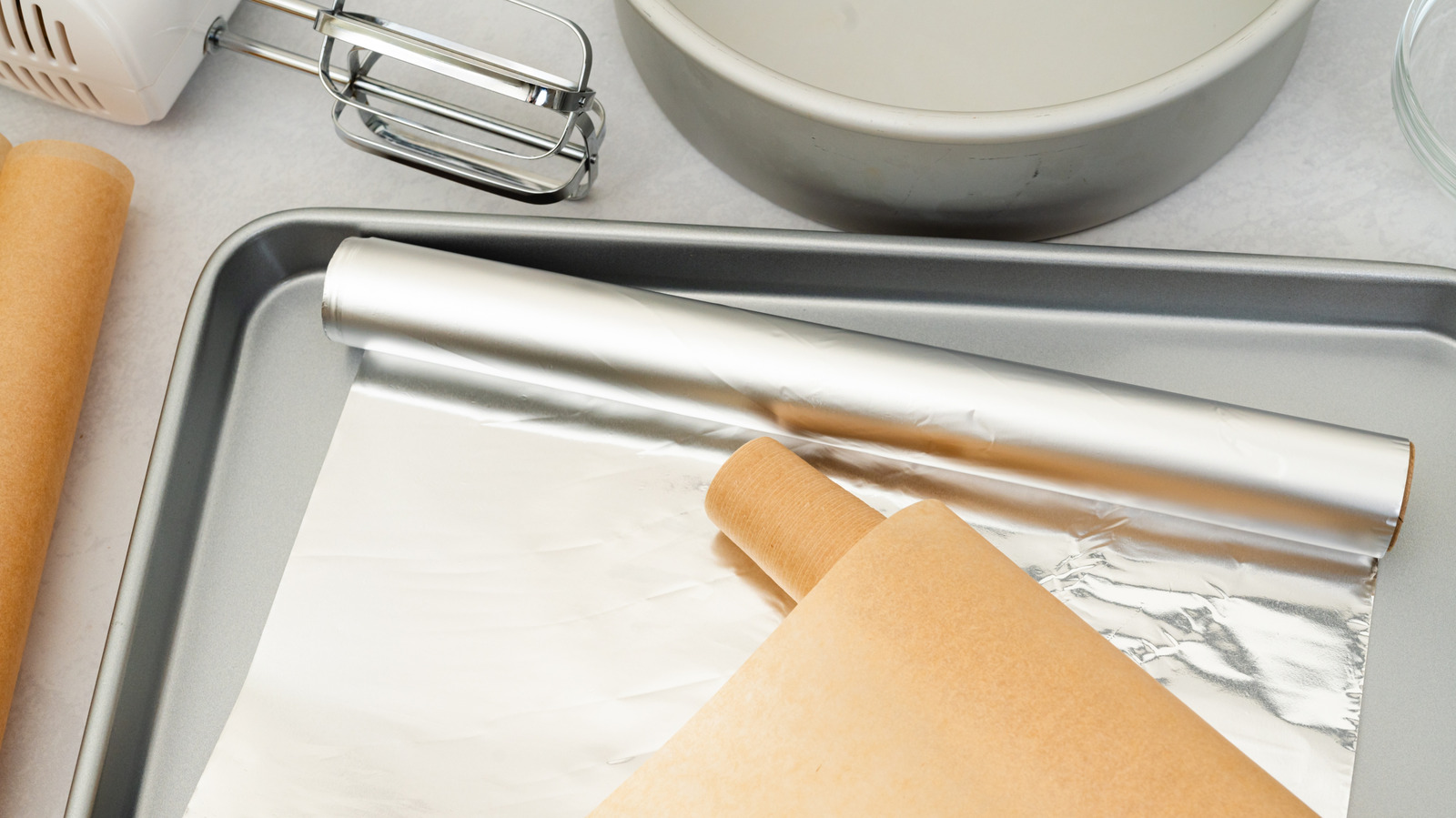
We may receive a commission on purchases made from links. The average microwave should last around seven to 10 years, assuming that you look after it well. But during this time, you might notice patches of rust appear inside or on the outer casing of the appliance. If the rest of the microwave is in good working order, you might be wondering if these rust spots are reason to throw it out.
Gadgets

fromTasting Table
1 month agoThe Common Cleaning Mistake That's Destroying Your Vintage Cookware - Tasting Table
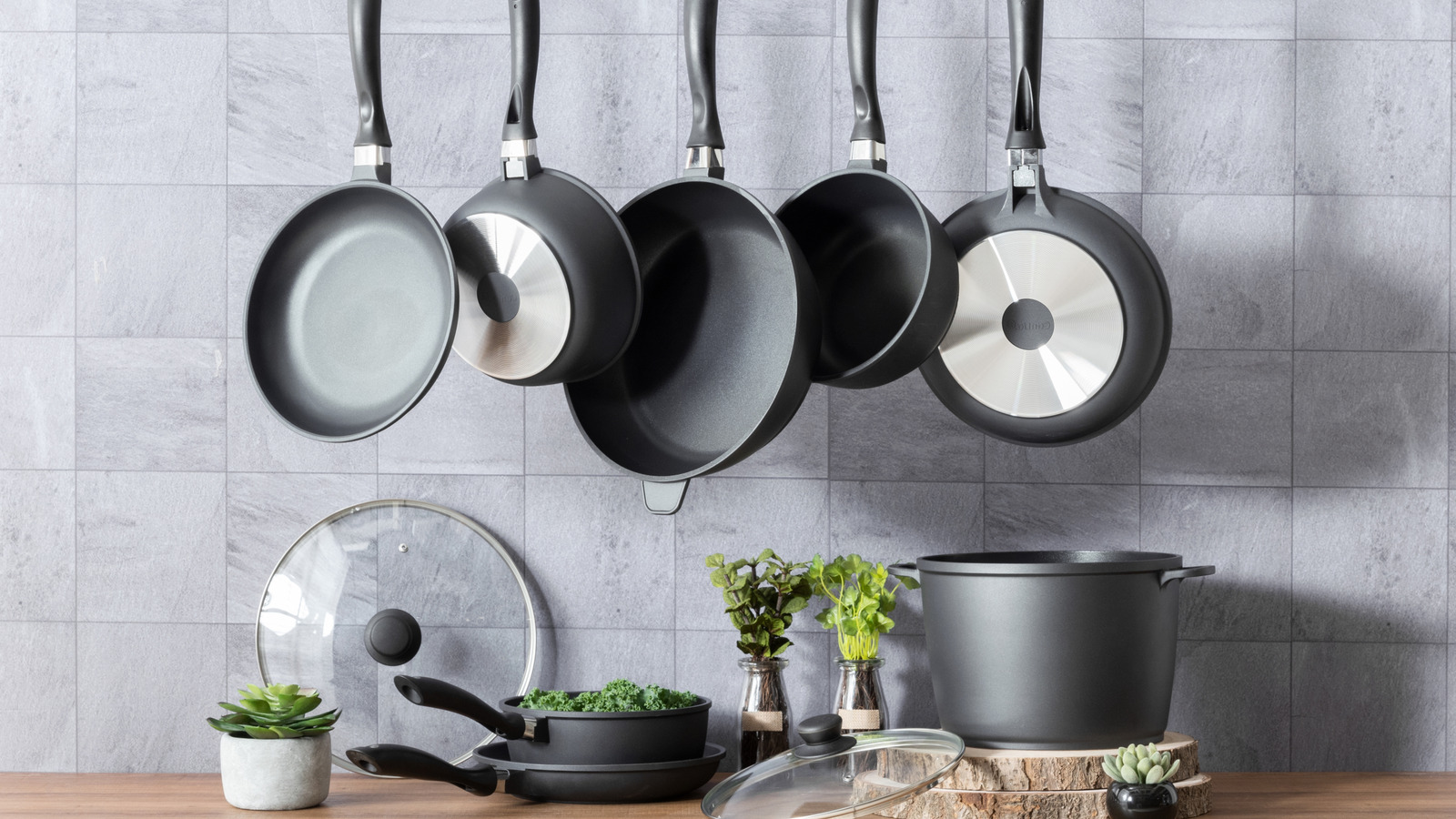
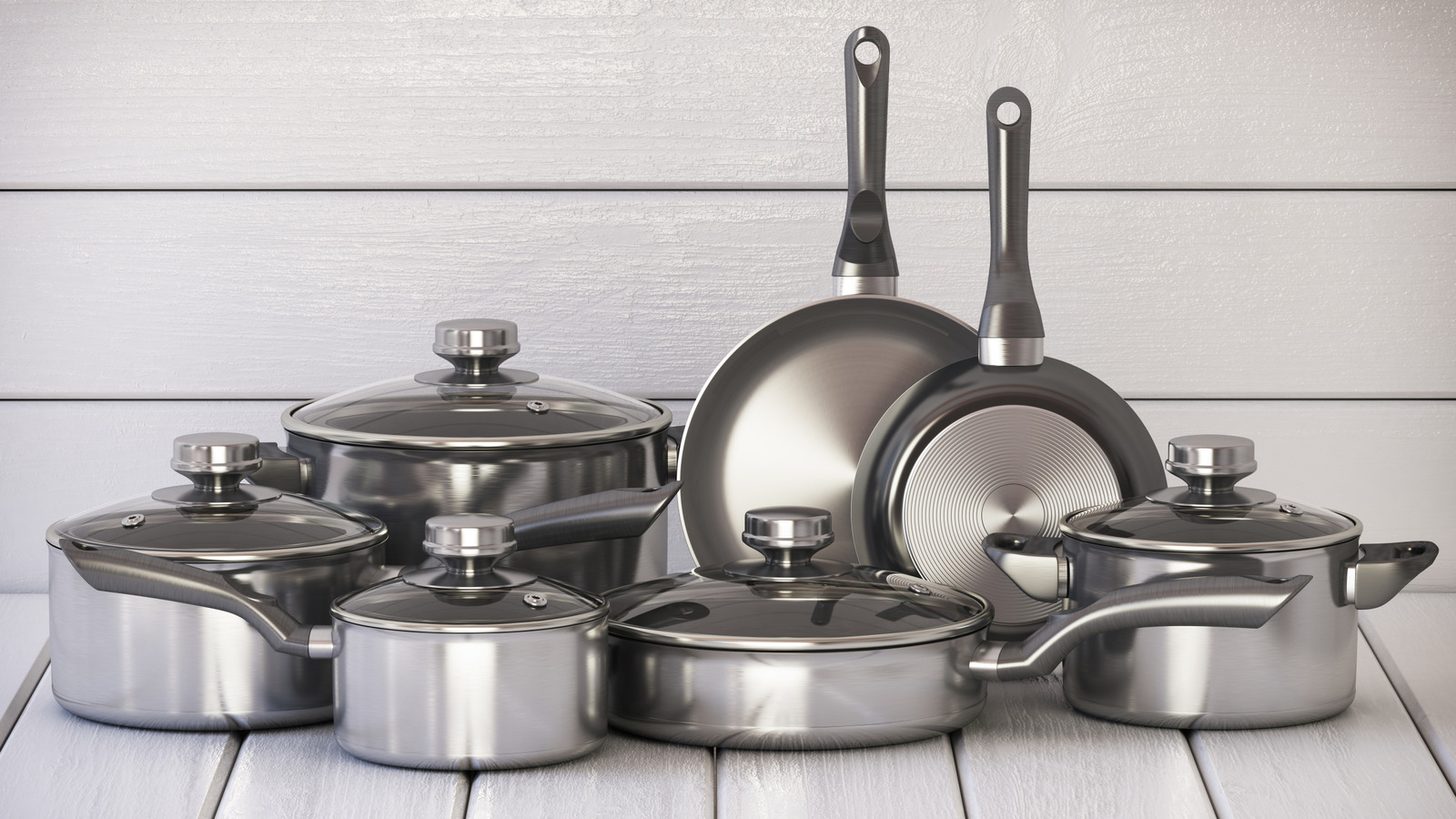
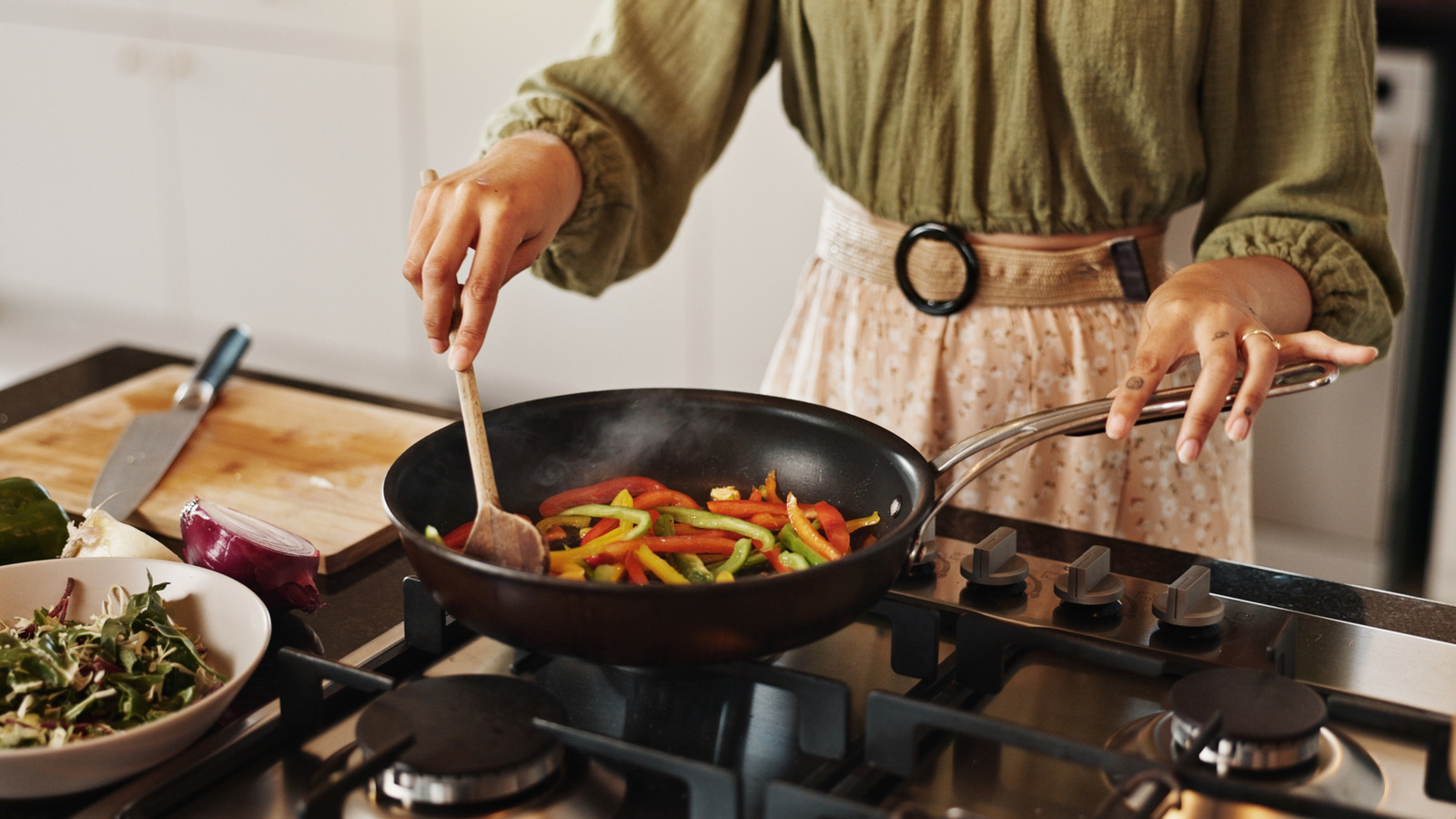
Other than wanting to preserve a vintage piece for nostalgic or aesthetic reasons, some vintage cookware sets can be worth a fortune these days. But even if you don't have a full set or plan to cash in on your cookware later, part of the charm of vintage kitchen items is their lasting durability combined with their often whimsical and colorful designs or features.
Cooking
fromTasting Table
1 month agoThe 10 Mistakes Everybody Makes When Cooking With Stainless Steel - Tasting Table
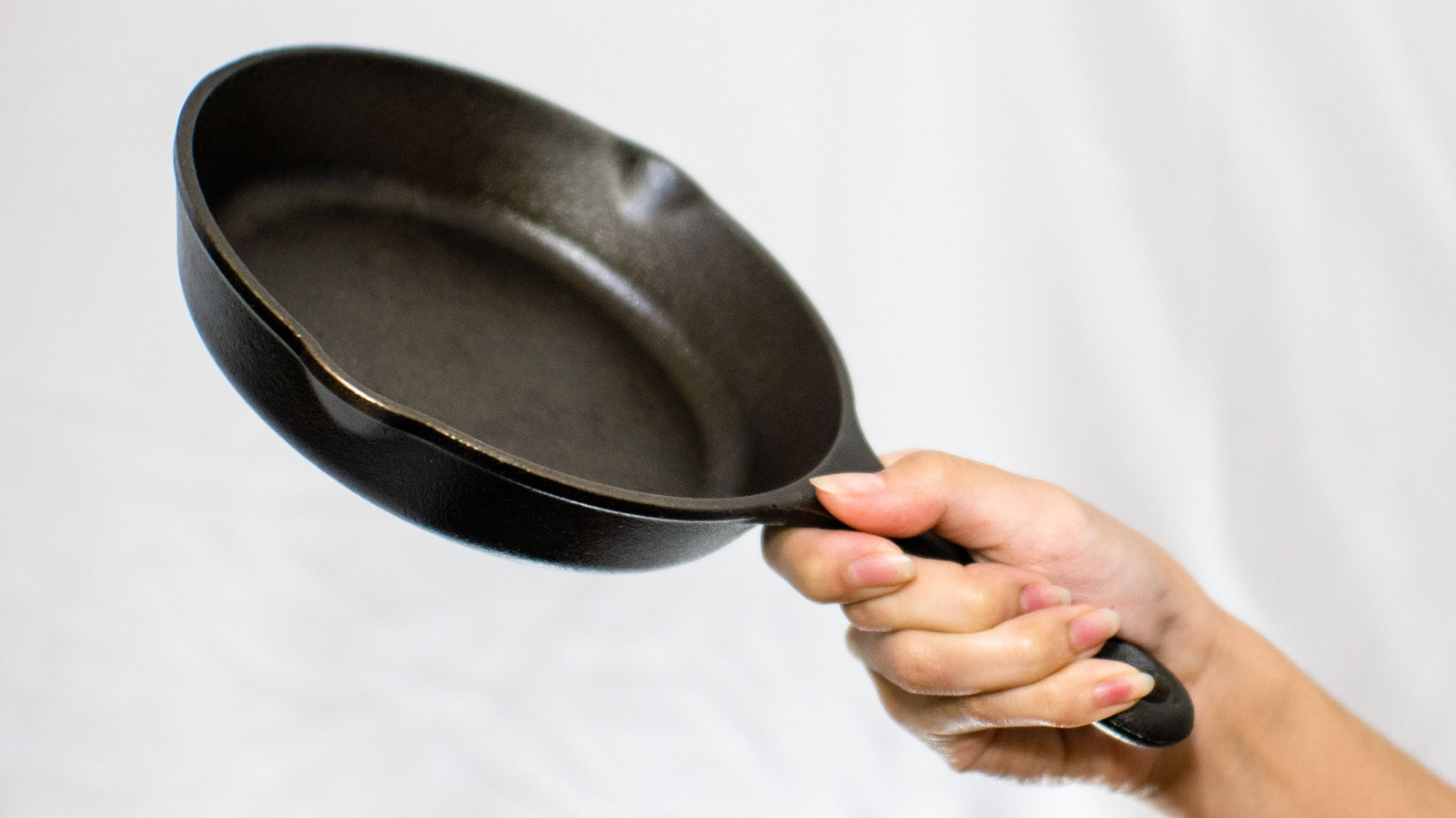
others are more likely to damage your pan and may even shorten its lifespan. It turns out that some of the main complaints you have about cooking with stainless steel might be because of user error, even if you're a seasoned cook. In fact, once you correct what you've been doing wrong with your stainless steel cookware, you might use them just as often or more than your non-stick pans, especially if you're worried about non-stick forever chemicals.
Everyday cooking
fromTasting Table
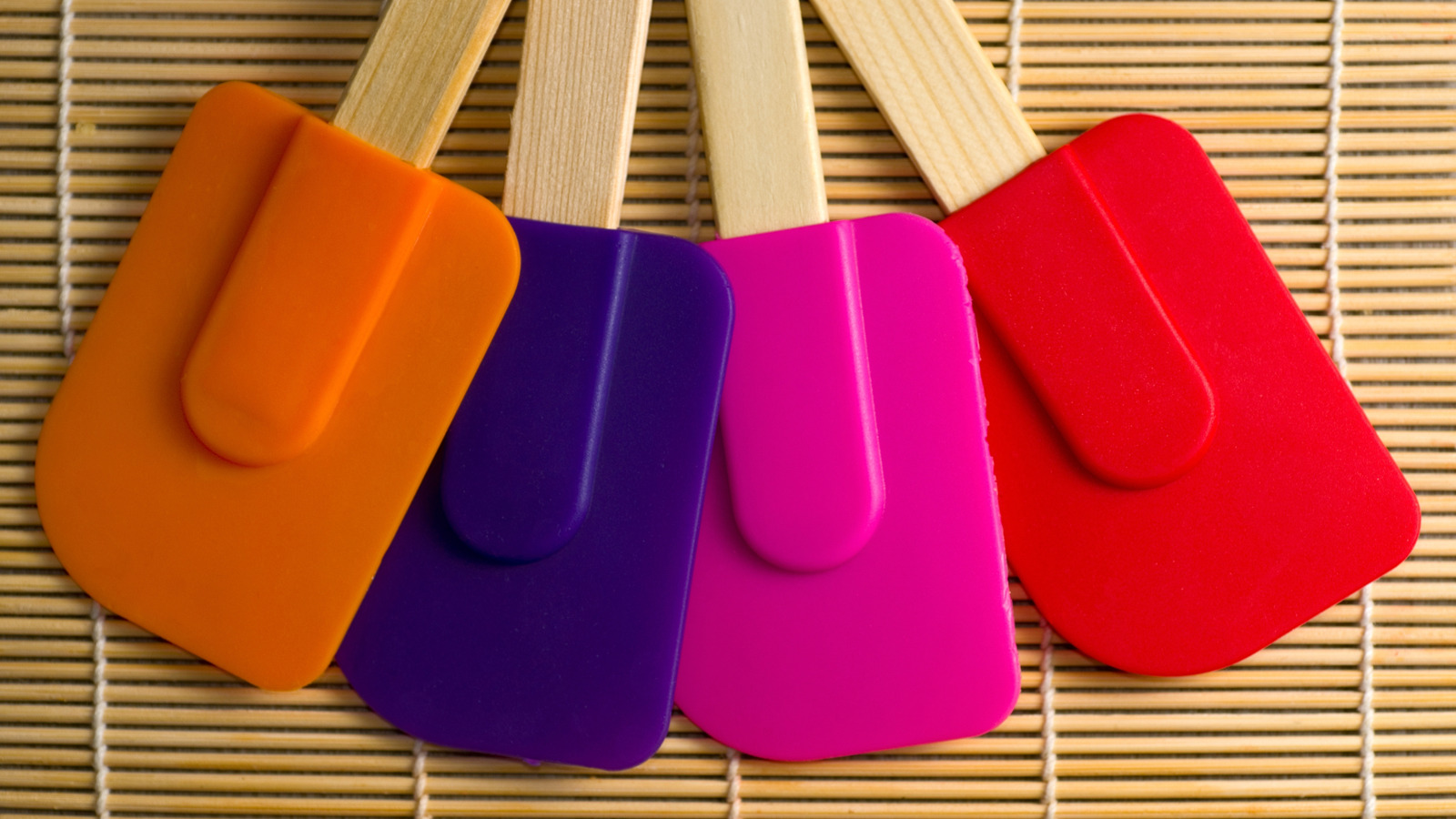
2 months ago10 Mistakes You Might Be Making With Silicone Lids - Tasting Table
Whether you've lost the lid to your favorite pan or you're trying to use less plastic wrap in your kitchen, silicone lids can play an important role in your kitchen routine. Some of these lids are large enough to cover a pan on the stove, preventing excess moisture from escaping. Others are smaller and are ideal for covering cups, bowls, and food storage containers that don't have tops.
Cooking
fromTasting Table
2 months ago12 Mistakes Everyone Makes With Silicone Baking Mats - Tasting Table
Instead of using parchment paper (which comes with its own set of potential mistakes to make), which you can use a maximum of a few times before you have to throw it out, you can keep using the same silicone baking mat over and over again. They're also great when you want to keep a really even, consistent temperature while baking your pastries, since they're known for distributing heat well.
Cooking
fromTasting Table
1 month agoDon't Toss Your Eggshells - Use Them On Your Cookware For Sparkling Results - Tasting Table
But once food has carbonized and bonded to metal, the issue is mechanical, and you need something to physically break the residue apart. Eggshells are mostly composed of calcium carbonate, the same mineral found in chalk and limestone - you've probably encountered it in your toothpaste, too. When crushed into a powder, these shells become a mild abrasive, which can gently sand down the grime.
Cooking
fromTasting Table
1 month agoThis Genius Tool Solves The Mixing Bowl Problem Every Cook Knows - Tasting Table
If you've ever mixed something vigorously in a large bowl during a cooking project, you have probably experienced the universal frustration of a tilting, wobbly bowl. Maybe you're whipping cream by hand, whisking a vinaigrette, or even just beating eggs for a casual, but perfect, omelette, and notice the bowl starts migrating across the counter. There are some low-tech workarounds, like a damp towel or a silicone mat slipped underneath the bowl. Neither works terribly well, especially with super-slippery granite countertops.
Cooking
[ Load more ]