#cooling-materials
#cooling-materials
[ follow ]
#energy-efficiency #heat-pumps #sustainable-architecture #data-centers #building-integrated-photovoltaics
Environment
fromFortune
2 days agoData centers are so hot, their 'heat island' effect is raising temperatures up to 6 miles away and impacting 343 million people worldwide, study finds | Fortune
AI infrastructure is creating a 'data heat island effect' that raises local temperatures and impacts millions of people.
UX design
fromYanko Design - Modern Industrial Design News
2 weeks agoWhat If Google's Server Heat Became Its Most Prominent Design Feature? - Yanko Design
Data server room design can creatively integrate sustainability concepts, as demonstrated by the award-winning Google Sustainable Headquarters concept by Lia and Michell Hur.
fromArchDaily
1 week agoDesigning for Obsolescence in an Age of Perpetual Upgrades
In the nineteenth century, entire railway networks became obsolete almost overnight, not due to physical deterioration, but because of changes in the technical standards that supported them. The expansion of railroads across Europe and North America adopted different track gauges, and as a dominant standard gradually emerged, these infrastructures became incompatible with one another.
Renovation
Design
fromArchDaily
3 weeks agoFacing the Age of Robots? Material Innovation in Architectural Structures
Robotic technology in construction extends beyond automation and cost reduction to fundamentally reshape architectural design, material experimentation, and construction methodologies through collaborative human-robot workflows.
fromReadWrite
2 weeks agoFrom Reactive Repairs to Smarter Home Protection: How Technology Is Changing Roof Care
In the past, roof inspections mostly focused on what could be seen from the outside. Contractors looked for broken shingles, worn flashing, or areas where water might enter the roof. The problem is that roof damage does not always show clear signs right away. Water can move through roofing layers before it becomes visible inside the home.
Renovation
fromSustainable Bus
4 weeks agoKonvekta to present CO-based thermal management systems for electric buses at mobility move 2026 - Sustainable Bus
Heating, cooling, and battery temperature control are among the biggest energy consumers in electric buses today - and thus have a direct impact on range, availability, and operating costs.
Alternative transportation
fromLondon Business News | Londonlovesbusiness.com
4 weeks agoHow to maintain efficient heat recovery ventilation in modern commercial spaces - London Business News | Londonlovesbusiness.com
Checking your equipment once a month helps catch small issues before they turn into expensive repairs. A routine keeps everything running smoothly and extends the life of the hardware. Managers should create a simple checklist for their maintenance staff to follow.
Business
#sustainable-design
Design
fromYanko Design - Modern Industrial Design News
3 weeks agoMIT Finally Built the House Your Great-Grandkids Will Inherit - Yanko Design
MIT's Heirloom House project uses nine modular concrete components engineered to last 1,000 years, assembled through gravity and friction rather than permanent fasteners.
Design
fromYanko Design - Modern Industrial Design News
1 month agoA Swiss Designer Just Replaced Your HVAC System With a 500-Year-Old Pot - Yanko Design
Ancient terracotta-based heating and cooling systems offer a unified, energy-efficient alternative to modern split infrastructure by leveraging centuries-old physics of thermal absorption and evaporative cooling.
fromLos Angeles Times
35 years agoStress-Skin Paneling Makes Airtight House
Stress-skin panel construction is probably the most energy-efficient and cost-effective building method available today. With super-high insulation levels and airtightness, a stress-skin panel house should have extremely low heating and cooling costs. A reduction of 50% on utility bills as compared to a typically constructed house is reasonable.
Remodel
#building-integrated-photovoltaics

Renovation
fromYanko Design - Modern Industrial Design News
3 weeks ago5 Solar Panel Designs So Beautiful You'd Never Know They're Generating Power - Yanko Design
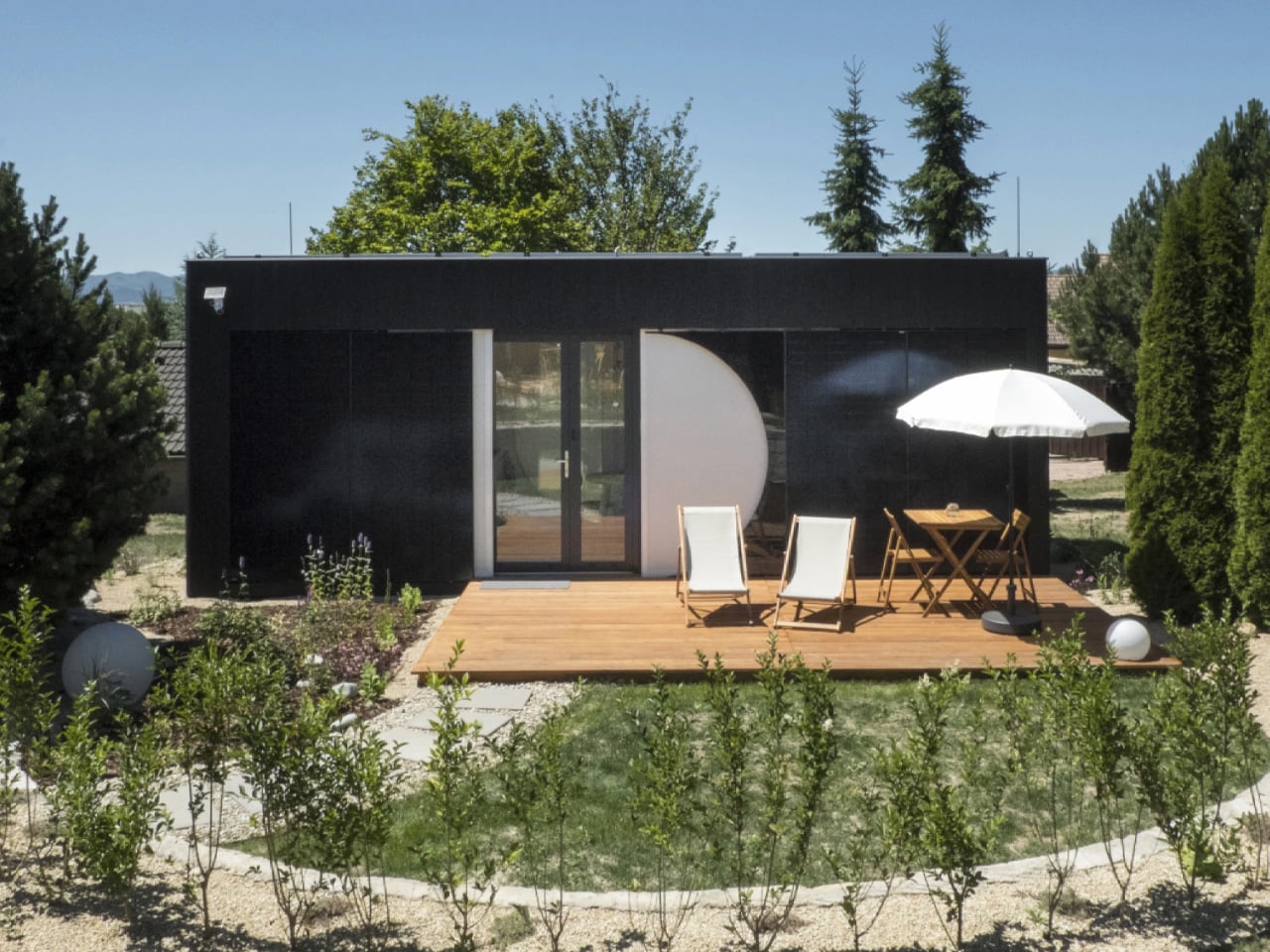
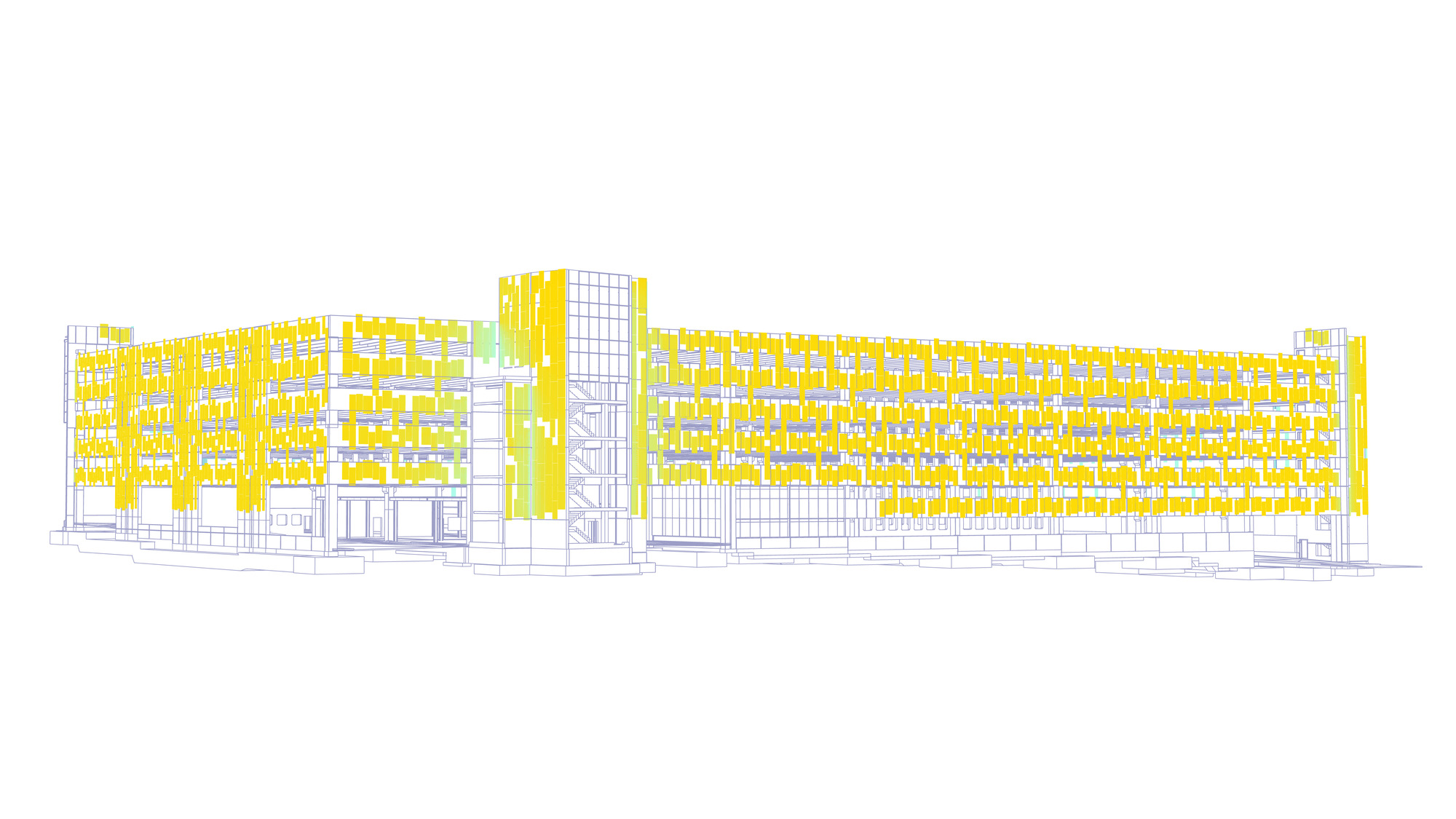
Buildings are evolving from energy-efficient structures into active power generators through integrated photovoltaic technology and aesthetic solar solutions.
fromWIRED
1 month agoThis Laptop Cooling Pad Knocked 20 Degrees Off My Laptop's CPU Temperature
Laptop cooling pads have been around for decades, and the idea has always been simple: provide extra air to blow through a laptop that's otherwise restricted by its own cooling system. In theory, more air means lower temperatures-and, ultimately, better performance. This is the whole idea of the power modes that exist in Windows, which ramp up the RPMs (rotations per minute) of the fans to add more air to both improve performance.
Gadgets
fromArchDaily
3 weeks agoHow Architecture Is Learning to Generate Its Own Energy
Photovoltaic (PV) solar energy represents a modular technology that can be manufactured in large-scale facilities, generating economies of scale, while also being adaptable to small-scale applications. From residential rooftop systems to large-scale power generation installations, photovoltaic solar energy has established itself as a cost-effective option for electricity production in many countries around the world.
Environment
#sustainable-architecture
Renovation
fromYanko Design - Modern Industrial Design News
2 weeks ago5 Greenhouse-Based Designs That Use 90% Less Water Than Yours - Yanko Design
Integrated greenhouse systems transform homes into self-sustaining structures that merge architecture with food production, reducing resource dependence and enhancing energy efficiency.

fromArchDaily
1 month agoThermal Memory: How Climate Shapes Architectural Heritage
Heritage is usually catalogued by what can be drawn, not by what changed temperature. In heat, buildings are learned first through skin, only later through sight. Generations learn, through their bodies, what works. Shade reduces glare and radiant heat. Air movement shifts perception by several degrees. Thick walls slow temperature swings.
Miscellaneous
fromArchDaily
3 weeks agoBuilding with Earth: Traditional Knowledge in Contemporary Architecture
Rather than representing a simple return to the past, this renewed interest reflects a broader reconsideration of how architecture engages with materials, local resources, and environmental conditions.
Renovation
Gadgets
fromYanko Design - Modern Industrial Design News
1 month agoA Water Heater That Doubles as a Data Center - and Cuts Your Energy Bill - Yanko Design
Superheat H1 replaces traditional heating elements with processors that simultaneously compute and heat water, using a single electricity input twice to reduce hot water energy consumption by up to 80 percent.
#heat-pump-technology
Environment
fromwww.dw.com
1 month agoDo heat pumps work in cold weather?
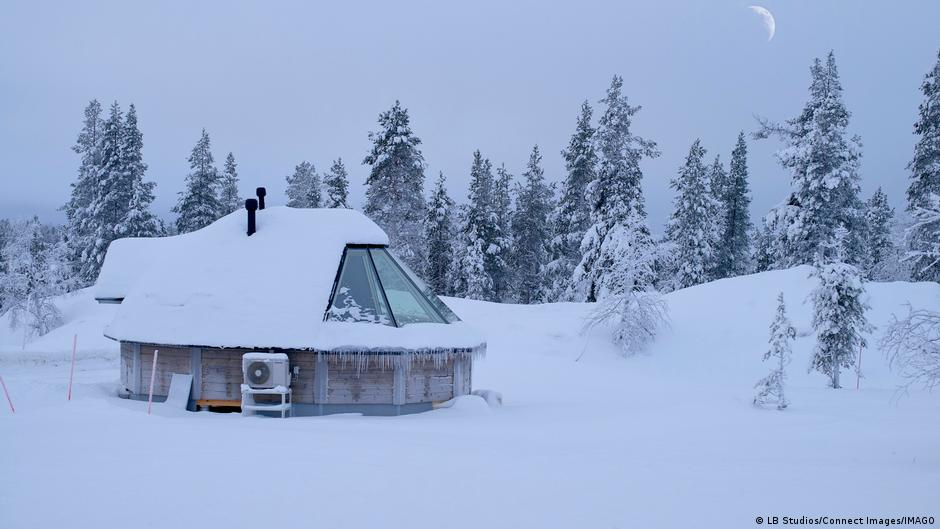
Heat pumps function effectively in extreme cold temperatures, with refrigerants operating below minus 40°C and air-source models working reliably at minus 25°C, making them viable alternatives to fossil fuel heating systems even in harsh climates.
fromwww.theguardian.com
1 month agoExtreme heat lab: enduring the climate of the future
"So whenever people think about hot weather, they always talk about the temperature," he says. "There's two issues with that. First of all, most people don't realise that the temperature is measured in the shade. So if you're in direct solar radiation, the amount of heat stress you're exposed to is much greater as it will stress your body out a lot more."
Public health
Renovation
fromArchDaily
1 month agoUnderstanding U-Value: The Foundation of Energy-Efficient Envelopes
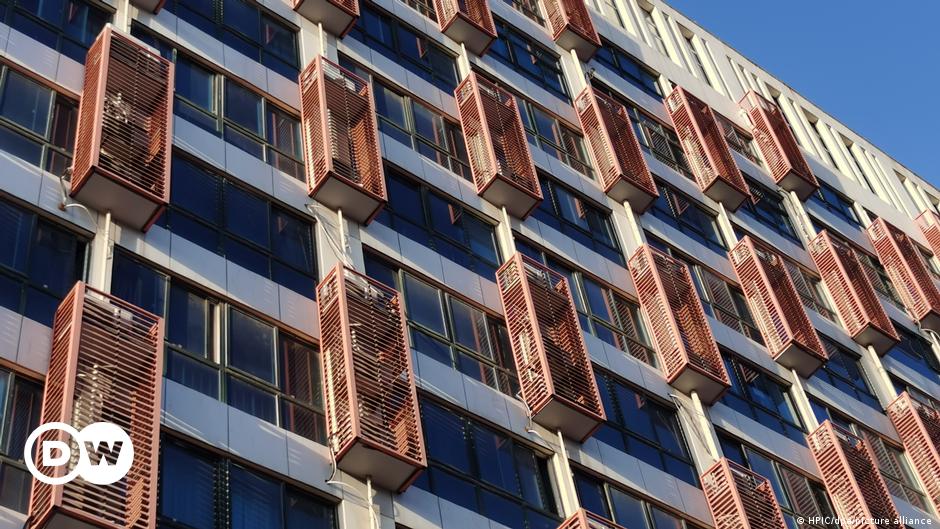
Building envelope thermal transmittance (U-value) is the fundamental metric determining energy efficiency, calculated by dividing heat flow by surface area and temperature difference to assess insulation performance.




Startup companies
fromTechCrunch
2 months agoHow Quilt solved the heat pump's biggest challenge | TechCrunch
Quilt's three-zone heat pump uses sensor-rich, data-driven control to maintain efficiency under demanding conditions while simplifying multi-zone installations and enabling over-the-air performance upgrades.
Environment
fromArchDaily
1 month agoCan Shading Become Energy? From Passive Facades to Productive Envelopes
Facades can generate significant renewable energy by integrating colored photovoltaic shutters that combine shading, daylight control, and electricity production without adding envelope complexity.

fromAeon
1 month agoIn solarpunk cities of the future, tech follows nature's lead | Aeon Essays
In Indra's Net of pearls and jewels, every gem reflects every other, a shimmering image of interdependence. This ancient Vedic metaphor for connection across the cosmos also illuminates what the environmental philosopher Glenn Albrecht first proposed in 2014as 'theSymbiocene': the era after the Anthropocene, in which human technologies take their cues from living systems and work in partnership rather than through dominance.
Philosophy
Business
from24/7 Wall St.
2 months ago3 Stocks Are Betting on Data Center Cooling. Here's Who's Best Positioned.
AI-driven server density and powerful GPUs create severe cooling needs, positioning data-center cooling suppliers, especially Modine, to benefit from hyperscaler infrastructure investments.
fromBusiness Matters
2 months agoWhy Thermally Modified Timber Has Moved Into the Construction Mainstream
Thermal modification is not a new invention, but its relevance has increased as expectations around performance, sustainability, and predictability have tightened. Developers, architects, and contractors are no longer just asking whether timber looks good or performs well initially. They want to know how it behaves after ten, twenty, or thirty years, and how much risk it introduces into a project once the scaffolding is gone.
Remodel
fromFast Company
2 months ago6 tech-infused items under $30 to keep you warm this winter
February is here. The "New Year, New Me" energy has officially worn off, replaced by a much more realistic "New Year, Same Me, But Freezing" thanks to a very disrespectful wind chill a heating bill that's starting to look like a phone number.
Gadgets
fromFast Company
1 month agoThis paint acts like a dehumidifier for your walls
It looks like ordinary paint, but a new coating called Lilypad Paint has a hidden ability to pull moisture out of the air. It works like a dehumidifier, without the energy use. If it's on the wall in your bathroom, it can suck water vapor out of the air after you've taken a shower. The paint holds the humidity in nano-size pores, and then slowly releases it as humidity levels fall in the room.
Science
fromArchDaily
1 month agoWhen Light Meets Energy in Glass Ceilings
From the large industrial roofs and galleries of the 19th century to the contemporary atriums of museums and public buildings, glass has been a recurring material in shaping large and monumental interior spaces. More than a technological or engineering solution, these horizontal glazed planes introduce a distinct luminous quality: light that comes from above. Unlike lateral daylight entering through façades, zenithal light is more evenly distributed, reduces harsh shadows, and lends spaces a sense of continuity and openness that is difficult to achieve otherwise.
Design
fromApartment Therapy
2 months agoThis No-Shovel Method for Clearing Snow Actually Works (It's So Smart!)
Showcased in a video by Kentucky-based TikTok user @pstevenson (which was reposted by the weather app Accuweather), this method of snow removal relies on covering the area - in this case, his car and walkway - with a large, thick plastic sheet or tarp before it starts to snow. For his car, he secures a part of the sheet inside of the door to prevent it from sliding off.
Remodel
fromArchDaily
2 months agoSelf-Sufficient Facades: Where Solar Protection Meets Renewable Energy
Spaces of light and darkness are conceived to enhance circulation and spatial directionality, as well as to highlight the colors, textures, and forms of specific architectural elements. That said, the impact of natural light on building facades reveals the need to develop strategies that support energy savings, improve the thermal and visual comfort of interior spaces, and promote the reduction of carbon emissions.
Design
Design
fromwww.archdaily.com
2 months agoFrom Material Intelligence to Circularity: Lessons from Architecture in 2025
Architects prioritize material innovation in 2025—agricultural waste, recycled plastics, and living materials—balancing tradition, circularity, and material intelligence for resilient, low-carbon construction.
fromInsideHook
1 month agoCould Recycled Plastic Lead to More Housing?
When you think about building a house, what materials come to mind? Brick, wood and metal all come to mind; there are also some very distinctive glass houses out there. (Even if their occupants should refrain from throwing stones - though honestly, that's a good tip for indoor living in general.) A group of MIT researchers have come up with a very different way of making buildings, and it's one that also addresses an ongoing waste issue."We've estimated that the world needs about 1 billion new homes by 2050. If we try to make that many homes using wood, we would need to clear-cut the equivalent of the Amazon rainforest three times over," explained AJ Perez, who conducts his research in the MIT Office of Innovation. The title of a paper written by Perez and his colleagues - "Design, Manufacture and Testing of Structural Trusses Using Additively Manufactured Polymer Composites" - gives a sense of the solution that they have in mind.
Environment
Design
fromYanko Design - Modern Industrial Design News
1 month agoWhy This Air Conditioner Filter Took Design Cues from Your Toolbox - Yanko Design
Snapcool reimagines AC filter maintenance with a tape-measure-inspired sliding filter, making cleaning effortless, visible via an orange compartment, and visually appealing.
fromdesignboom | architecture & design magazine
1 month agoIAAC ecological architecture students build a shelter that helps fight wildfires in the pyrenees
Forestone Cabin is a experimental dwelling designed and built by the 2025 cohort of IAAC - Institute of Advanced Architecture of Catalonia's Master in Ecological Architecture and Advanced Construction, as part of the Bio for Piri initiative. Led by the Fundació Catalunya La Pedrera and funded by the Biodiversity Foundation with European Next Generation funds, this initiative promotes regenerative forestry and the sustainable use of local timber from Pyrenean forests, specifically in Alinyà (Lleida).
Design
fromArchDaily
2 months agoCircular Composites: Designing for a Sustainable Future
One of the earliest large-scale examples of composite materials can be found in the Great Wall of China, where stone, clay bricks, and organic fibers such as reeds and willow branches were blended to create a resilient and lasting structure. These early techniques reveal a timeless intuition: distinct materials, when combined thoughtfully, produce properties unattainable by any single element.
Environment
[ Load more ]