#coronavirus-impact
#coronavirus-impact
[ follow ]
#remote-work #public-health #return-to-office #vaccination #covid-19 #hybrid-work #mental-health #labor-market
#remote-work
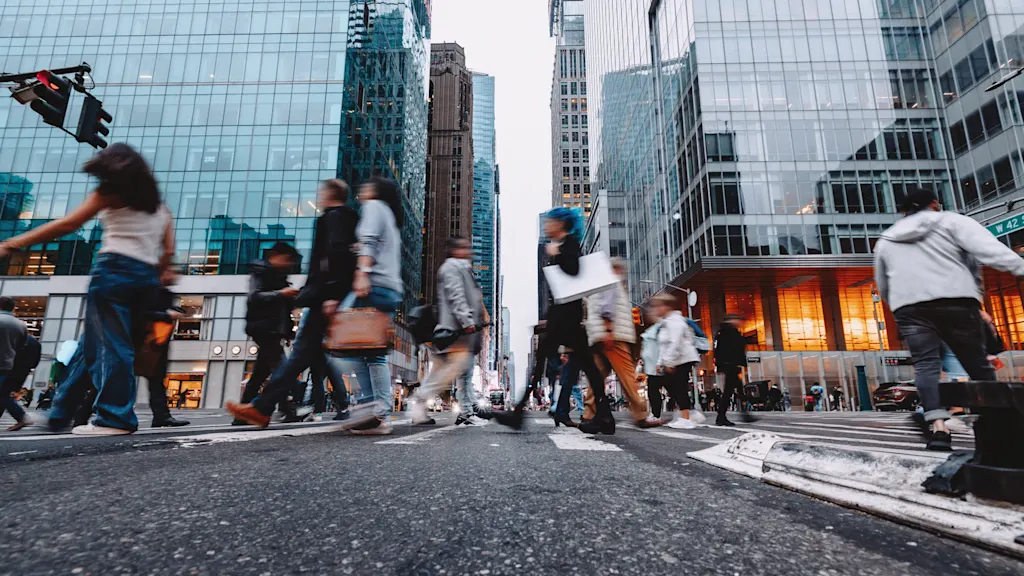
Remote teams
fromForbes
4 days agoRemote Work Shift: Navigating The Rise In Return To Office Policies
Companies are mandating return-to-office policies despite evidence of remote work productivity.
Remote teams
fromInc
5 days agoRemote Work Isn't the Problem-Poor Management Is, New Study Finds
Remote work enhances productivity, but effective management training is crucial for its success.


#fuel-crisis
World news
fromYahoo Finance
3 weeks agoCountries ordered to work from home as fears grow for Aussie supplies: 'It's happening'
Multiple Asian countries implement work-from-home mandates, travel restrictions, and energy conservation measures to reduce fuel demand amid escalating Iran conflict and supply concerns.
#mpox-clade-i


Coronavirus
fromNew York Post
2 weeks agoFirst known case of severe mpox virus strain detected in NYC
New York City detected its first case of mpox clade I, a more severe and transmissible strain, in a person with recent international travel, prompting health officials to recommend vaccination for at-risk populations.
US news
fromTruthout
3 weeks agoGlobal Health Workers Describe Impact a Year After Trump Admin Shut Down USAID
USAID's dissolution in 2025 has caused avoidable deaths and increased suffering among vulnerable populations globally, with malaria spikes, food assistance cuts, and disrupted medical supply chains already documented.

Coronavirus
fromwww.scientificamerican.com
2 weeks agoCOVID probably killed 150,000 more people in its first two years than official U.S. tolls show
COVID-19 deaths in the U.S. during 2020-2021 may have reached nearly one million when accounting for approximately 150,000-160,000 unrecorded deaths, with disproportionate impact on marginalized populations.
fromThe Atlantic
1 month agoWhat Jay Bhattacharya Wants From the CDC
In his first email to CDC staff, he wrote that the federal government's "decisions, communications, and processes" broke the public's trust during the pandemic, and that "acknowledging this reality is a necessary step toward renewal." In practice, the CDC has been undergoing a kind of forced renewal for months.
Public health
fromThe Atlantic
2 weeks agoI Remember a World Without Vaccines
I am open-minded; I believe in integrative practices, and I agree that the medical establishment can be arrogant and unduly influenced by the pharmaceutical industry, which now funds so much of medical research. But I fully understand Scherer's frustration with his interminable discussions with Kennedy about scientific articles.
Coronavirus

Coronavirus
fromArs Technica
3 weeks agoWe study pandemics, and the resurgence of measles is a grim sign of what's coming
Measles outbreaks impose substantial economic costs through containment, medical expenses, and productivity losses, while declining vaccination coverage threatens control of multiple infectious diseases.
Public health
fromFortune
1 month agoPoor brain health costs the world economy $5 trillion a year. The world is waking up to the crisis | Fortune
Brain health disorders cost the global economy $5 trillion annually, projected to reach $16 trillion by 2030, making workforce brain health a strategic imperative for companies and nations competing in the AI economy.
fromwww.nature.com
2 months agoCOVID-19, teleworking, and firms' office-related decisions: an emerging literature
Verbatim quotes from the study cannot be extracted from the citation list provided. To supply exact, detailed quotes of around 60–85 words, the complete study document or the relevant passages must be provided. Please upload the full study document or paste the quoted passages and exact verbatim extractions will be returned in the requested format.
Coronavirus
fromwww.theguardian.com
3 weeks agoNew Zealand Covid response among world's best but scars' remain, inquiry finds
New Zealand's Covid response was among the world's best, saving tens of thousands of lives through strict measures, though the pandemic left lasting societal scars and response strategies weren't always sufficiently adaptive to changing circumstances.
fromwww.npr.org
1 month agoWhy it's a bit surprising that the U.S. is attending a key global flu meeting
Each day, they pore over reams of data about how the virus is evolving worldwide, how well last year's shot performed, and which strains might be easiest to mass produce for a vaccine. The meeting, convened by the World Health Organization twice a year, is a critical moment for the WHO's Global Influenza Surveillance and Response System.
Public health



fromFast Company
2 months agoHow America's WHO exit could affect flu shots, outbreaks, and future pandemics
The U.S. is no longer part of the World Health Organization. After the Trump administration declared its intention to pull the country out of the global public health agency one year ago, on Thursday it formally followed through, ending its commitment to the organization after 78 years. Withdrawing the U.S. from the WHO was one of Trump's day one priorities. Now, after the required one year notice period, the deed is done.
World news
fromBusiness Matters
2 months agoThe Rise of Telemedicine: How Digital Health is Reshaping Medical Equipment Demand
Between March 2020 and March 2022, over 100 million telemedicine services were delivered to approximately 17 million Australians. The Australian government invested $409 million to make telehealth permanent, whilst the UK announced £600 million for digital health infrastructure in April 2025. Patient adoption is equally impressive: 60% find telemedicine more convenient than in-person appointments, 55% report higher satisfaction with teleconsultations, and 74% of millennials prefer virtual appointments for routine care. These aren't temporary shifts; they represent a fundamental transformation in healthcare delivery.
Healthcare
fromABC7 Los Angeles
2 months agoUS completes withdrawal from World Health Organization
But it's hardly a clean break. The U.S. owes more than $130 million to the global health agency, according to WHO. And Trump administration officials acknowledge that they haven't finished working out some issues, such as lost access to data from other countries that could give America an early warning of a new pandemic. The withdrawal will hurt the global response to new outbreaks and will hobble the ability of U.S. scientists and pharmaceutical companies to develop vaccines and medicines against new threats, said Lawrence Gostin, a public health law expert at Georgetown University.
World news
fromwww.aljazeera.com
2 months agoGlobal health's defining test
Perhaps the most significant milestone was the adoption by WHO Member States of the Pandemic Agreement, a landmark step towards making the world safer from future pandemics. Alongside this, amendments to the International Health Regulations came into force, including a new pandemic emergency alert level designed to trigger stronger global cooperation. And to sustainably finance the WHO's work, governments in a historic show of support increased their contributions to our core budget.
Public health
fromFast Company
2 months agoHow to stay productive as the world burns
Barely 10 days into the new year, it already feels like you can't look away from the news. In the last week alone, the U.S. military captured Venezuelan president Nicolás Maduro and took over operations of the country; President Trump withdrew the U.S. from dozens of international organizations, including a major climate treaty; and an ICE agent fatally shot a Minneapolis resident, sparking outrage and widespread protests.
Mental health
fromPsychology Today
2 months agoA Virus Is Rising Exponentially This Month
We see the percentage of outpatients' visits for influenza-like illnesses (proven influenza cases and not tested but similar cases) in 2025 and the beginning of 2026, compared to the last few years. The current outbreak is represented by a dark red line that is higher than in previous years and is expected to continue rising with the start of school this week.
Public health
Public health
fromIPWatchdog.com | Patents & Intellectual Property Law
4 years agoThe Innovation Ecosystem Behind COVID Vaccines is Now Targeting HIV/AIDS
Incremental scientific innovation transformed HIV from a fatal epidemic to a manageable disease, with advances including AZT, PrEP, and promising mRNA vaccine trials.
fromwww.npr.org
2 months agoGlobal buzzwords that will be buzzing in your ear in 2026
Has your resilience ever been fractured? Do you yearn to express solidarity in a pragmatic way? Have you signed an MOU? (Or even heard of an MOU?) These sentences contain some of the buzzwords likely to be relevant in the world of global health and development in 2026 according to our informal survey of 20 experts who work in the field.
Public health


fromLondon Business News | Londonlovesbusiness.com
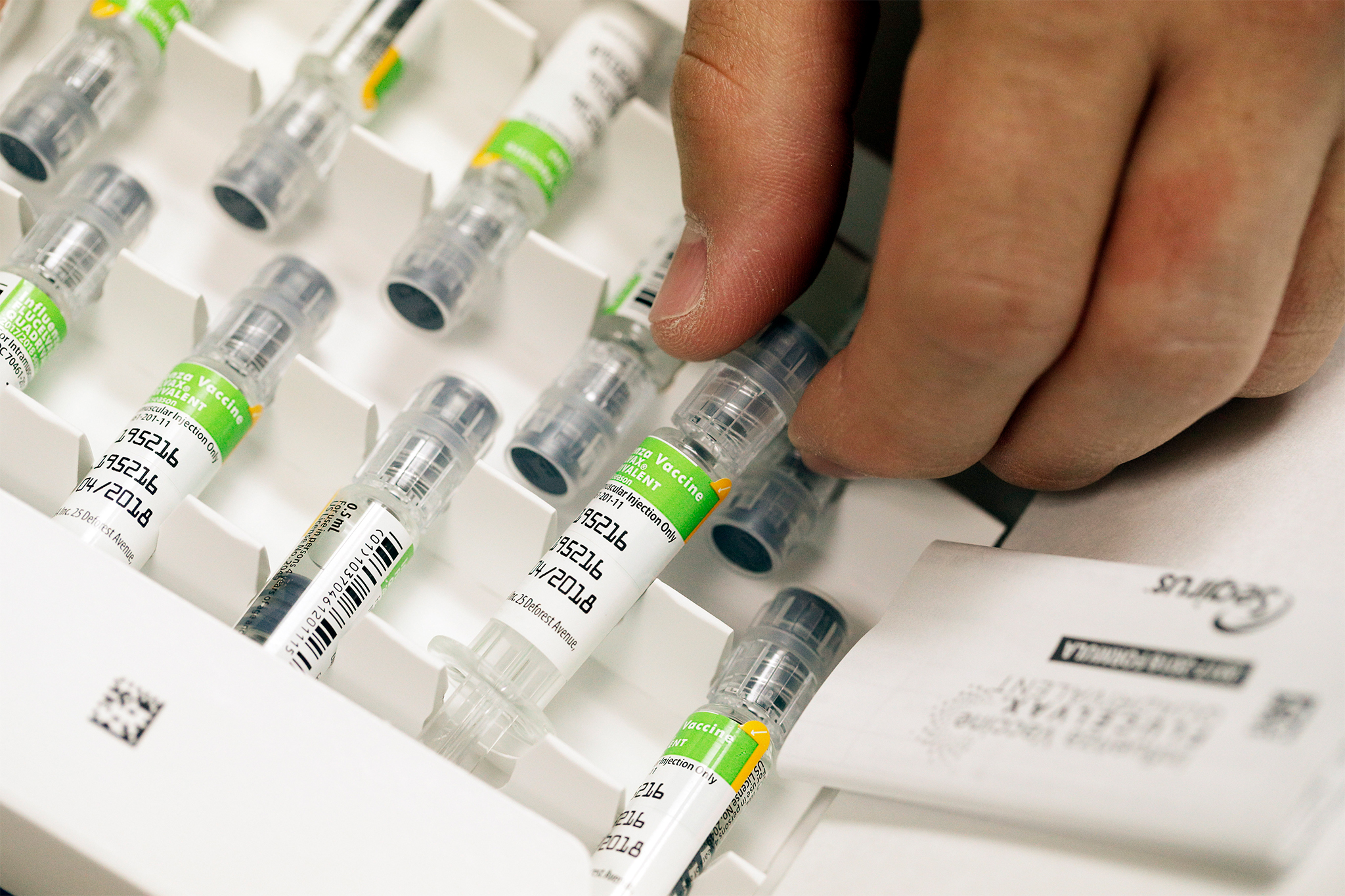
2 months agoNHS warns the 'worst is far from over' as a new flu variant is spreading - London Business News | Londonlovesbusiness.com
It's clear that the worst is far from over for the NHS this winter, with hospitals again experiencing a rise in patients admitted with flu and other respiratory virus cases last week.
Public health
Public health
fromkffhealthnews.org
2 months agoTrump policies at odds with emerging understanding of COVID's long-term harm
SARS-CoV-2 can produce diverse, long-term health harms while federal policy has narrowed vaccine recommendations and paused development contracts despite calls for sustained research and monitoring.
fromNature
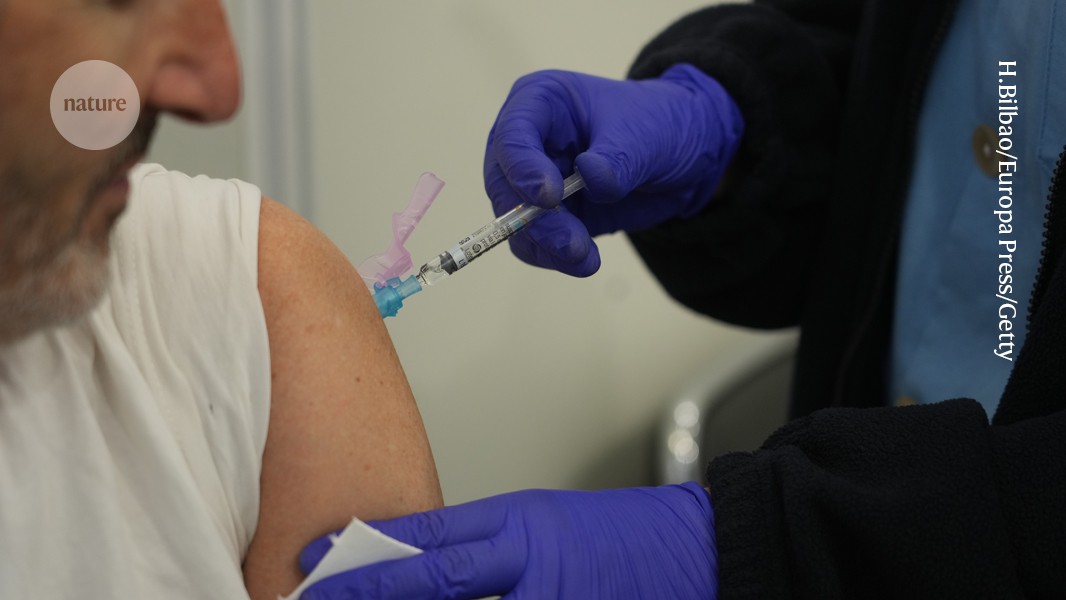
2 months agoHow do vaccine cutbacks affect public health? Ask Japan
Half a world away, specialists in Japan say they have some hard-won wisdom to offer. They watched flu and pneumonia deaths spike after the Japanese government stopped pushing parents to have their children vaccinated against influenza. They witnessed rubella outbreaks driven by shifting vaccine guidance that left a segment of the population vulnerable. And they saw an unfounded media scare turn the public away from immunizations against human papillomavirus (HPV), which is responsible for nearly all cases of cervical cancer.
Public health
[ Load more ]