Science
fromThe Cipher Brief
33 minutes agoA Wartime Budget Without an Innovation Strategy
Collaboration between the NSF and defense sectors is essential for national security and innovation, despite proposed budget cuts to NSF funding.
"To accelerate current weapons development timelines, DARPA is considering an alternative development paradigm to increase the nation's magazine depth and breadth."
The Space Force's formal acceptance of the ground system from RTX last year marked a turning point for OCX after years of blunders. The handover allowed military teams to validate the new control software and upgraded ground facilities before declaring the system ready for operational service.
KeyBanc lowered its price target to $295 from $330 and kept its Overweight rating after adjusting estimates post-earnings. The firm attributes the target reduction to recent changes to the SCAR program and timing in contract awards. Despite the revision, KeyBanc's broader conviction on AeroVironment is unchanged: the firm maintains that AeroVironment is positioned to capitalize on the proliferation of UAS/cUAS and increased government spending in defense and space-related programs.
This flight test showcases the potential of airpower built on mission autonomy. Across platforms, domains, and environments, Hivemind provides resilient mission autonomy, proving that software is central to the future of airpower. Our collaboration with Anduril reflects a new era of defense acquisition, where autonomy is treated as a foundational warfighting capability on par with the aircraft itself.
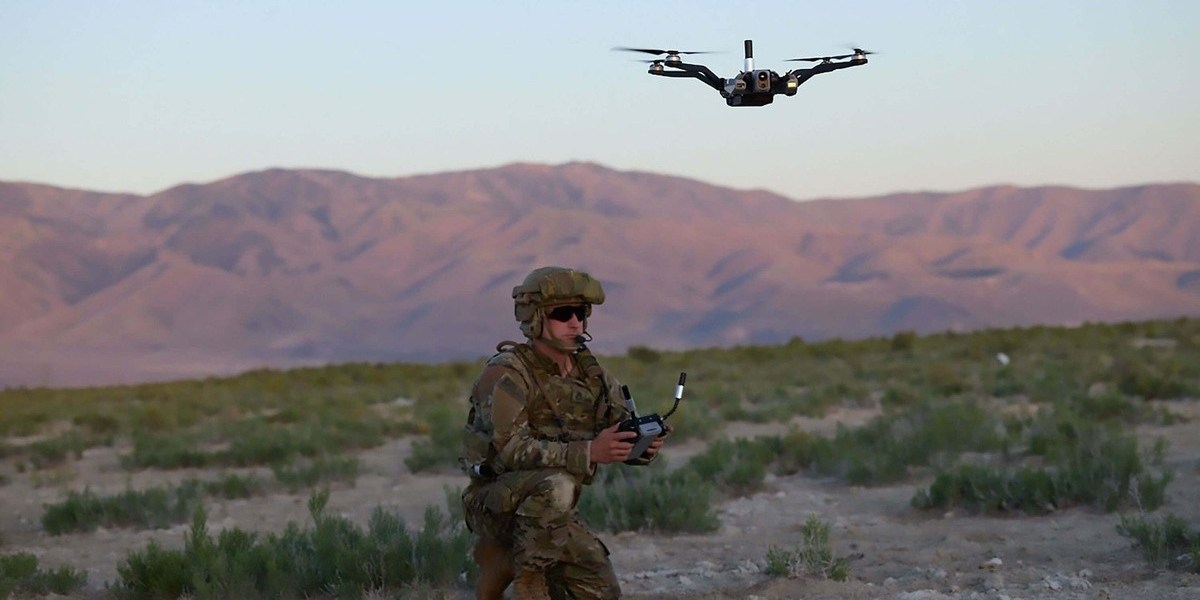
The US Army is taking lessons from Ukraine's drone war and pushing soldiers to design, build, and 3D print their own systems. At the Army's first annual Best Drone Warfighter competition held this week at the University of Alabama in Huntsville, the participating soldiers were encouraged not only to bring their own drone builds and modify them on-site but also to share tips and tricks across the service.
Hydrogen-powered unmanned aerial vehicles are not a new concept. Drones running on hydrogen fuel have been in experimental forms for over a decade, but this is for the first time, a drone has been fully designed and deployed on full-scale combat duty in an active war zone. The drone is a hybrid version of the Raybird USA developed by Skyeton and is deployed with the Ukrainian Defense Forces.
ŠIAULIAI AIR BASE, Lithuania - A Spanish fighter wing deployed to the Baltics for air patrol missions alongside anti-drone defenses for the first time, a reaction to growing uncrewed threats to European infrastructure. Spain's 15th Wing arrived at Šiauliai Air Base in December to begin a four-month rotation contributing to NATO's Baltic Air Policing mission, designed to protect the airspace around Lithuania, Latvia, and Estonia. The Crow counter-drone system came with it.
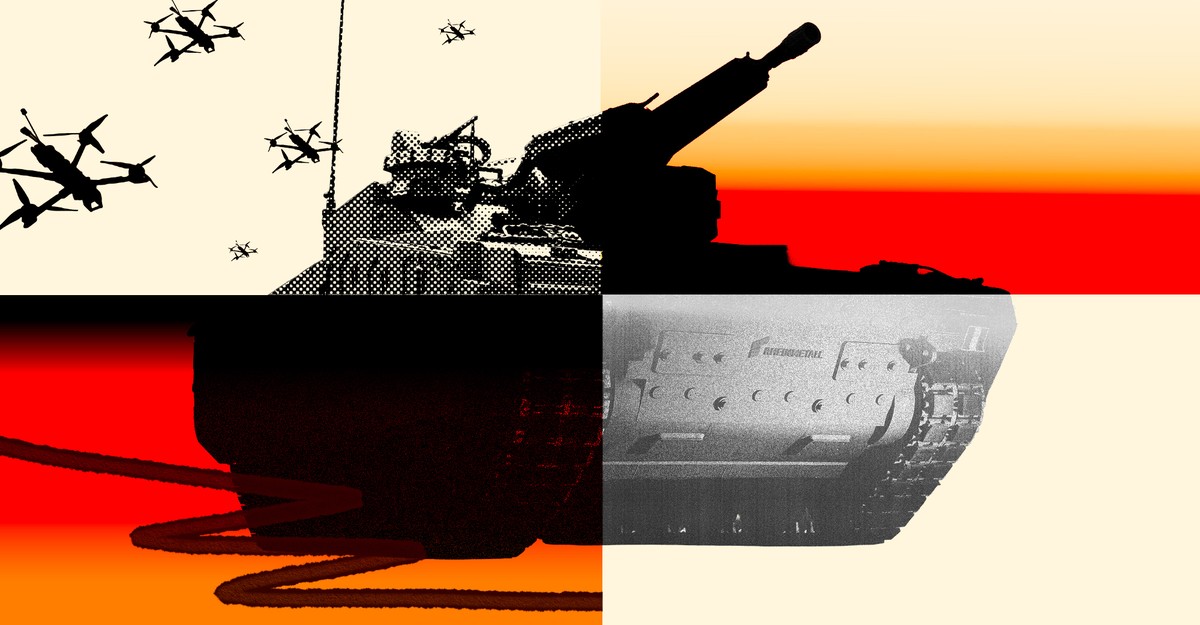
Facing an existential crisis, the Ukrainians had to develop a way to counter hostile forces cheaply yet with mass. That meant figuring out how to turn inexpensive drones into weaponry, a step that quickly and fundamentally changed how the war was being fought. Now, drones carry out 80% of all battlefield hits and are responsible for most combat casualties.
Infantry once relied on numbers to solve uncertainty. When soldiers could not see or hit targets precisely, the answer was more troops and more fire. Sniper technologies quietly overturned that logic. By extending range, improving accuracy, and increasing awareness, they allowed small teams to dominate space once controlled only by massed formations. Precision replaced presence, and patience became a battlefield advantage. Here, 24/7 Wall St. is taking a look at the sniper technologies that totally changed the game.
The cost for the US and other militaries to keep newer combat aircraft ready to fly is going to soar in the coming years, a new report on sustainment trends argues. A new report from the American consulting firm Oliver Wyman projects global military aircraft spending over the next decade, including an annual sustainment cost growth of 1.1% through 2036. That's a pace roughly 11 times faster than the previous decade.