Relationships
fromSlate Magazine
13 hours agoI Told My Friend Some Private Things About My Wife. Now I'm in Big Trouble.
Maintaining long-term friendships can be challenging when past grievances affect perceptions in a marriage.



"Vibe coding is exposing a level of enthusiasm that some couples have found difficult to contain, though. One told me that they had to set boundaries, like not using Claude Code while the kids are awake."
But psychologists studying long-term couples have discovered something surprising: compatibility isn't the strongest predictor of whether relationships last. Instead, research points to a specific communication style that distinguishes couples who go the distance from those who don't. It's not about how often you communicate, how well you express love, or even how skillfully you resolve conflicts. It's about something more fundamental-a pattern of interaction that either strengthens your bond over time or slowly erodes it.
To have a good relationship, you have to put in effort. Your effort should go towards communicating well, for example, learning to bring up concerns in a considerate way and working on listening rather than getting defensive. You should also have the necessary, but uncomfortable, conversations that help a relationship thrive, such as conflict repair discussions and talks that help you work as a team to meet each other's needs.
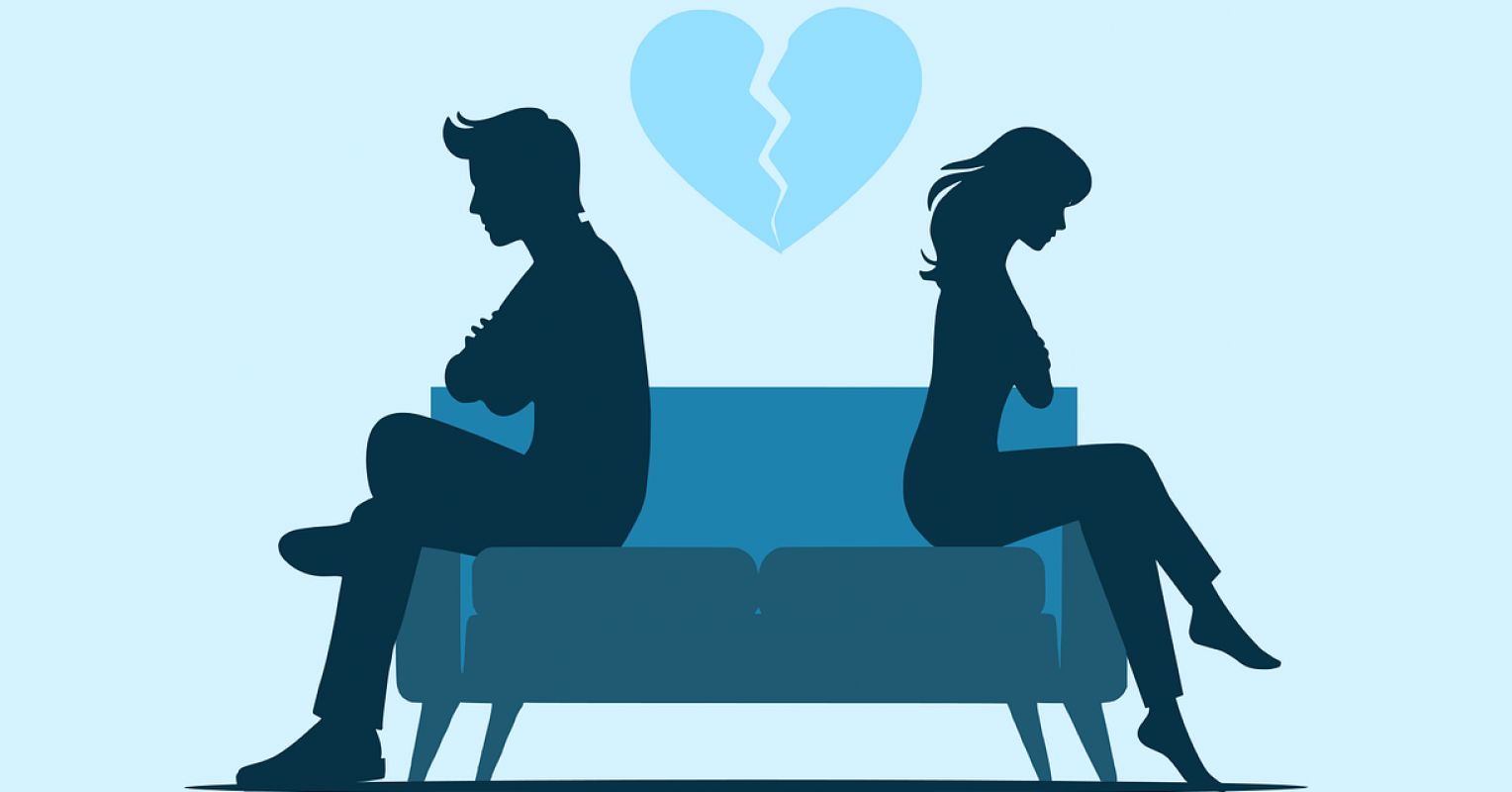
Relationship research has made it distinctively clear that most relationships don't fail because of singular, isolated, catastrophic events. More often, they disintegrate because of our patterns-the ones that once felt safe and protective, but have turned corrosive and misaligned with our relationship over time. We might keep asking ourselves, "Why do I keep ending up here?"without any good answer coming to mind, or assume that we always "attract the wrong partners."
These patterns are what dating coach Frances Kelleher refers to as "micro-compatibilities." Since we don't have access to the big picture all the time (and mostly in retrospect), we have to rely on the tiny patterns for clues about how we're really doing in our relationship. These micro‑compatibilities are rooted in decades of social and health science. They shape emotional co‑regulation, perceived responsiveness, fairness, and even shared physiological states.